Luxury Vinyl Planks: A Swift 6% Home Value Enhancer
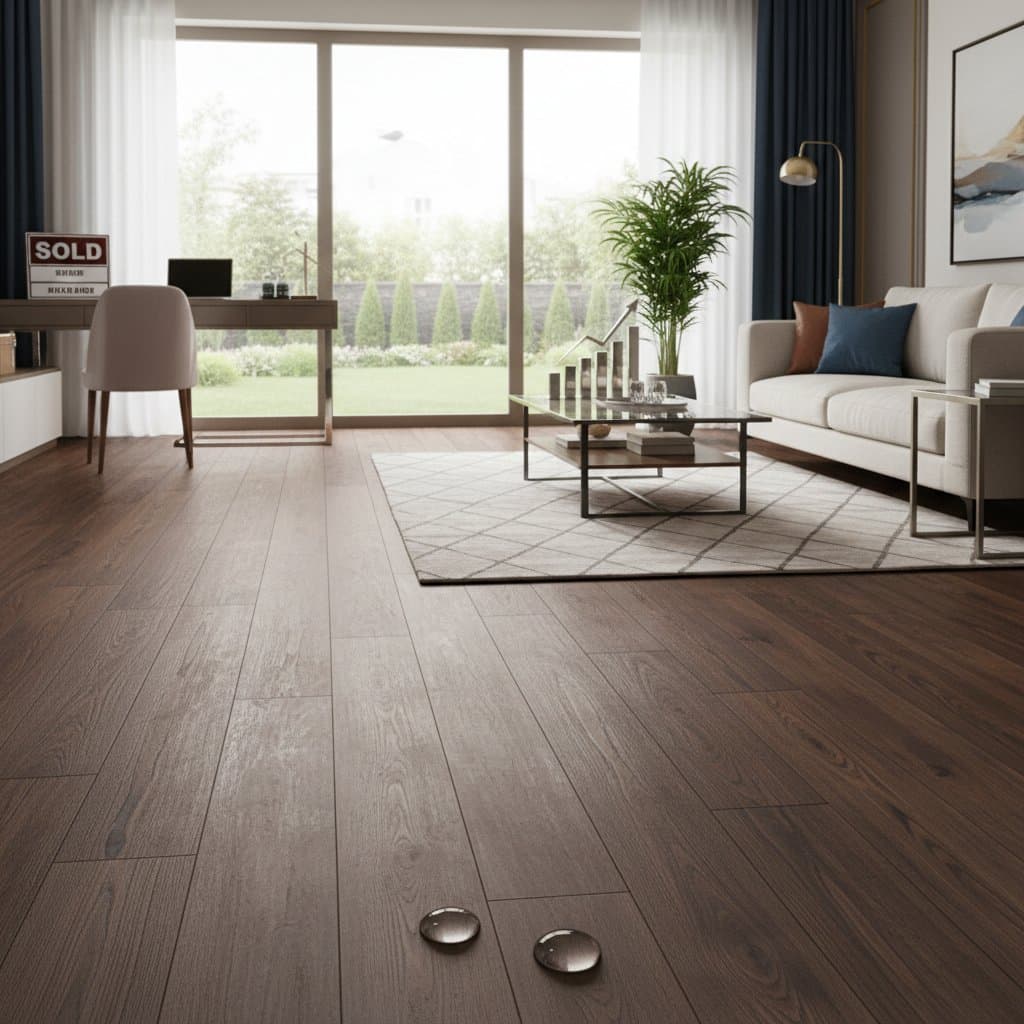
Luxury vinyl plank flooring, commonly known as LVP, provides homeowners with the visual appeal of hardwood alongside the resilience of advanced synthetic materials. This flooring option proves ideal for high-traffic households, rental units, and renovation projects that demand water resistance and straightforward upkeep. Homeowners often select LVP to achieve a wood-like appearance without the associated maintenance demands or expenses. Among flooring upgrades, LVP stands out as one that delivers a rapid increase in property value, yielding an average return of approximately 6 percent.
Cost Overview
The cost of luxury vinyl plank flooring ranges from $2.50 to $7.00 per square foot for nationwide installations. Typical expenditures for homeowners fall between $4.00 and $5.50 per square foot, encompassing both materials and labor. Premium collections featuring thicker cores, textured embossing, or intricate designs may climb to $8.00 to $10.00 per square foot.
Factors Influencing Cost
- Wear layer thickness and core construction
- Brand reputation and warranty terms
- Locking mechanisms and edge profiles
- Requirements for subfloor preparation and leveling
- Regional variations in labor charges
Advantages and Drawbacks
Advantages
- Elevates home value by up to 6 percent through contemporary styling
- Outperforms wood in resistance to water, scratches, and stains
- Performs reliably in kitchens, basements, and bathrooms
- Offers a warmer, more comfortable sensation underfoot compared to tile
- Requires less time for installation than hardwood or engineered alternatives
Drawbacks
- Susceptible to fading from prolonged direct sunlight exposure
- Prone to denting from heavy furniture or items with casters
- Lower-end options may produce a hollow or synthetic sound
- Cannot be refinished effectively after sustaining damage
- Glue-down installations present challenges for future removal
Varieties and Selections
Luxury vinyl plank flooring appears in multiple configurations. The optimal selection hinges on anticipated foot traffic, exposure to moisture, and financial considerations.
Click-Lock (Floating) Systems
These planks interlock and rest above the subfloor without adhesion. They facilitate straightforward do-it-yourself projects and suit areas with minimal dampness.
Glue-Down Applications
Adhesives secure the planks directly to the subfloor, providing enhanced stability for areas with intense use or commercial demands.
Rigid Core (SPC or WPC) Designs
Incorporating stone or wood polymer composites, these options deliver a firm feel, superior dent resistance, and stability across temperature fluctuations.
Waterproof Vinyl Plank Varieties
Featuring sealed edges and compact cores, these prevent water infiltration, making them suitable for bathrooms, basements, and utility spaces.
Embossed or Hand-Scraped Textures
These finishes replicate authentic wood grains with greater fidelity, enhancing realism for upscale remodels or properties aimed at resale.
Do-It-Yourself Installation Versus Professional Services
Luxury vinyl plank installation presents moderate complexity. A diligent individual with basic skills can complete a standard room in one to two days. Essential tools include a utility knife, tapping block, pull bar, spacers, and a saw for precise trim adjustments. Potential pitfalls encompass irregular seams, faulty connections, or underlying subfloor problems that lead to shifting or separations over time.
Professionals become advisable for layouts spanning multiple rooms, intricate transitions, or environments with significant moisture. Experts manage subfloor corrections and appropriate underlayment choices. Professional services generally cost $1.50 to $2.50 per square foot, justifying the investment for seamless results and preserved warranties.
Essential Installation Steps
- Calculate the room's dimensions and include a 10 percent allowance for cuts and waste.
- Allow the planks to adjust to indoor conditions for a minimum of 24 hours.
- Thoroughly clean and ensure the subfloor remains level.
- Apply underlayment as specified by the manufacturer.
- Begin assembly from one corner, interlocking planks securely.
- Trim final pieces using a utility knife or appropriate saw.
- Offset joints between rows to create a balanced pattern.
- Secure trim moldings and transition pieces.
- Remove debris with a vacuum and damp cloth.
Care Instructions and Durability
With routine maintenance, luxury vinyl plank flooring endures 15 to 25 years. Perform weekly sweeping or vacuuming to remove debris. Employ a damp mop with a gentle cleaner, avoiding waxes or polishes that could build up. Attach felt protectors to furniture legs to minimize indentations. Address damage by disassembling sections or precisely cutting out affected planks for replacement. Manufacturers typically offer warranties against wear-through lasting 10 to 20 years, varying by product quality.
Comparable Flooring Choices
Engineered Hardwood
This provides a genuine wood surface layer at a higher price point of $6.00 to $12.00 per square foot. Refinishing remains possible one or two times. It proves unsuitable for moisture-prone locations.
Laminate Options
Priced from $1.50 to $3.50 per square foot, laminate offers affordability but limited water resistance. It functions best in low-humidity spaces like bedrooms.
Ceramic or Porcelain Tiles
These excel in water resistance yet cost $5.00 to $10.00 per square foot, deliver a cooler surface, and demand extended installation periods.
Sheet Vinyl Materials
Providing a seamless, water-resistant barrier, sheet vinyl falls short in premium aesthetics compared to planks. It commonly serves utility areas or budget rentals.
Regional Considerations
Labor costs vary significantly by location, with urban centers commanding premiums over rural settings. Coastal regions often necessitate additional moisture barriers beneath floating installations. In colder areas, thicker underlayments enhance thermal performance. Certain jurisdictions mandate low-VOC adhesives for flooring, potentially increasing expenses modestly. Consult local building authorities to confirm compliance with material standards and vapor barrier protocols.
Return on Investment and Market Appeal
Prospective buyers favor contemporary, pristine flooring that maintains consistency. Real estate professionals observe that properties featuring fresh luxury vinyl plank sell more promptly and achieve prices nearer to asking amounts. The standard value uplift reaches about 6 percent, particularly when supplanting outdated carpets or laminates. Maximum benefits arise from comprehensive installations that unify tones and finishes throughout visible spaces.
Safety Guidelines
Sawing vinyl planks produces fine plastic particles, requiring a dust mask and protective eyewear. Maintain ventilation during adhesive applications. Prior to disturbing existing floors, test for hazardous substances like asbestos or lead. Ensure adequate clearance from heat-emitting appliances such as fireplaces. Preserve expansion gaps along walls and thresholds to prevent warping or lifting.
Frequently Asked Questions
Does luxury vinyl plank install over existing tile or concrete?
Yes, provided the base surface stays clean, dry, and even. Add underlayment for irregular or chilled subfloors.
Is luxury vinyl plank completely waterproof?
Select varieties achieve full waterproofing through tight seams and sealed perimeters. Promptly address any pooled water to avoid issues.
Must LVP include underlayment?
Certain products integrate padding. Otherwise, incorporate slim foam or cork sheets for noise reduction and moisture defense, following product guidelines.
Next Steps for Your Project
Luxury vinyl plank flooring delivers a sleek, moisture-resistant foundation while enhancing resale potential efficiently. It outpaces hardwood in installation speed and adapts to diverse room functions. Proceed by measuring your space, evaluating brands with a minimum 12 mil wear layer, and obtaining quotes from certified installers. Review warranty details and verify adherence to local regulations prior to purchase.