Boost Home Value: $8,000 Return on Investment from Circadian Lighting Upgrades
Smart, wellness-oriented lighting systems can increase a home's resale value by approximately $8,000. Buyers today prioritize comfort, precise control, and energy efficiency in their purchases. Installing a circadian or tunable lighting system provides these elements effectively.
Direct Overview
A circadian lighting upgrade typically costs between $4,000 and $10,000 for an average-sized home. Sellers often recoup about $8,000 in enhanced value, with greater returns in markets that emphasize wellness features or energy conservation. Full retrofits require three to five days, while partial upgrades take less time.
Functions of Circadian Lighting
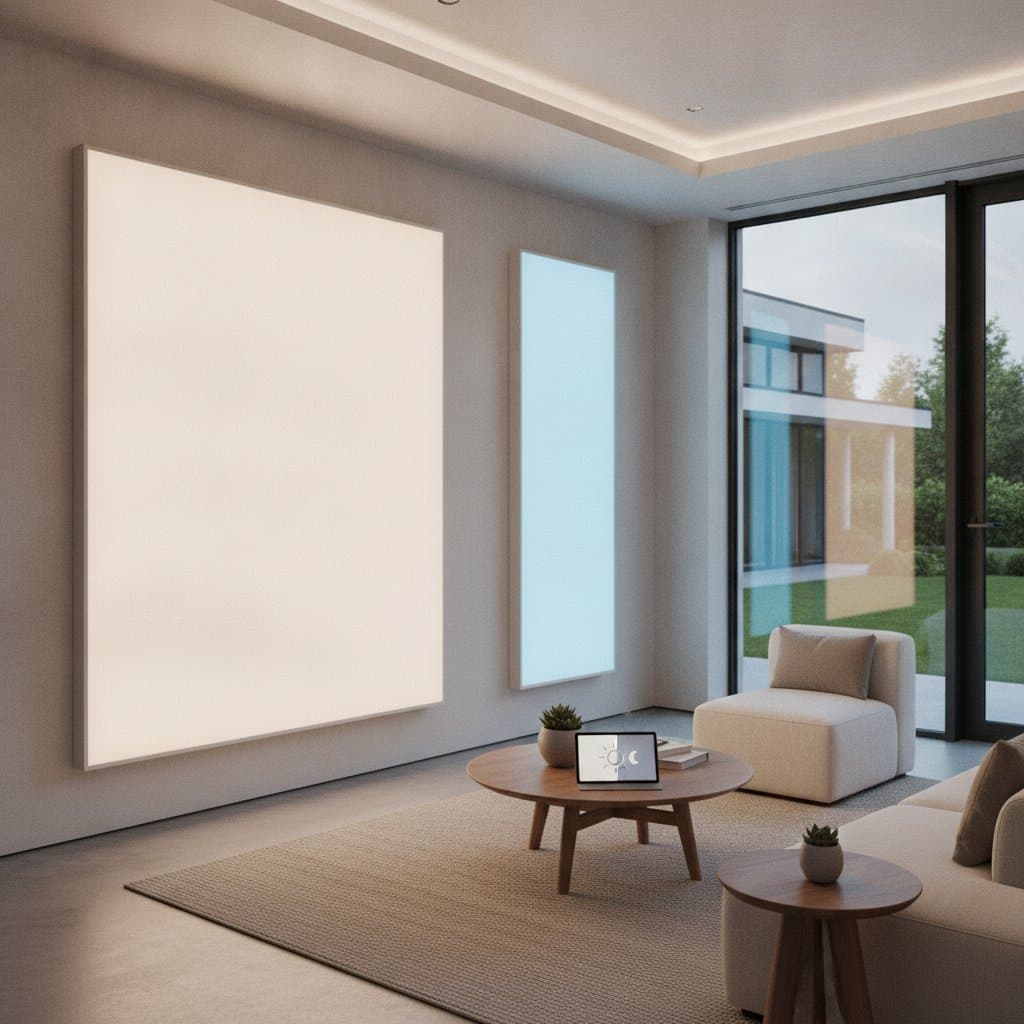
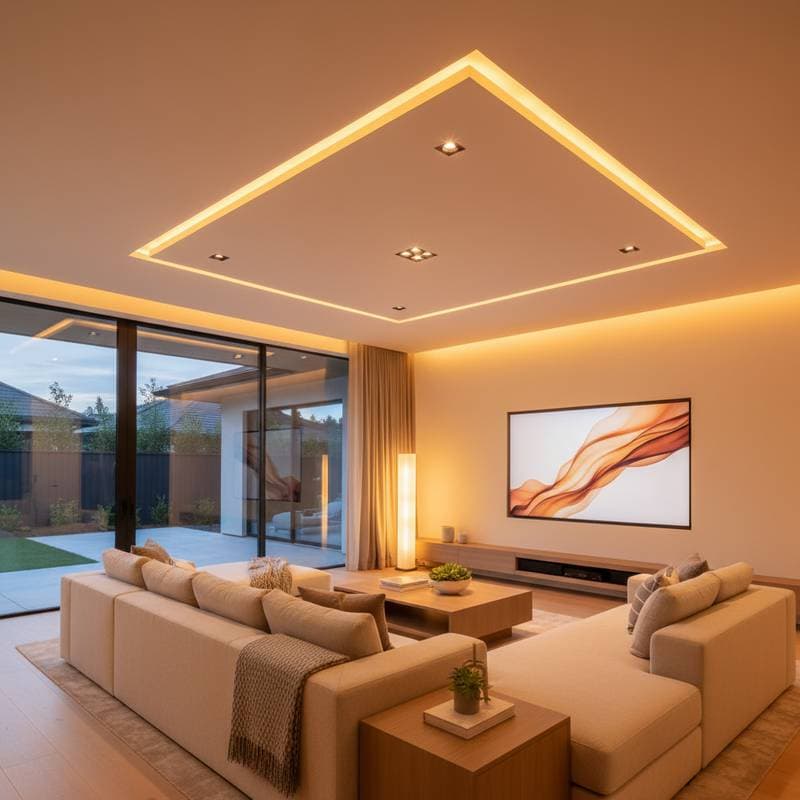
Circadian lighting modifies color temperature and brightness throughout the day to align with natural sunlight patterns. This adjustment promotes improved sleep quality, elevated mood, and enhanced concentration. In contrast to conventional LED installations, circadian systems shift tones automatically, from energizing cool light in the morning to relaxing warm light in the evening. Users control these systems via mobile applications or integrate them with broader smart home ecosystems.
Homeowners enjoy greater comfort and reduced energy consumption, while potential buyers perceive such installations as forward-thinking enhancements that demonstrate meticulous property maintenance.
Steps for Upgrading to Circadian Lighting
- Evaluate existing lighting. Inventory all fixtures and assess natural light exposure in each room.
- Select a control mechanism. Options include application-based interfaces, wall-mounted panels, or voice-activated integrations.
- Choose adjustable fixtures. Opt for LED products designated as tunable white or human-centric lighting.
- Define lighting zones. Prioritize areas such as bedrooms, kitchens, and workspaces for circadian adjustments.
- Incorporate smart switches or central hubs. These components unify all fixtures within a cohesive network.
- Set the daily schedule. Align light cycles with local daylight variations for optimal effect.
- Verify and refine settings. Adjust intensity and color warmth to suit individual preferences.
Cost Breakdown
Upgrading involves both new fixtures and control infrastructure. Expenses fluctuate based on geographic location, manufacturer, and project scale. The following table offers a standard overview.
| Task | Typical Cost | Influencing Factors |
|---|---|---|
| Replace standard fixtures with tunable LEDs | $100 to $300 per fixture | Design aesthetics, lumen output, and brand reputation |
| Install smart switches or hubs | $150 to $400 per room | Ease of wiring access and surface conditions |
| Program and calibrate the schedule | $200 to $600 | Degree of smart home integration |
| Full-house retrofit (average 2,000 sq. ft.) | $4,000 to $10,000 | Property dimensions, control sophistication, and labor rates |
Expected Return: Approximately $8,000 in elevated resale value, particularly in regions that incentivize energy-efficient and health-promoting technologies.
Factors Increasing Costs
- Premium fixtures featuring superior color rendering indices
- Intricate wiring modifications or switch overhauls
- Seamless incorporation into comprehensive home automation frameworks
Strategies to Reduce Costs
- Perform do-it-yourself replacements of smart bulbs rather than fixed installations
- Limit initial efforts to primary living spaces
- Employ systems compatible with pre-existing electrical setups
Project Timeline
Partial upgrades often fit within a single weekend for most homeowners. Complete retrofits span three to five days, influenced by accessibility and technical demands. Wireless configurations accelerate the process by eliminating the need for extensive rewiring.
Timeline Influences
- Accelerators: Select plug-in bulbs or wireless central units.
- Delayers: Overhaul of legacy wiring or subsequent drywall repairs following switch placements.
Do-It-Yourself Versus Professional Installation
Suitable for Do-It-Yourself
- Projects limited to bulb or plug-in fixture exchanges.
- Homes already equipped with compatible smart hubs, where users possess app configuration skills.
- Initial trials confined to select rooms for evaluation.
Recommended for Professionals
- Situations involving obsolete wiring or requirements for advanced dimmer switches.
- Desires for synchronization with heating, ventilation, air conditioning, or security apparatuses.
- Preparations for property sales demanding flawless, regulation-compliant outcomes.
Professional Advantages
Licensed electricians guarantee proper dimming synchronization and secure electrical connections. They establish uniform zoning schedules and interface the lighting with pre-installed intelligent devices.
Warranty and Regulatory Compliance
Amateur electrical modifications risk invalidating product guarantees or triggering inspection failures. Consult local building codes prior to altering wired components. Numerous municipalities mandate permits for novel wiring or circuit alterations.
Essential Tools and Materials
- Tunable white LED bulbs or integrated fixtures
- Intelligent switches or dimming mechanisms
- Central control hub or software application
- Stable ladder and precision screwdriver set
- Voltage detection device and insulated wire connectors
- Optional: Occupancy sensors or ambient light detectors
Align tools with project scope. Simple bulb changes demand minimal equipment, whereas switch installations necessitate comprehensive electrical safeguards.
Rationale for Substantial Lighting Returns
Lighting profoundly influences a home's ambiance. Prospective buyers immediately sense enhancements in comfort levels. Circadian systems convey intentional craftsmanship, diminished operational expenses, and contemporary functionality. These upgrades complement installations like intelligent climate controls, air filtration units, and high-performance glazing.
Properties positioned as wellness-optimized frequently achieve quicker sales at premium prices. Lighting forms the cornerstone of this positioning, impacting routine livability and sustained maintenance.
Scientific Foundation of Circadian Appeal
Circadian lighting harmonizes with the body's internal clock. Blue-enriched morning illumination stimulates wakefulness. Warm evening hues facilitate melatonin synthesis. Outcomes include superior rest and consistent vitality.
These physiological advantages manifest in tangible economic benefits. Purchasers seek residences that foster restful sleep, heightened efficiency, and psychological well-being. Property professionals now equate tunable lighting with efficient climate systems and conservation-oriented plumbing.
Comparison of Lighting Options
| Lighting Type | Cost Range | Key Features | Return Potential |
|---|---|---|---|
| Standard LED | $5 to $20 per bulb | Static color temperature, solid energy savings | Low |
| Smart Bulb | $20 to $50 per bulb | Remote operation, variable intensity | Medium |
| Circadian Tunable LED | $80 to $250 per fixture | Dynamic color adjustment | High |
| Comprehensive Circadian Network | $4,000 to $10,000 total | Automated wellness optimization | Very High |
Modest expenditures on intelligent bulbs allow concept validation. Extensive networks elevate lighting to an integral lifestyle component.
Considerations by Region
Lighting efficacy varies with photoperiod and environmental conditions.
- Northern locales: Emphasize invigorating morning illumination during abbreviated winter daylight.
- Southern areas: Implement robust dimming to counter extended sun exposure.
- Humid environments: Specify moisture-resistant fixtures for wet zones like bathrooms and kitchens.
- Storm-vulnerable regions: Prioritize configurations with auxiliary power or surge safeguards.
Verify installation mandates for hardwired setups under local ordinances. Certain public utilities provide incentives for adopting energy-conserving illumination.
Safety Protocols
Electrical work demands caution at all times.
- Deactivate power supply at the main breaker prior to handling any wired elements.
- Employ a voltage tester to confirm de-energization.
- Refrain from pairing incompatible dimmers and bulbs.
- Position control hubs in protected, airy locations.
- For overhead installations, utilize reliable ladders and enlist assistance.
Summon an electrician for uncertainties regarding wiring integrity or load capacities. Proactive consultation averts costly rectifications.
Indicators for Professional Intervention
- Audible humming from dimming or switching components.
- Intermittent illumination post-installation.
- Failures in application or hub connectivity across zones.
- Resale preparations requiring polished, cohesive aesthetics.
Experts additionally assess fixture placement, illumination intensity, and adherence to energy standards.
Advantages in Energy Use and Upkeep
Circadian LED technologies consume 60 to 80 percent less electricity than traditional incandescent alternatives. This efficiency translates to reduced invoices and minimal thermal generation. LED longevity extends up to 25 times beyond predecessors, minimizing replacement needs.
Many platforms enable energy monitoring through applications. Users identify high-consumption areas and optimize routines for further savings.
Automated protocols prolong component durability by moderating intensity during intensive periods. Incremental dimming fosters extended operational spans and decreased environmental impact.
Synergy with Broader Intelligent Ecosystems
Circadian lighting excels within interconnected home environments. Linkages to climate regulators, automated shading, or detection sensors enhance performance.
- Morning routines: Gradual brightening coincides with wake-up signals.
- Daytime operations: Cooler spectra invigorate dedicated workspaces.
- Evening transitions: Progressive warming accompanies shade deployments.
Such orchestration imparts vitality and adaptability to the residence. Buyers interpret this as an amalgamation of ease, thrift, and sophistication.
Maintenance Recommendations by Season
- Adjust programming biannually to accommodate daylight fluctuations.
- Clean surfaces and optics to preserve luminosity and hue fidelity.
- Review software revisions via control interfaces.
- Validate reserve power functionality for systems with contingency lighting.
Routine attention ensures seamless operation and safeguards capital outlay.
Enduring Economic Merits
Wellness-centric illumination represents an established standard rather than fleeting novelty. Integration by constructors and architects solidifies its role in upscale residences. Resale premiums persist as adoption broadens.
Even standard properties benefit from targeted enhancements. Bedrooms and culinary spaces yield maximal impact, shaping emotional and functional impressions.
Early adopters secure a competitive edge against evolving preferences. Installations underscore discernment and strategic planning.
Strategies for Optimal Implementation
- Initiate modestly with select intelligent bulbs to master interfaces.
- Favor products exceeding 90 on the color rendering index.
- Harmonize automation with override options for adaptability.
- Document circuits and controls during assembly.
- Retain documentation for guarantee claims and market disclosures.
During sales listings, emphasize the infrastructure in promotional content. Highlighting subtle assets captivates discerning audiences.
Actionable Path Forward
To realize the $8,000 value uplift, formulate a targeted lighting strategy. Survey rooms to identify wellness priorities, focusing on rest areas, communal spaces, and productive zones.
Select platforms matching technical aptitude, from straightforward applications to holistic integrations with environmental and protective systems. Base choices on personal circadian patterns for personalized efficacy.