EV Chargers: Accelerate Home Sales by 10 Days by 2026
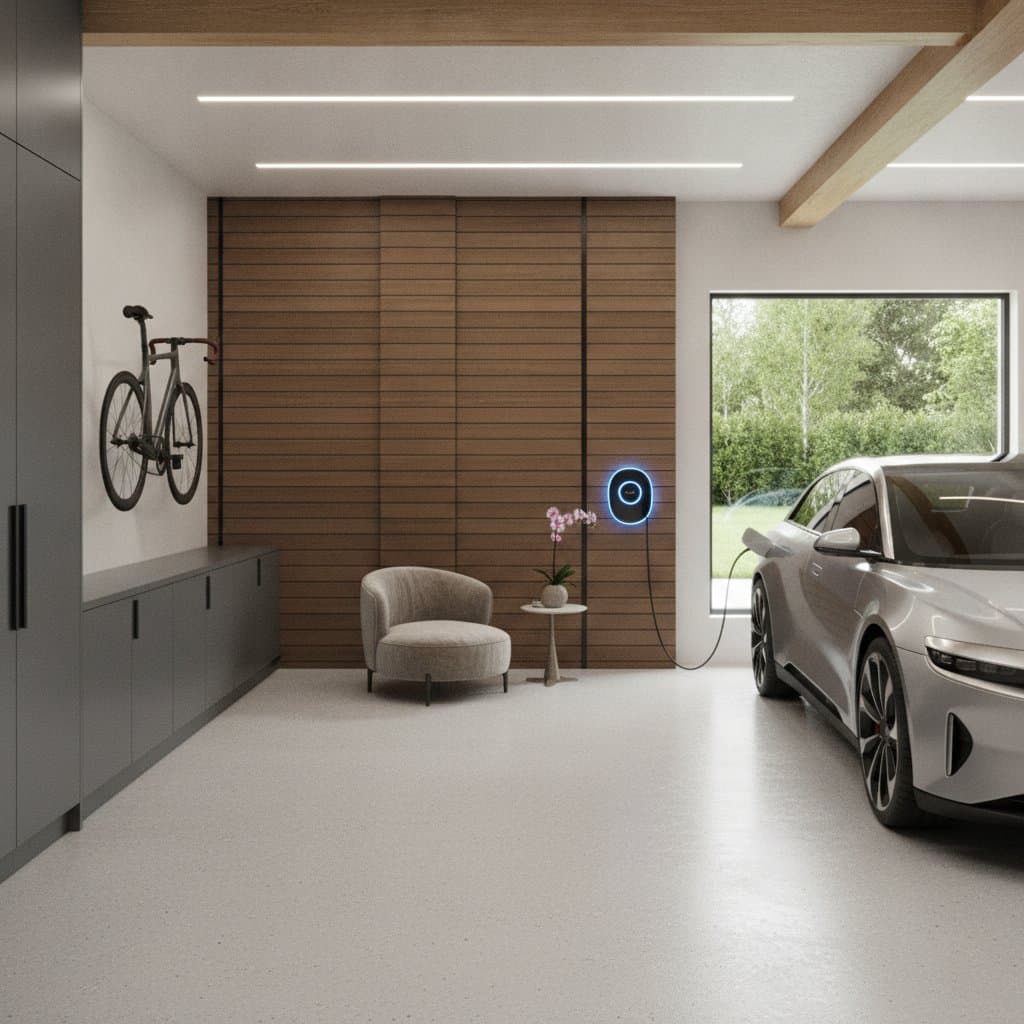
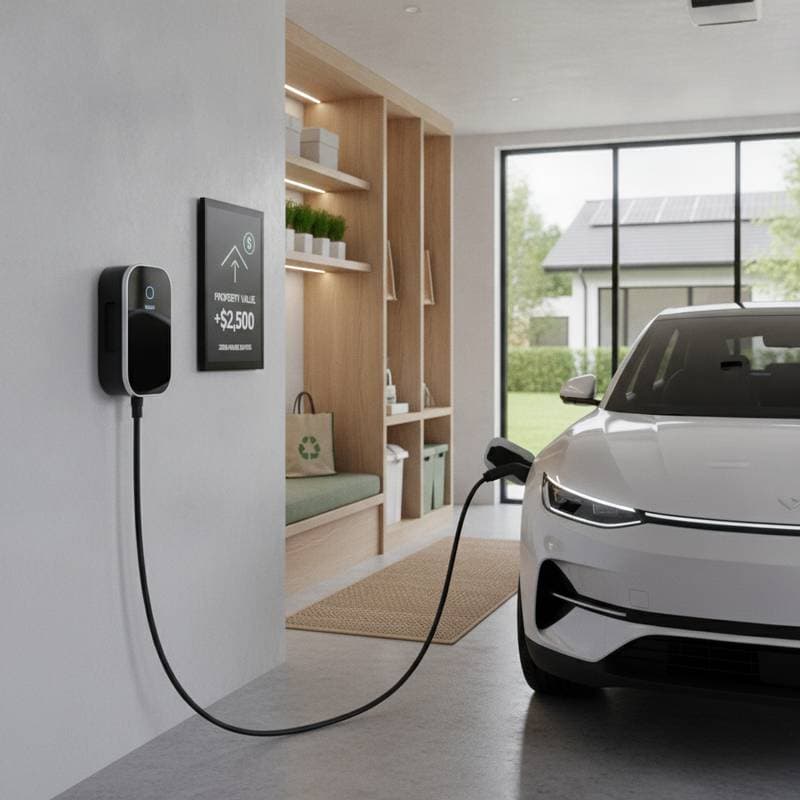
Properties equipped with electric vehicle chargers sell more quickly in today's market. Prospective buyers prioritize the convenience of home charging, and such features often lead to faster closings. For sellers, this addition highlights a forward-thinking, sustainable home. For buyers, it eliminates the need for immediate post-move installations. This upgrade emerges as a significant enhancer of property value in regions with rising electric vehicle adoption.
Understanding Home EV Chargers
A home EV charger, or charging station, delivers power to an electric vehicle via a specialized electrical circuit. Installation typically occurs in a garage, driveway, or carport. This feature proves essential for current electric vehicle owners, future buyers, or sellers targeting markets with increasing electric vehicle penetration.
Installation Cost Overview
Equipment and labor costs range from $700 to $2,800 nationwide. For a standard Level 2 charger in an attached garage, expect $1,000 to $1,800. Basic plug-in models start at $400, while complex hardwired or high-capacity outdoor systems can reach $4,000.
Several factors influence the final price:
- Charger model and power output
- Distance from the main electrical panel
- Necessity for panel or wiring enhancements
- Mounting style, such as wall versus pedestal
- Regional labor rates and permitting requirements
The primary expense involves establishing a 240-volt circuit. Older homes might require panel upgrades, potentially doubling the investment.
Advantages and Drawbacks
Advantages
- Provides faster charging than standard outlets
- Appeals to buyers interested in modern technology
- Minimizes dependence on public charging infrastructure
- Enhances online listing visibility through searchable features
- May qualify for utility rebates or local incentives
Drawbacks
- Initial expenses rise with intricate wiring needs
- Demands a dedicated circuit and possible panel modifications
- Often requires permits and inspections
- Offers limited value in areas with minimal electric vehicle adoption
Charger Types and Selection
Level 1 Charger
This option utilizes a 120-volt household outlet. It delivers approximately 4 to 5 miles of driving range per hour of charging. Such chargers suit plug-in hybrids or occasional users with low mileage demands.
Level 2 Charger
Operated on a 240-volt circuit, this type adds 20 to 40 miles of range per hour. It supports daily commutes and full electric vehicles effectively. Level 2 models represent the preferred choice for residential applications.
Smart Charger
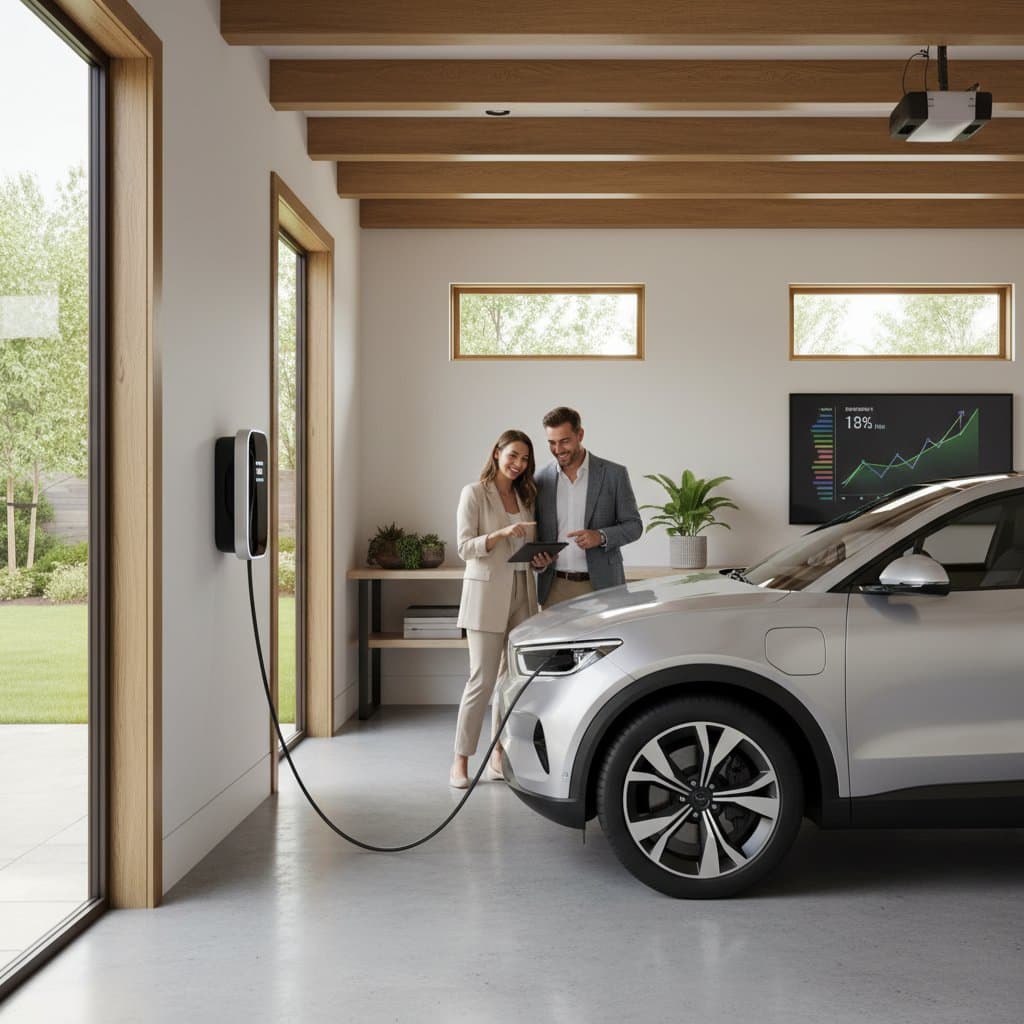
These units integrate with Wi-Fi for remote scheduling and usage tracking. They optimize charging during off-peak electricity hours. Tech-oriented or environmentally focused homeowners benefit most from this capability.
Portable Charger
Compact and plug-in based, portable units travel with the vehicle. They accommodate renters or those anticipating relocation. Versatility defines their primary strength.
Hardwired Charger
Permanently affixed for a streamlined appearance, hardwired installations suit outdoor environments. Long-term residents or those preparing for resale favor this durable option.
DIY Installation or Professional Service
Level 1 chargers require no more than plugging into an existing outlet, making them accessible without expertise.
Level 2 installations demand a new 240-volt circuit, including a double-pole breaker and secure grounding. Essential tools encompass wire strippers, conduit piping, a voltage tester, and a drill. The process spans 2 to 6 hours, varying by panel proximity.
DIY presents moderate to high complexity, with risks of electrical shock, fire hazards, or non-compliance with codes.
Engage a licensed electrician when:
- Installing a fresh circuit or breaker
- Dealing with a full or outdated electrical panel
- Positioning the unit outdoors
- Local regulations mandate permits
Professionals guarantee appropriate wire sizing, breaker capacity, and ground-fault circuit interrupter safeguards. This approach preserves manufacturer warranties and ensures safety.
Essential Installation Steps
- Assess electrical panel capacity to accommodate a 240-volt circuit.
- Choose a charger compatible with the vehicle's voltage and amperage requirements.
- Select a site within 15 to 20 feet of the parking area for convenience.
- Obtain necessary permits, as some jurisdictions demand pre-energization inspections.
- Route conduit from the panel to the installation location.
- Affix the charger to a wall or pedestal following manufacturer guidelines.
- Attach wiring securely, verifying grounding integrity.
- Conduct a test charge to confirm power delivery and charging speed.
- Label the breaker panel clearly for ongoing reference.
After completion, seal any wall openings and store tools properly to maintain a tidy workspace.
Upkeep and Durability
Monthly inspections should cover the charger cord and plug for signs of damage. Remove accumulated dust from ventilation areas. Prevent wire stress by avoiding tight coiling of cables.
Hardwired Level 2 chargers endure 8 to 12 years under normal conditions. Warranties from manufacturers generally span 3 to 5 years.
Annual checks of ground-fault circuit interrupters and safety features remain advisable. Promptly replace any compromised cords. Adhere to community electrical inspection timelines where applicable.
Alternative Charging Solutions
Enhanced 120-Volt Outlet
This represents the most budget-friendly home option. Charging proceeds slowly, fitting light-duty or hybrid applications.
Public Charging Membership
Eliminates home modifications but incurs recurring fees. Daily reliance proves less practical for routine use.
Solar-Integrated Carport
Involves substantial initial outlay yet generates renewable power. Ideal for sun-rich areas and committed long-term owners.
Community Shared Stations
Reduces individual expenses in multifamily settings. Scheduling conflicts may arise during peak hours.
Regional Considerations
Environmental conditions impact outdoor setups. Coastal installations benefit from corrosion-resistant materials and sealed enclosures. Cold-weather regions require units rated for sub-zero performance.
Municipal codes vary, specifying conduit specifications or emergency disconnects. Urban centers with robust electric vehicle ecosystems command premium labor fees yet offer abundant incentives. Rural locales provide cost savings alongside potential delays in professional availability.
Return on Investment and Market Impact
Equipping a home with an EV charger distinguishes listings in competitive markets. Real estate professionals note heightened buyer inquiries and accelerated sales timelines. Recent analyses indicate an average reduction of 10 days on the market for such properties.
Value recovery depends on local electric vehicle density. High-adoption zones often yield near-complete cost recoupment. Elsewhere, the primary gain lies in enhanced marketability. As electric vehicles proliferate, this amenity becomes a standard expectation in upscale residences.
Electrical Safety Protocols
EV chargers impose sustained electrical demands, underscoring the importance of precise setup. Select breakers and wiring matched to the load capacity. Extension cords pose hazards and should never be used.
Exterior installations necessitate weather-resistant housings and ground-fault protection. Maintain distance from water features or flammable materials. Comply with National Electrical Code Article 625 guidelines for electric vehicle equipment.
Frequently Asked Questions
How long does a home EV charger installation require?
The process typically lasts 2 to 6 hours, influenced by panel distance and permitting processes.
Is a Level 2 charger feasible in an older residence?
Yes, though panel enhancements or subpanels may prove necessary to manage the additional load.
Does an EV charger elevate electricity expenses?
It increases bills based on kilowatt-hour consumption. Scheduling charges during low-rate periods mitigates costs.
Will the charger accommodate upcoming vehicle models?
Standard connectors like J1772 ensure broad compatibility. Verify alignment with specific future vehicles.
Are permits required for EV charger setups?
Numerous localities mandate them for 240-volt additions. Consult the local building authority prior to commencement.
Positioning Your Property for Success
For imminent sellers, integrating an EV charger shortens market exposure and draws discerning buyers. Opt for a smart-enabled Level 2 model to maximize appeal. Solicit estimates from at least three certified electricians, verify permitting obligations, and align equipment with existing panel specifications.