Understanding the High ROI of Mudroom Conversions
Mudroom conversions offer homeowners a strong return on investment, recouping up to 92 percent of costs upon resale. These upgrades transform disorganized entryways into efficient spaces that enhance organization and overall home value. Such projects prove particularly beneficial for properties with high-traffic entrances, insufficient storage, or chaotic hallways.
Well-executed mudrooms appeal to buyers seeking practical family features. They contribute to a sense of order from the moment a visitor arrives. Homeowners who invest thoughtfully often see immediate improvements in daily functionality.
Breaking Down the Costs
A complete mudroom conversion generally ranges from $7,000 to $18,000. Many projects fall between $9,000 and $14,000 for standard features like built-in storage, benches, and resilient flooring. High-end options, including custom cabinetry or heated floors, may surpass $20,000.
Several factors influence the total expense. The size of the space or any necessary addition plays a key role. Choices in cabinetry, flooring, and potential plumbing or electrical work also affect the budget. Local labor rates further vary the final figure.
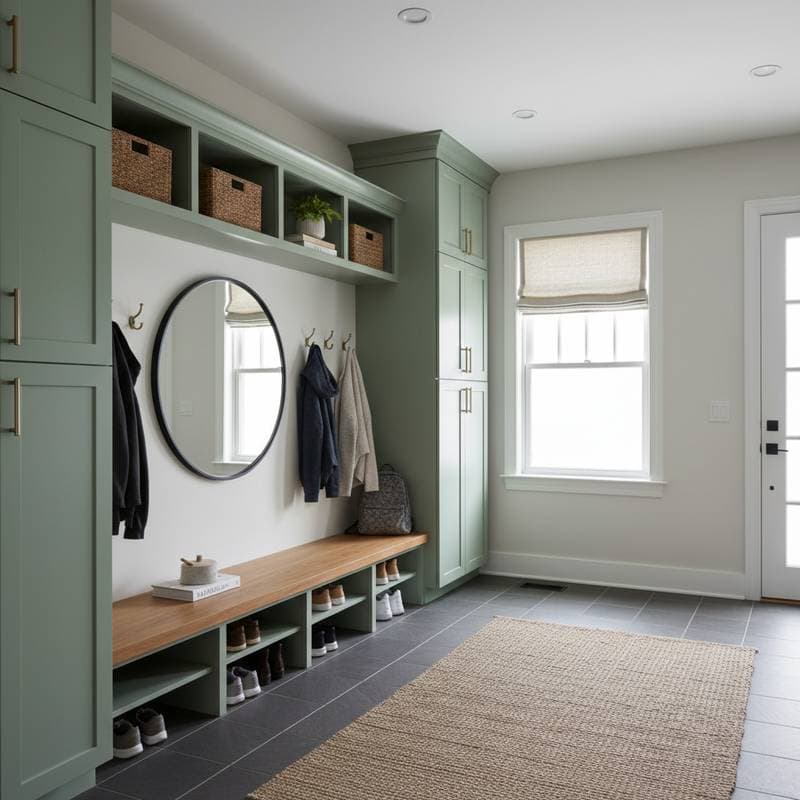
(Image idea: A before-and-after view of an entryway transformed into a mudroom, showcasing added storage and seating.)
Benefits and Drawbacks
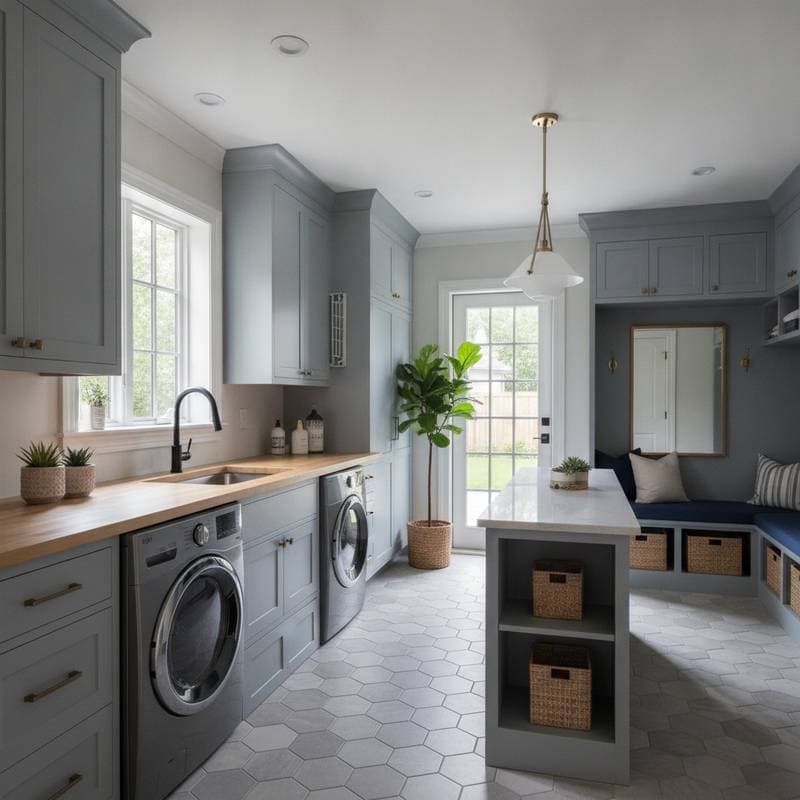
Mudroom conversions provide multiple advantages. They increase resale value and maximize usable space. Organized storage for coats, shoes, and bags keeps living areas tidy. These spaces also protect interior floors from daily wear and can serve as laundry or pet zones.
However, challenges exist. The project involves permanent alterations to the layout. Converting space from an existing room might diminish living areas. Custom elements drive up expenses quickly. Proper ventilation remains essential to avoid moisture problems.
Exploring Mudroom Conversion Options
Homeowners select from several conversion types based on their property and needs. Each approach balances cost, disruption, and customization potential.
Converted Entryway
This option suits existing front or back doors. It requires minimal structural changes and keeps expenses low. Focus on adding hooks, benches, and flooring for quick functionality.
Garage Transition Area
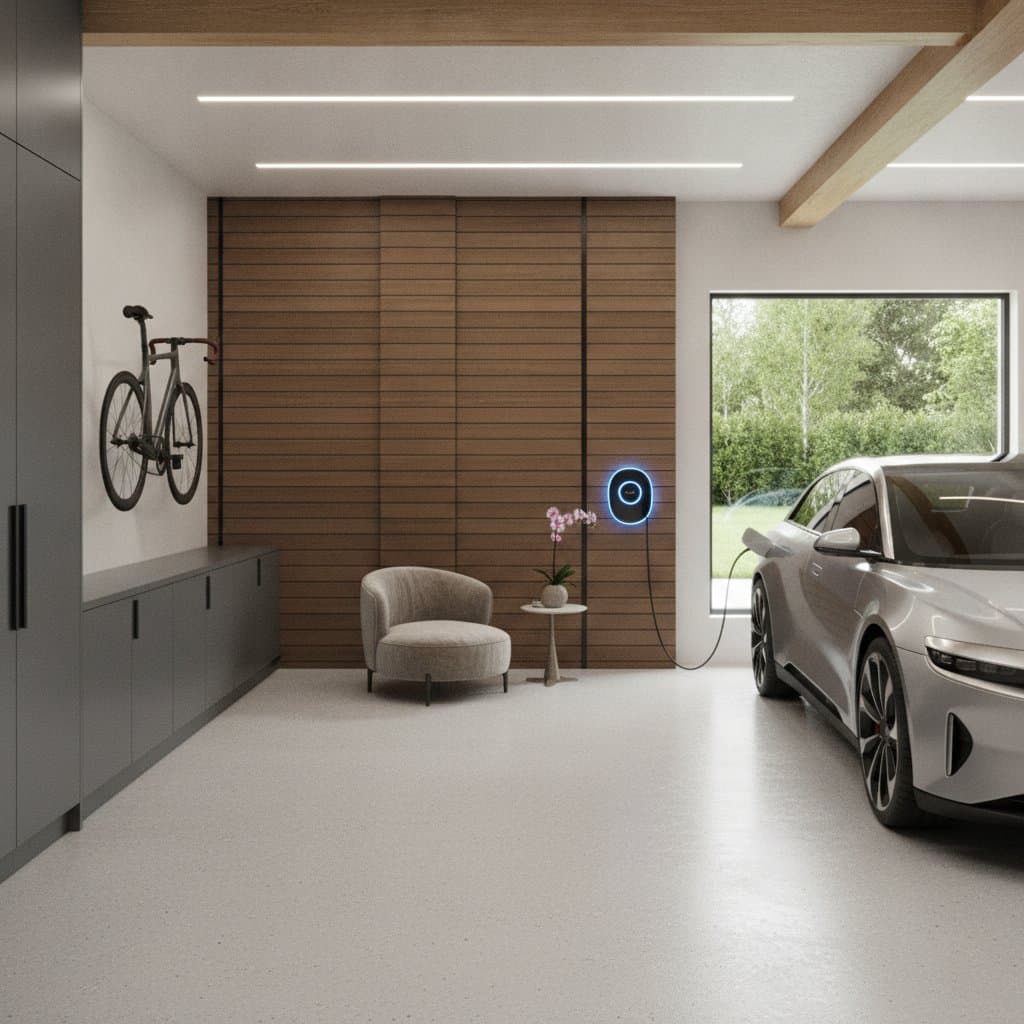
Repurpose a section of the garage adjacent to the home entrance. This setup works well for storing sports equipment or tools. Ensure clear pathways to maintain garage usability.
Bump-Out Addition
Extend the home with new square footage for a dedicated mudroom. While costs rise due to construction, this allows complete design freedom. Consider integrating windows for natural light.
Basement or Utility Conversion
Transform underused basement corners or utility rooms in older homes. Address moisture issues and improve lighting first. This method revives overlooked areas effectively.
DIY or Professional Installation
Mudroom projects range from simple to intricate. Confident individuals handle basic installations using stock cabinets and hooks. Such efforts typically demand 20 to 40 hours with tools like a level, drill, and saw.
Professionals excel in complex tasks, such as built-in cabinetry or tile laying. Engage licensed contractors for wall modifications, plumbing additions, or HVAC connections. They guarantee adherence to building codes and effective waterproofing.
Evaluate skills and project scope before deciding. DIY saves money but risks errors in structural work. Professionals deliver polished results with warranties.
Essential Steps for Mudroom Conversion
Follow these steps to guide the project from planning to completion.
- Measure the area precisely and sketch a storage layout that fits daily routines.
- Remove old trim, flooring, or obstacles to prepare the space.
- Construct any new walls, benches, or framing as required.
- Install electrical wiring or plumbing lines prior to enclosing surfaces.
- Lay durable flooring options like porcelain tile or luxury vinyl plank.
- Secure cabinets, shelves, and hooks at ergonomic heights.
- Apply paint or protective finishes to surfaces for simple upkeep.
- Incorporate adequate lighting fixtures and ventilation systems.
- Perform a thorough cleanup and test all installed elements.
Adapt these steps to the chosen conversion type. Consult local regulations early to avoid delays.
Long-Term Maintenance and Durability
Regular care extends the life of a mudroom. Clean surfaces weekly with mild soap to remove dirt buildup. Vacuum or sweep floors frequently to eliminate abrasive particles.
Inspect and repaint walls every five to seven years, or sooner if wear appears. Examine caulking around edges for signs of water intrusion. With consistent attention, built-in elements endure for decades.
Many materials include warranties of five to 15 years. Select products rated for high-traffic use to minimize replacements. Proper upkeep preserves both appearance and functionality.
Alternative Storage Solutions
Not every home requires a full conversion. Consider these options for simpler improvements.
- Closet Expansion: Add shelving to existing closets at a fraction of the cost. This provides targeted storage without major changes.
- Laundry Room Enhancement: Upgrade a nearby laundry space for dual-purpose use. Focus on utility integration rather than entryway focus.
- Freestanding Units: Install modular storage walls for flexibility. These require no permanent installation and allow easy reconfiguration.
Weigh these against full conversions based on budget and space constraints.
Regional Influences on Projects
Local conditions shape mudroom designs and costs. In colder climates, incorporate insulation and floor drains to handle snowmelt. Humid regions benefit from mold-resistant materials and dehumidifiers.
Coastal areas often mandate hardware that resists corrosion from salt air. Building codes vary; some locations require permits for any electrical or plumbing modifications. Research regional requirements to ensure compliance.
Consult local experts for tailored advice. These factors prevent costly adjustments later.
Prioritizing Safety in Conversions
Safety forms the foundation of any mudroom project. Assess structural integrity before altering load-bearing walls; hire engineers if needed. Install GFCI-protected outlets near water sources.
Seal joints thoroughly to block moisture penetration. Adhere strictly to local building and electrical standards. Disconnect power sources before working on fixtures.
Prioritize non-slip flooring and secure storage mounts. These measures protect users and maintain insurance coverage.
Launching Your Mudroom Project for Lasting Value
Begin by analyzing how your family uses entry spaces daily. Opt for timeless, durable materials that withstand heavy use. Obtain quotes from at least three licensed contractors to compare options.
A thoughtfully planned mudroom enhances comfort and efficiency immediately. It organizes chaos into streamlined routines. Upon resale, buyers appreciate the practical appeal, often recovering 90 to 92 percent of investment costs. Properties with family-oriented features command higher prices, while a welcoming entry leaves a positive lasting impression.