Hidden Walk-In Pantries Accelerate Home Sales by 15 Percent
Homebuyers seek features that combine practicality with elegance, and hidden walk-in pantries deliver exactly that. Properties equipped with these concealed storage solutions often sell up to 15 percent faster than comparable listings. This guide explores the appeal of hidden pantries, their impact on real estate markets, installation considerations, and strategies to maximize their value.
The Appeal of Hidden Pantries in Home Design
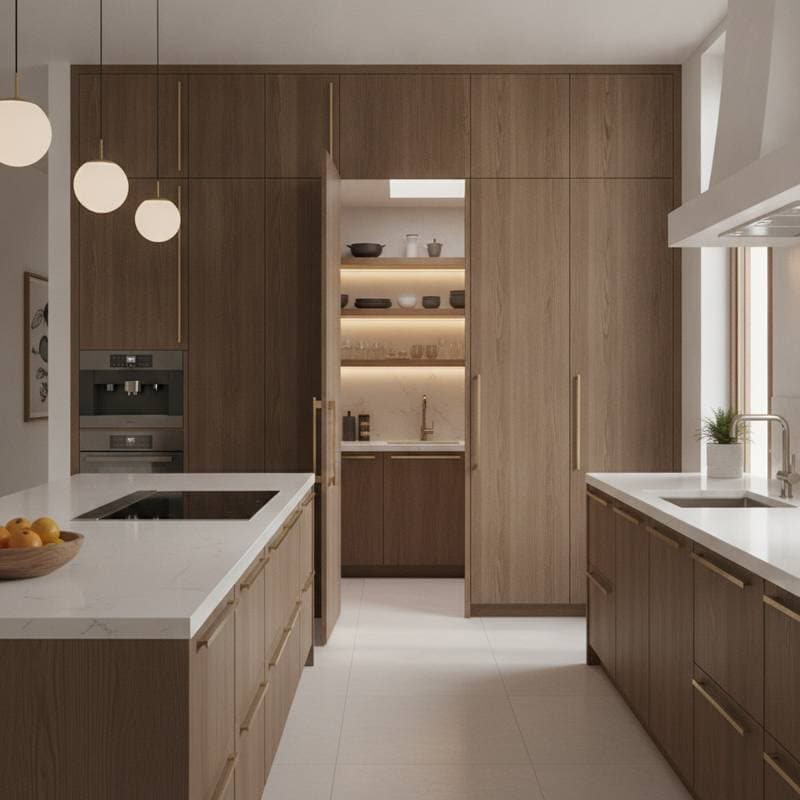
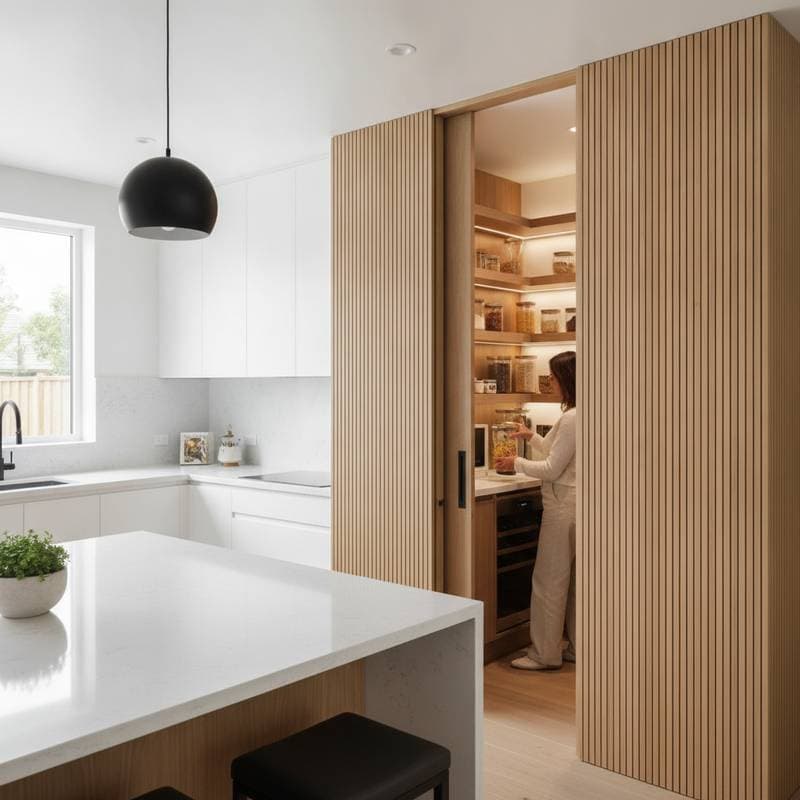
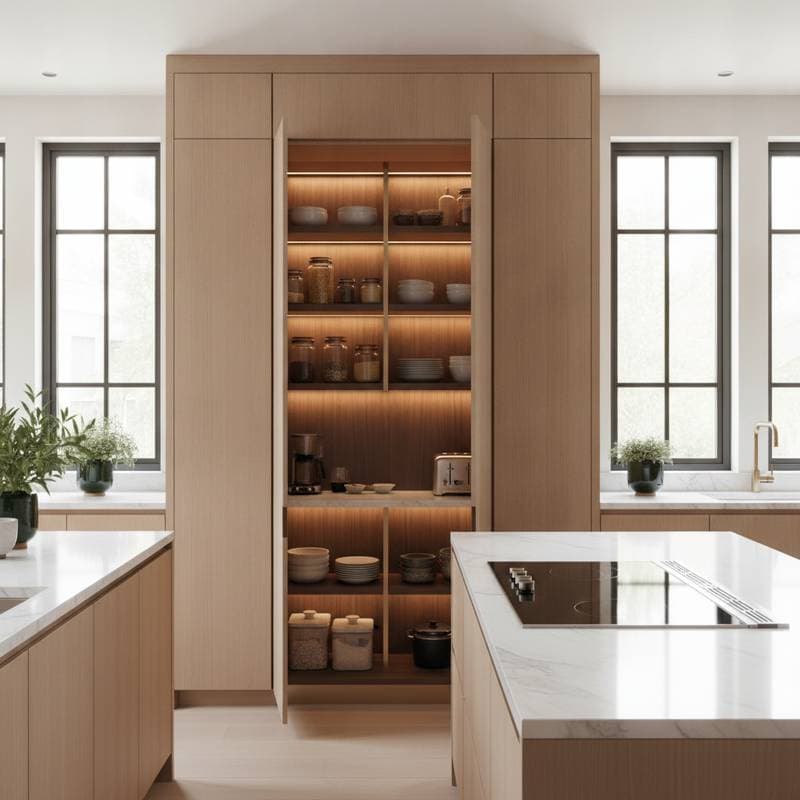
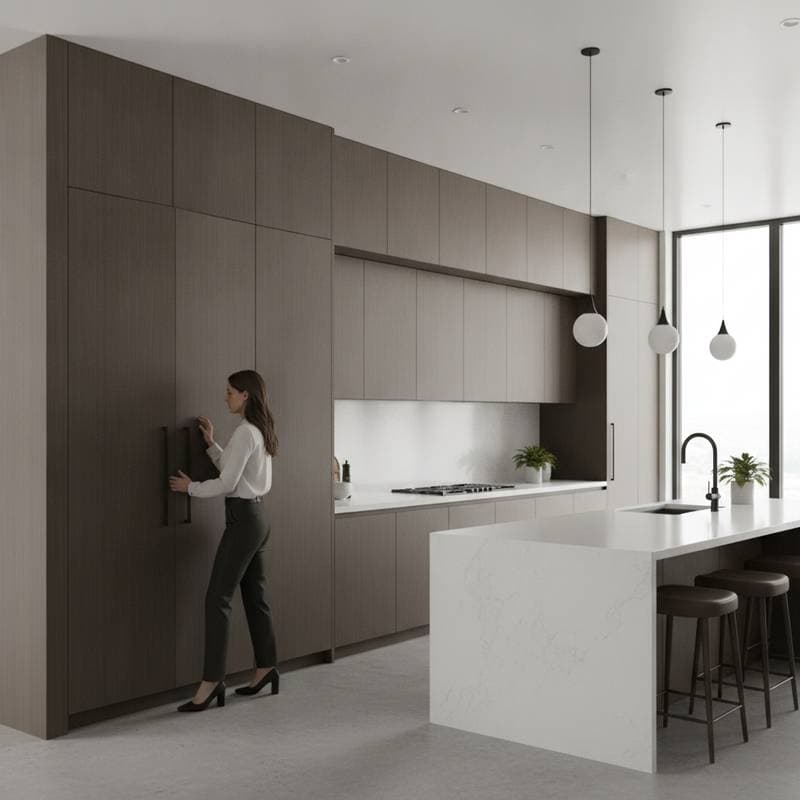
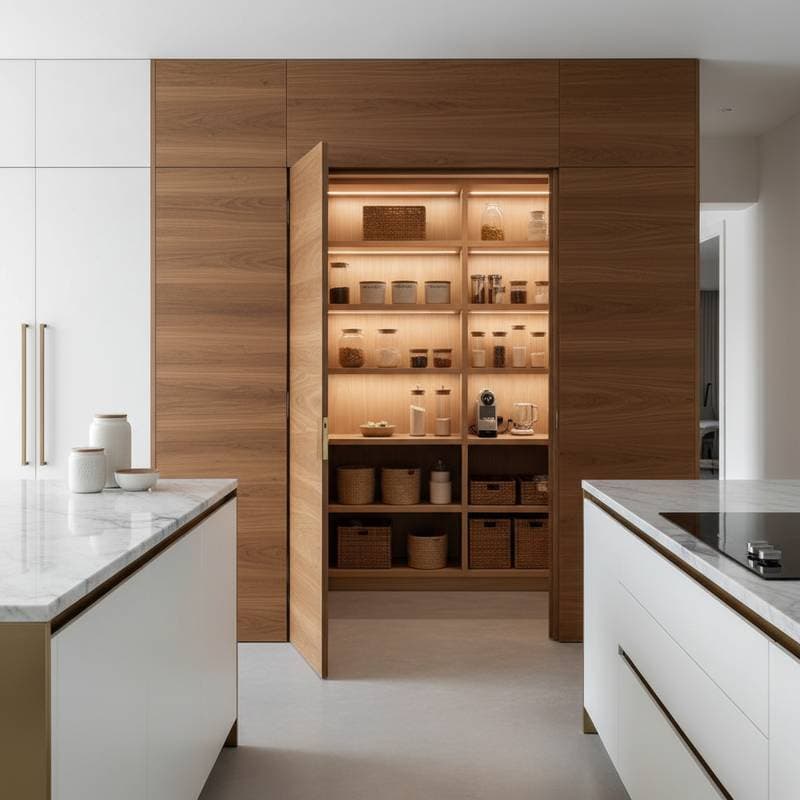
A hidden walk-in pantry functions as a discreet storage area, typically accessed through a cabinet door or sliding panel that blends seamlessly with the kitchen cabinetry. This design keeps pantry essentials like appliances, dry goods, and utensils out of view, maintaining a tidy and spacious kitchen appearance. Even during busy routines, the kitchen retains its serene aesthetic.
Prospective buyers appreciate this organized environment, which evokes a sense of calm and efficiency. The element of surprise upon discovering the hidden space adds a layer of sophistication, making the home feel bespoke and thoughtfully planned. Real estate professionals observe that such features shorten time on market and attract competitive bids, positioning the pantry as a high-return upgrade similar to a dedicated prep area but with less invasive construction.
How Hidden Pantries Drive Buyer Interest
Buyers view hidden pantries as enhancements to daily living and entertaining. Imagine preparing beverages or snacks in a dedicated space, then securing everything behind a door before guests arrive, resulting in pristine countertops. This setup promotes privacy and functionality without sacrificing visual appeal.
The design also expands the perceived size of the kitchen by eliminating visible clutter, creating an illusion of openness. During property tours, these pantries serve as standout elements that spark conversations and positive impressions. Agents highlight their photogenic quality in listings, which contributes to quicker sales and potentially higher offers.
Installation Costs and Budget Factors
Building a hidden walk-in pantry involves several components, each influencing the overall expense. The following table outlines typical costs for key elements in a standard project.
| Task | Typical Cost | Factors Influencing Price |
|---|---|---|
| Basic framed pantry with shelves | $2,000 - $4,000 | Dimensions, drywall quality, and shelving materials |
| Custom hidden door system | $1,000 - $3,000 | Cabinet finishes, hardware for concealment |
| Electrical and lighting | $300 - $800 | Quantity of outlets, type of fixtures |
| Optional plumbing for sink or beverage station | $500 - $2,000 | Proximity to existing lines, fixture specifications |
Overall project costs range from $3,000 to $9,000, depending on scope and location. Regional differences play a significant role; for instance, labor rates in metropolitan areas tend to elevate expenses, as do premium custom elements.
Elements That Increase Expenses
Structural modifications, such as relocating walls, demand additional engineering and materials. Incorporating plumbing or enhanced ventilation systems requires specialized labor and compliance checks. High-end finishes, like bespoke millwork, further raise the investment but enhance the luxurious feel.
Strategies to Control Costs
Leverage existing wall spaces to minimize framing needs. Opt for prefabricated shelving units over custom builds. Restrict additions like electrical outlets or sinks to essential functions, avoiding unnecessary complexities.
DIY Installation Versus Professional Services
When to Consider a DIY Approach
Individuals with experience in basic construction, such as framing or installing drywall, may handle simpler projects independently. Projects limited to shelving and non-electrical elements suit weekend efforts. Accept that minor finish inconsistencies might occur without professional tools.
When to Engage Professionals
Seamless integration of the hidden door demands precise carpentry to match existing cabinetry. Electrical installations, lighting, or plumbing necessitate licensed expertise for safety and functionality. For imminent home sales, a professional finish ensures compliance and broad appeal.
Contractors provide benefits like proper alignment, adequate airflow, and adherence to building codes. A skilled carpenter can replicate cabinet styles flawlessly, rendering the door nearly invisible when closed.
Considerations for Regional and Climate Variations
In regions with high humidity, such as coastal zones, select materials resistant to moisture. Plywood or metal shelving outperforms medium-density fiberboard, which may warp over time. Ensure ventilation to manage humidity from stored produce or heat-generating appliances.
Colder climates require insulation for pantries on exterior walls to prevent temperature fluctuations that affect food preservation. Consult local building codes early; permits often apply to electrical, plumbing, or structural alterations. Inspections may verify outlet installations or framing integrity.
Essential Safety and Compliance Guidelines
Disconnect power sources prior to any electrical modifications. Obtain engineering assessments before altering load-bearing walls. Store only non-hazardous items within the pantry to mitigate risks.
Adhere to guidelines for hinges and latches to ensure smooth operation. Maintain documentation of installations, particularly under warranty or ahead of sales, as buyers or inspectors may request verification.
Expert Recommendations for Optimal Design
- Design the entryway with a minimum width of 30 inches to facilitate comfortable access.
- Align finishes, including paint textures and trim details, with surrounding elements.
- Incorporate motion-activated lighting for convenience and energy efficiency.
- Install adjustable shelving to accommodate varying storage needs over time.
- Organize contents with labeled bins to sustain usability beyond initial setup.
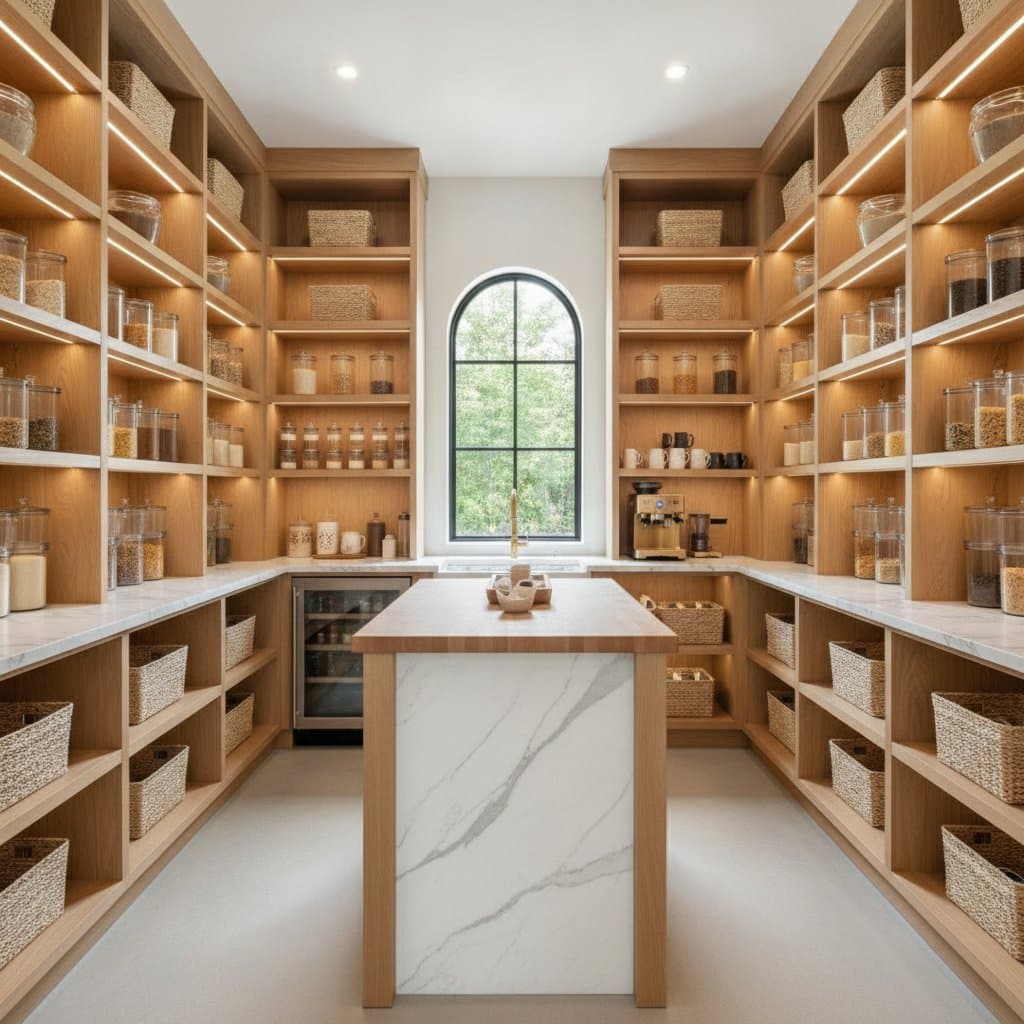
For staging purposes before a sale, arrange a few organized baskets and clear containers to demonstrate potential. Illuminate the space during viewings to highlight its features and invite exploration.
Frequently Asked Questions
What dimensions work best for a hidden walk-in pantry?
Target at least 4 feet by 5 feet for practical storage. Efficient shelving can make even compact areas feel ample.
Are hidden pantry doors equipped with locks?
Most designs forgo locks in favor of push latches or magnetic mechanisms, prioritizing a clean aesthetic.
Steps to Integrate a Hidden Pantry and Enhance Marketability
Begin by assessing your kitchen layout to identify suitable wall space. Consult a contractor for feasibility, especially if modifications involve utilities. Upon completion, emphasize the feature in listings to underscore its value in creating an organized, luxurious home environment. This addition not only streamlines daily tasks but also positions your property as a desirable, forward-thinking option in competitive markets.