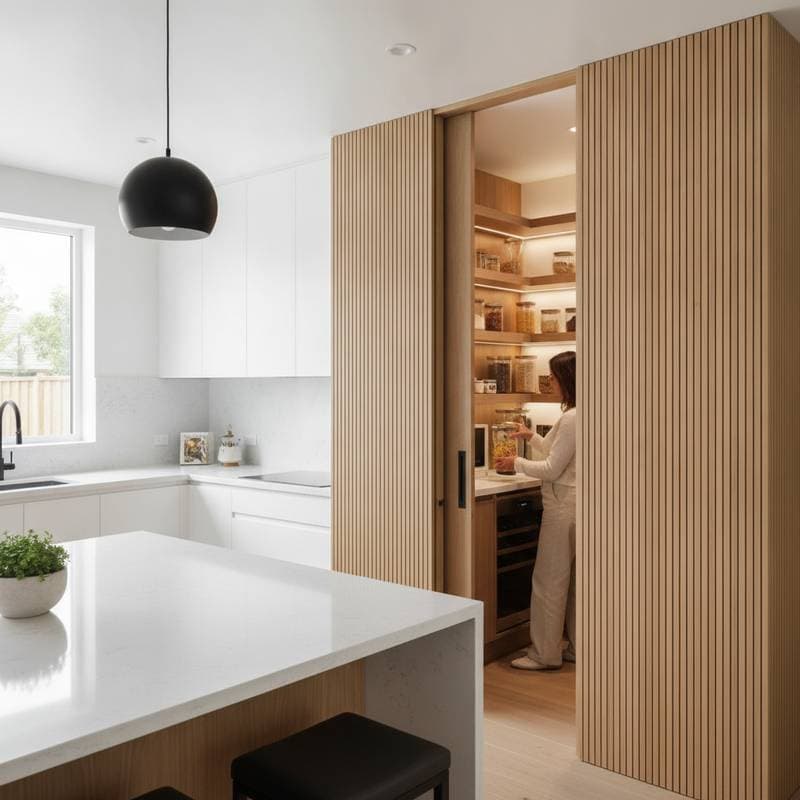
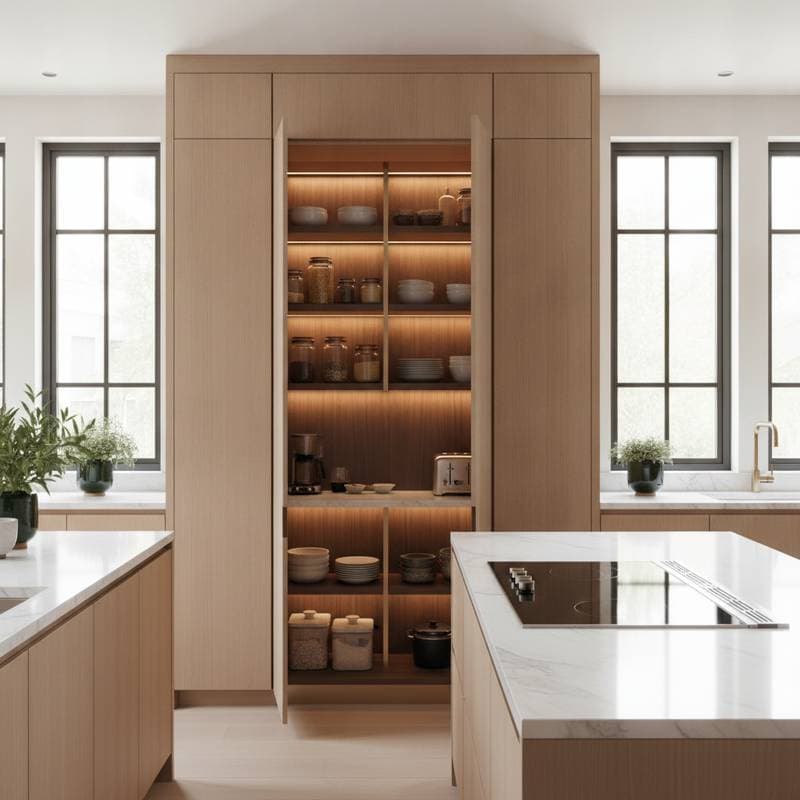
Introduction to Hidden Pantries
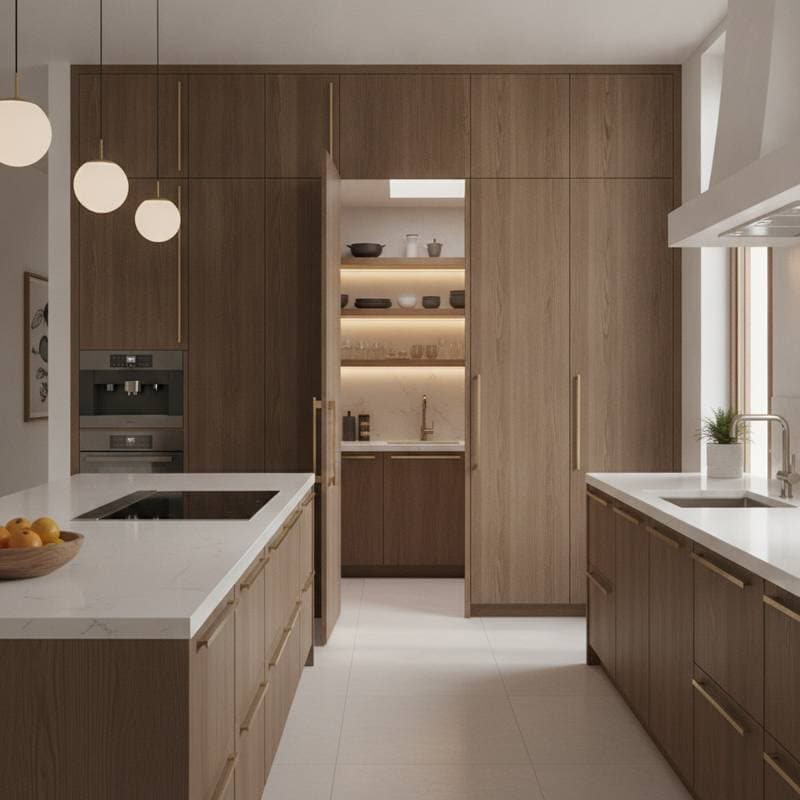
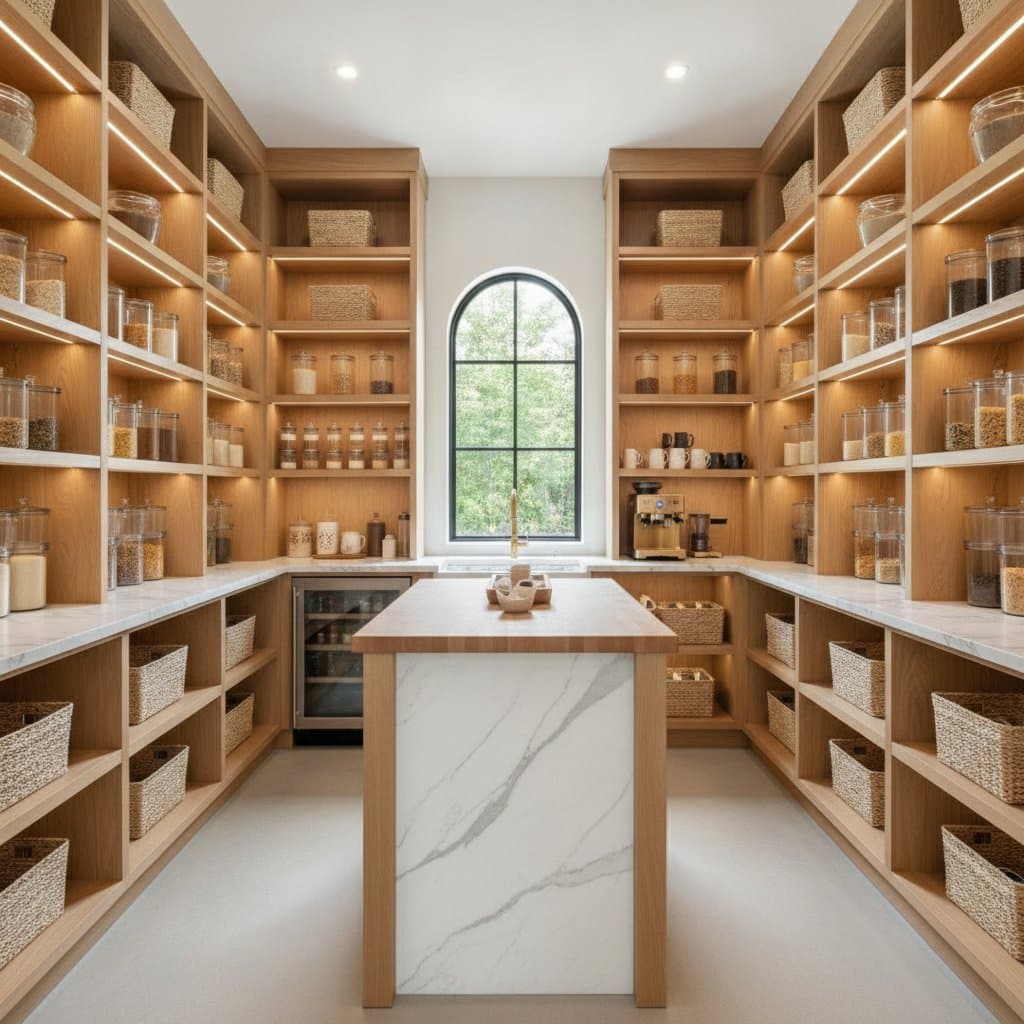
Hidden pantries represent a smart addition to modern kitchens. These concealed storage solutions maximize space without compromising aesthetics. Homeowners appreciate the organization they provide, while buyers value the seamless integration into the home's design.
The appeal lies in their versatility. A well-designed hidden pantry can accommodate bulk groceries, appliances, and utensils. Beyond functionality, it enhances the overall kitchen flow and contributes to a clutter-free environment.
Investing in one yields significant returns. Projections indicate an increase in home value by up to 18,000 dollars by 2026. With installation costs ranging from 7,000 to 14,000 dollars, the return on investment proves compelling.
Benefits and Return on Investment
Hidden pantries offer multiple advantages. They utilize underutilized wall or corner spaces effectively. This approach preserves counter space and maintains an open kitchen layout.
From a financial perspective, the ROI stands out. The average cost of 10,000 dollars can generate 18,000 dollars in added value. Factors such as location, materials, and craftsmanship influence this figure.
Longevity adds to the appeal. Quality installations last 15 to 25 years with proper care. This durability ensures the upgrade remains relevant through multiple homeownership cycles.
Buyers seek practical features in kitchens. A hidden pantry signals thoughtful design and ample storage. Real estate experts note that such elements can shorten selling times and elevate offers.
Costs Breakdown
Budgeting requires careful consideration. Basic models start at 7,000 dollars, including materials and labor. Mid-range options reach 10,000 dollars with enhanced features like lighting.
Premium builds exceed 14,000 dollars. These incorporate custom elements such as solid wood shelving and automated doors. Labor constitutes 40 to 60 percent of the total expense.
Hidden costs may arise. Electrical work adds 500 to 1,000 dollars if wiring proves necessary. Permits and inspections contribute another 200 to 500 dollars in urban areas.
To optimize spending, prioritize essential components. Focus on sturdy framing and reliable hardware first. Defer decorative finishes until the core structure proves sound.
How to Build or Upgrade a Hidden Pantry
Step 1: Measure and Plan
Begin by evaluating available space. Select a wall or corner adjacent to the kitchen with minimum 18 inches of depth. Use a tape measure to confirm dimensions accurately.
Locate structural elements. Identify stud positions with a finder tool and map any electrical or plumbing lines. Sketch a layout that includes door placement and shelf configurations.
Ensure accessibility. Plan for a 30-inch wide opening to allow easy entry. Account for items like canned goods or small appliances in your storage projections.
Step 2: Frame the Space
Prepare the area safely. Confirm the wall supports the addition without affecting load-bearing components. Consult building codes if modifications involve structural changes.
Install framing materials. Use 2x4 lumber for studs and a header above the door frame. Secure all pieces with nails or screws rated for interior use.
Create shelf supports. Position horizontal braces at desired heights, spacing them 16 to 24 inches apart. Verify levelness with a bubble tool to prevent sagging.
Step 3: Run Electrical
Incorporate lighting early. Opt for recessed LED fixtures or under-shelf strips for even illumination. Position them to highlight stored items without shadows.
Add smart features. Install motion-sensor switches near the entrance for hands-free operation. This enhances usability during meal preparation.
Engage professionals. Hire a licensed electrician to integrate with the home's circuit. They ensure compliance with safety standards and avoid overload risks.
Step 4: Install Drywall and Finish
Cover the framework. Cut drywall panels to fit precisely and secure with screws every 12 inches. Apply joint compound to seams and sand for a seamless surface.
Apply protective coatings. Choose semi-gloss paint for durability and simple cleaning. Select neutral tones to blend with existing kitchen cabinetry.
Add finishing touches. Install matching trim around edges and baseboards for a polished look. Caulk gaps to prevent dust accumulation.
Step 5: Add Shelves and Storage
Select appropriate shelving. Adjustable metal brackets suit flexible needs, while fixed wood offers stability for heavier loads. Depth varies: 10 inches for small items, 16 inches for larger ones.
Organize efficiently. Incorporate pull-out drawers for spices and wire baskets for produce. Label sections to maintain order over time.
Test load capacity. Place weights gradually to confirm stability. Adjust as needed to distribute pressure evenly across supports.
Step 6: Fit the Hidden Door
Choose concealment method. A cabinet front mimics surrounding units, while a bookcase panel adds decorative flair. Mirrors reflect light and expand perceived space.
Mount hardware securely. Use concealed hinges or pivots designed for the door's weight, typically 50 to 100 pounds. Align carefully to ensure smooth operation.
Finalize adjustments. Swing the door multiple times to check for binding. Apply paint or veneer last to avoid damage during handling.
Warning: Improper alignment leads to friction against floors or visible gaps. Fine-tune hinges prior to permanent finishes.
Skipping professional assistance on framing or electrical components risks inspection failures or delays in resale. Always verify qualifications and obtain necessary permits.
Maintenance and Warranties
Routine Care
Maintain cleanliness regularly. Wipe shelves every two months to remove dust and residues. Use a mild soap solution on non-porous surfaces.
Control environmental factors. Keep indoor humidity below 55 percent to safeguard wooden elements from warping. Employ a dehumidifier if needed in damp climates.
Update lighting components. Replace LED bulbs every three to five years for optimal brightness. Inspect connections during routine checks.
Examine hardware yearly. Tighten loose screws on hinges and slides. Lubricate moving parts with silicone spray for quiet operation.
What Fails First
Mechanical elements degrade quickest. Hidden door hinges and soft-close slides require attention every eight to 10 years. Early signs include squeaking or sticking.
Shelving holds up longer with proper use. Avoid exceeding weight limits, often 50 pounds per shelf. Reinforce as necessary to extend usability.
Electrical systems prove reliable. Failures stem from surges rather than age. Install surge protectors to mitigate risks.
Warranties
Coverage varies by provider. Carpentry work typically includes one to three years of protection. Materials like wood or hardware follow manufacturer terms.
Electrical installations carry separate guarantees. Electricians often offer one-year warranties on labor. Document all work with receipts and photographs.
For resale, retain records. Buyers appreciate proof of quality installations. This builds confidence in the home's maintenance history.
Extending Life
Prevent overloads. Adhere to specified weight capacities for shelves and doors. Distribute items evenly to minimize stress.
Protect surfaces periodically. Reseal wood edges with clear polyurethane every few years. This shields against moisture and wear.
Minimize damage. Place felt pads under bins and containers to avoid scratches. Secure lighting cords away from paths to prevent tripping hazards.
Regular inspections catch issues early. Address minor problems promptly to avoid costly repairs later.
Repair vs. Replace| Condition| Action| Reason|
|-----------------------|-----------|---------------------------------------------|
| Shelves sag or crack | Replace| Prevents collapse and potential injury|
| Door out of alignment | Repair| Provides a cost-effective, swift solution|
| Lighting failure| Replace fixture | Ensures safety without extensive rewiring|
| Mold or odor| Replace drywall and repaint | Halts spread and enhances air quality|
Evaluate repair costs carefully. If they surpass 30 percent of the initial investment, consider a complete rebuild. This approach refreshes the feature and improves marketability.
Piecemeal fixes disrupt functionality. A full replacement allows for modern upgrades, such as energy-efficient lighting or stronger materials.
Consult experts for assessments. They identify underlying issues, like moisture intrusion, that simple repairs overlook.
Good, Better, Best Choices| Level| Material| Features| Cost| Lifespan|
|----------|----------------------|-----------------------------------|-----------|-------------|
| Good | MDF shelves, laminate finish | Manual lighting| $7,000| 15 years|
| Better | Plywood, wood veneer | LED lighting, hidden door| $10,000| 20 years|
| Best | Solid wood, custom millwork | Motion sensors, insulated walls | $14,000+ | 25 years|
Select based on needs and budget. The good option suits basic storage demands. Better choices add convenience for frequent use.
Premium selections excel in durability and aesthetics. They integrate seamlessly with high-end kitchens.
Prioritize LED lighting with motion sensors regardless of level. This feature saves energy and improves everyday access.
Market Value and Buyer Appeal
Hidden pantries influence buyer decisions significantly. In competitive markets, unique storage solutions differentiate properties. Appraisers recognize their contribution to functional square footage.
Data from recent sales shows value additions of 15,000 to 20,000 dollars in mid-sized homes. Kitchens with concealed storage command premiums of five to seven percent.
Appeal spans demographics. Families value organization for busy lifestyles. Empty nesters appreciate the streamlined design.
Timing matters for maximum impact. Install before listing to showcase during showings. Highlight the feature in marketing materials to attract interest.
Sustainability enhances appeal. Use eco-friendly materials like reclaimed wood to align with green building trends. This resonates with environmentally conscious buyers.
Preparing for Installation
- Assess your space. Identify suitable locations by measuring unused areas near the kitchen.
- Set your budget. Allocate 7,000 to 14,000 dollars, factoring in potential extras.
- Decide your involvement. Manage painting and organization personally, but delegate framing and wiring to experts.
- Obtain quotes. Secure at least three estimates and review timelines.
- Source materials ahead. Hardware for hidden doors may face shortages; order promptly.
- Coordinate scheduling. Align with broader kitchen renovations to reduce labor costs.
- Document the process. Capture photos and retain warranties for future resale.
A hidden pantry transforms kitchen efficiency and elevates property worth. It delivers organization that endures, turning everyday routines into seamless experiences. Explore your options today to unlock this valuable upgrade.