Hidden Pantries Boost Home Sales and Buyer Appeal
Hidden pantries represent a sophisticated solution for modern kitchens, offering both functionality and aesthetic appeal. These concealed storage spaces keep essentials out of sight while maintaining a clean, streamlined look that attracts potential buyers. Homeowners who incorporate hidden pantries often report quicker sales and higher offers, as buyers appreciate the blend of luxury and practicality.
In competitive real estate markets, small upgrades like hidden pantries can differentiate a property. They address common pain points such as clutter and limited storage without sacrificing design. This article explores the advantages of hidden pantries, various design options, installation considerations, and their impact on property value.
Why Hidden Pantries Enhance Buyer Appeal
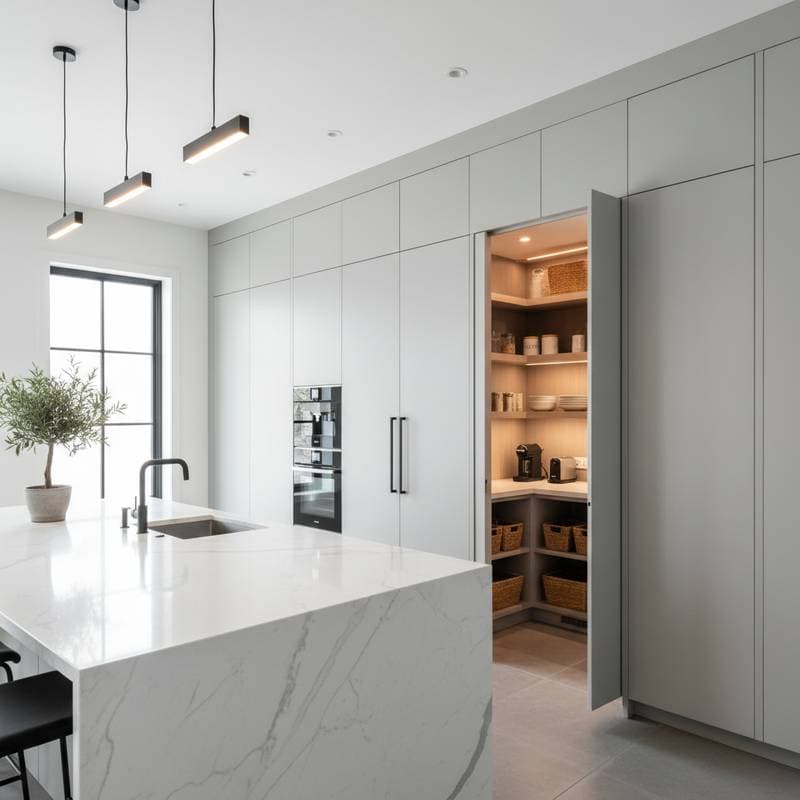
Buyers seek homes that feel organized and spacious from the moment they enter. A visible pantry door or open shelving can disrupt the flow of a kitchen, but hidden versions integrate seamlessly into cabinetry or walls. This subtlety conveys a sense of high-end customization, signaling that the home has been thoughtfully designed.
Real estate experts note that kitchens remain the heart of the home, influencing up to 80 percent of buying decisions. Hidden pantries contribute to this by maximizing usable space without altering the room's footprint. For families or entertainers, the added storage for appliances, dry goods, and serving ware proves invaluable, making the kitchen more versatile.
Properties with such features often command a premium. In recent market analyses, homes with innovative storage solutions sold 15 to 20 percent faster than comparable listings. The appeal lies in the promise of effortless organization, which resonates with busy professionals and growing households alike.
Types of Hidden Pantries for Every Home
Homeowners have several options when selecting a hidden pantry, each suited to different kitchen layouts and budgets. The choice depends on available space, desired capacity, and integration style.
Cabinet-Front Pantries
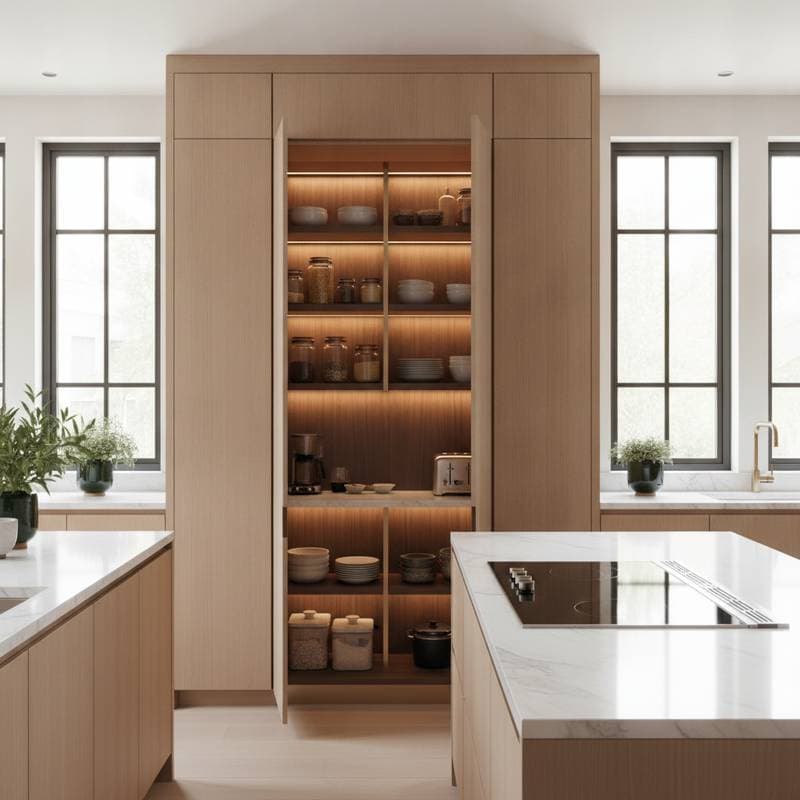
These pantries disguise storage behind matching cabinet doors, creating the illusion of additional counter space. Ideal for smaller kitchens, they fit into existing cabinet runs without requiring structural changes. Users access shelves or drawers by opening what appears to be a standard cabinet, keeping pantry items hidden from view.
This type works well in transitional designs, where clean lines matter. Materials like wood veneer or laminate ensure durability and easy maintenance. Capacity typically ranges from 10 to 20 cubic feet, sufficient for everyday staples.
Walk-In Hidden Pantries
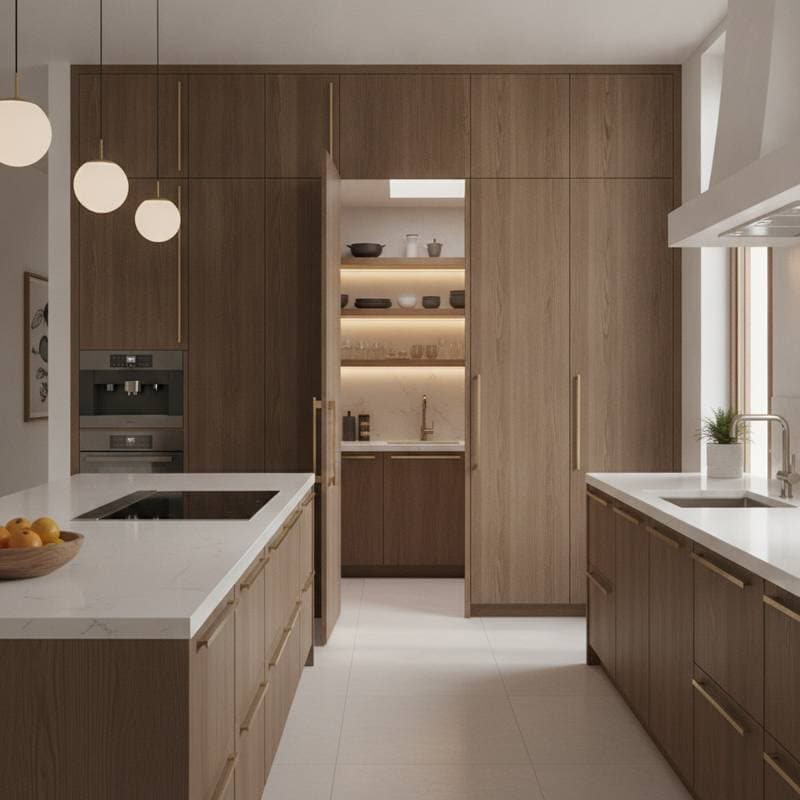
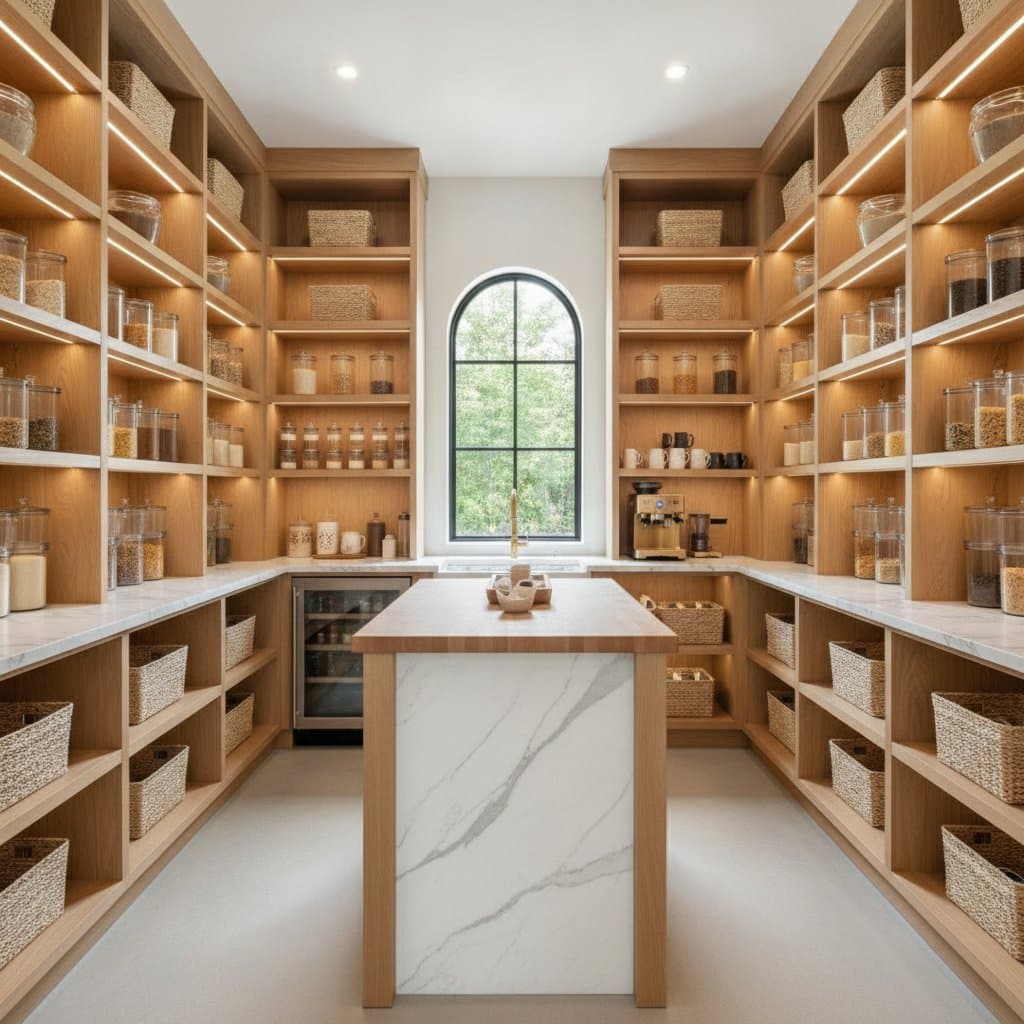
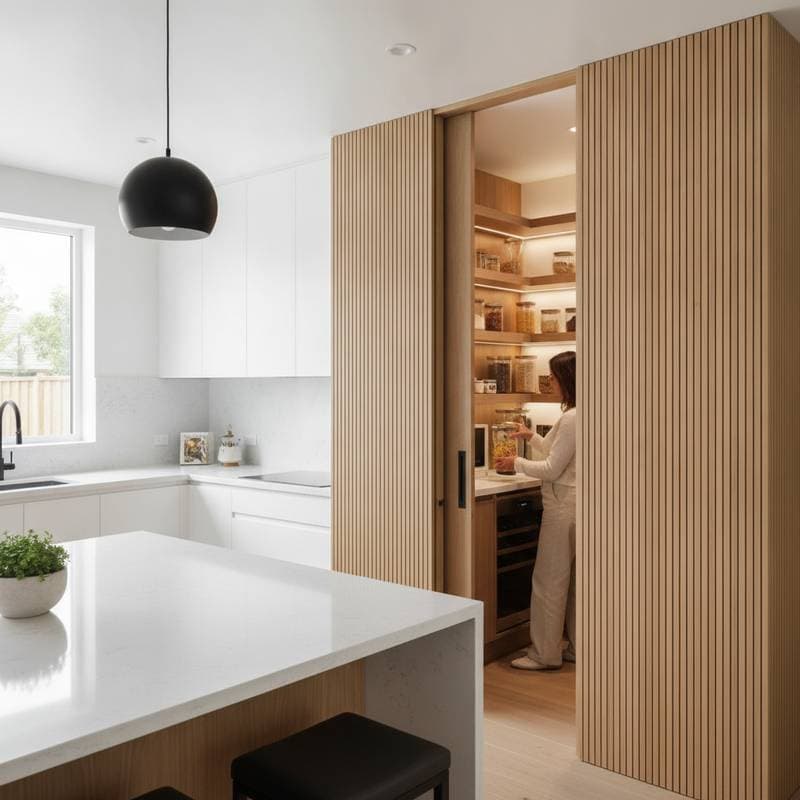
For larger kitchens, walk-in pantries offer expansive storage concealed behind sliding or pocket doors. These spaces can include custom shelving, pull-out bins, and even integrated lighting, turning storage into a functional room. Placement often occurs adjacent to the kitchen island or behind a wall panel for discretion.
Walk-ins provide the most flexibility, accommodating bulk items, small appliances, and seasonal goods. They enhance workflow by allowing quick access without cluttering main areas. In upscale homes, these pantries sometimes feature temperature controls for wine or perishables, adding a layer of luxury.
Appliance Garages and Nooks
A variation on hidden storage, appliance garages tuck away toasters, blenders, and mixers behind roll-up doors or tambour panels. These nooks maintain countertop clarity while keeping frequently used items handy. They suit minimalist aesthetics and pair well with open-concept layouts.
Design Tips for Seamless Integration
Effective hidden pantry design requires attention to detail to ensure functionality matches the home's style. Start by assessing kitchen traffic patterns and storage needs. Measure the space thoroughly to avoid overcrowding, and consider user height for optimal shelf placement.
Choose finishes that match surrounding cabinetry for a cohesive look. Neutral tones or subtle wood grains blend best, while hardware like soft-close hinges adds quiet operation. Incorporate adjustable shelving to adapt to changing needs, and add pull-out trays for heavy items to improve accessibility.
Lighting plays a crucial role in hidden spaces. Recessed LED strips illuminate contents without visible fixtures, preventing dark corners. Ventilation options, such as small fans, maintain freshness in enclosed areas. Consult with a designer early to align the pantry with overall kitchen renovations.
Cost Considerations and Budgeting
Installing a hidden pantry varies in expense based on size, materials, and complexity. Basic cabinet-front models start at $1,500, covering custom doors and internal organization. Mid-range options, including pull-out systems, range from $3,000 to $6,000, offering enhanced features like dividers and lazy Susans.
Walk-in pantries demand higher investment, typically $8,000 to $15,000 or more for full builds with electrical and plumbing if needed. Factors influencing costs include labor rates, which average $50 to $100 per hour, and material choices like solid wood versus engineered products. Homeowners should allocate 10 to 15 percent extra for unforeseen adjustments.
Return on investment proves favorable, with many recouping 70 to 90 percent through increased home value. Financing options, such as home equity lines, make upgrades accessible without straining budgets.
Pros and Cons of Hidden Pantries
Hidden pantries offer clear benefits but come with trade-offs worth evaluating.
Advantages
- Improved Aesthetics: They create a clutter-free kitchen that appeals to design-conscious buyers.
- Increased Storage: More space for organization leads to efficient use of the home.
- Value Addition: Enhances resale potential by modernizing the kitchen.
- Customization: Tailors to specific needs, from pantry staples to specialized storage.
Disadvantages
- Initial Cost: Upfront expenses can exceed those of traditional storage.
- Space Requirements: Larger designs may reduce open kitchen area.
- Accessibility Challenges: Concealed locations might slow retrieval for some users.
- Maintenance Needs: Enclosed spaces require regular cleaning to prevent dust buildup.
Balancing these factors ensures the pantry aligns with lifestyle and market goals.
DIY Versus Professional Installation
Ambitious homeowners might consider DIY for simpler cabinet-front pantries, using kits from home improvement stores. This approach saves on labor, costing $500 to $1,000 in materials. Essential tools include a drill, level, and measuring tape; follow manufacturer guides for secure mounting.
However, professional installation guarantees precision, especially for walk-ins involving framing or electrical work. Experts handle permits and code compliance, reducing risks like uneven doors or structural issues. For complex projects, hiring a contractor ensures longevity and warranty coverage.
Assess skill level before deciding. DIY suits minor updates, while pros excel in custom integrations that boost overall home appeal.
Maximizing Resale Value Through Strategic Upgrades
To leverage hidden pantries for sales success, time the installation before listing the property. Highlight the feature in staging with organized, staged contents that showcase capacity. Real estate agents recommend virtual tours emphasizing the pantry's role in daily life.
Combine with other kitchen enhancements, such as quartz countertops or smart appliances, for compounded appeal. Market data shows that organized kitchens correlate with offers 5 to 10 percent above asking price. This upgrade not only sells homes faster but also creates lasting buyer satisfaction.
Homeowners investing in hidden pantries position their properties as turnkey solutions in a market favoring convenience and style. The result is a kitchen that functions beautifully while captivating prospective owners from first glance.