
Hidden Pantries: Elevating Kitchen Value in 2026
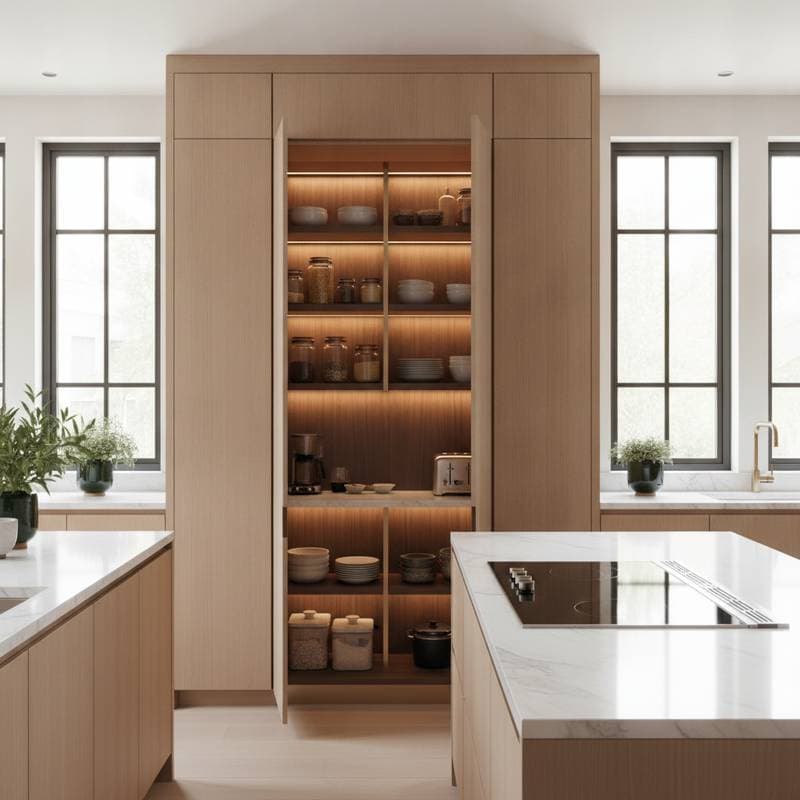
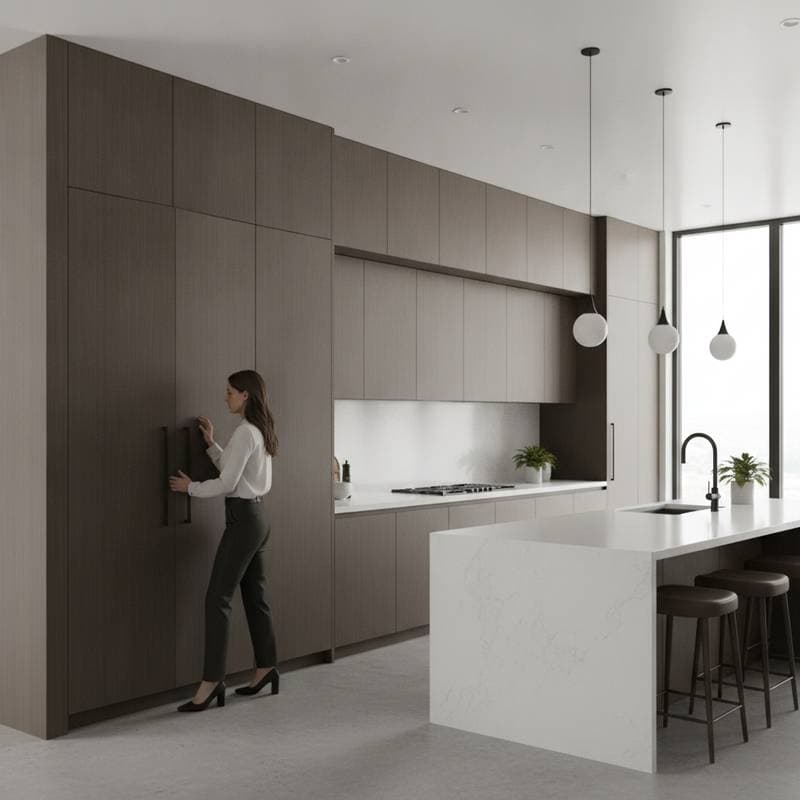
A hidden pantry provides additional storage space while preserving the sleek appearance of your kitchen. This addition enhances resale value, minimizes countertop disarray, and streamlines meal preparation. Homeowners who incorporate these elements often report improved daily efficiency and a more inviting cooking environment.
Average cost: $6,500 for a standard hidden pantry installation, with ranges from $4,000 to $18,000 based on dimensions, configuration, and surface treatments.
Factors Influencing Costs
Multiple elements determine the overall expense of installing a hidden pantry. Understanding these components allows for precise budgeting and informed decision-making from the outset.
Size and Entry Configuration
- Compact units measuring 3 by 5 feet, concealed behind existing cabinetry, generally cost between $4,000 and $6,000.
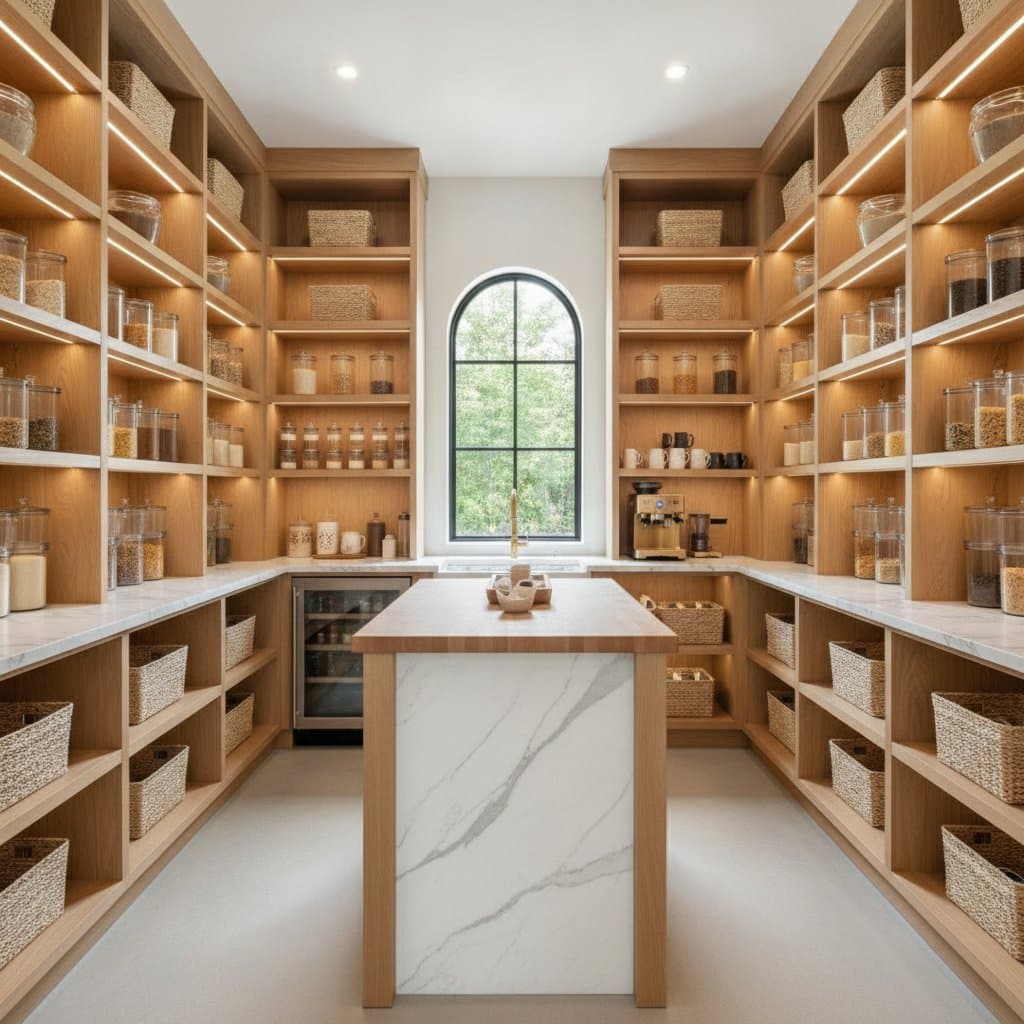
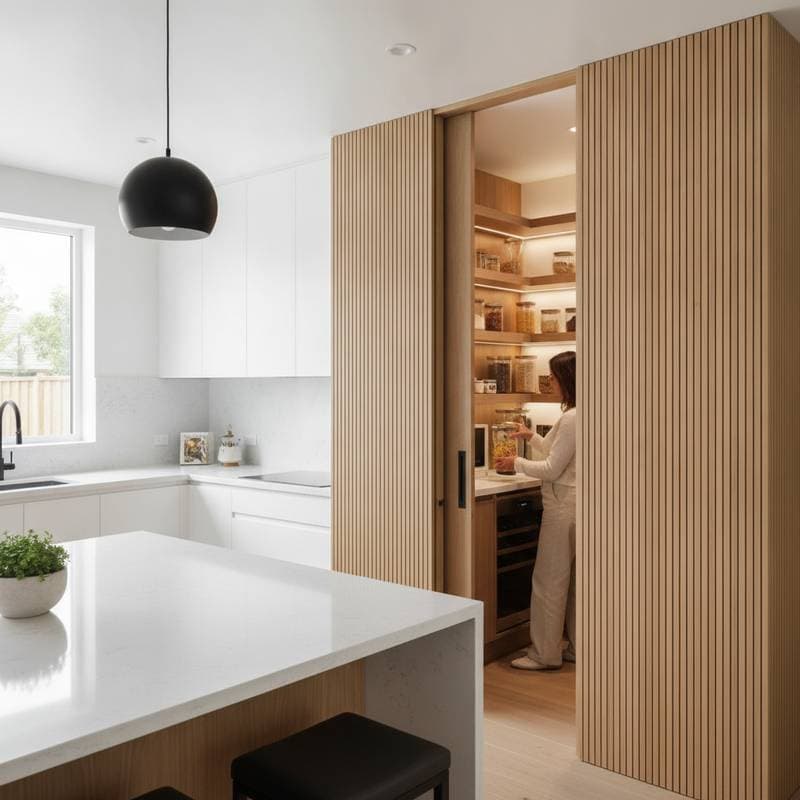
- Larger walk-in options featuring pivot doors or sliding panels range from $10,000 to $18,000, accommodating extensive shelving and access needs.
Material Choices and Surface Treatments
- Options such as medium-density fiberboard (MDF) or painted plywood offer affordability, though they may expand in humid conditions.
- Premium selections like solid wood or laminated surfaces provide greater durability and resistance to wear.
- Incorporate an additional $600 to $1,200 for features including soft-close mechanisms and hidden hinges to ensure smooth operation.
Door Systems and Hardware
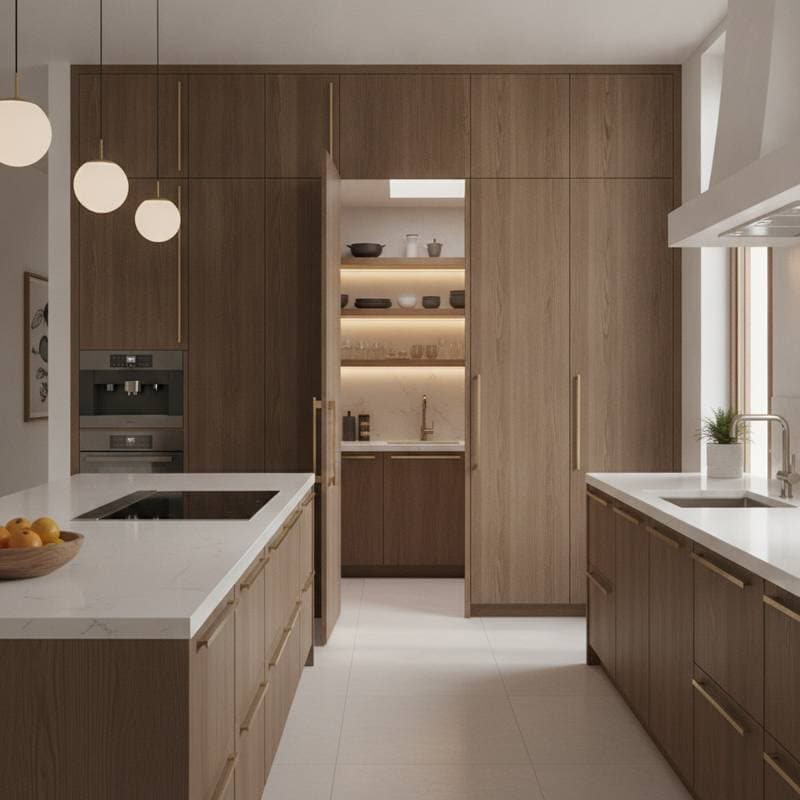
- Entry doors camouflaged as standard cabinet fronts begin at approximately $1,200, blending seamlessly with surrounding elements.
- Advanced pivot or sliding mechanisms contribute $800 to $2,500, varying with dimensions and the inclusion of counterbalance hardware for effortless use.
Illumination and Electrical Integration
- Install LED strip lights paired with motion-activated sensors for $300 to $800, illuminating contents without manual intervention.
- Adjustments to outlets or wiring, particularly those involving wall modifications, may add $500 to $1,500 to the total.
Regulatory and Structural Requirements
- Non-invasive retrofits often bypass permitting, yet alterations to structure or electricity typically necessitate approval.
- Allocate $300 to $800 for inspection processes and preliminary design evaluations to comply with local standards.
Preparation and Cleanup
- Account for $200 to $400 in expenses related to debris disposal and subsequent drywall patching when altering current walls.
Professional Installation Versus DIY Approaches
Viability of Do-It-Yourself Projects
Experienced individuals may handle straightforward tasks such as installing shelving or applying trim finishes. However, elements like framing, electrical modifications, and door integration demand specialized carpentry skills and familiarity with building codes.
Potential Challenges with DIY Efforts
- Improper door alignment risks exposing the pantry's presence, compromising its concealed design.
- Inadequate airflow can lead to moisture accumulation, potentially spoiling pantry items.
- Interventions in load-bearing walls pose risks of structural compromise if not executed correctly.
Indicators for Engaging Professionals
Opt for a licensed contractor if the project requires relocating plumbing or electrical components, incorporates custom pivot doors or cabinetry, or aims to maximize resale potential through code-compliant construction. Professional involvement incurs labor fees of $60 to $120 per hour, yet safeguards against liabilities and upholds property standards.
Upkeep and Coverage Options
Projected Durability
A properly constructed hidden pantry endures for 20 years or longer. Components such as hinges and lighting fixtures might require attention every 5 to 10 years to maintain performance.
Ongoing Care Practices
Clean hinges and door frames on a monthly basis to avoid dust accumulation. Inspect LED fixtures yearly, replacing any that dim or fail. Apply touch-up paint or recaulk seams as needed to address minor shifts from environmental changes.
Essential Warranty Considerations
Seek coverage for cabinet hardware spanning 5 to 10 years on soft-close features. Door systems vary from 1 to 5 years by producer. Contractor guarantees for labor typically extend at least one year, as mandated by most regional regulations.
Indicators of Issues
Doors that bind suggest hinge adjustments or subtle settling in the foundation. Lingering odors of dampness signal ventilation deficiencies or water penetration. Addressing these promptly prevents escalation to costly repairs involving drywall or millwork.
Practical Steps to Implement Your Hidden Pantry
- Assess Available Space: Locate a suitable wall or adjacent closet connected to the kitchen area. A minimum 3-by-5-foot section suffices for effective storage capacity.
- Develop a Detailed Plan: Outline shelving depths, placement of lights, and door movement patterns. Ensure pathways measure at least 30 inches for ease of navigation.
- Establish Financial Parameters: Include a 10 to 15 percent buffer for unforeseen expenses, particularly in established residences.
- Solicit Multiple Proposals: Evaluate bids focusing on labor rates, material specifications, and projected durations. Inquire about expertise in structural and electrical aspects.
- Anticipate Regulatory Steps: Contact your municipal building authority to identify permitting requirements.
- Procure Supplies in Advance: Secure hardware and panels early to mitigate delays in project scheduling.
- Organize Temporary Storage: Transfer pantry essentials into sealed containers during the build phase to prevent exposure to construction dust.
Hidden pantries integrate practicality with aesthetic enhancement, delivering a cohesive and functional kitchen space. Select from discreet cabinet-integrated access or expansive walk-in designs, always prioritizing meticulous planning and expert assistance where appropriate. Regular upkeep ensures sustained performance, resulting in an environment that supports organized, stress-free culinary routines.