Hidden Walk-In Pantries Accelerate Home Sales by 15 Percent
Hidden walk-in pantries emerge as a key feature that propels home sales forward. Real estate professionals observe that properties equipped with these discreet storage solutions sell approximately 15 percent faster than comparable listings without them. This enhancement combines aesthetic appeal with practical utility, concealing everyday clutter while highlighting superior craftsmanship.
Buyers appreciate the seamless integration of form and function. These pantries transform kitchens into organized havens, appealing to those who seek efficiency without visual disruption. As a result, they often tip the scales in competitive markets, encouraging swift purchase decisions.
The Appeal of Hidden Walk-In Pantries in Home Sales
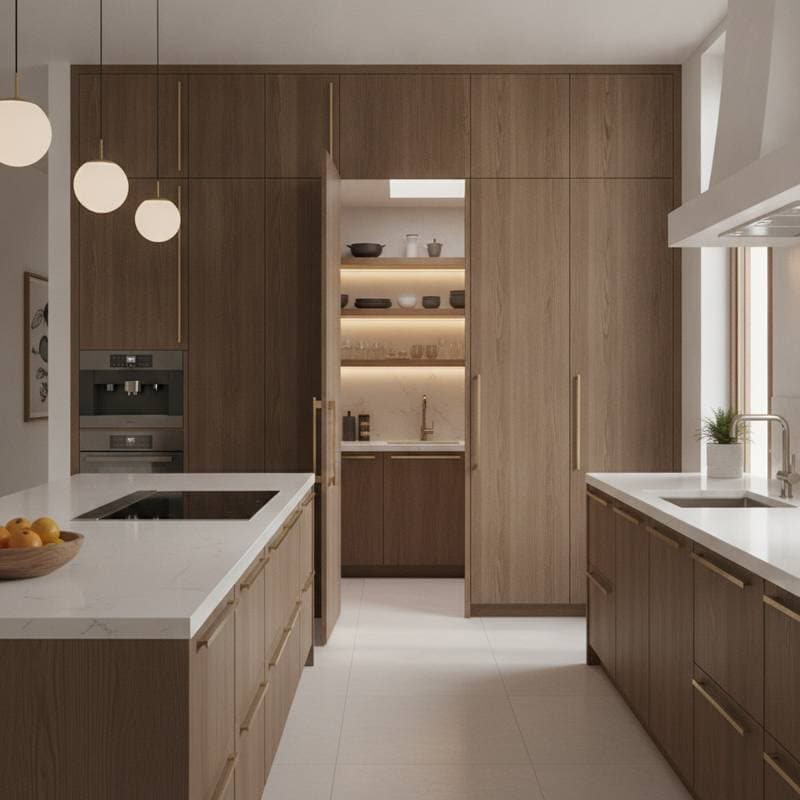
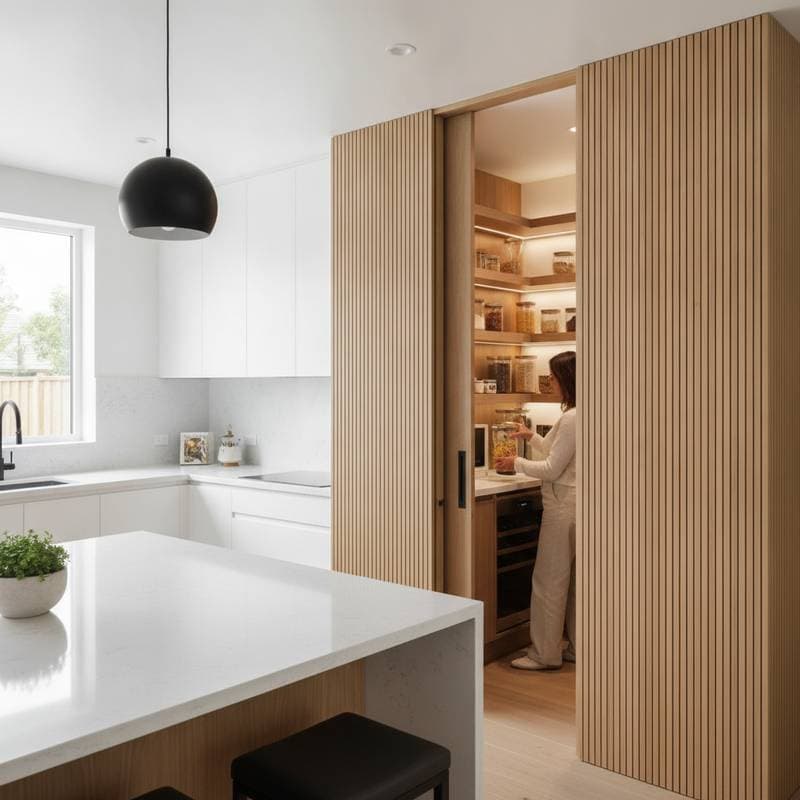
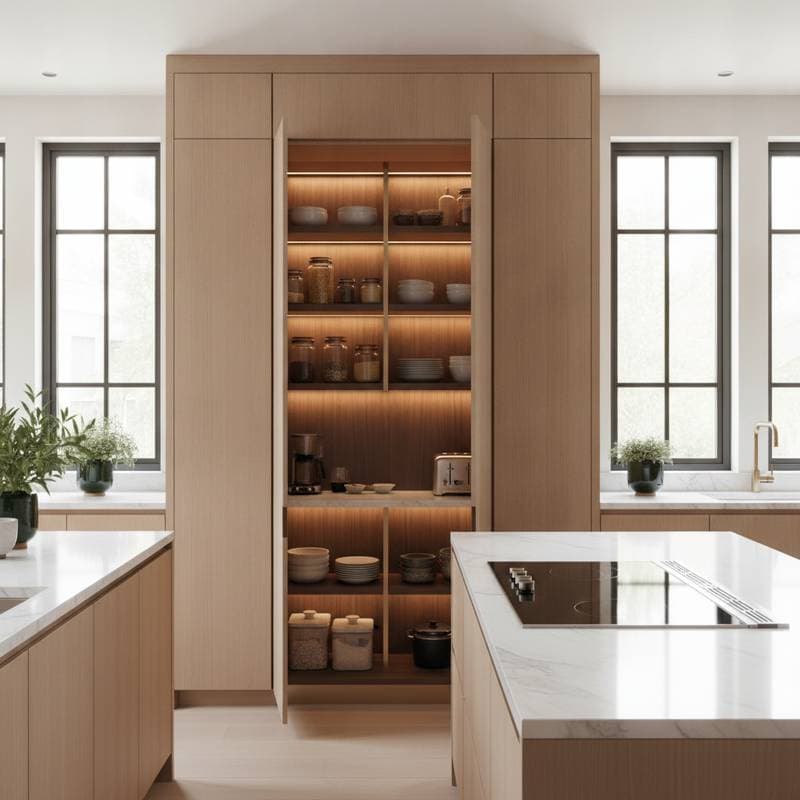
Hidden walk-in pantries address dual challenges in modern kitchens: maintaining a tidy appearance and providing ample storage. Homebuyers frequently encounter kitchens overwhelmed by visible disarray, yet they desire spaces that accommodate their lifestyles. Upon revealing a concealed pantry through a subtle cabinet door, the discovery evokes a sense of thoughtful design and hidden potential.
Kitchens serve as the heart of the home, where families envision meals, gatherings, and routines. A hidden pantry conveys an understated message of organization that aligns with these aspirations. This subtle sophistication influences buyer perceptions, fostering immediate emotional connections that expedite sales.
Design and Functionality of Hidden Pantries
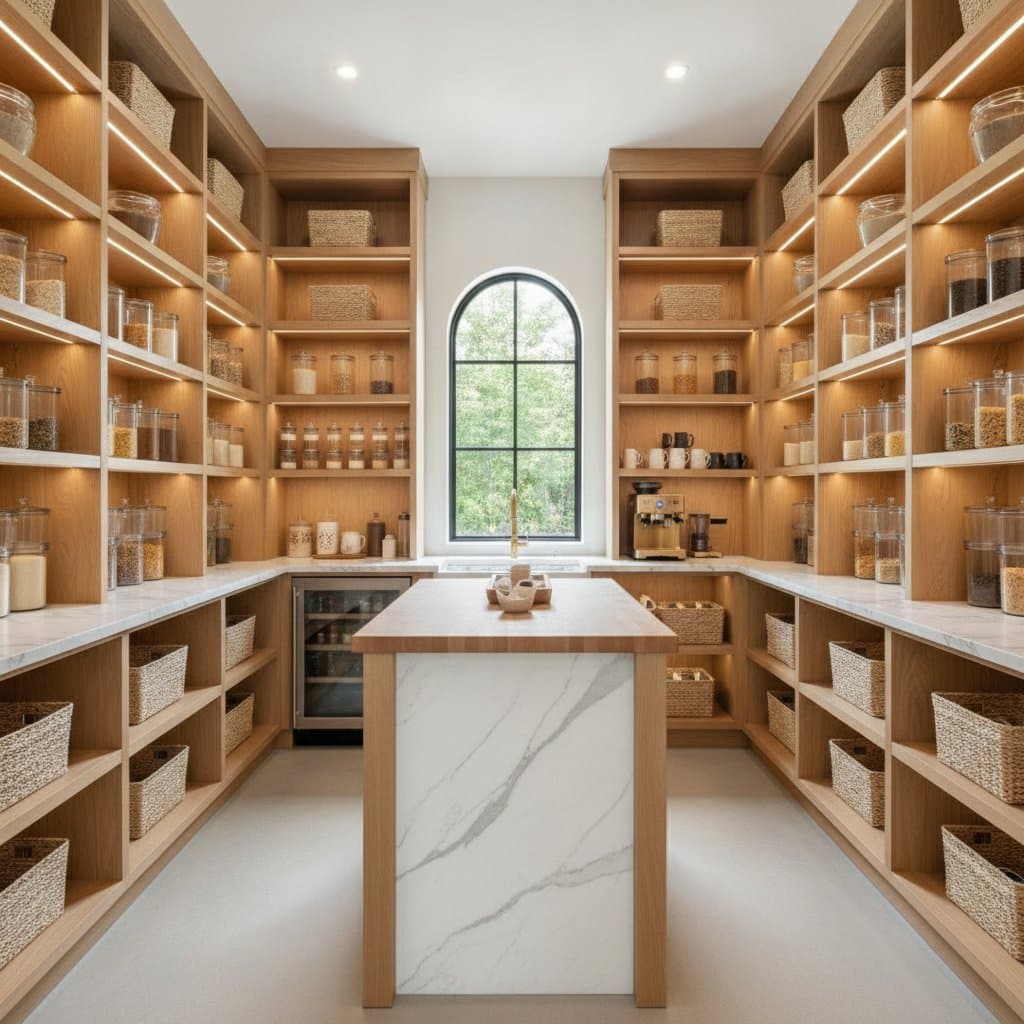
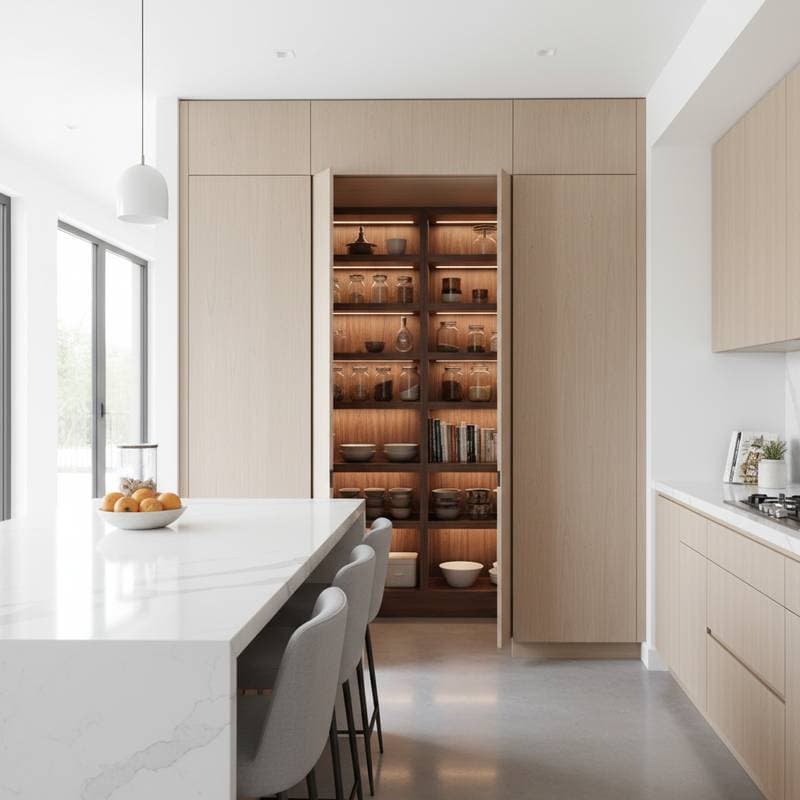
A hidden pantry integrates flawlessly with surrounding cabinetry, its entrance camouflaged as an ordinary panel or section of wall. Internally, it offers expansive shelving, dedicated lighting, and occasionally a built-in preparation surface. This configuration supports the storage of dry goods, utensils, and bulk items without encroaching on primary kitchen areas.
Advanced designs incorporate compartments for small appliances, such as blenders or toasters, ensuring countertops remain uncluttered. This arrangement not only enhances daily usability but also optimizes visual presentation in real estate photography, making listings more attractive to prospective buyers.
Guide to Installing a Hidden Walk-In Pantry
Installation begins with precise planning to ensure the pantry fits the available layout. Allocate space measuring at least three feet by five feet for a compact yet functional unit; greater dimensions allow for additional shelving tiers and accessibility.
Select an entry method that preserves the kitchen's cohesive look, such as a cabinet door with matching veneer or a discreet sliding panel. Frame the interior structure using standard drywall and insulation to create a durable enclosure. Incorporate electrical wiring during this phase if lighting or outlets are planned.
Equip the space with adjustable shelving systems, opting for solid wood planks or reinforced wire baskets capable of supporting 50 pounds per shelf. Finish the exterior to mirror adjacent cabinets, employing concealed hinges and handle-free mechanisms for a streamlined appearance. Integrate LED lighting fixtures, including motion-activated options, and ventilation elements like subtle exhaust fans to maintain air quality.
- Measure the designated area thoroughly, accounting for door swing and internal clearance.
- Determine the entry design, ensuring it aligns with existing cabinet styles.
- Construct the frame, securing it to wall studs for stability.
- Apply drywall and insulate as required, then wire for electricity.
- Install and customize shelving to suit storage needs.
- Seal and paint the interior and exterior for a professional finish.
- Test functionality, including door operation and lighting response.
Essential Tools and Materials
Gather these items to execute the project efficiently:
- Tape measure and spirit level for accurate alignments.
- Stud finder to locate secure mounting points.
- Power drill with assorted bits and screws for assembly.
- Drywall sheets, joint compound, and matching paint.
- Shelving components, such as pre-cut boards or modular wire units.
- Concealed hinges, magnetic latches, or sliding hardware.
- LED light strips with installation clips and power supply.
- Ventilation grille or compact exhaust fan.
Most tools are available for rent at hardware suppliers, minimizing upfront investment for occasional users.
Project Cost Analysis
Budgeting requires consideration of local material prices and labor rates. The following outlines typical expenses:
| Component | Estimated Cost Range | Influencing Factors |
|---|---|---|
| Framing and Drywall | $400 to $900 | Extent of structural modifications and electrical integrations |
| Shelving Installation | $200 to $700 | Selection of materials and quantity of units |
| Custom Door and Cabinetry | $800 to $2,500 | Degree of customization and quality of finishes |
| Lighting and Ventilation Systems | $150 to $400 | Complexity of wiring and fixture types |
| Professional Labor | $1,000 to $3,000 | Regional wages and overall project duration |
Overall, anticipate spending between $1,500 and $5,000 for a standard installation. Individuals undertaking framing and finishing tasks independently can reduce costs by nearly 50 percent.
Timeline for Completion
A complete installation typically spans three to seven days, encompassing framing, assembly, and curing periods for paints and adhesives. Opting for prefabricated door kits can compress this to two or three days. Projects involving bespoke cabinetry may extend beyond a week due to fabrication and delivery timelines.
Breakdown includes one day for measurements and framing, two days for interior build-out, and the remainder for finishing touches. Allow buffer time for unexpected adjustments, particularly in older homes with irregular layouts.
Deciding Between DIY and Professional Installation
Opt for a do-it-yourself approach if you possess foundational carpentry skills and the project avoids complex electrical components. This method suits those aiming to control expenses while gaining hands-on experience in home improvement.
Engage a professional for installations requiring precise electrical work, intricate custom doors, or seamless integration with premium cabinetry. Experts guarantee flush fittings and smooth operations, preventing issues that could diminish resale appeal. In cases involving load-bearing walls, consult a licensed contractor to comply with safety standards.
Considerations for Regional and Climate Variations
Adapt the design to local environmental conditions. In regions with high humidity, incorporate dehumidifiers or enhanced ventilation to safeguard stored items from moisture damage. Colder climates demand insulation to prevent freezing temperatures that might cause condensation on surfaces.
Verify municipal regulations, as some areas mandate permits for structural alterations or electrical additions. In seismic or high-wind zones, reinforce the framework with anchor bolts and secure shelving to mitigate risks during events.
Buyer Preferences for Hidden Pantries
Prospective buyers prioritize kitchens that balance elegance with practicality. Hidden pantries fulfill this by accommodating extensive storage needs discreetly, from pantry staples to household essentials. Families benefit from the added organizational capacity, while design enthusiasts value the preservation of minimalist aesthetics.
This feature elevates listing visuals, capturing attention in online searches and open houses. Beyond utility, it signifies intentional craftsmanship, prompting buyers to perceive the home as a premium investment. Such impressions frequently convert viewings into binding offers.
Hidden Pantries Versus Conventional Options
| Aspect | Hidden Walk-In Pantry | Traditional Pantry |
|---|---|---|
| Visual Integration | Seamlessly matches cabinetry | Distinct, visible entry |
| Capacity and Adaptability | Expansive and customizable | Limited to fixed shelving |
| Market Attractiveness | Elevates modern appeal | Meets basic expectations |
| Initial Investment | Elevated due to customization | More economical |
| Upkeep | Straightforward with concealed access | Prone to noticeable disarray |
While traditional pantries provide reliable storage, hidden variants deliver superior value through innovation and design impact.
Ensuring Safety and Long-Term Maintenance
Prioritize automatic lighting to illuminate the space upon entry, reducing navigation hazards. Distribute weight evenly across shelves to prevent collapses, adhering to load capacities. For pantries with electrical outlets, install ground-fault circuit interrupter devices to enhance protection.
Elevate storage containers from the floor to deter pests. Perform biannual inspections of hinges and alignments, making minor adjustments as needed to sustain seamless operation.
Expert Recommendations for Optimal Results
Select low-sheen paints to minimize visible smudges on entry panels. Incorporate diagonal corner shelving to utilize every inch effectively. Include a dedicated ledge for quick tasks like wrapping or beverage preparation.
Maintain circulation with periodic airing to eliminate odors. Organize contents with clear labels, facilitating use by household members and visitors alike.
Implementing Your Hidden Pantry Upgrade
Assess your kitchen's layout to identify the ideal location for maximum impact. Consult with a design specialist if customization proves challenging. This addition not only streamlines your space but also positions your home advantageously in the market, yielding faster sales and potentially higher returns.