AI Floor Plans: Unlock a 15% Home Value Boost by 2026
Typical gain: up to 15% higher resale value following layout optimization with AI-driven floor planning tools.
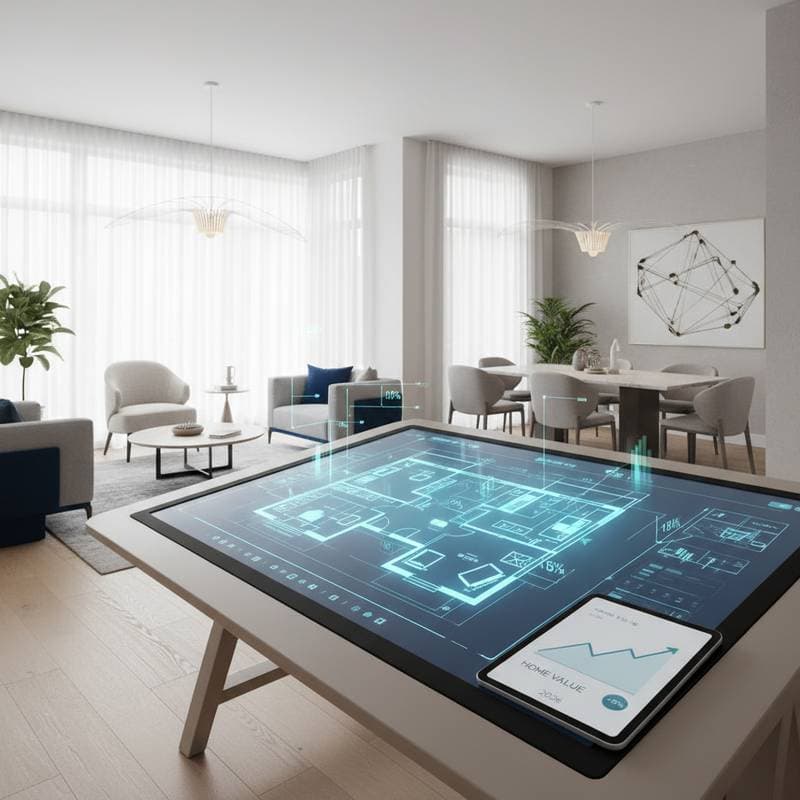
Homeowners increasingly turn to AI floor plan tools to refine layouts prior to listing properties or undertaking remodels. These advanced digital systems evaluate movement patterns, light distribution, and furniture arrangements, then propose configurations that enhance comfort and appeal to potential buyers. The outcome includes more efficient space utilization and stronger market positioning for the property.
Such tools leverage algorithms to identify inefficiencies in existing designs, such as cramped hallways or underutilized corners, and recommend adjustments that align with modern living preferences. For instance, they can suggest opening up kitchens to adjacent living areas, which often increases perceived spaciousness. This data-driven approach not only improves daily functionality but also prepares the home for resale in a competitive market.
Cost Factors
Several elements determine the expense of generating and implementing AI floor plans. Understanding these helps homeowners budget effectively for this investment.
1. Home Size
Larger properties demand extensive scans and detailed modeling. Professionals typically charge $0.50 to $2 per square foot for precise mapping, with a 2,000-square-foot home costing between $1,000 and $4,000.
2. AI Software and Features
Entry-level software produces basic two-dimensional layouts, while premium options incorporate three-dimensional simulations for lighting, traffic flow, and furniture integration. Monthly subscriptions range from $20 to $80, or one-time purchases fall between $200 and $1,000, depending on the platform's capabilities.
3. Scanning and Measurements
Technologies like LiDAR-enabled devices or professional 3D scanners ensure high fidelity but introduce additional fees of $100 to $400 for equipment rental or on-site services. Accurate initial data collection proves essential to avoid costly revisions later.
4. Labor and Consulting
Engaging a designer to interpret and refinesuggestions incurs hourly rates of $75 to $150. Many architects and interior specialists now incorporate these tools seamlessly into their processes, streamlining collaboration.
5. Permits and Code Adjustments
If AI recommendations lead to structural modifications, local authorities may require permits. Allocate $250 to $600 for application fees, inspections, and compliance reviews to meet building standards.
6. Add-ons and Revisions
Additional features, such as multiple rendering iterations, custom furniture visualizations, or energy efficiency analyses, increase the overall project cost by 10 to 20 percent. Prioritize these based on specific renovation goals.
DIY Versus Professional Assistance
Deciding between self-guided use and expert involvement depends on the project's scope and the homeowner's expertise.
Pursue DIY When:
- You possess a comfortable familiarity with technology and a foundational interest in spatial design.
- The objective centers on exploratory planning or subtle adjustments, such as rearranging furniture without altering walls.
- Cost savings on professional fees represent a priority, allowing consultation with experts only after initial exploration.
Engage a Professional When:
- Plans involve relocating or eliminating load-bearing walls, which demand engineering assessments.
- Compliance with building codes or structural integrity checks becomes necessary.
- AI outputs will support permit applications, loan approvals, or real estate listings.
Essential Skills and Tools:
- A smartphone or tablet equipped with LiDAR scanning capabilities.
- Reliable internet access paired with user-friendly design applications.
- Fundamental knowledge of spatial measurements, including room proportions and scaling principles.
Associated Risks:
The process carries moderate risk. Inaccurate input, such as erroneous dimensions from hasty scans, may lead to flawed outputs. Verify critical elements like wall thicknesses, door placements, and ceiling elevations prior to any physical alterations.
To mitigate errors, cross-reference AI suggestions with manual measurements and consult building blueprints if available. This diligence ensures the final plan supports safe and effective implementation.
Maintenance and Long-Term Viability
floor plans represent durable digital assets, yet they require periodic updates to reflect evolving home configurations. Major renovations, such as adding extensions or updating HVAC systems, necessitate fresh scans to maintain accuracy.
Strategies for File Management:
- Refresh the plan every three to five years or following significant changes.
- Store backups across multiple cloud services to prevent data loss.
- Retain both editable source files and static export formats for versatility.
Platform Durability:
Reputable software providers maintain compatibility with files for five to ten years, provided users sustain active subscriptions or secure offline archives. Transitioning to new tools occasionally involves minimal reformatting.
Warranty Considerations:
Select providers offering guarantees on measurement precision, often within a tolerance of one inch. Retain all records, including scan logs and revision histories, for potential use in insurance claims or property appraisals.
Regular maintenance not only preserves the plan's utility but also enhances its role in ongoing home management, from routine upkeep to future sales preparations.
Market Trends and Value Enhancement
The integration of AI floor plans shapes buyer perceptions and accelerates transactions. Properties featuring these optimized designs typically garner 20 to 30 percent more online views and receive offers within weeks rather than months. Industry analyses indicate that homes with such professional digital representations command 10 to 15 percent premiums over comparable listings lacking them.
These plans emphasize practical advantages, including ample storage solutions, intuitive circulation paths, and maximized natural illumination, which resonate with millennials, Gen Z buyers, and those adapting to hybrid work environments. Real estate professionals leverage them to showcase adaptable spaces that accommodate diverse lifestyles, from growing families to empty nesters.
Beyond immediate sales benefits, AI-optimized layouts contribute to long-term appreciation by future-proofing the property against shifting design trends. For example, incorporating universal design principles early can broaden appeal and reduce future modification costs.
Steps to Integrate AI Floor Plans
Begin the process with targeted actions to harness this technology effectively.
- Capture Baseline Data. Employ a mobile scanning app or professional service to document existing room dimensions and features accurately.
- Experiment with Configurations. Input data into AI software to evaluate variations in movement efficiency, light penetration, and furnishing compatibility.
- Validate with Expertise. Consult an architect or designer to assess feasibility, ensuring alignment with structural limits and regulatory requirements.
- Maintain Digital Records. Update files promptly after any modifications and organize them for easy access during resale or insurance evaluations.
- Leverage for Market Positioning. Present the refined plans in listings to demonstrate thoughtful enhancements and attract discerning buyers.
A well-crafted floor plan transforms ordinary spaces into efficient, inviting environments. AI tools provide the precision needed to realize these improvements, delivering tangible returns through heightened functionality and elevated property worth. Invest in this approach to gain a strategic edge in home ownership and real estate decisions.