Terrazzo Revival: Enhancing Home Value Through 2026 Trends
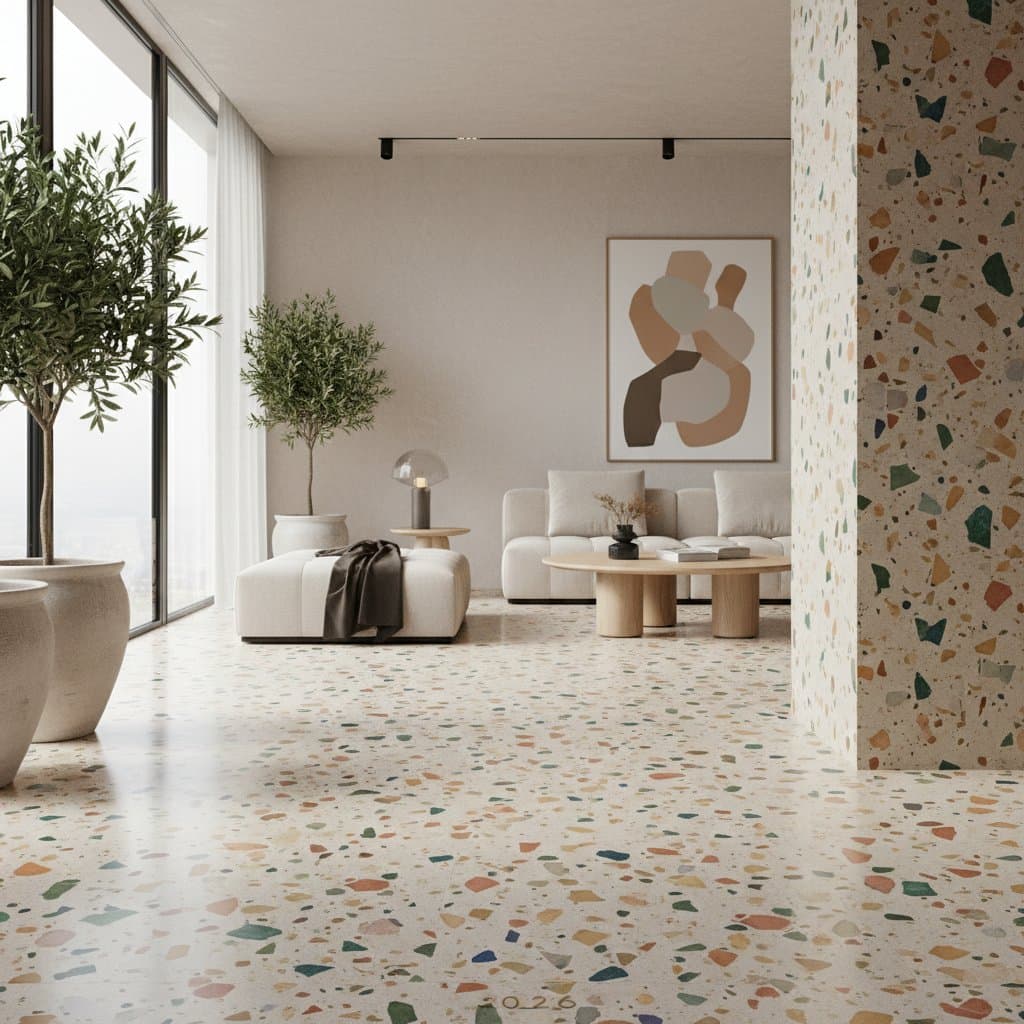
Terrazzo flooring returns with renewed popularity among homeowners seeking resilient and visually appealing surfaces for floors, counters, and walls. This material suits contemporary, mid-century modern, and minimalist aesthetics, making it an excellent choice for renovations that prioritize both style and enduring worth.
Terrazzo consists of crushed stone, glass, or marble aggregates embedded in a cement or resin binder, then polished to a sleek finish. The possibilities for patterns and colors prove virtually limitless. When maintained correctly, terrazzo endures for generations with little effort.
Advantages and Drawbacks
Advantages
- Exceptional longevity, typically exceeding 50 years
- Seamless design eliminates grout lines and simplifies cleaning
- Extensive customization in colors and patterns
- Superior resistance to wear from high-traffic areas
- Boosts property resale value with its classic, versatile look
Drawbacks
- Substantial initial expense relative to alternatives like ceramic tile or vinyl
- Demands expert installation for optimal results
- Potential slipperiness on wet surfaces without proper treatment
- Vulnerability to cracking if the subfloor shifts
- Firm feel underfoot, which may discomfort those standing for extended periods
Installation: DIY or Professional?
Terrazzo installation presents significant challenges, including precise mixing, pouring, grinding, and sealing processes. Homeowners generally benefit from engaging certified professionals to achieve flawless outcomes.
Complexity Level: Advanced
Duration: Three to seven days for a typical room
Required Equipment: Industrial mixer, trowels, grinders, polishers, and protective gear
Potential Issues: Surface cracks, inconsistent pigmentation, voids, or inadequate adhesion
Opt for Professional Services When:
- Achieving uniform coloration and a level surface matters most
- The space spans a large area or features irregular shapes
- Incorporating bespoke designs or inlaid motifs is desired
- Subfloor preparation involves leveling or addressing moisture problems
For minor projects, DIY approaches suit precast terrazzo tiles or thin overlays. However, full poured installations justify the expense of skilled labor to ensure structural integrity and aesthetic precision.
Upkeep and Durability
Properly sealed and maintained terrazzo withstands decades of use while retaining its luster.
Daily and Weekly Maintenance:
- Sweep or vacuum regularly to remove loose debris
- Clean with a damp mop and pH-neutral solution
- Reapply sealant every three to five years, adjusted for usage intensity
Steer clear of abrasive chemicals or acidic products, as they erode the finish or compromise the protective layer. Place doormats at entrances to trap dirt and prevent scratches. Address minor chips promptly to block water penetration and avoid larger repairs.
Epoxy-based terrazzo excels in stain and chemical resistance compared to cement varieties. Cement terrazzo allows for periodic refinishing if it shows wear. Consistent care ensures either type preserves its appearance for more than 40 years.
Regional Considerations
Local environmental conditions, regulations, and workforce expenses influence terrazzo's cost and suitability.
In Coastal Regions:
Prioritize moisture management by selecting epoxy formulations paired with vapor barriers, which guard against salt corrosion and high humidity.
In Colder Climates:
Cement terrazzo risks fracturing during freeze-thaw cycles; incorporate robust subfloor insulation and flexible expansion joints to mitigate this.
In Urban Settings:
Elevated labor costs increase overall expenses, and some municipalities mandate permits for dust-generating activities like grinding or concrete pouring.
In Historic Areas:
Replicating vintage terrazzo often requires specialized aggregates and divider configurations; consult regional experts for authentic, era-specific sourcing.
Availability from local vendors also impacts pricing and aesthetics. Sourcing imported marble or upcycled glass alters both budget and visual character.
Installation Safety Measures
Terrazzo projects involve hazards that demand careful precautions.
Electrical Precautions:
Power tools such as grinders require dedicated, grounded circuits; operate them only in dry environments to prevent shocks.
Dust Management:
Grinding produces hazardous particulates; equip workers with respirators and integrate wet vacuums or HEPA filters to comply with air quality guidelines.
Chemical Handling:
Resins and sealants emit volatile compounds; provide ample airflow through fans or exhaust systems.
Surface Safety:
Freshly polished terrazzo poses slip hazards when damp; integrate non-slip additives or opt for textured variants in high-moisture zones like kitchens and bathrooms.
Regulatory Compliance:
Verify permit needs for subfloor alterations or toppings through your local building authority prior to commencement.
Emerging Terrazzo Designs for 2026
Terrazzo's contemporary resurgence merges heritage techniques with innovative components, emphasizing eco-consciousness, personalization, and tactile qualities.
Sustainable Aggregates
Incorporate recycled glass, seashells, or metallic shards to minimize environmental impact and yield distinctive speckled effects. Pair these with low-emission binders to qualify for sustainability certifications.
Expansive Pattern Applications
Create bold expanses of color, broad edging, or large-scale geometrics that delineate spaces in fluid, open-plan interiors without relying on partitions. This approach maximizes terrazzo's fluidity.
Subdued Bases with Accents
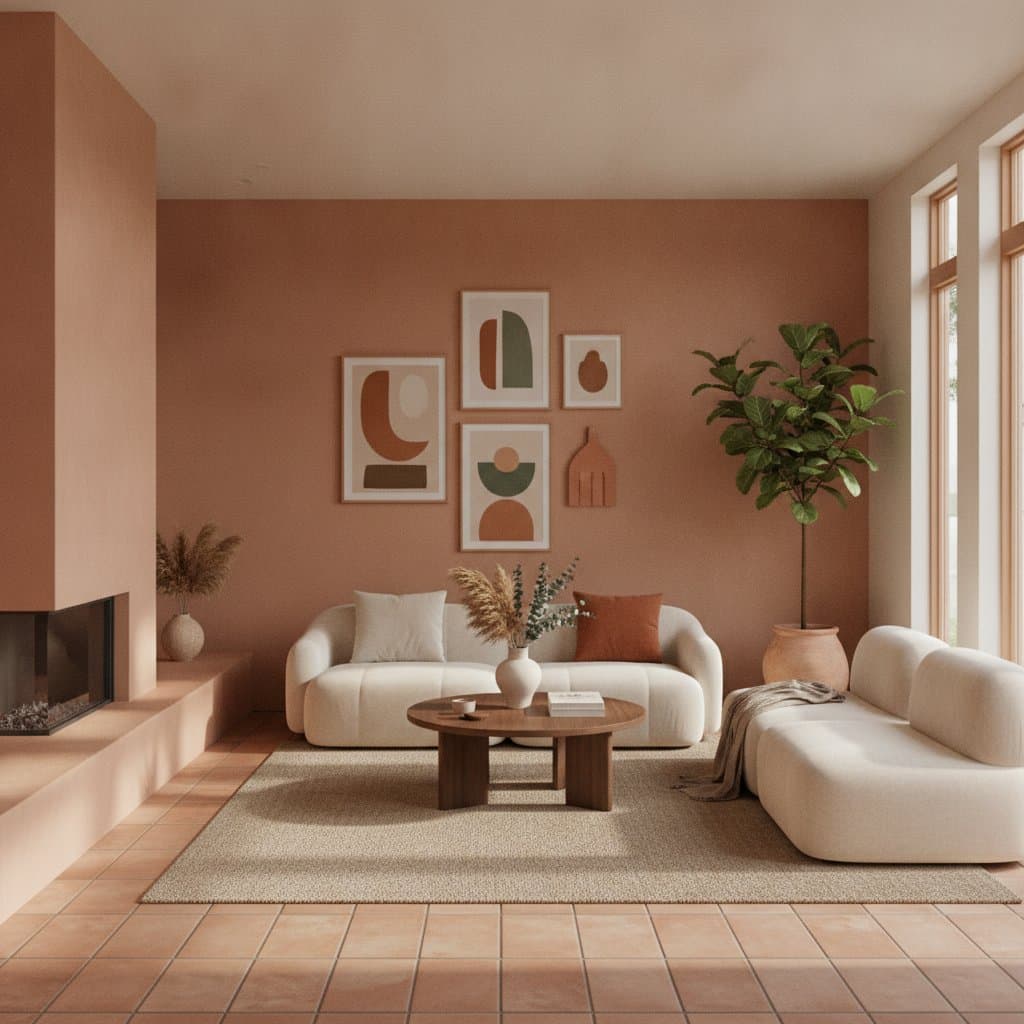
Select earthy tones like soft beige, terracotta, or light gray, accented by fine flecks of vibrant hues such as aqua, metallic gold, or soft pink. These combinations harmonize with natural, serene decor schemes.
Terrazzo in Vertical Applications
Extend the material to backsplashes, wet-room enclosures, and custom furnishings via prefabricated slabs, ensuring uniformity and ease of integration.
Non-Glossy Surfaces
While traditional sheen endures, matte treatments cut reflections and introduce subtle tactility, enhancing safety through better traction.
Hybrid Material Integrations
Blend terrazzo seamlessly with timber accents or raw concrete for balanced warmth. Employ polished metal strips or inlaid alloys to define edges with elegance.
These developments underscore a preference for functional opulence, where surfaces inspire without sacrificing practicality.
Steps to Implement Terrazzo Successfully
Begin your terrazzo project by establishing a realistic budget and a defined aesthetic direction. Collect physical samples showcasing aggregate mixes and hue variations. Evaluate epoxy versus cement binders according to the space's demands and your tolerance for upkeep.
Solicit detailed estimates from a minimum of three qualified contractors, inquiring about coverage guarantees, pour thickness, and drying periods. Review portfolios of comparable installations to gauge expertise.
Post-installation, adhere to a disciplined routine of cleaning and resealing. Protect the surface from furniture abrasion by using pads. Maintain clean entryway rugs to curb abrasive particle buildup.
Terrazzo surpasses many flooring options in endurance and adaptability to evolving tastes. Restoring an existing installation or creating a fresh one yields a surface that appreciates in both form and function over the years.
Frequently Asked Questions
How does epoxy terrazzo differ from cement terrazzo?
Epoxy terrazzo employs a resin matrix for thinner applications and quicker setup times, ideal for indoor precision work. Cement terrazzo relies on a Portland base for slower curing but greater suitability for exterior or heavy-duty settings.