EV Chargers: Unlocking Higher Home Values in 2026
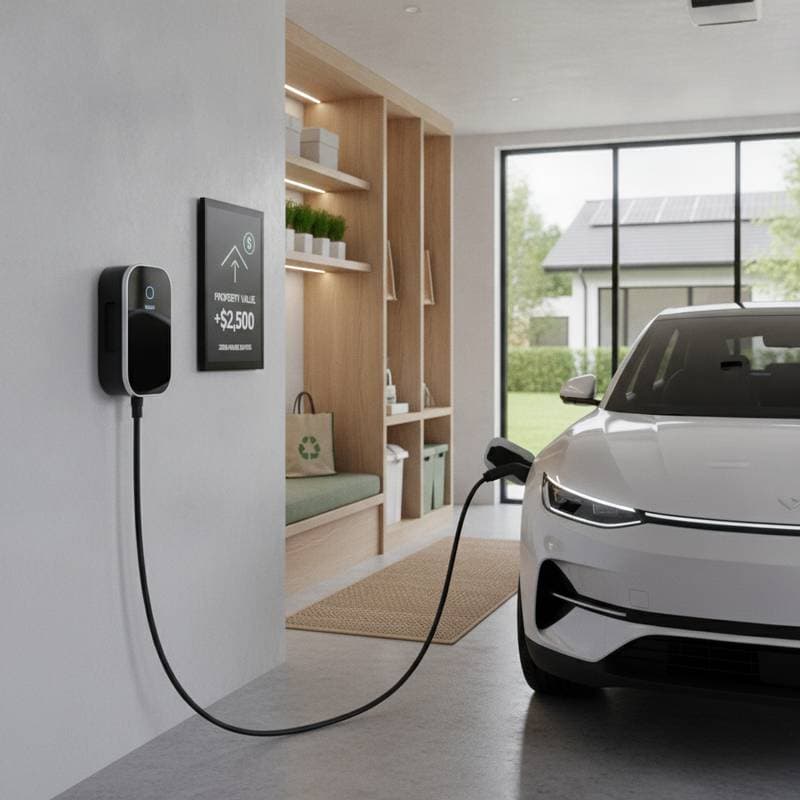
Homes equipped with a Level 2 EV charger often sell for 1.5 to 3 percent more than comparable properties without one. Installation costs typically range from 900 to 2,500 dollars. This upgrade positions the home as modern and energy-efficient, appealing to buyers who prioritize sustainability and technology.
Buyers now view EV charging access as essential, much like high-speed internet or updated plumbing. The investment yields a strong return, provided homeowners select the appropriate charger, assess electrical needs, and engage qualified professionals for installation.
Factors Influencing Installation Costs
Multiple components determine the overall expense of installing an EV charger. Understanding these elements enables better budgeting and smoother project execution.
Charger Type
Level 1 chargers connect to standard 120-volt outlets and cost 300 to 600 dollars, though they provide slow charging speeds unsuitable for daily use. Level 2 chargers demand a 240-volt circuit and range from 600 to 1,200 dollars for the unit itself, with additional installation fees. Level 3 chargers, designed for rapid charging, suit commercial settings and exceed typical residential budgets.
Electrical Panel Capacity
Homes with panels rated below 200 amps may require an upgrade, adding 1,000 to 2,500 dollars to the project. Costs vary based on the distance from the meter and adherence to local building codes. A professional evaluation ensures compatibility without unnecessary upgrades.
Wiring and Distance
The length of wiring from the panel to the charger directly impacts expenses. A 10-foot run might require only 200 to 300 dollars in materials, whereas a 40-foot installation through walls or ceilings could double that amount. Proper conduit use protects wires and complies with safety standards.
Permits and Inspections
Local authorities mandate permits for new 240-volt circuits, with fees ranging from 100 to 300 dollars. Schedule inspections promptly to avoid delays, as approval confirms the work meets code requirements. These steps safeguard against legal issues during home sales.
Mounting and Weatherproofing
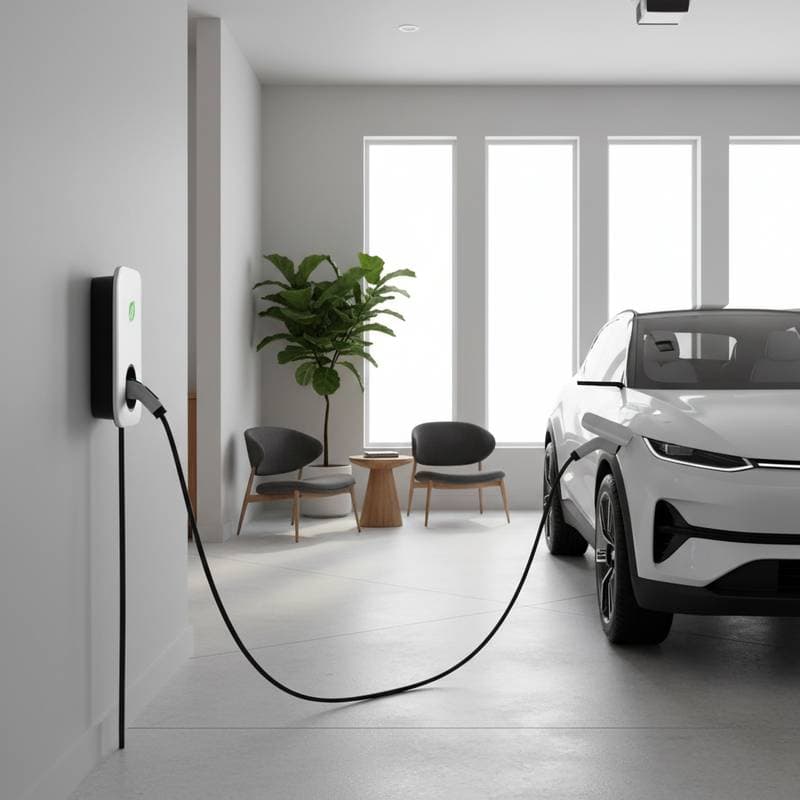
For outdoor installations, secure mounting with sealing, conduit, and protective covers adds 150 to 400 dollars. These measures prevent moisture ingress and corrosion, ensuring long-term reliability. Indoor setups demand less preparation but still require stable wall attachment.
Smart Features and Connectivity
Chargers with Wi-Fi integration cost 100 to 200 dollars more but offer usage tracking and rebate eligibility. These features enhance energy management and appeal to tech-oriented buyers. Select models certified by utilities for maximum incentives.
Budget an extra 10 to 15 percent for contingencies, especially in older homes where wiring updates or wall modifications prove necessary.
DIY Installation Versus Professional Services
Level 2 charger installation involves 240-volt wiring, conduit installation, and grounding procedures, which demand expertise beyond basic electrical knowledge.
Tasks Suitable for DIY
Once power is disconnected, homeowners can mount the charger to a wall. Running conduit follows pre-approval from an electrician. Setting up Wi-Fi connectivity and app configuration completes the user-facing aspects.
Tasks Requiring Professionals
Electricians handle panel upgrades, breaker additions, and high-voltage wiring runs. They also manage permits and inspections to ensure compliance.
Engage a licensed electrician when the panel is at capacity, outdated, or for outdoor placements. Lack of training in lockout/tagout procedures or electrical safety increases risks significantly.
Essential Safety Protocols
Always disconnect the main power supply before commencing work. Wear insulated gloves rated for electrical handling. Verify the absence of current in all wires prior to contact.
Foregoing permits or inspections jeopardizes insurance validity and heightens fire hazards. Professional involvement minimizes these dangers while preserving warranty protections.
Maintenance Routines and Warranty Considerations
EV chargers demand minimal routine care, yet periodic inspections preserve functionality and safety.
Perform monthly cleaning to remove dust and inspect the cable for wear or cracks. Quarterly checks verify app connectivity and session logging accuracy. Annual professional reviews include terminal tightening and ground fault testing.
Level 2 chargers typically include 3 to 5 years of warranty coverage. Extended plans, costing 100 to 150 dollars, prove valuable in humid or coastal environments. Retain installation documentation and photographs for efficient claims processing.
Outdoor units benefit from weatherproof covers featuring drainage. Position them away from sprinklers and prolonged sunlight exposure to maximize durability.
Ensuring Safety and Regulatory Compliance
Prior to installation, evaluate key factors to maintain code adherence and operational safety.
Conduct an electrical load calculation to ensure total draw stays below 80 percent of panel capacity. Install a dedicated 240-volt, 40-amp circuit as required for most Level 2 chargers. Incorporate ground fault circuit interrupter protection for exterior locations.
Label the dedicated breaker clearly within the panel for easy identification. Secure all necessary permits for wiring or breaker modifications. Complete inspections before energizing the system to uphold insurance terms.
Homes with aluminum wiring or obsolete panels necessitate immediate professional intervention. Specialized connectors mitigate overheating risks in such scenarios.
Market Trends Shaping Home Values in 2026
Electric vehicles integrate seamlessly into residential landscapes, with buyers anticipating charging infrastructure. Properties lacking this feature risk appearing obsolete amid rising EV adoption.
New constructions routinely incorporate 240-volt garage outlets as standard. Appraisers now value installed chargers alongside features like solar panels or smart thermostats. For rentals, chargers expedite tenant acquisition and justify slight rent increases.
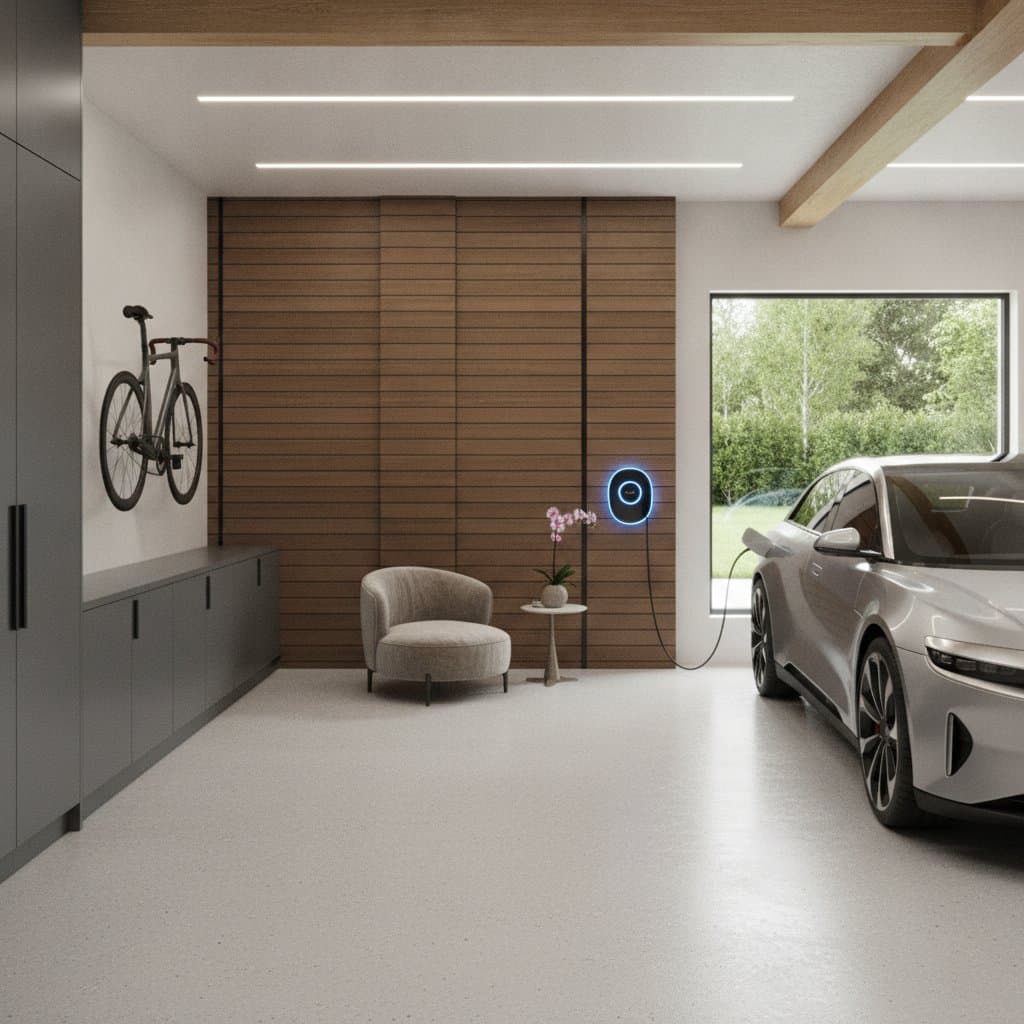
Pre-installation before listing enhances competitiveness, as a prominent garage charger conveys forward-thinking efficiency.
Maximizing Long-Term Benefits and Efficiency
Beyond resale value, EV chargers lower transportation expenses and optimize energy use. Owners frequently save 400 to 800 dollars annually versus gasoline equivalents. Programmable smart chargers align with off-peak rates, reducing bills by 10 to 20 percent.
Environmental factors influence longevity; indoor placements endure longer than exposed outdoor ones. Proactive cable replacement averts overheating and prolongs system performance.
Steps to Implement Your EV Charger Upgrade
-
Assess panel capacity by examining the main breaker label. Contact an electrician if below 200 amps for a detailed evaluation.
-
Select charger level based on daily driving needs. Level 2 suits most households for balanced speed and cost.
-
Obtain quotes from at least two licensed electricians, inquiring about permit handling and inspection timelines.
-
Explore utility rebates; approved charger lists appear on provider websites.
-
Strategize placement to avoid trip hazards and moisture exposure.
This upgrade delivers enduring advantages in convenience, savings, and market positioning.