Mudrooms with EV Chargers: A Smart Upgrade for Home Value and Convenience
Homeowners increasingly seek features that blend functionality with forward-thinking design. Integrating an electric vehicle (EV) charger into a mudroom represents one such innovation. This combination not only streamlines daily life but also positions the property as a desirable asset in a market shifting toward sustainable living.
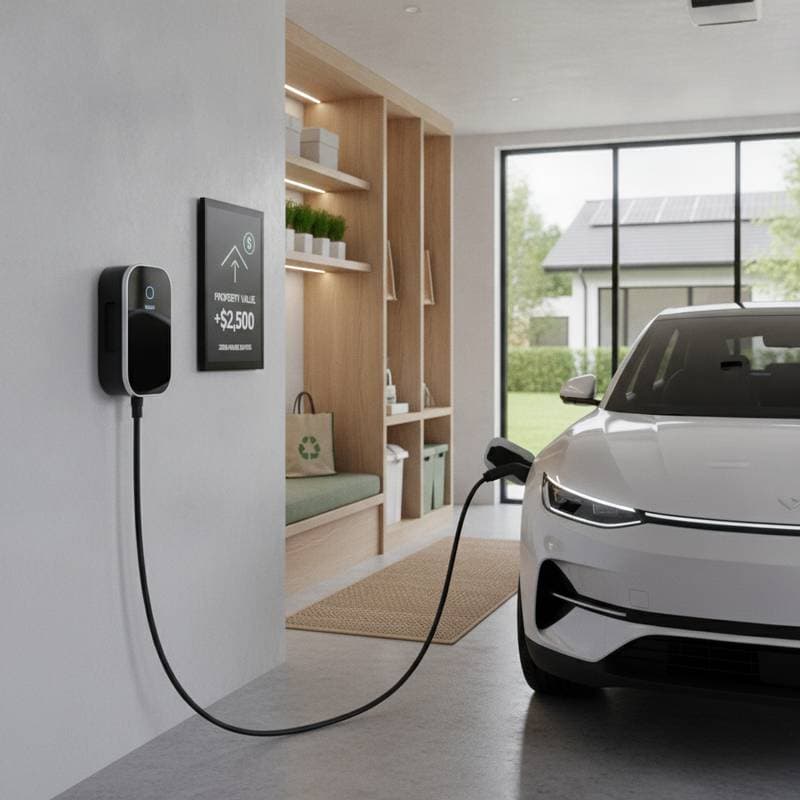
The addition of a mudroom equipped with an EV charging station can increase home value by $12,000 to $18,000, according to recent real estate analyses. This boost stems from the growing demand for EV-ready homes amid rising electric vehicle adoption. Buyers appreciate the convenience and the signal of modernity that such upgrades provide.
Understanding the Value Proposition
Real estate experts highlight how targeted improvements like this one yield strong returns on investment. A mudroom serves as a practical entryway space for shedding outdoor gear and managing household flow. Pairing it with an EV charger transforms it into a multifunctional hub that caters to contemporary lifestyles.
The financial uplift arises from multiple factors. First, it appeals to eco-conscious purchasers who prioritize green amenities. Second, it reduces the perceived need for additional modifications by future owners. Properties with built-in EV infrastructure often sell faster and at premiums in urban and suburban markets.
Consider the broader trends. Electric vehicle sales continue to climb, with projections indicating that EVs will dominate new car purchases by the end of the decade. Homes without charging capabilities may lag in appeal, making proactive installations a strategic choice for sellers.
Benefits Beyond Monetary Gain
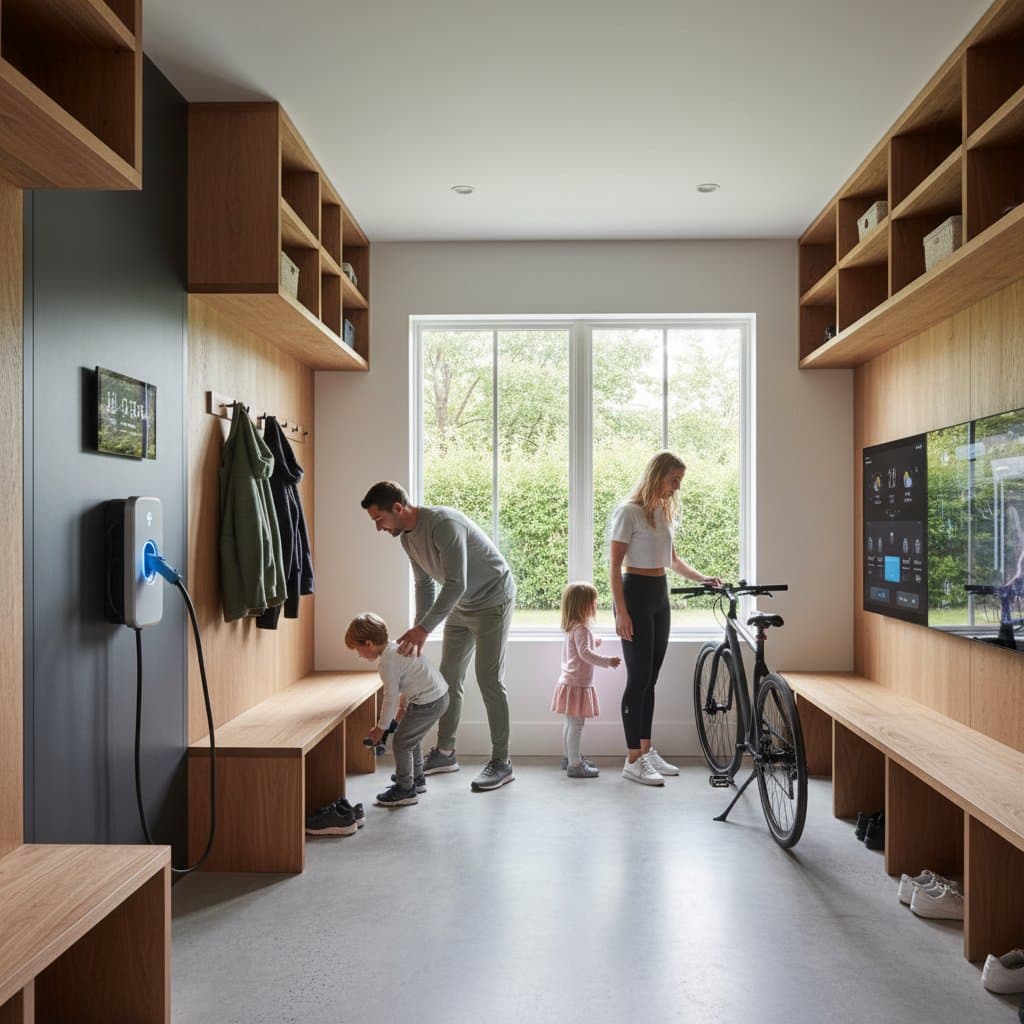
Convenience stands out as a primary advantage. Imagine arriving home after a long drive and plugging in your vehicle steps from the door, all while unloading groceries or kicking off muddy boots. This setup eliminates the hassle of hunting for public stations or running extension cords across the garage.
Sustainability plays a key role as well. EV chargers promote lower carbon emissions by encouraging electric transport. A mudroom integration ensures that this eco-friendly feature integrates seamlessly into daily routines, fostering long-term environmental habits for the household.
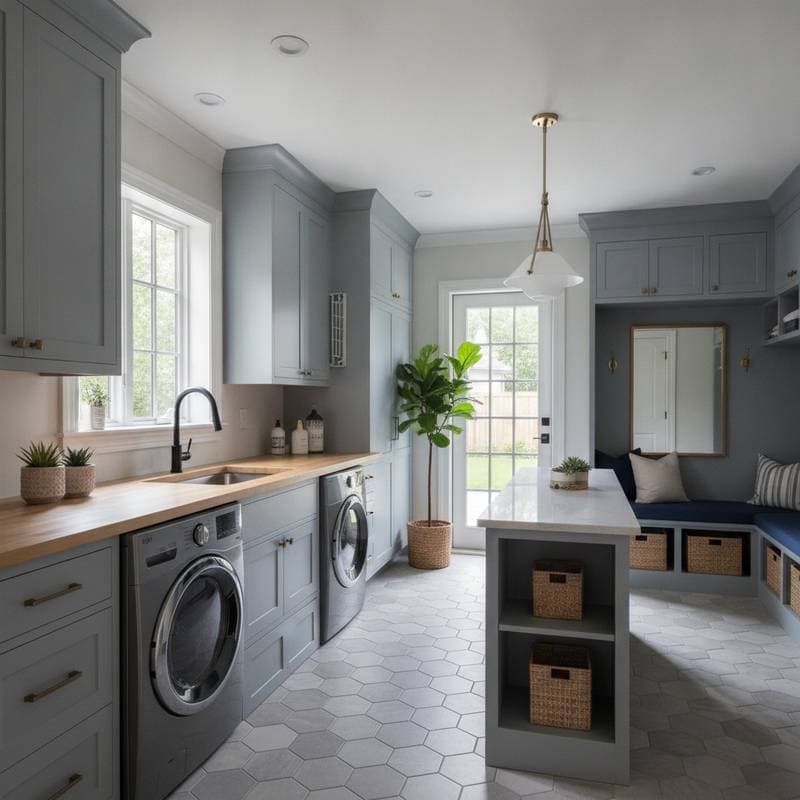
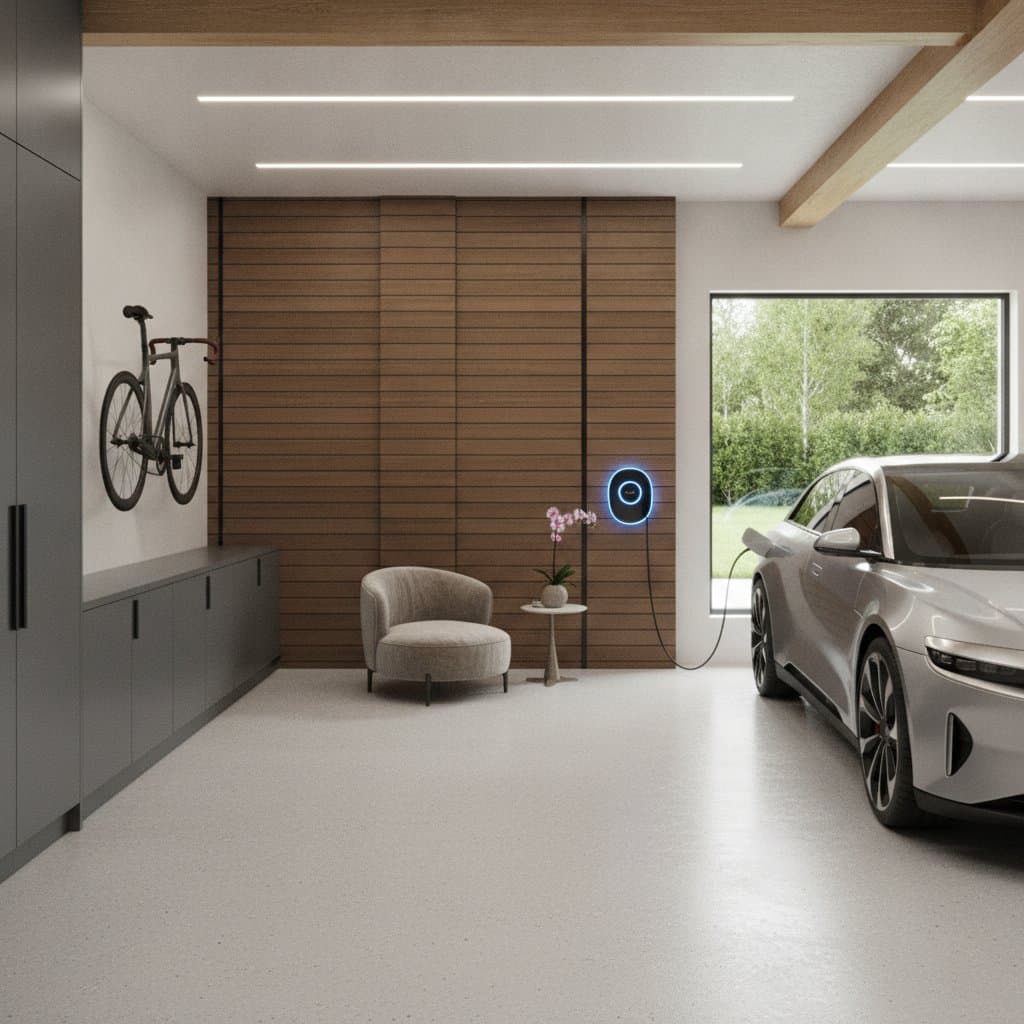
Design-wise, thoughtful planning allows the charger to blend aesthetically. Wall-mounted units or discreet outlets maintain the mudroom's clean lines. Materials like durable tile flooring and built-in storage enhance usability without compromising style.
Planning and Costs: A Practical Guide
Embarking on this project requires careful consideration of space, budget, and technical needs. Start by assessing your mudroom's layout. Ensure adequate electrical capacity; most homes need a 240-volt circuit for Level 2 chargers, which deliver faster charging speeds than standard outlets.
Costs vary based on scope and location. Basic installations range from $500 to $1,500 for the charger itself, plus $1,000 to $3,000 for electrical work. Mudroom renovations, including cabinetry and flooring, add $5,000 to $10,000. Total outlay typically falls between $7,000 and $15,000, with the value increase often recouping the expense upon resale.
To optimize returns:
- Consult a licensed electrician early to evaluate panel upgrades if necessary.
- Choose ENERGY STAR-certified chargers for efficiency and potential rebates.
- Factor in permitting fees, which can add 5 to 10 percent to the budget.
Installation Essentials
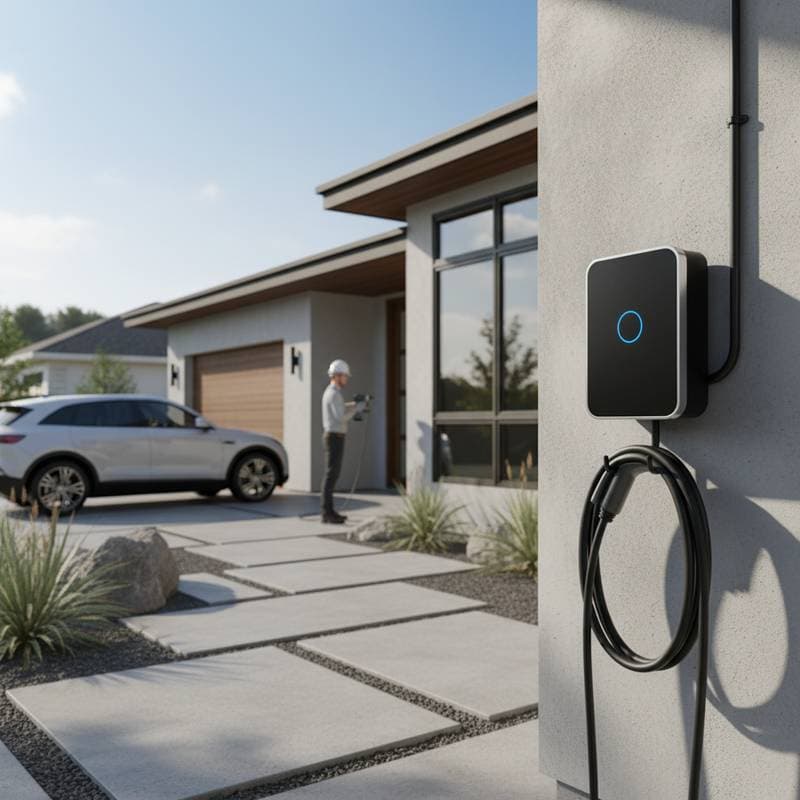
Professional installation ensures safety and compliance with local codes. Begin with site preparation: clear space for the charger, typically 18 to 24 inches from the wall, and route wiring through conduits to avoid exposure.
Key steps include:
- Selecting the charger type. Level 2 models suit home use, providing up to 30 miles of range per hour of charging.
- Integrating smart technology. App-controlled units allow monitoring via smartphone, scheduling charges during off-peak hours to lower utility bills.
- Testing the system post-installation. Verify ground fault protection and load balancing to prevent circuit overloads.
For mudroom enhancements, incorporate weatherproof covers for outdoor-accessible chargers. Add lighting and ventilation to create a user-friendly zone.
Smart Integration for Enhanced Functionality
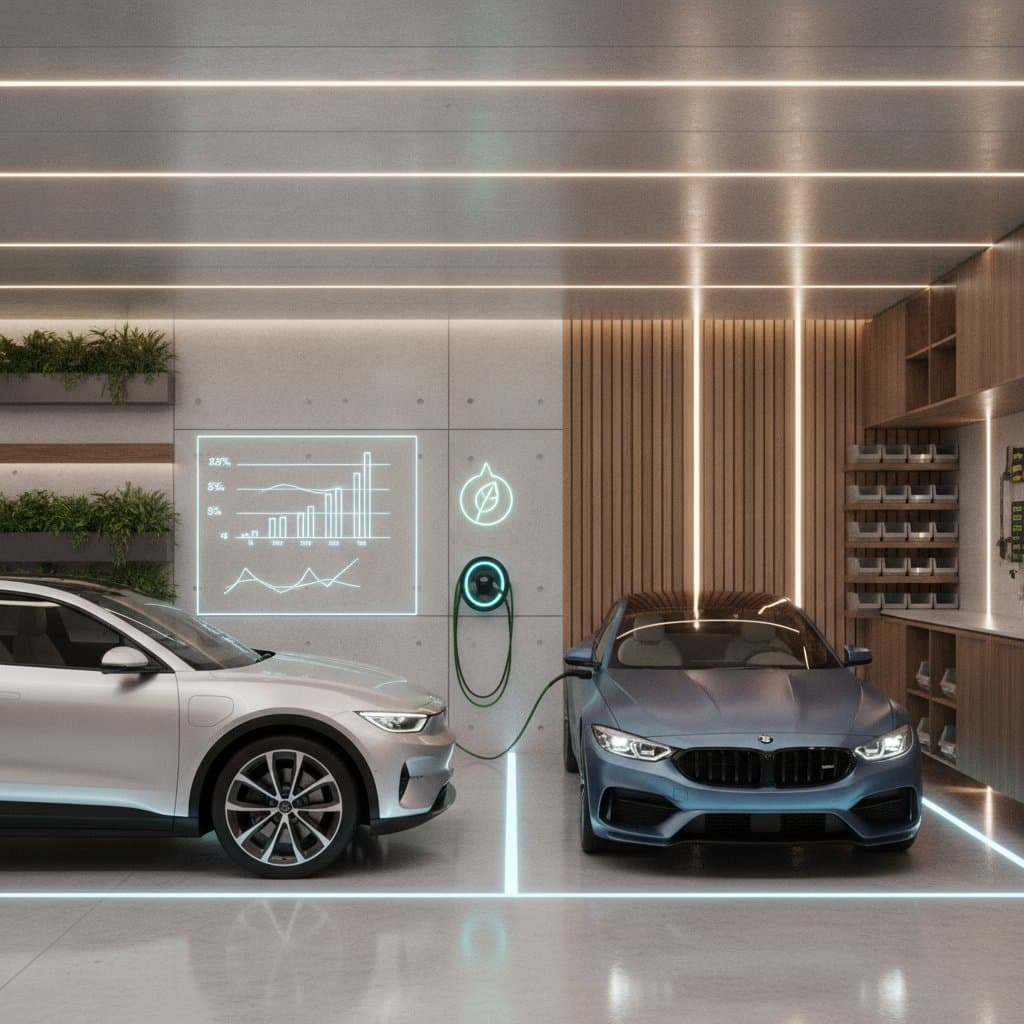
Modern EV chargers offer connectivity that elevates the entire setup. Pair them with home automation systems for voice-activated controls or integration with security cameras. This creates a cohesive smart home ecosystem.
Energy management features track usage and optimize costs. Some models integrate with solar panels, further amplifying sustainability. In a mudroom context, proximity sensors can illuminate the area upon vehicle approach, adding a layer of convenience.
Buyers value these tech-forward elements. Surveys show that smart home features influence 70 percent of purchasing decisions, underscoring the appeal of wired-in chargers over portable alternatives.
Addressing Common Challenges
Space constraints pose a frequent hurdle in older homes. Compact chargers and vertical mounting solutions mitigate this issue. If the mudroom lacks direct garage access, consider extending wiring safely or opting for a nearby interior location.
Utility upgrades may require utility company involvement for meter adjustments. Plan for potential downtime during installation, scheduling work during less disruptive periods.
Maintenance remains straightforward. Regular inspections ensure connections stay secure, and software updates keep features current. With proper care, these systems last 10 to 20 years, aligning with long-term home ownership.
Securing Lasting Returns
This upgrade future-proofs the property against evolving market demands. As EV infrastructure expands, homes with integrated solutions command higher appraisals. The dual benefits of utility and aesthetics make it a versatile investment.
Homeowners who implement these changes report improved satisfaction alongside financial gains. The mudroom evolves from a mere transitional space into a central node of efficiency and innovation. For those eyeing resale or simply enhancing livability, this is a move toward enduring value.