Why EV Chargers Increase Home Value by 15 Percent by 2026
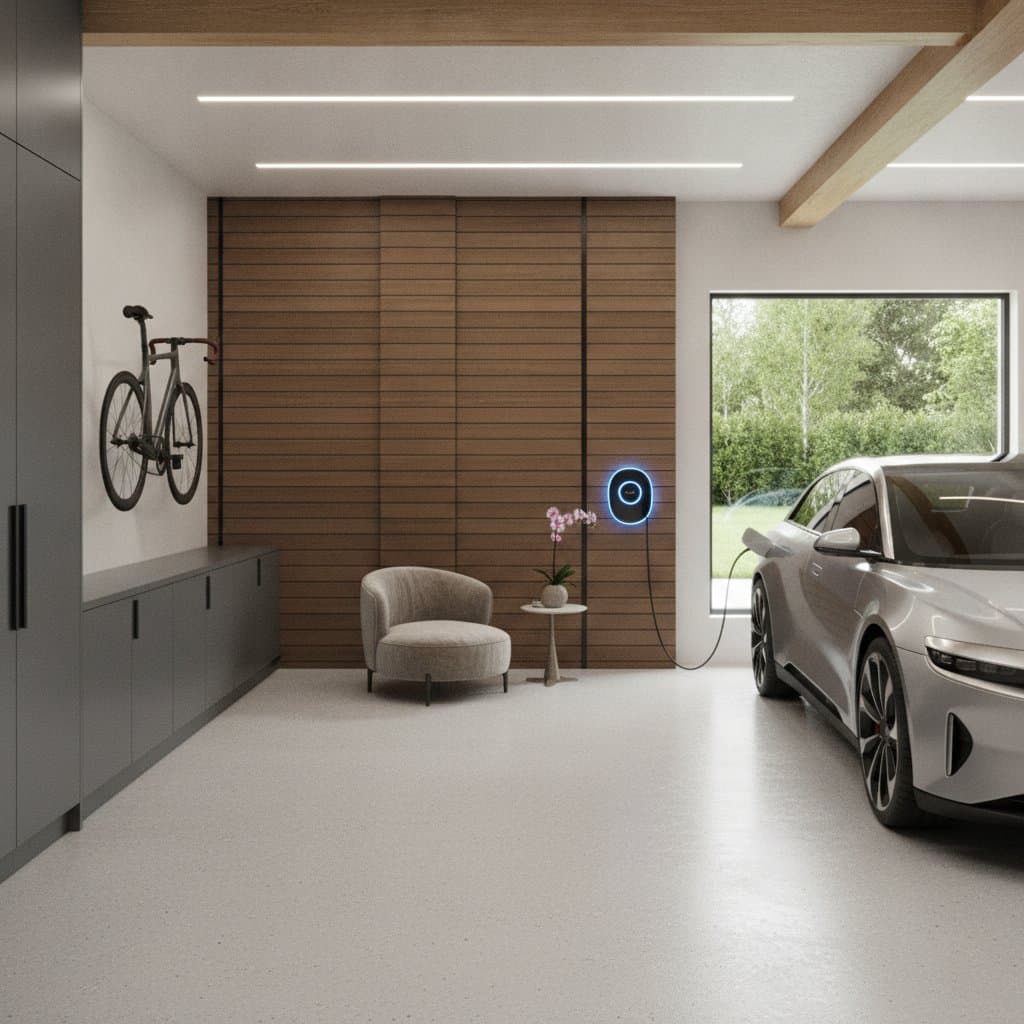
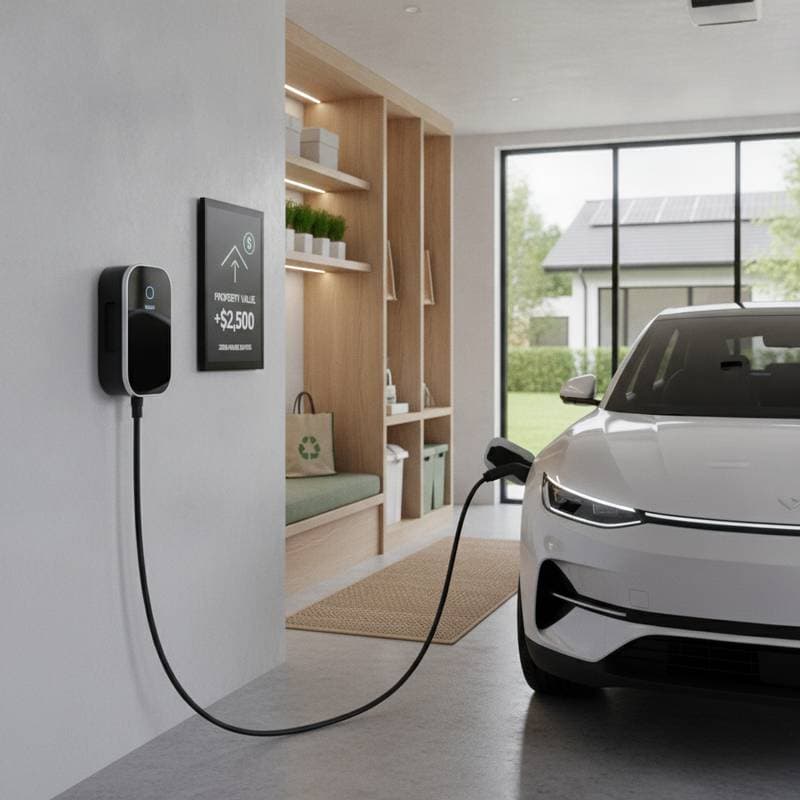
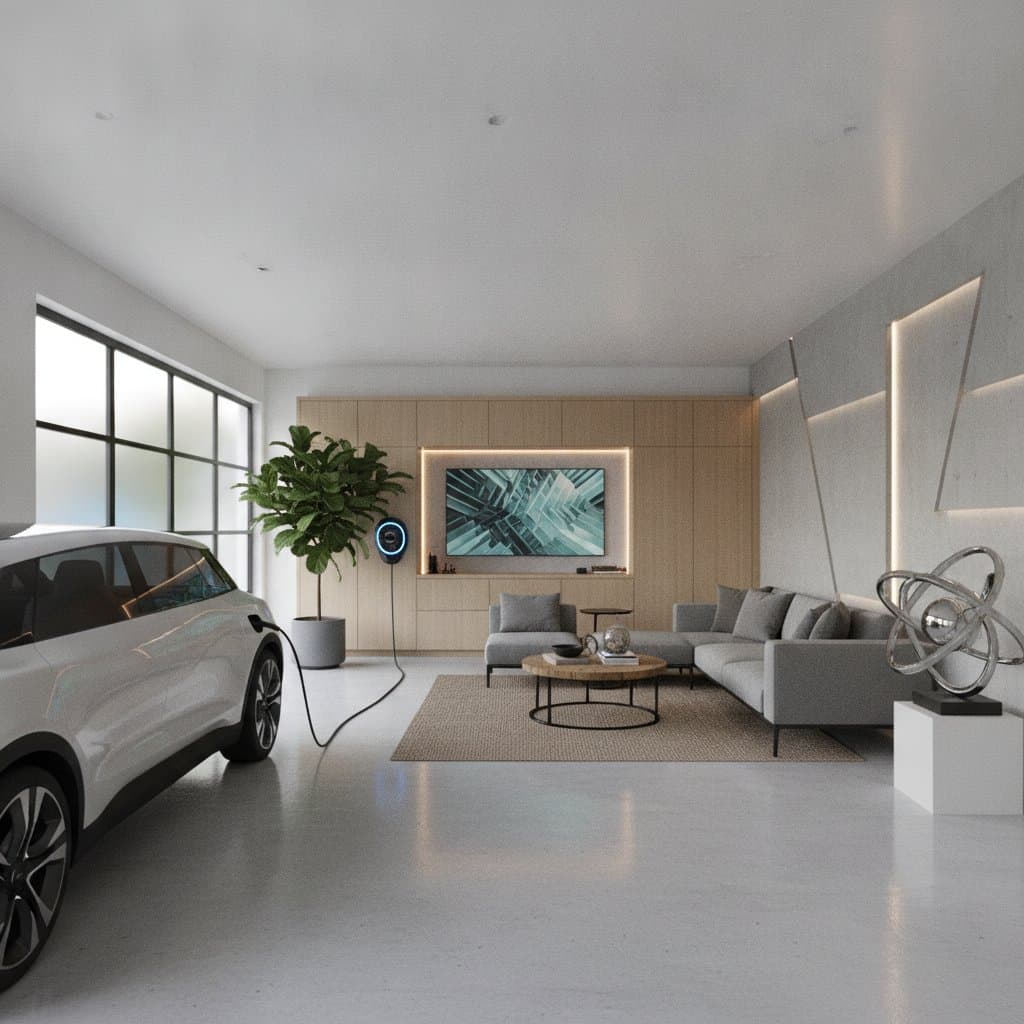
Homeowners who install electric vehicle chargers often see a significant return on their investment. Real estate experts predict that these upgrades will add approximately 15 percent to resale values by 2026, particularly in markets where electric vehicle adoption grows rapidly. Properties equipped with chargers appeal to buyers seeking modern, sustainable features, leading to quicker sales and offers that approach or exceed asking prices.
The demand for home charging stations stems from the rising popularity of electric vehicles. Surveys indicate that over 70 percent of potential buyers in urban areas view an installed charger as a desirable amenity, comparable to updated kitchens or energy-efficient appliances. This trend positions EV chargers as a strategic enhancement for properties in mid- to high-value neighborhoods.
Factors Influencing EV Charger Installation Costs
Understanding the elements that affect pricing helps homeowners budget effectively. Total expenses typically range from 900 to 2,500 dollars, depending on the charger type, home infrastructure, and location-specific requirements. These costs reflect not only the hardware but also necessary electrical modifications and professional labor.
Charger Type and Features
Level 1 chargers connect to standard 120-volt outlets and provide the slowest charging speed, suitable for occasional use. Hardware for these units costs around 300 dollars, making them an accessible entry point for basic needs.
Level 2 chargers demand a dedicated 240-volt circuit and deliver charging rates three to seven times faster than Level 1 options. Basic models range from 400 to 800 dollars, while smart versions include Wi-Fi connectivity, energy monitoring, and mobile app integration for an additional 200 to 400 dollars. These advanced features allow users to schedule charging during off-peak hours, potentially reducing electricity bills.
Electrical System Considerations
Many homes require panel upgrades if the breaker box lacks capacity or available slots. Such modifications add 500 to 1,200 dollars to the project, a common necessity in residences older than 30 years where original wiring may not support high-amperage demands.
The distance from the electrical panel to the installation site also impacts costs. Wiring runs exceeding 30 feet, especially through finished interiors, incur extra charges of 200 to 600 dollars. For outdoor placements, installers must use weather-resistant materials and ground-fault circuit interrupter protection to ensure durability against environmental exposure.
Regulatory and Accessory Expenses
Local authorities mandate electrical permits in most jurisdictions, with fees between 75 and 250 dollars. Homeowners should verify these requirements early to avoid delays.
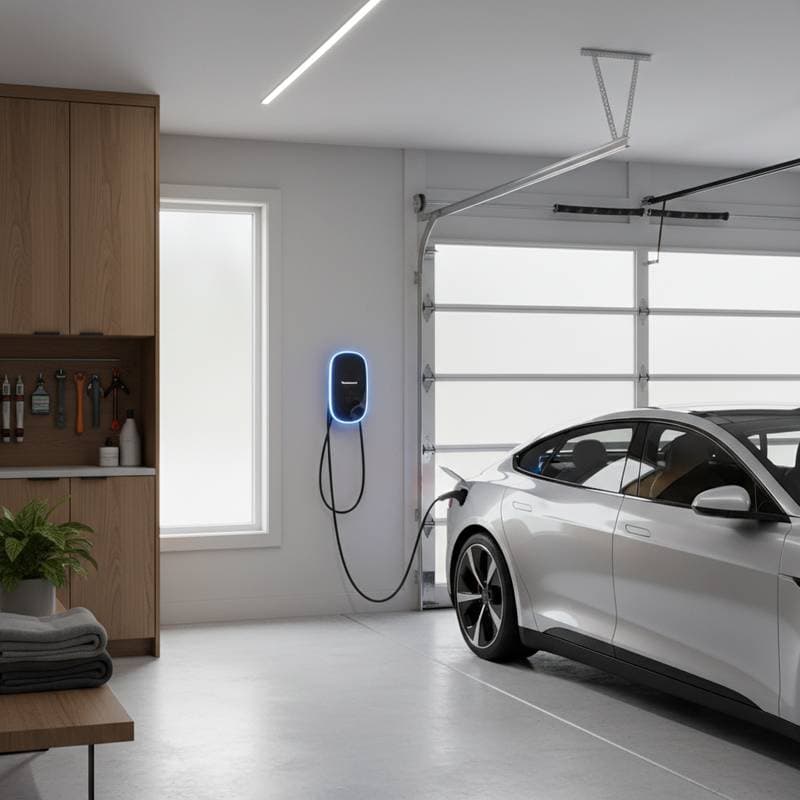
Optional accessories enhance functionality and longevity. Wall-mounted or pedestal supports cost 100 to 300 dollars, while surge protectors, priced at 100 to 200 dollars, safeguard against power fluctuations that could damage equipment. Selecting these elements based on usage patterns maximizes value.
Deciding Between DIY Installation and Professional Services
Some aspects of EV charger setup suit skilled homeowners, but others demand expert intervention to maintain safety and compliance. Evaluating personal expertise against project complexities guides this choice effectively.
Tasks Suitable for DIY Efforts
Homeowners comfortable with basic electrical work can handle mounting the charger bracket in accessible locations. Routing conduit through unfinished walls presents another feasible option, as does verifying outlet voltage with a multimeter.
These steps require standard tools and adherence to manufacturer guidelines. However, even DIY portions benefit from thorough planning to integrate seamlessly with professional elements.
Situations Requiring Licensed Electricians
Engage professionals if the electrical panel shows no available breakers or requires a new 240-volt circuit installation. Outdoor mounting, proximity to water sources, or adherence to stringent local codes also necessitate expert handling.
Electricians perform critical tasks such as load calculations, proper grounding, and integration with existing systems. Their involvement prevents risks like electrical fires, ensures insurance validity, and upholds charger warranties, which often exclude improper installations.
Ongoing Maintenance for Long-Term Reliability
Regular upkeep extends the service life of EV chargers and preserves their contribution to property value. Simple habits prevent common issues and maintain peak performance.
Daily and Periodic Checks
Clean the charger surface monthly to remove dust and debris that could impede connections. Annually inspect and secure wall mounts, while examining cables for signs of wear such as cracks or fraying.
Prompt replacement of damaged components avoids escalation to major repairs. These practices align with manufacturer recommendations and support warranty claims.
Warranty Details and Protection Strategies
Standard warranties cover three to five years, encompassing defects in materials and workmanship. Retain installation documentation and receipts to facilitate any service requests.
To prolong equipment life, position chargers in sheltered areas away from direct sunlight or rain. Incorporate surge protection devices from the outset, and store cables loosely to prevent insulation degradation over time.
Failures most often result from moisture exposure or mishandled cables rather than internal component fatigue. Proactive measures mitigate these vulnerabilities effectively.
Essential Safety Protocols and Compliance Steps
Prioritizing safety during installation and operation safeguards users, property, and investments. A structured checklist ensures all bases receive coverage.
Pre-Installation Preparations
De-energize the main breaker before commencing any wiring activities. Equip yourself with insulated tools and test for voltage absence prior to handling wires.
Clearly label new circuits to monitor loads and prevent overloads. For exterior units, incorporate weatherproof enclosures and ground-fault circuit interrupter devices as standard.
Post-Installation Verification
Obtain necessary permits and pass required inspections before energizing the system. This step confirms compliance with national and local electrical standards.
Avoid extension cords entirely, as they pose overheating risks and fire dangers unsuitable for the high power draw of EV charging.
Steps to Install Your EV Charger Successfully
A systematic approach streamlines the process and minimizes disruptions. Follow these stages to achieve a seamless integration.
- Assess electrical capacity by inspecting breaker availability and overall system amperage ratings.
- Solicit quotes from at least two certified electricians, including potential panel enhancements in the estimates.
- Research and apply for available rebates or incentives ahead of time to offset costs.
- Time the project for off-peak seasons when contractor schedules allow for prompt service.
- Maintain comprehensive records of manuals, permits, and warranties to demonstrate the upgrade's quality during resale.
Realizing the Full Benefits of Your Investment
Beyond environmental advantages, a home EV charger delivers tangible financial and lifestyle gains. It accelerates property transactions, elevates offer amounts, and simplifies daily routines for electric vehicle owners. Proper execution and care transform this addition into a cornerstone of modern home equity, aligning with evolving buyer preferences in a sustainable future.