Basement Gyms: 92% ROI Boost for 2026 Homes
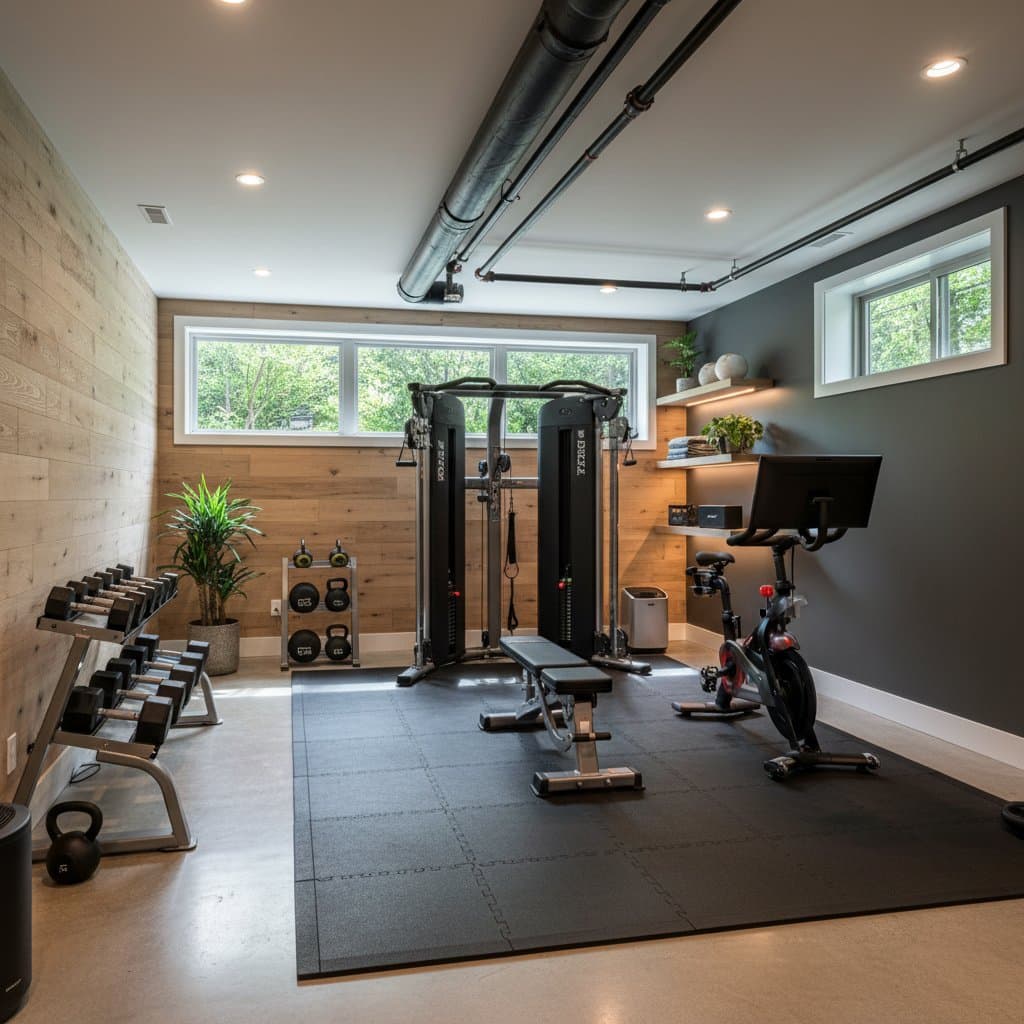
Basement gym conversions are one of the most practical home upgrades for homeowners who value convenience and long-term value. A finished basement gym adds usable square footage, supports daily wellness, and can yield up to a 92% return on investment when done right. It suits homeowners who want private fitness space without recurring gym fees or travel time.
The project makes sense when your basement is dry, structurally sound, and underused. It also appeals to buyers who see health and functionality as priorities in home design.
Pros and Cons
Pros
- High resale appeal. Buyers see a functional, finished basement as bonus living space.
- Daily convenience. Exercise anytime without leaving the house.
- Better moisture control. Remodeling often improves waterproofing and air quality.
- Energy efficiency. Insulated basements stay cooler in summer and warmer in winter.
- Custom layout. Design for your exact workout preferences and space constraints.
Cons
- Upfront cost. Finishing a basement requires major investment.
- Moisture risk. Poor drainage can ruin flooring or equipment.
- Ceiling height limits. Low clearance restricts certain exercises or machines.
- Lighting challenges. Natural light is minimal, so artificial lighting must be planned well.
- Noise transfer. Weight drops or treadmills may disturb rooms above.
DIY vs Pro
Difficulty and Time
A full conversion takes 2 to 6 weeks depending on basement size and condition. DIYers can handle painting, flooring, and simple equipment setup. Electrical work, framing, and waterproofing should be completed by licensed pros.
Tools and Risk
DIY tasks need saws, drills, levels, and safety gear. Risks include electrical shock, poor ventilation, or structural damage from incorrect framing or insulation.
Hire a pro when:
- The basement needs structural repair or waterproofing.
- You plan to install new circuits, lighting, or HVAC lines.
- Local code requires inspection for finished spaces.
Professional contractors ensure code compliance and warranty coverage.
Maintenance and Lifespan
A well-built basement gym lasts 20 to 30 years with proper care.
Routine schedule:
- Monthly: Wipe equipment, inspect for leaks or condensation.
- Quarterly: Test dehumidifier or HVAC filters.
- Annually: Repaint trim or reseal floor coatings if needed.
Watch for peeling paint, musty odors, or floor lifting. These signal moisture issues. Most reputable contractors offer warranties between 1 and 5 years on structural and moisture control work. Always confirm coverage before signing a contract.
Local Factors
Regional labor rates and climate conditions influence cost and feasibility.
- Cold climates: Insulation and vapor barriers are critical to prevent condensation.
- Coastal regions: Salt air and humidity need corrosion-resistant flooring and fixtures.
- High-rain areas: Sump pumps and perimeter drains protect the investment.
- Urban markets: Labor costs rise, but resale value often offsets the expense.
- Rural markets: Lower labor costs, but fewer specialized contractors.
Always check local building codes. Many areas require permits for finished basements, especially those adding electrical or plumbing lines.
Safety
Basement gyms combine electrical, structural, and moisture elements, so safety planning is essential.
Key safety points:
- Electrical: Use grounded outlets and dedicated circuits. Hire licensed electricians for all wiring.
- Moisture control: Install a vapor barrier and test for leaks every season.
- Load limits: Verify the floor can handle heavy machines or weights. Reinforce joists if needed.
- Air quality: Provide fresh air supply and exhaust. Consider a dehumidifier.
- Permits: Most municipalities require electrical and framing inspections for finished basements.
Never skip professional inspection if you sense dampness or see cracks wider than one-quarter inch.
FAQ
How much does it cost to convert a basement into a gym?
Most homeowners spend $10,000 to $18,000 for a mid-range project. Costs rise with waterproofing, HVAC upgrades, or high-end finishes.
Is a basement gym safe for heavy equipment?
Yes, if the floor is structurally sound. Reinforce joists or add support columns if using large machines or heavy free weights.
Do I need a permit to finish my basement?
Usually yes. Electrical, plumbing, or structural changes require local permits. Check with your city’s building department before starting.
What flooring works best in a basement gym?
Rubber flooring is the most durable and moisture-resistant. Vinyl plank and epoxy coatings also work well for smooth, clean surfaces.
How can I control moisture in a basement gym?
Use sealants, install a dehumidifier, and maintain proper drainage around your foundation. Keep humidity below 60% to protect finishes and equipment.
Maintaining Your Investment
A basement gym adds comfort and value when maintained properly. Keep humidity under control, check drainage yearly, and refresh finishes as needed. Replace outdated lighting with efficient LEDs and keep ventilation balanced to avoid stale air.
If you plan to sell, highlight the gym as a finished, functional space rather than a niche workout zone. Buyers appreciate flexibility, so show it can double as a recreation or hobby room.
For homeowners staying long term, the return is both financial and personal. You gain daily convenience, privacy, and a healthier lifestyle.
When ready to move forward, start by getting three quotes from licensed contractors familiar with basement conversions. Ask for references from previous gym projects. Compare warranties, moisture control methods, and finish options before committing. This ensures a durable space that performs well and sustains its value for years to come.