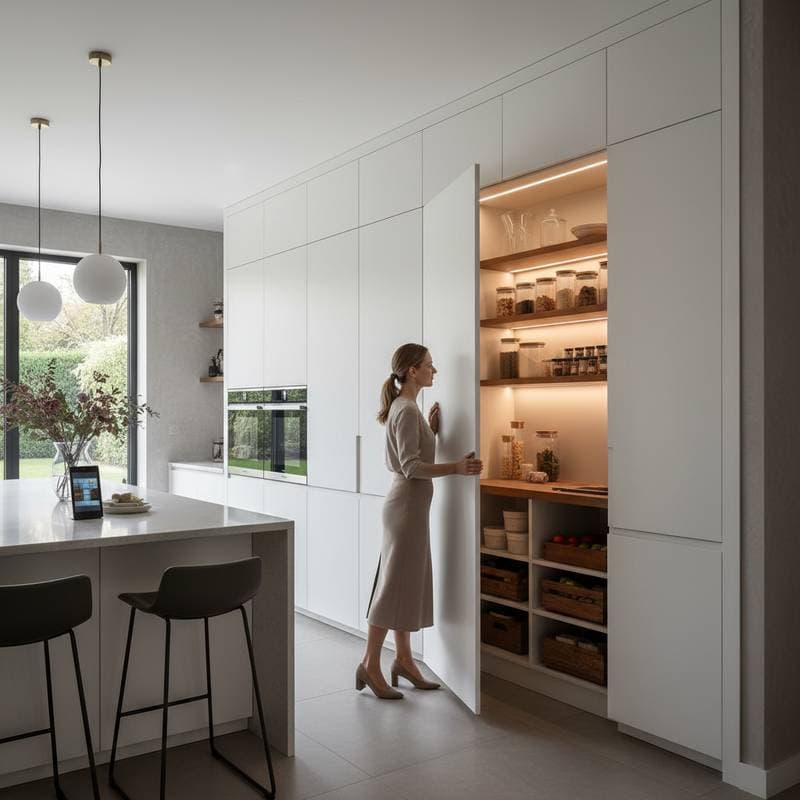
Secret Pantry Walls Boost Home Value 11% by 2026
One-line takeaway: Hidden pantry walls cost $4,000 to $12,000 and can lift resale value by up to 11 percent when designed for both aesthetics and functionality.
Cost Factors
Hidden pantry walls involve several expense categories. Understanding these helps homeowners budget accurately for this upgrade.
1. Materials
- Custom millwork or cabinetry panels: Prices range from $2,500 to $7,000, based on finish options, wood species, and hardware durability.
- Prefabricated hidden door kits: These cost $800 to $2,000 for units designed to fit standard wall openings.
- Drywall and framing adjustments: Allocate $500 to $1,500 if existing walls require modifications to accommodate the installation.
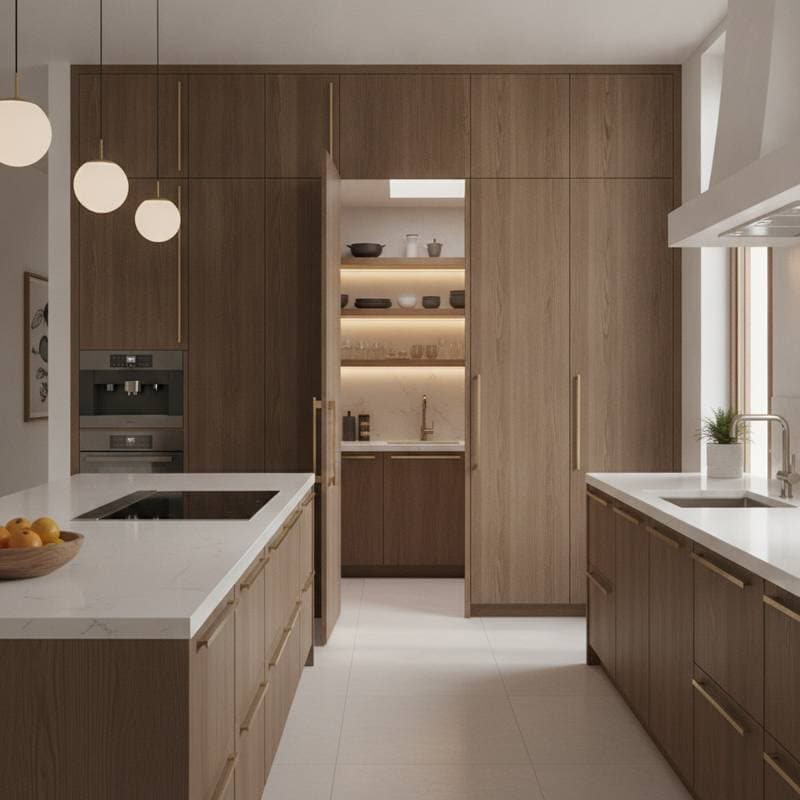
Select materials that match the kitchen's existing style to ensure a cohesive appearance.
2. Labor
Carpenters charge $75 to $150 per hour. Projects typically require 25 to 60 labor hours for tasks such as layout planning, framing, trim work, and final installation.
Finish carpentry drives the majority of labor costs. Precise alignment ensures the wall conceals the pantry effectively without visible seams.
3. Size and Layout
A single-door hidden pantry incurs lower costs than a walk-in design. A concealed double-door setup with built-in shelving and lighting may double both labor and material expenses.
Add $1,000 to $2,500 for features that allow the door to align flush with surrounding trim or baseboards.
4. Access and Framing
In older homes, wall reinforcement or electrical line rerouting may prove necessary. Reserve $300 to $1,000 for electrician services if the pantry includes internal lighting or outlets.
Professionals assess these needs during initial consultations to avoid surprises.
5. Permits and Code Compliance
Structural wall alterations demand permits in most areas. Consult the local building department prior to any demolition work. Permit processing can extend project timelines by one to two weeks.
Compliance ensures the installation meets safety standards and avoids future legal issues.
6. Disposal and Preparation
Disposal fees for materials like drywall, trim, and old cabinetry range from $150 to $400. Factor this into the overall estimate for a complete picture of expenses.
Proper preparation minimizes disruptions during the project.
DIY vs Professional Installation
Homeowners must weigh the benefits of handling the project personally against hiring experts. Each approach suits different skill levels and project complexities.
DIY Installation
Consider this option when:
- You possess carpentry tools and experience with framing and trim installation.
- The wall is non-load-bearing.
- You can achieve precise measurements within a 1/8-inch tolerance.
Potential Risks:
- Misaligned hinges lead to sagging doors or visible gaps.
- Inadequate sealing allows moisture or pests to infiltrate the pantry.
- Incorrect wall cuts compromise structural integrity.
Essential Tools:
- Circular saw, level, stud finder, nail gun, wood filler, and paint sprayer.
- Safety equipment includes goggles, ear protection, gloves, and a dust mask.
- Verify shutoffs for nearby electrical outlets or switches before making cuts.
DIY saves money but demands attention to detail for lasting results.
Hiring a Professional
Engage a licensed contractor in these scenarios:
- The wall is structural or contains plumbing or wiring.
- Seamless integration with existing cabinetry is essential.
- You intend to sell the home soon and require warranty-supported workmanship.
Professionals handle permits, disposal, and finishing touches. Experienced carpenters complete the work more efficiently and typically offer a one-year installation warranty.
Maintenance and Warranties
Hidden pantry walls demand minimal upkeep compared to exposed shelving. Regular attention to components ensures longevity.
Routine Care
- Apply lubricant to hinges twice annually.
- Tighten handles and inspect for rub marks along door-to-trim contact points.
- Clean painted or veneered surfaces using mild soap and a soft cloth.
- Steer clear of harsh cleaners that might damage finishes or expose seams.
These steps preserve the concealed appearance over time.
Expected Lifespan
Quality hinges endure 20 years or more. Panels and trim often surpass the durability of standard cabinetry when protected from moisture. Position the pantry away from direct water sources near sinks or dishwashers.
Warranties
Custom cabinetry providers extend coverage from 1 to 5 years. Hardware warranties span 5 years to lifetime for premium selections. Retain receipts and registration details for potential resale documentation.
Reasons Hidden Pantry Walls Enhance Value
This upgrade combines practicality with visual appeal. It appeals to buyers seeking efficient, modern kitchens.
1. Space Efficiency
Hidden pantries convert unused wall space into organized storage. This design makes kitchens appear more spacious and tidy. Replacing bulky cabinets frees up floor area for additions like islands or seating zones.
2. Aesthetic Appeal
A seamless wall without obvious door outlines creates a custom, upscale ambiance. This feature complements modern and minimalist styles, while also suiting transitional interiors. Neutral finishes integrate smoothly with current cabinetry.
3. Buyer Perception
Market data indicates that properties with concealed storage sell more quickly. Buyers view such elements as signs of thoughtful design and luxury. Appraisers factor integrated storage into overall kitchen valuations.
4. Functional Flexibility
The space serves multiple purposes, such as a cleaning supply closet, wine storage area, or appliance hideaway. Versatile storage enhances daily usability without visual clutter.
5. Security and Privacy
Concealed doors provide discreet protection. Some owners incorporate valuables or small safes within the pantry. This added utility extends beyond mere food organization.
Safety and Compliance Measures
Prioritize safety to prevent accidents and ensure structural soundness.
- Verify load-bearing status before cutting into walls. Unsupported stud removal risks collapse.
- Confirm electrical shutoffs using a non-contact voltage tester prior to drilling.
- Select hinges and hardware rated for the door's weight to avoid failures.
- Ensure adequate ventilation to deter mildew growth in the pantry.
- Adhere to local building codes. Engage an inspector or licensed contractor for structural modifications.
Neglecting these precautions may invalidate insurance policies. Confirm that all framing adjustments comply with residential standards.
Mistakes to Avoid
Common errors can compromise the installation's effectiveness. Address them through careful planning.
- Hasten measurements at your peril. Minor inaccuracies result in uneven doors. Measure twice and test-fit panels before committing.
- Disregard humidity effects. Wood materials expand and contract. Provide 1/8-inch clearance around panels for movement.
- Neglect interior lighting. Dim spaces hinder accessibility. Install low-voltage LED strips for illumination.
- Overload shelves indiscriminately. Position heavy items low and reinforce brackets as necessary.
- Omit primer before painting. This step seals wood and promotes even coverage.
Thorough preparation reduces the need for costly repairs and maintains a flush profile.
Enduring Advantages
This installation elevates everyday kitchen operations and market desirability. Users note improved movement, reduced disarray, and an elevated sense of luxury.
Prospective buyers regard the feature as both distinctive and utilitarian. The investment yields optimal returns when the design harmonizes with the kitchen's overall aesthetic and configuration.
In established homes, it refreshes the layout without extensive renovations. For new constructions, it demonstrates intentional craftsmanship. In both instances, integrated hidden storage correlates with the forecasted 11 percent home value uplift.
Steps to Proceed
- Measure the target wall and determine its load-bearing nature.
- Obtain quotes from at least three contractors, evaluating scope, timelines, and finish specifications.
- Inquire about hinge warranties and alignment mechanisms.
- Prepare for kitchen interruptions by clearing the workspace in advance.
- Select finishes that align with existing cabinets for visual unity.
- Incorporate lighting and ventilation during the open-wall phase for easier wiring.
- Time the installation for stable weather conditions to facilitate optimal paint drying.
A hidden pantry wall introduces refined elegance that enhances living spaces. Proceed with a detailed plan, appropriate funding, and attention to construction essentials. Executed properly, it transforms routine storage into a discreet element that delivers ongoing convenience and substantial resale gains.