Understanding Luxury Primary Suites and Their Appeal
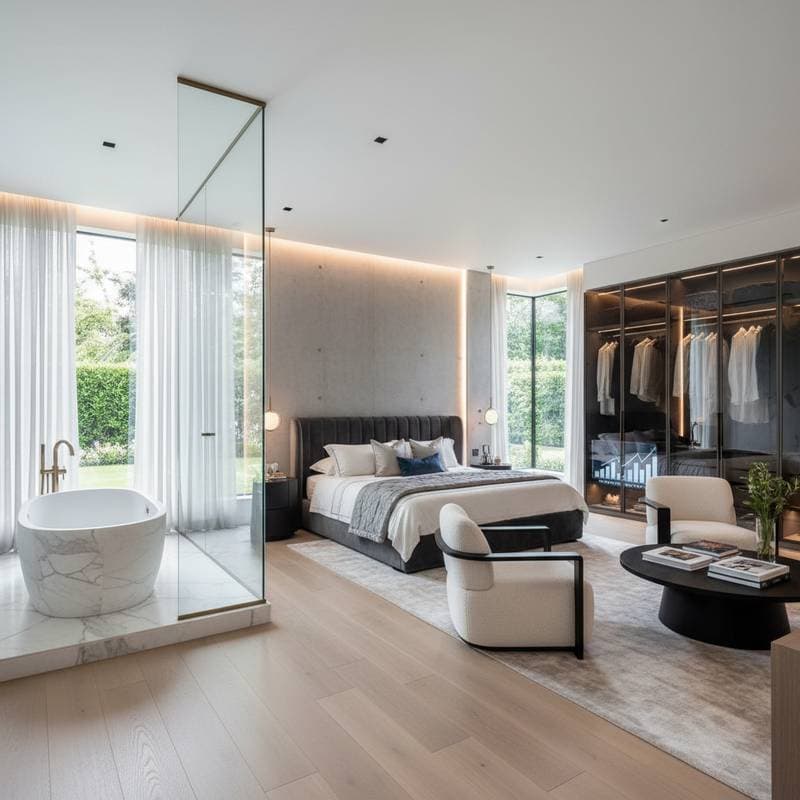
Homeowners increasingly seek ways to transform their living spaces into sanctuaries of comfort and style. A luxury primary suite stands out as a comprehensive upgrade that combines an expansive bedroom with an en-suite bathroom, walk-in closet, and sometimes additional features like a sitting area or private balcony. These additions prioritize privacy and relaxation, making them ideal for modern lifestyles where personal retreats matter.
The appeal extends beyond immediate enjoyment. Such suites elevate a home's overall aesthetic and functionality, appealing to buyers who value high-end amenities. In 2026, with rising demand for spacious, well-appointed living areas, these upgrades position properties favorably in competitive markets.
The Financial Side: Costs and Return on Investment
Undertaking a luxury primary suite project involves significant expense. Industry averages place the total cost at approximately $140,000 for a standard 400 to 600 square foot addition. This figure accounts for design, materials, labor, and necessary permits. Costs vary by location, with urban areas often commanding higher prices due to labor rates and regulatory requirements.
Return on investment emerges as a key consideration. Data from recent real estate analyses indicate that well-designed luxury primary suites recoup 55 to 65 percent of their cost at resale. This range depends on execution quality and market conditions. For instance, suites that integrate seamlessly with the home's architecture tend to boost property values more effectively than mismatched additions.
Several elements influence this ROI. Suite size plays a pivotal role; larger spaces exceeding 600 square feet may yield higher returns in upscale neighborhoods but risk over-improvement in modest areas. Premium materials, such as quartz countertops, custom cabinetry, and energy-efficient fixtures, enhance durability and appeal, justifying the investment. Timing also matters: completing the project during favorable economic periods maximizes resale potential.
Key Construction Considerations
Building a luxury primary suite requires careful planning to address structural and utility challenges. Homeowners must anticipate complexities that could impact budget and timeline.
- Load-bearing wall removal: Altering existing structures demands engineering assessments to ensure stability. Professionals reinforce openings with beams or columns to maintain integrity.
- New electrical circuits: Modern suites require dedicated wiring for lighting, outlets, and smart home systems. Compliance with current codes prevents future hazards and supports resale value.
- Natural gas or propane line work: If incorporating features like fireplaces or cooktops, utility lines need extension or relocation. Safety inspections verify proper installation.
- Major plumbing relocation: Ensuite bathrooms involve rerouting pipes for sinks, showers, and toilets. This step often uncovers unexpected issues, such as outdated infrastructure.
These elements highlight the importance of thorough preparation. Engaging experienced contractors minimizes disruptions and ensures the project adheres to building standards.
Planning Your Project: Actionable Steps
Success hinges on strategic decisions from the outset. Follow these steps to navigate the process efficiently.
- Establish a budget range prior to initiating design. Factor in a 10 to 15 percent contingency for unforeseen expenses, such as material price fluctuations or structural surprises.
- Select a design-build team that manages permits, architectural drawings, and engineering internally. This integrated approach streamlines coordination and reduces errors.
- Obtain at least three itemized bids detailing costs for materials, labor, and potential contingencies. Compare these to identify value without compromising quality.
- Book your schedule early to complete framing stages before seasonal wet weather arrives. Delays from inclement conditions can inflate costs and extend timelines.
- Define essential features upfront, including desired suite dimensions, bathroom configuration, and storage solutions. This clarity guides design and prevents costly revisions.
- Verify local zoning and setback regulations before approving final plans. Adhering to these rules avoids permit denials and legal complications.
By addressing these priorities, homeowners create a roadmap that balances ambition with practicality.
Maximizing Long-Term Value
Decide on the project's scope based on your residency plans. For those intending to remain in the home for an extended period, the enhanced comfort and privacy outweigh pure financial returns. Features like spa-inspired bathrooms or built-in organization systems enrich daily life.
If resale drives the decision, target a midrange luxury suite that aligns with comparable properties in the area. Focus on timeless finishes and functional layouts to attract broad buyer interest. Ultimately, this investment not only refines your current space but also secures enduring property equity.