Unlocking Property Value Through Basement Transformations
Homeowners increasingly seek ways to enhance living spaces without expanding outward. Converting an unused basement into a private gym represents a strategic renovation that combines personal wellness with financial gain. This approach not only elevates daily routines but also positions the property for stronger market performance in 2026.
Market analyses predict a surge in demand for homes featuring integrated fitness areas. Such additions appeal to buyers prioritizing health and convenience post-pandemic. A well-executed basement gym can distinguish a property in competitive real estate landscapes.
Assessing the Financial Upside
Investing in a basement gym yields measurable returns on investment. Projections indicate a potential 15 percent increase in property value by 2026, driven by rising interest in home-based wellness. This boost stems from the gym's role as a premium feature that reduces the need for external gym memberships.
Costs typically range from $25,000 to $40,000, depending on size, equipment, and finishes. These expenses cover structural modifications, flooring, lighting, and essential systems. Homeowners recoup investments through enhanced resale prices and immediate lifestyle improvements.
Factors influencing ROI include location and build quality. Urban properties benefit most, as space constraints amplify the appeal of hidden fitness zones. Professional appraisals confirm that durable, code-compliant gyms sustain value over time.
Planning Your Hidden Gym Space
Begin by evaluating the basement's current condition. Inspect for structural integrity, ensuring walls and floors support added weight from equipment. Measure the space to accommodate essentials like cardio machines, weights, and open areas for yoga or stretching.
Determine your fitness goals to guide the layout. A dedicated runner might prioritize treadmill space, while strength enthusiasts require free weights and racks. Allocate zones for storage and recovery, such as a small sauna or stretching mat area.
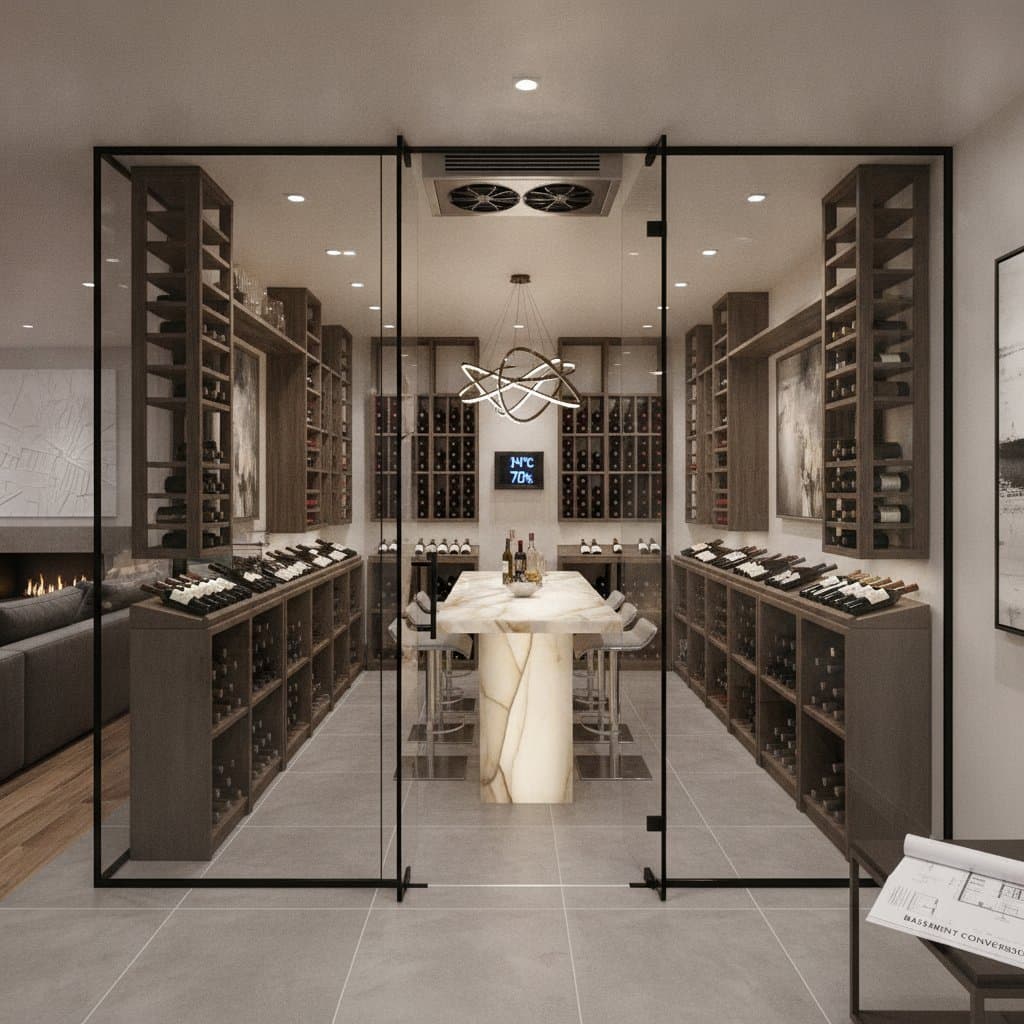
Consult local zoning regulations early. Basements often require permits for electrical and plumbing upgrades. Engage an architect or contractor familiar with residential fitness conversions to draft blueprints that maximize natural light and flow.
Essential Construction Considerations
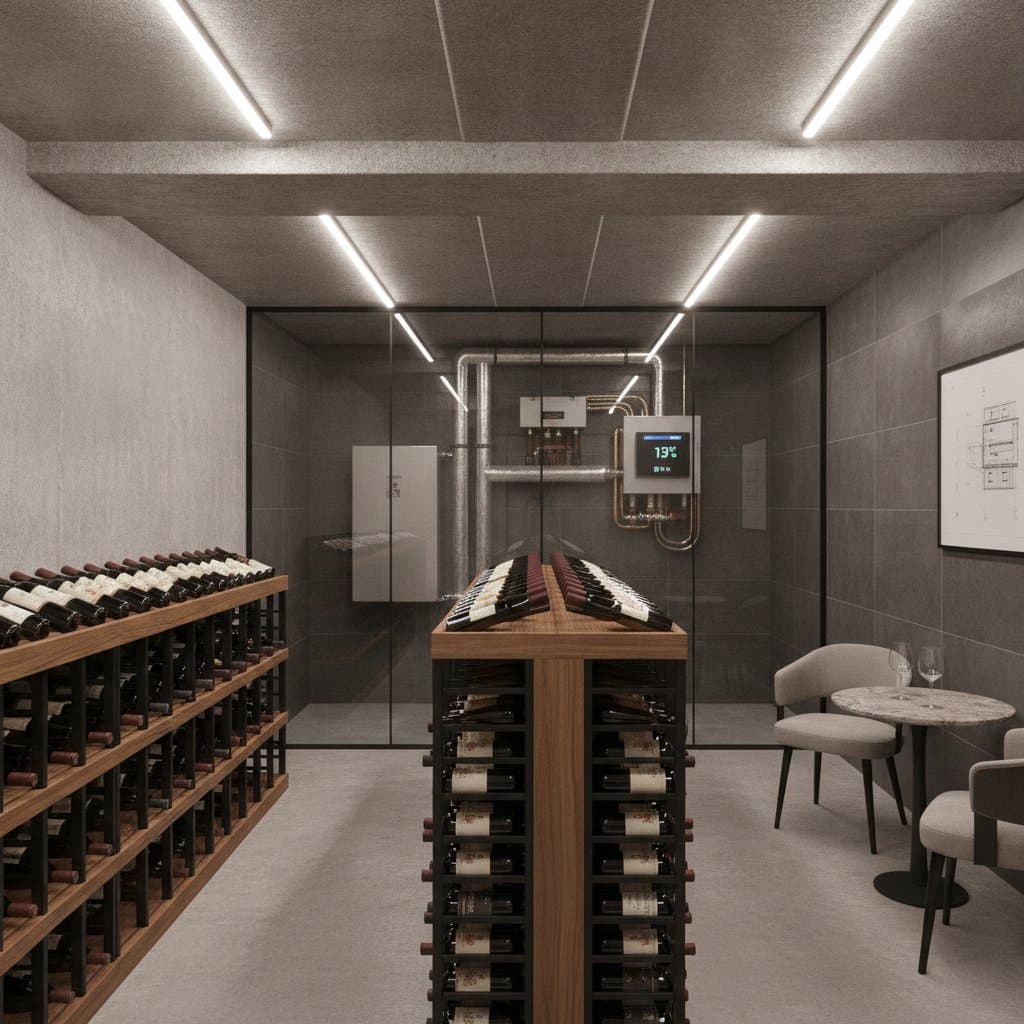
Moisture control forms the foundation of a successful basement gym. Install vapor barriers and dehumidifiers to prevent mold in damp environments. Proper drainage systems direct water away from the foundation, preserving equipment and flooring longevity.
Ventilation ensures air quality during workouts. Incorporate high-efficiency HVAC units or exhaust fans to circulate fresh air and reduce humidity. Soundproofing materials on walls and ceilings minimize noise transmission to upper levels, enhancing privacy.
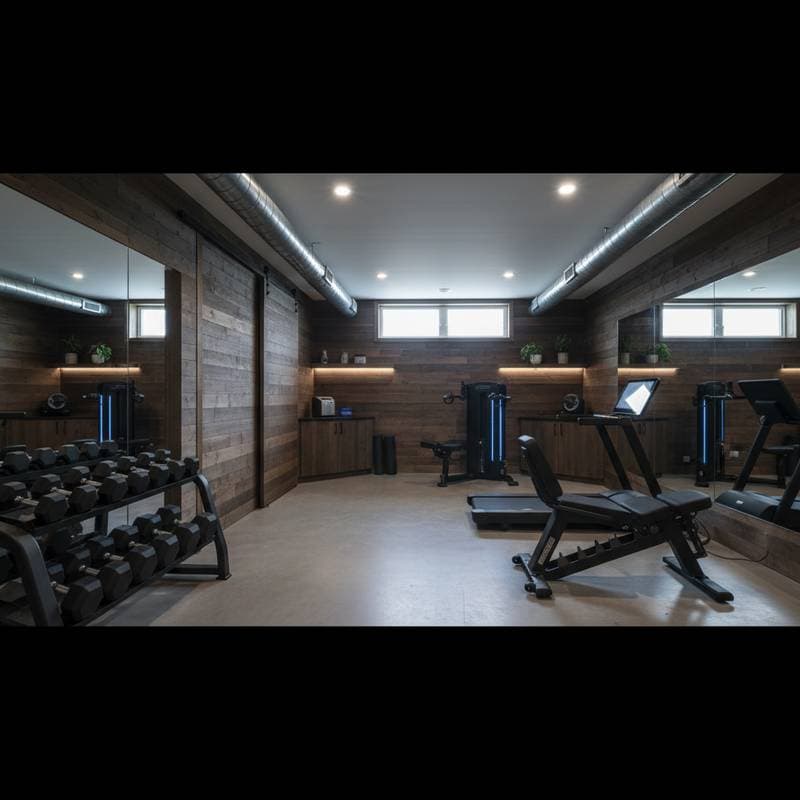
Select durable, low-maintenance materials. Rubberized flooring absorbs impact and protects subfloors, while mirrored walls create an illusion of spaciousness. LED lighting systems provide adjustable brightness for various activities, from high-intensity sessions to calm cool-downs.
Step-by-Step Renovation Guide
- Clear and prepare the space: Remove debris and seal cracks in walls and floors to establish a clean base.
- Address utilities: Upgrade electrical outlets for high-power equipment and add plumbing if including a shower or sink.
- Install structural elements: Reinforce joists if needed and add insulation for temperature regulation.
- Lay flooring and walls: Apply anti-slip surfaces and finish walls with moisture-resistant paint or panels.
- Equip and furnish: Integrate storage solutions and motivational decor to complete the functional setup.
- Final inspections: Verify compliance with building codes through professional walkthroughs.
Integrating Smart Technology
Modern basement gyms thrive on technology integration. Install smart mirrors that stream workouts and track progress without cluttering space. Connected devices monitor heart rates and adjust lighting based on activity levels.
Wireless audio systems deliver immersive sound for motivation. App-controlled climate settings maintain optimal temperatures year-round. These features appeal to tech-savvy buyers, further elevating perceived value.
Budget for scalable tech upgrades. Start with basics like Bluetooth speakers and expand to full home automation. Such investments future-proof the space against evolving fitness trends.
Navigating Challenges and Solutions
Basement renovations present unique hurdles, such as limited natural light. Combat this with full-spectrum bulbs that mimic daylight, reducing fatigue during sessions. Strategic window wells or light tubes can introduce subtle illumination without compromising privacy.
Egress requirements demand attention for safety. Ensure at least one operable window or door meets local fire codes for emergency exits. Professional oversight during construction mitigates risks and avoids costly rework.
Allergy concerns arise in enclosed spaces. Use hypoallergenic materials and HEPA filters in ventilation systems. Regular maintenance schedules keep the environment clean and inviting.
Realizing Long-Term Benefits
A hidden basement gym transforms routine exercise into a seamless part of home life. Families gain privacy for personal training, eliminating commute times to public facilities. This convenience fosters consistent habits that enhance overall well-being.
Resale advantages extend beyond immediate ROI. Buyers view the gym as a turnkey wellness hub, often paying premiums for move-in-ready features. Sustainable designs with energy-efficient elements align with eco-conscious market shifts.
Homeowners report higher satisfaction from multifunctional spaces. The investment pays dividends in health, happiness, and financial security. By 2026, such renovations position properties at the forefront of desirable real estate trends.
Securing Professional Expertise
Partner with contractors experienced in basement conversions. They handle permits, sourcing materials, and timeline management efficiently. References from similar projects ensure reliability and quality outcomes.
Architects provide custom designs tailored to your vision. Interior specialists recommend layouts that blend functionality with aesthetics. This collaborative approach minimizes disruptions and maximizes results.
Post-construction support includes warranties on workmanship. Ongoing advice on maintenance preserves the gym's appeal. Investing in expertise safeguards your renovation's success and value.