Wet Rooms: The 2026 Bathroom Trend Replacing Tubs and Boosting Home Value by 11 Percent
Average installation cost: $14,000 for a standard wet room, which contributes approximately 11 percent to increased resale value.
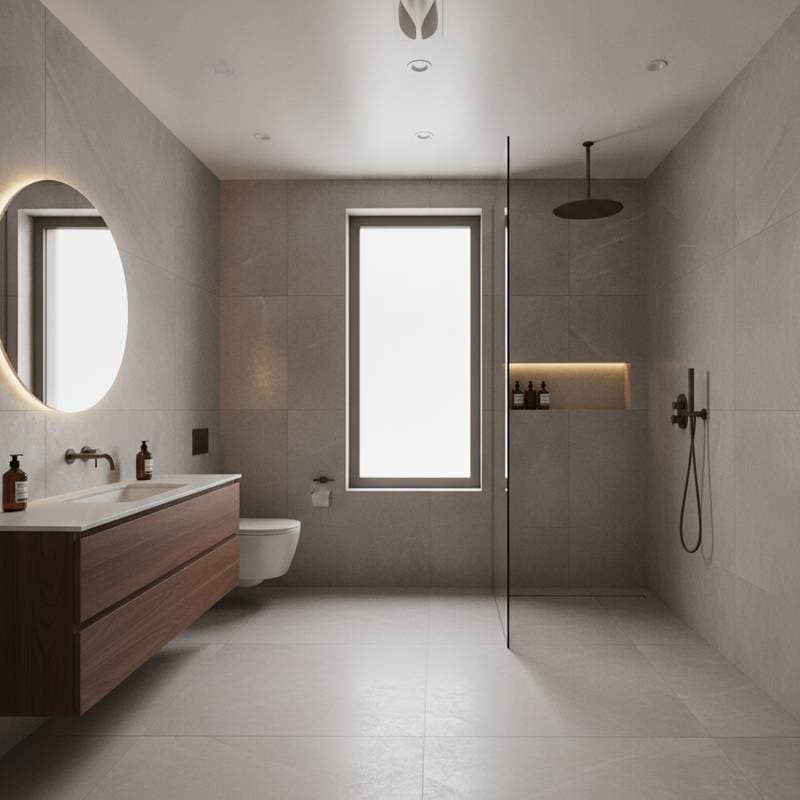
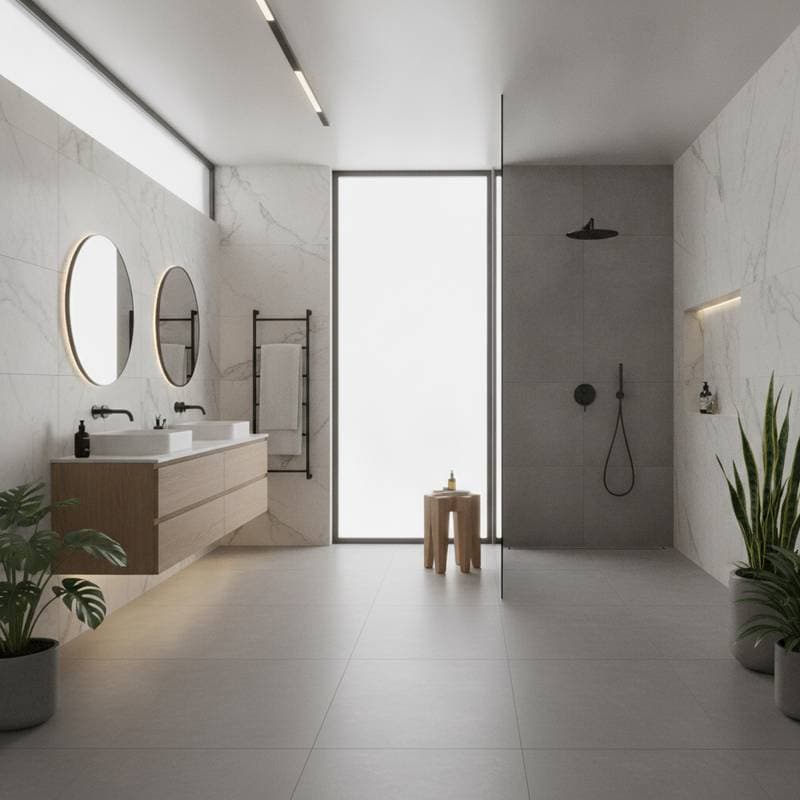
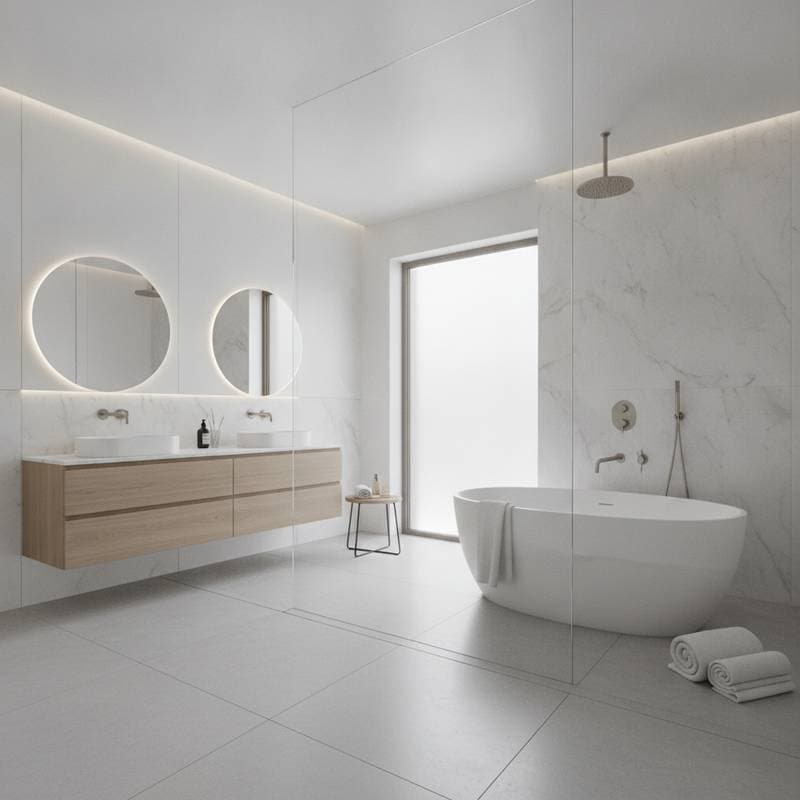
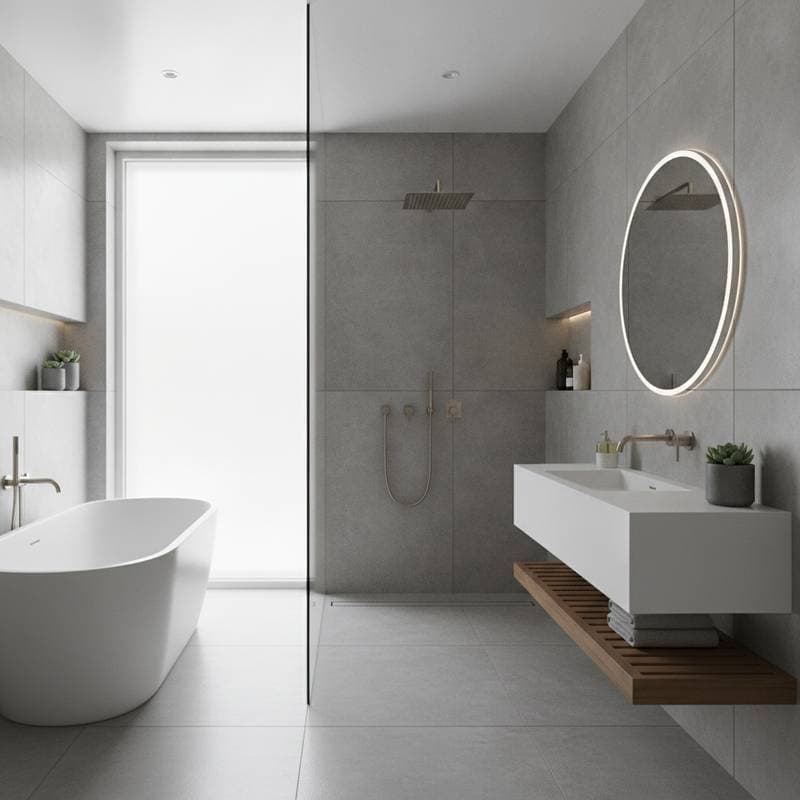
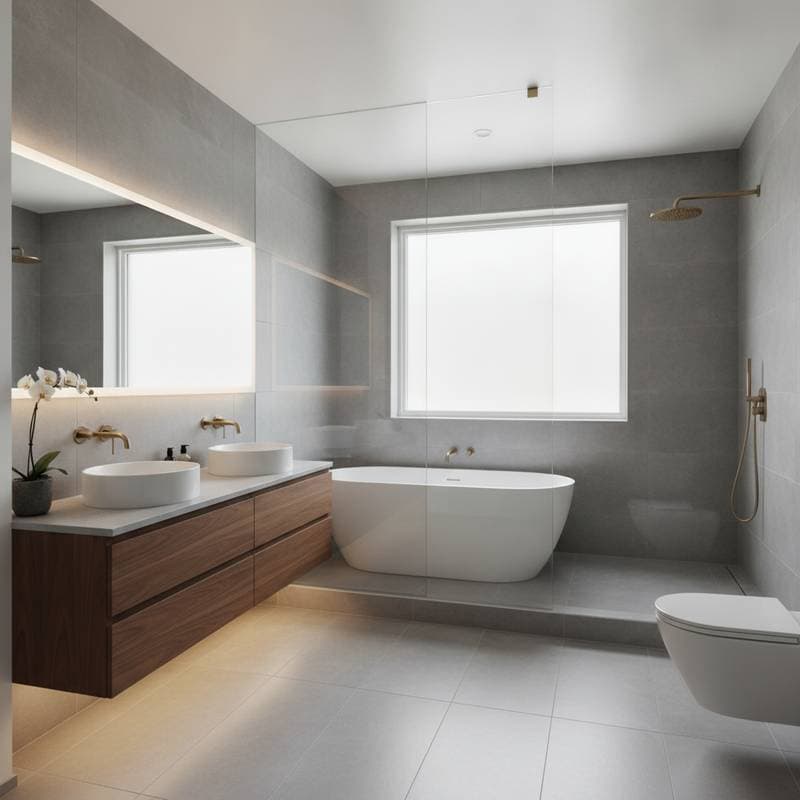
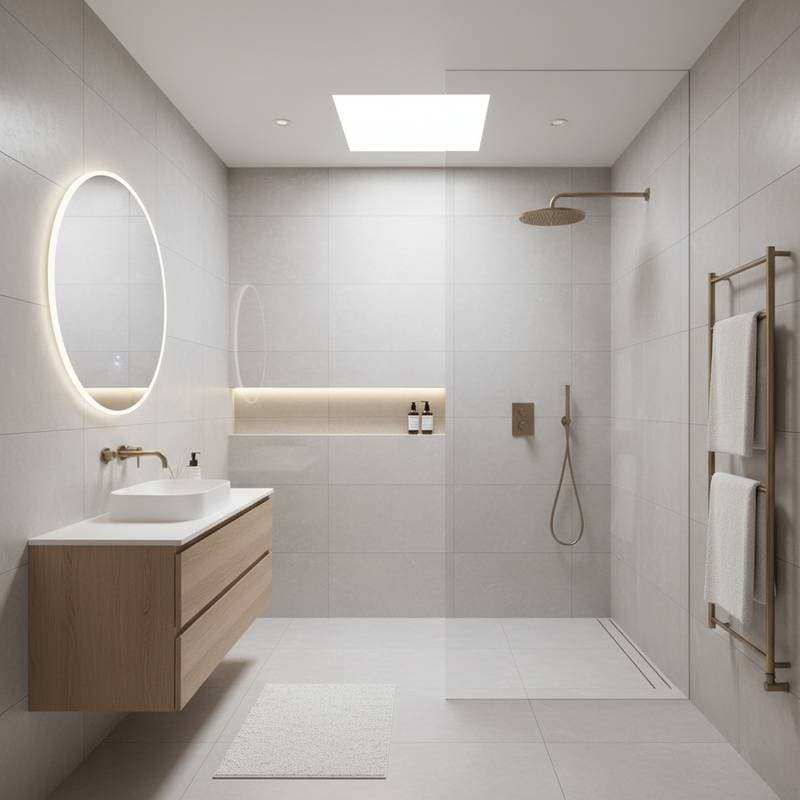
A wet room integrates the shower area directly into the bathroom floor, creating a fully waterproofed environment that drains efficiently through the floor. This design eliminates separate bathtubs and shower enclosures, resulting in a more spacious and modern appearance suitable for bathrooms of any size. Homeowners benefit from enhanced comfort during daily use and a measurable uplift in property market value.
Key Benefits of Wet Rooms
Wet rooms provide several advantages that align with evolving homeowner preferences. The open layout maximizes perceived space, making even compact bathrooms feel larger and more inviting. Maintenance becomes simpler due to the absence of curbs or doors that trap moisture and grime. For resale, real estate experts note that these features appeal to buyers seeking contemporary, low-maintenance luxury, often justifying the investment through higher offers.
In terms of durability, properly installed wet rooms last 20 years or more, outperforming traditional setups prone to mold and leaks. They also support accessibility modifications, such as zero-threshold entries, which broaden appeal for aging-in-place designs. Overall, this trend reflects a shift toward practical elegance in home renovations.
Factors Influencing Installation Costs
Understanding cost components helps homeowners budget effectively for a wet room project. Prices vary based on materials, labor, and site-specific challenges, but informed choices can optimize value.
1. Materials Selection
High-quality tile, grout, waterproof membranes, and linear drains form the foundation of expenses. Opt for large-format porcelain tiles, which reduce installation time and grout lines compared to intricate mosaic patterns, thereby lowering overall costs while maintaining a sleek finish.
2. Labor Requirements
Professional rates range from $70 to $110 per hour for specialists in waterproofing and tiling. Experienced teams ensure proper application of membranes and precise floor sloping, which are essential for preventing water damage and extending the room's lifespan.
3. Bathroom Size and Layout Complexity
For bathrooms smaller than 50 square feet, expect costs between $9,000 and $12,000. Larger primary suites may exceed $25,000, particularly with additions like heated flooring or custom frameless glass partitions that enhance the open aesthetic.
4. Access and Plumbing Adjustments
Relocating drains or modifying floor levels incurs additional fees of $1,000 to $3,000. Properties with slab foundations require extra preparation to establish the necessary slope for effective drainage, increasing complexity.
5. Permits, Inspections, and Testing
Allocate $300 to $800 for required permits and professional inspections. Waterproof integrity tests, conducted prior to tiling, confirm the system's reliability and comply with local building codes in most regions.
DIY Approaches Versus Professional Installation
Homeowners weigh options between self-managed projects and expert involvement based on skill level and project scope.
DIY Considerations
Individuals with construction experience can manage demolition, surface preparation, painting, and fixture installations. However, tasks like floor sloping and tile laying demand precision; errors may lead to concealed leaks that damage structural elements such as framing and subfloors over time.
Professional Recommendations
Engage licensed contractors specializing in waterproofing and tiling for critical phases, including slope formation, membrane installation, and drain setup. Seek professional assistance if the subfloor appears uneven, plumbing access proves difficult, or personal expertise in tiling remains limited. Certified installers provide peace of mind through adherence to standards and extended warranties.
Project Timeline and Cost-Saving Strategies
Wet room renovations typically span 3 to 5 weeks, accounting for waterproofing applications and tile curing periods. Custom glass elements may extend timelines by an additional week due to manufacturing delays.
To minimize expenses:
- Schedule work during off-peak seasons, such as winter, when labor rates often decrease.
- Inquire about incentives or rebates for installing low-flow plumbing fixtures that promote water conservation.
- Reserve an extra 10 to 15 percent of the budget for unforeseen issues, especially in homes built before 1980.
- Integrate complementary upgrades, like new lighting fixtures or wall paint, during the open construction phase to avoid future disruptions.
These approaches not only control costs but also enhance the overall quality and cohesion of the renovation.
Ongoing Maintenance and Warranty Essentials
Preserving a wet room's condition requires consistent care to sustain its appearance and functionality. Wipe down tile and grout surfaces monthly to avoid residue accumulation. Reseal natural stone elements biennially to protect against stains and wear.
Remove and clean drain covers every three months to prevent clogs from hair and soap buildup. Reputable waterproofing systems, when installed by certified professionals, include 10-year warranties covering material defects and installation flaws. Retain all records and receipts, as they serve as valuable documentation during home sales to verify quality and justify value additions.
Steps to Plan and Execute Your Wet Room Upgrade
Begin the process by obtaining detailed quotes from multiple waterproofing specialists to establish a realistic budget. Evaluate tile dimensions and drain configurations that complement your bathroom's dimensions and style preferences.
Prioritize a linear drain paired with a subtle floor slope to ensure complete water runoff, minimizing risks of pooling and mold development. Consult with designers on integrating features like rainfall showerheads or built-in shelving for added luxury. A thoughtfully constructed wet room not only elevates daily routines with its spacious, modern design but also secures a premium return on investment through enhanced property appeal.