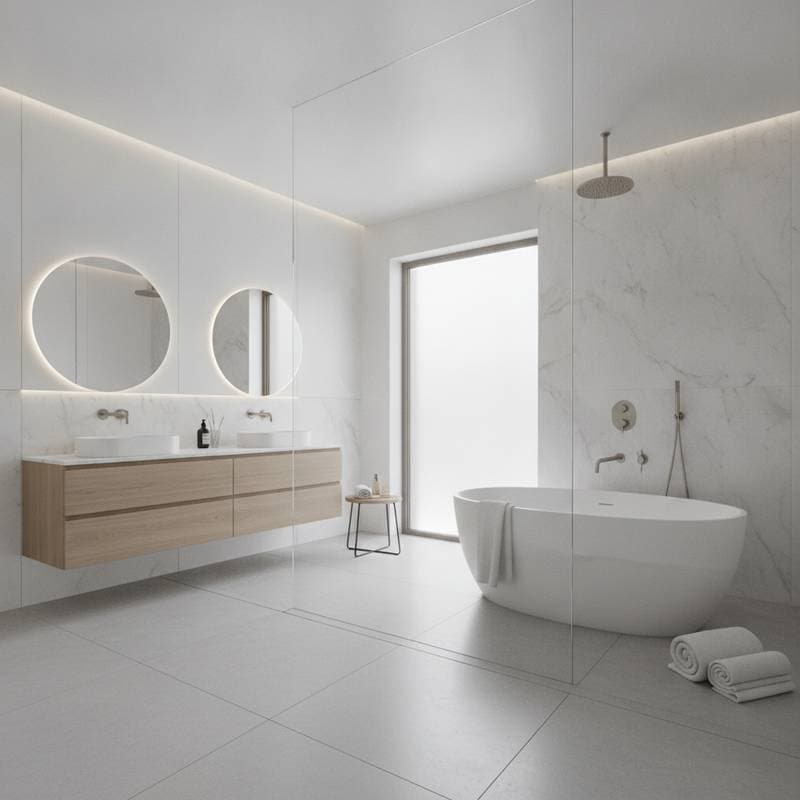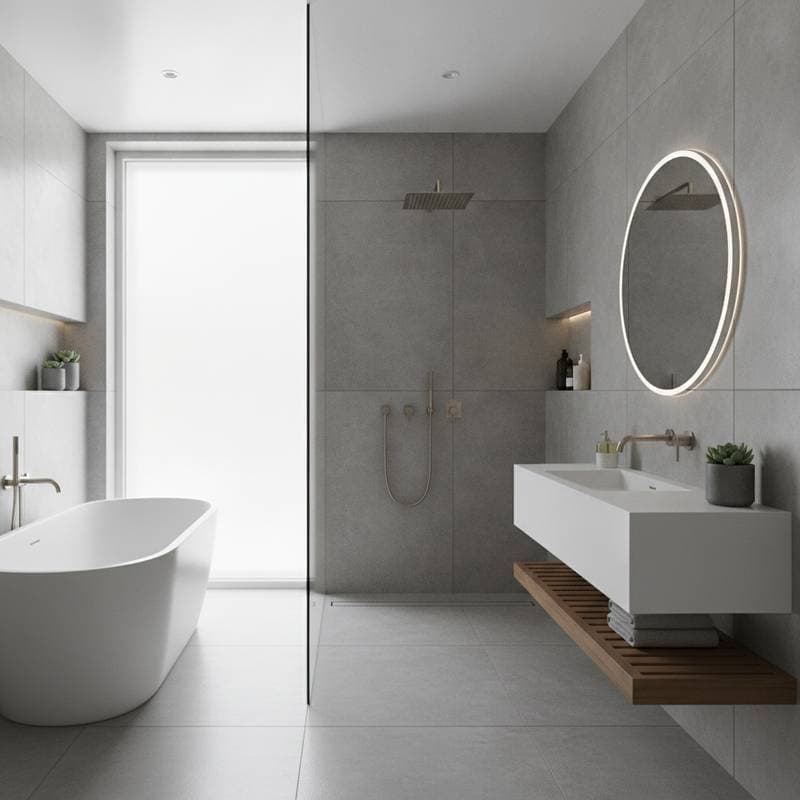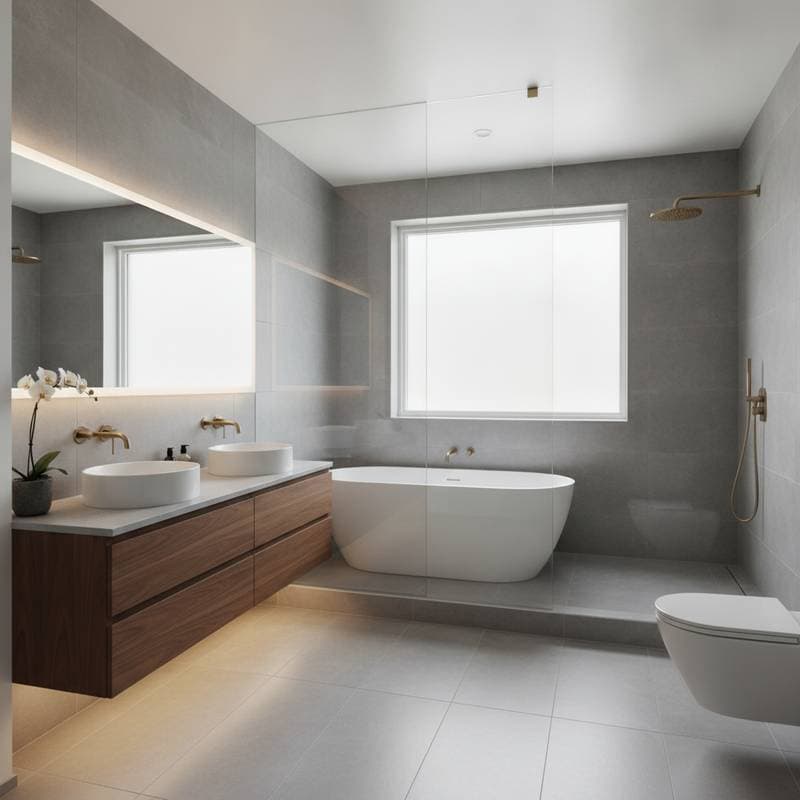
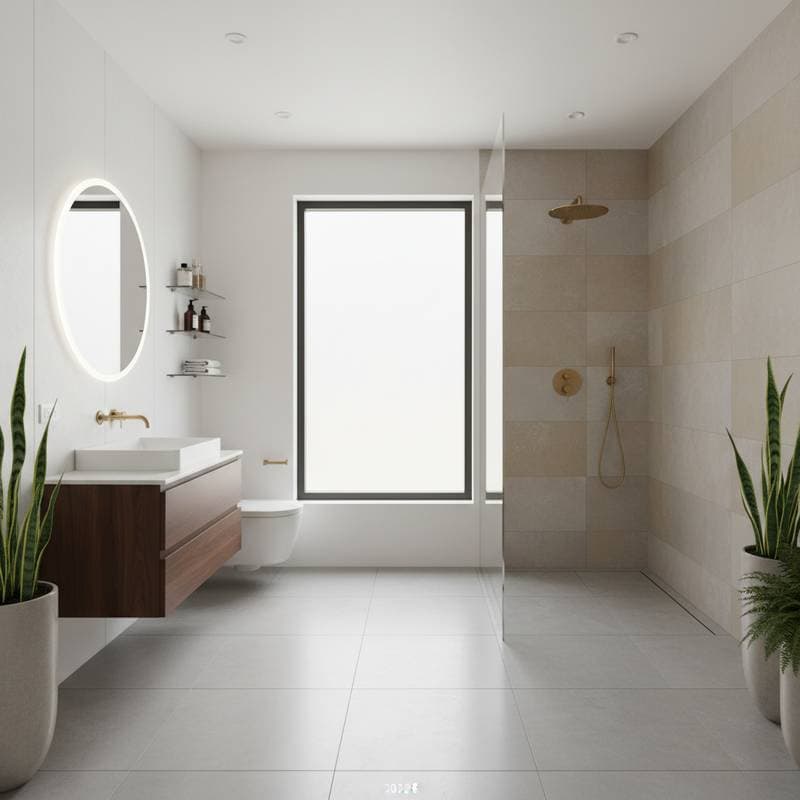
Understanding Wet Rooms and Their Appeal
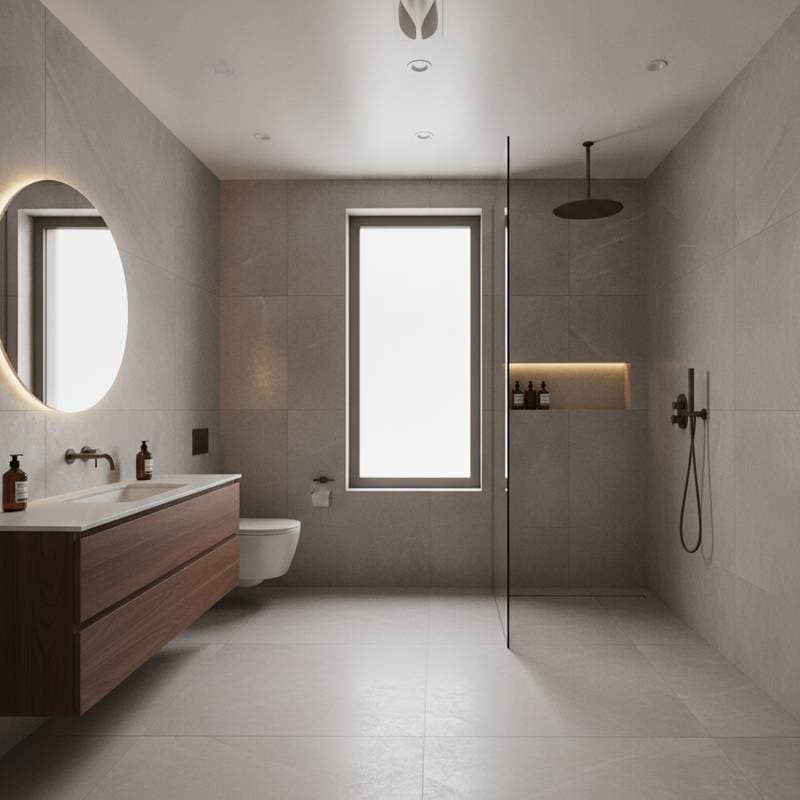
A wet room represents a fully waterproof bathroom design where the shower area integrates seamlessly with the rest of the space, eliminating the need for a separate enclosure. This open layout creates a spa-like atmosphere that prioritizes accessibility and minimalism. Homeowners increasingly favor wet rooms for their practicality and modern aesthetic, which align with current trends in residential design.
The transition from conventional bathrooms to wet rooms involves strategic planning to ensure functionality and style. These spaces accommodate universal design principles, making them suitable for aging in place or accommodating guests with mobility needs. As real estate markets evolve, such upgrades position properties favorably among competitive listings.
The Impact on Home Resale Value
Recent market analyses indicate that incorporating a wet room can boost a home's resale value by approximately 11 percent. This figure derives from studies of properties in urban and suburban areas where modern bathroom features command premium prices. Buyers perceive wet rooms as a sign of thoughtful renovation, reflecting a commitment to quality and forward-thinking living.
Factors contributing to this value increase include the perceived luxury and low-maintenance nature of the design. In regions with high demand for accessible homes, such as coastal cities, the return on investment becomes even more pronounced. Sellers who prioritize this upgrade often see faster sale times and higher offers compared to homes with outdated bathrooms.
To quantify the benefit, consider a mid-range home valued at $500,000; a wet room addition could add $55,000 to its worth. This enhancement not only recoups installation expenses but also provides a buffer against market fluctuations. Professional appraisers consistently highlight bathrooms as key value drivers, underscoring the strategic importance of this feature.
Breaking Down the Costs
Installing a wet room typically ranges from $15,000 to $30,000, depending on size, materials, and location. Basic conversions in smaller bathrooms start at the lower end, while custom designs with premium fixtures push costs higher. Labor accounts for about 40 percent of the total, emphasizing the need for skilled contractors experienced in waterproofing.
Key expenses include:
- Tanking and Waterproofing: Essential membranes and sealants cost $2,000 to $5,000 to prevent leaks.
- Flooring and Drainage: Sloped, non-slip tiles and linear drains add $3,000 to $7,000.
- Fixtures and Fittings: Walk-in showers, vanities, and lighting range from $5,000 to $10,000.
- Plumbing Adjustments: Relocating pipes or installing new systems may incur $2,000 to $4,000.
Homeowners can mitigate expenses by selecting durable, mid-tier materials that balance cost and longevity. Consulting local suppliers early helps identify budget-friendly options without compromising quality. Financing through home equity loans or renovation grants can further ease the financial burden.
Essential Design Tips for Success
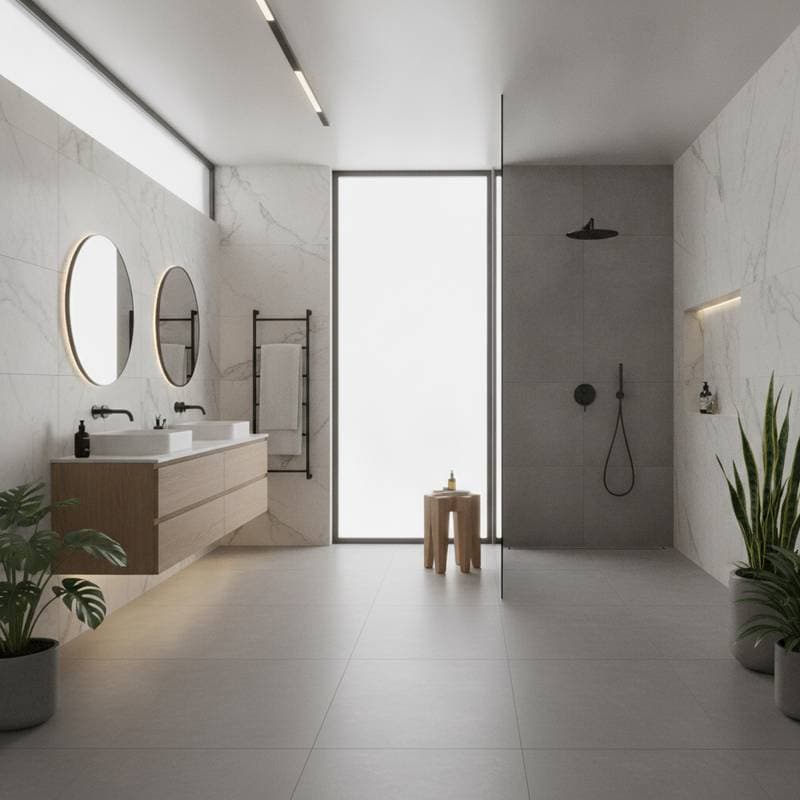
Effective wet room design begins with space assessment to ensure adequate flow and accessibility. Opt for level-entry showers to eliminate barriers, enhancing safety for all users. Incorporate ample natural light through frosted glass panels or skylights to amplify the sense of openness.
Material choices play a crucial role in achieving a cohesive look. Select large-format porcelain tiles for walls and floors to minimize grout lines and simplify cleaning. Integrate underfloor heating for comfort, particularly in cooler climates, and choose matte finishes to reduce slip risks.
Consider these practical elements:
- Storage Solutions: Recessed shelves and floating vanities maximize space without cluttering the area.
- Lighting Layers: Combine ambient, task, and accent lights for versatility and mood setting.
- Color Palette: Neutral tones with bold accents create a timeless appeal that resonates with buyers.
Balancing form and function ensures the wet room serves daily needs while elevating the home's overall character. Collaborating with an interior designer can refine these details to match personal style and market preferences.
Step-by-Step Installation Guide
Professional installation guarantees the wet room's performance and compliance with building codes. Start by hiring a licensed contractor who specializes in bathroom renovations. They will conduct a site survey to evaluate structural integrity and plumbing feasibility.
The process unfolds in phases:
- Demolition and Preparation: Remove existing fixtures and prepare surfaces for waterproofing, typically taking 2-3 days.
- Waterproofing Application: Install tanking systems and test for leaks to safeguard against moisture damage.
- Plumbing and Drainage Setup: Route pipes and install drains with precise sloping for efficient water runoff.
- Tiling and Fixtures: Lay tiles and mount hardware, followed by grouting and sealing.
- Final Testing and Finishing: Verify functionality, apply sealants, and add accessories.
Completion usually requires 1-2 weeks, minimizing disruption. Post-installation maintenance involves regular cleaning with mild solutions to preserve surfaces. Addressing any issues promptly extends the feature's lifespan and protects the investment.
Strategies to Maximize Return on Investment
To optimize the 11 percent value uplift, focus on features that appeal to broad demographics. Emphasize eco-friendly elements, such as low-flow fixtures, to attract environmentally conscious buyers. Document the renovation process with before-and-after photos for listing materials.
Timing the upgrade aligns with market cycles; renovations completed before peak selling seasons yield higher returns. Pair the wet room with complementary updates, like energy-efficient lighting, to enhance perceived value. Real estate agents recommend highlighting accessibility benefits in marketing to differentiate the property.
Long-term, this addition reduces utility costs through efficient water use and simplifies upkeep. Sellers who view the wet room as a holistic enhancement rather than an isolated project achieve superior outcomes. By integrating it thoughtfully, homeowners secure both immediate financial gains and enduring lifestyle improvements.
Realize the Full Potential of Your Bathroom Upgrade
Transforming a bathroom into a wet room delivers tangible benefits in value, convenience, and enjoyment. This investment aligns with evolving buyer expectations for modern, adaptable spaces. Proceed with confidence by selecting quality materials and expert guidance to unlock the full 11 percent appreciation.
Properties featuring such upgrades stand out in competitive markets, appealing to families, professionals, and retirees alike. The result is a home that not only sells faster but also reflects superior craftsmanship. Embrace this opportunity to elevate your living environment and financial position.