Why Zero-Threshold Showers Sell Homes Faster
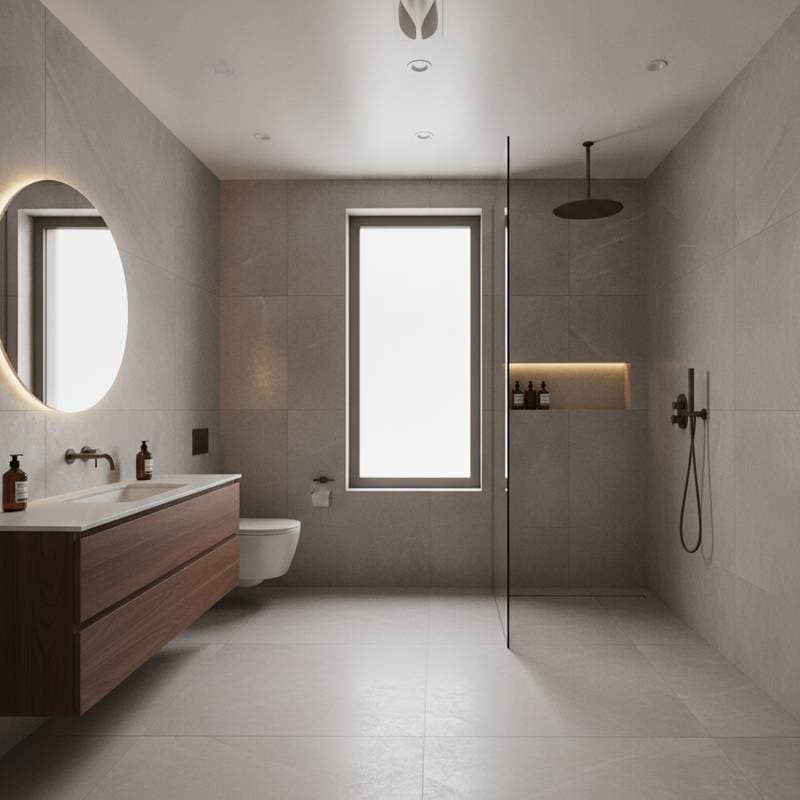
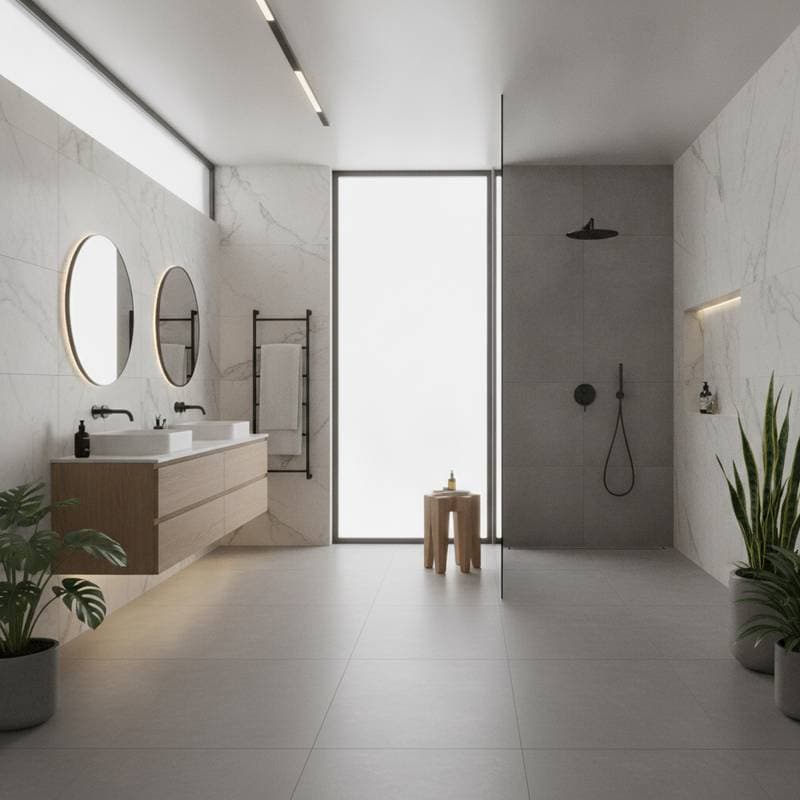
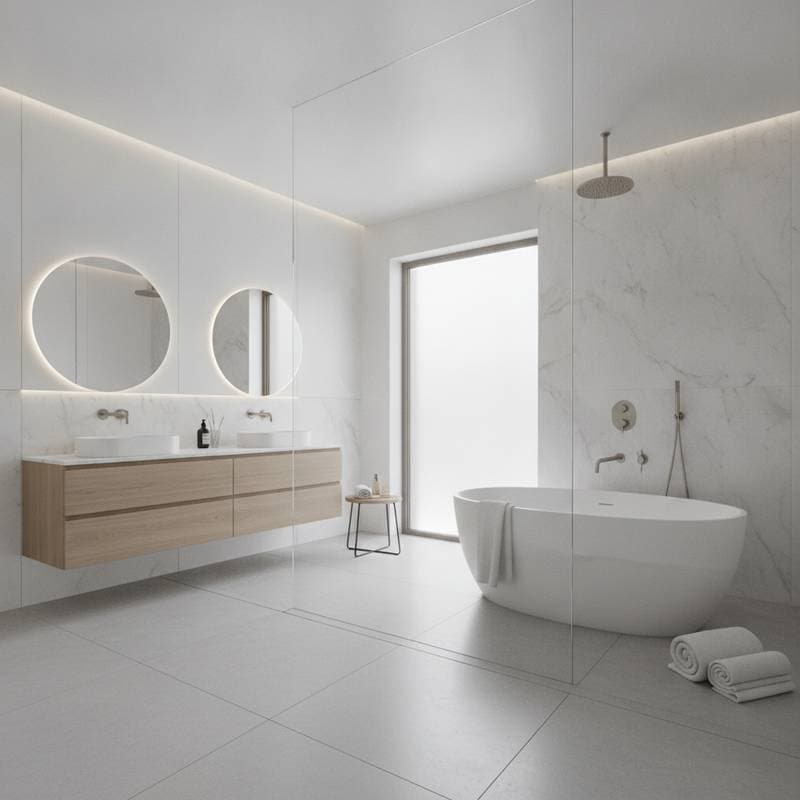
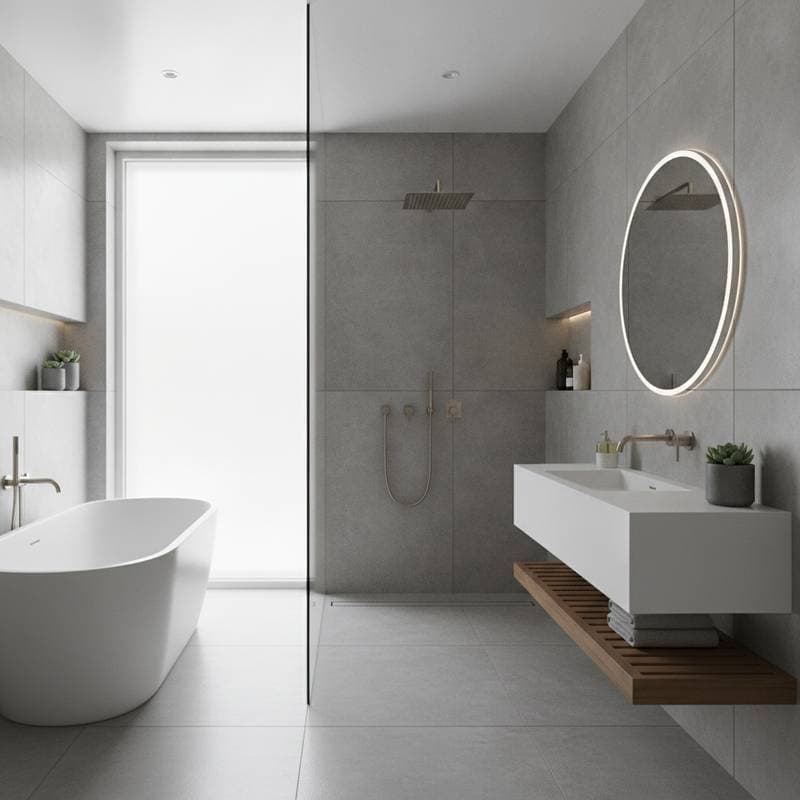
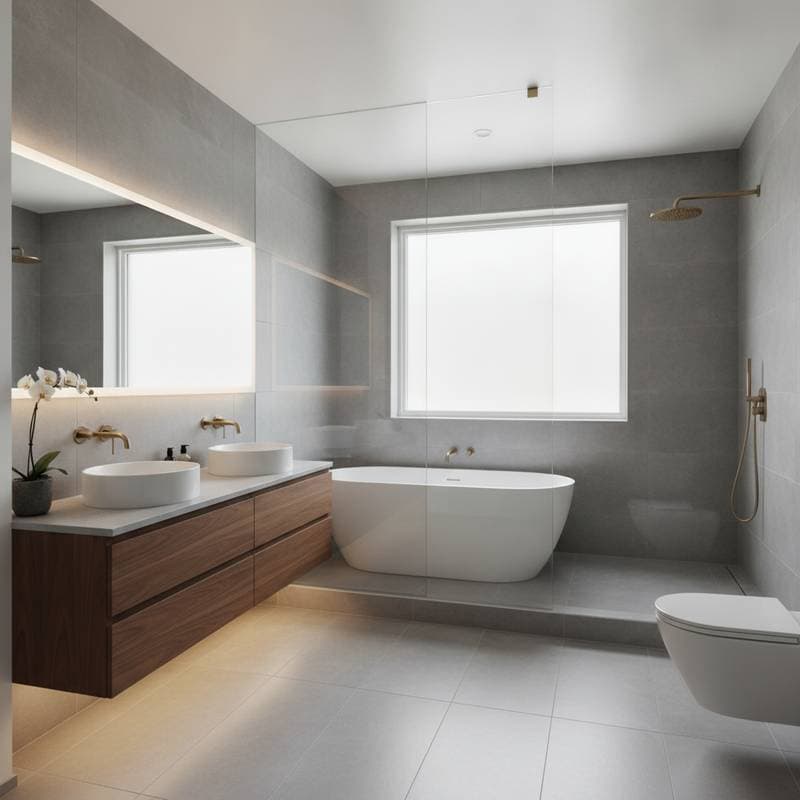
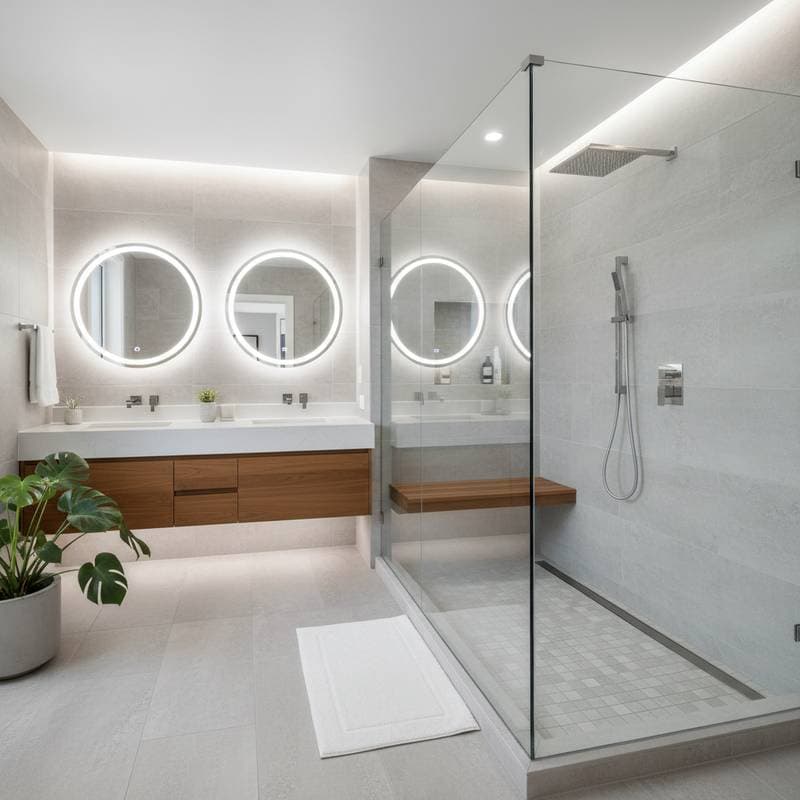
A zero-threshold shower, also known as a curbless or walk-in shower, features no raised edge at the entry point. The bathroom floor transitions seamlessly into the shower area. Homeowners select this design for its clean, contemporary aesthetic and improved accessibility. Such showers suit remodeling efforts that emphasize ease of use, increased property value, and suitability for extended occupancy.
Cost Overview
The national average cost ranges from $4,800 to $9,000 for a mid-range bathroom installation. Most projects fall between $6,000 and $8,000. High-end installations or those with intricate layouts may exceed $12,000.
Several factors influence the total expense:
- Selection of tile material and dimensions
- Type of drain and waterproofing system
- Necessity of structural modifications to lower the floor level
- Quality of the glass enclosure
- Local labor rates and required permits
Although a zero-threshold shower demands a higher investment than a conventional shower pan, it frequently accelerates home sales. Prospective buyers appreciate its blend of visual appeal and functionality.
Advantages and Disadvantages
Advantages
- Facilitates entry for individuals of all ages and mobility capabilities
- Creates a modern, expansive visual effect
- Simplifies cleaning due to reduced corners and seams
- Enhances resale potential in urban and suburban settings alike
- Integrates effectively with radiant floor heating systems
Disadvantages
- Involves elevated installation costs and technical demands
- Demands precise waterproofing expertise
- Often requires structural alterations to recess the floor
- Inadequate slope can lead to water accumulation
- Proves challenging in compact bathrooms with constrained drainage
Installation Options
Tiled Floor with Linear Drain
This configuration employs a long, narrow drain positioned along one edge. It excels in spacious showers and aligns with contemporary design preferences.
Center Drain System
A modified traditional approach ensures consistent slope. This option simplifies retrofitting into existing bathrooms.
Pre-Sloped Foam Base
A prefabricated base guarantees accurate sloping. It supports user-friendly kits suitable for those with moderate skills.
Wet Room Layout
The entire bathroom floor receives waterproofing treatment. This suits minimalist or space-limited environments.
Costs and complexity differ among these types. Select based on the building's structure, drainage setup, and aesthetic goals.
Professional Installation Versus DIY
Zero-threshold shower installation qualifies as advanced craftsmanship. Professionals complete the task in two to four days, while novices require additional time. Essential tools encompass a wet saw, mixing drill, waterproof membrane kit, and laser level. Errors may result in leaks or improper slopes.
Engage a professional for scenarios such as:
- Floor recessing or reframing
- Drain repositioning
- Waterproofing warranty assurance
- Compliance with local inspection mandates
Experienced individuals may manage tiling or finishing, yet structural and waterproofing phases demand professional supervision.
Installation Process
- Plan the layout and verify drain location.
- Demolish the existing shower and examine the subfloor.
- Recess or slope the floor toward the drain.
- Apply waterproofing membrane across all pertinent surfaces.
- Position the drain assembly and verify slope integrity.
- Lay slip-resistant tiles on the floor.
- Tile the walls and seal junctions meticulously.
- Fit the glass enclosure or curtain track.
- Apply grout, seal edges, and conduct leak tests prior to usage.
Post-installation cleanup involves removing grout residue and securing joints. Permit full curing before shower activation.
Upkeep and Durability
With proper installation, a zero-threshold shower endures 20 years or longer. Establish this maintenance routine:
- Wipe surfaces after each use to avert residue buildup.
- Clean grout lines weekly using a gentle solution.
- Reseal grout every one to two years.
- Inspect drain functionality and membrane perimeters annually.
Numerous waterproofing systems offer 10-year warranties, though execution quality proves paramount. Adhere to manufacturer recommendations for cleaners and sealants.
Comparable Choices
Low-Threshold Shower Pan
This features a minimal 1- to 2-inch curb. It reduces costs and installation effort, yet compromises on full accessibility.
Tub-to-Shower Conversion
Eliminating the bathtub yields a shower with a low step. This serves as a balanced resale enhancement.
Prefabricated One-Piece Shower
Installation proceeds swiftly with inherent waterproofing. Limitations arise in customization and sizing.
These alternatives exchange versatility for affordability or efficiency. Zero-threshold showers stand out for merging accessibility with elegance.
Regional Considerations
Climate influences drying periods and humidity management. In humid or coastal zones, opt for mold-resistant grout and robust ventilation.
Building codes might stipulate precise slope measurements or waterproofing specifications.
Labor expenses fluctuate by region. Urban areas with elevated living costs may inflate totals by 20 percent or greater.
In cooler climates, incorporate radiant heating beneath tiles to enhance comfort and mitigate condensation.
Consult local plumbing authorities to validate drain configurations prior to commencement.
Return on Investment and Market Impact
Properties equipped with zero-threshold showers attract quicker offers in dynamic markets. Buyers prize the forward-thinking design and inclusive access.
Resale recovery typically reaches 60 to 80 percent of the investment, varying by locale and material selections.
Real estate professionals note that such features position homes as adaptable for lifelong residency.
In premium segments, curbless showers distinguish listings from routine renovations.
Safety Measures
Waterproofing and drainage represent primary concerns.
- Employ membranes certified to ANSI A118.10 standards.
- Maintain a minimum slope of 1/4 inch per foot toward the drain to prevent pooling.
- Install grab bars secured to wall studs for accessibility support.
- Choose tiles with a DCOF rating of 0.42 or above in moist zones.
- Disconnect water and electrical sources during plumbing adjustments.
- Ensure nearby electrical components include GFCI protection.
Flawed waterproofing or sloping invites subfloor deterioration or mold growth. Retain certified experts for structural and plumbing tasks.
Implementing Your Upgrade
Zero-threshold showers unite practicality with sophistication. They appeal to those preparing for sustained home use, value enhancement, or stylish transformations. Initial expenses yield returns in daily convenience, maintenance ease, and elevated buyer interest.
Approach planning methodically. Assess structural integrity, drainage viability, and regulatory adherence from the outset. Source materials aligned with financial parameters and environmental factors. Obtain quotes from at least three licensed contractors experienced in curbless installations.
A meticulously constructed zero-threshold shower elevates aesthetics and worth. It reflects intentional craftsmanship and versatility across life phases, facilitating swifter transactions regardless of market conditions.
Frequently Asked Questions
What constitutes the primary advantage of a zero-threshold shower?
It removes the entry step, easing access for all users and elevating property desirability.
Do zero-threshold showers prone to leaks?
No, provided installation adheres to standards. Appropriate sloping, membrane application, and drain engineering avert water escape.
Is retrofitting a zero-threshold shower feasible in an established bathroom?
Yes, although it might necessitate subfloor depression or adjacent floor elevation to achieve optimal slope.
Which tiles suit a curbless shower best?
Porcelain or textured ceramic varieties with anti-slip properties. Smaller formats aid in slope preservation.
Does a glass door prove essential?
No. Designs often incorporate partial panels or open wet room configurations, contingent on area and splash containment.