Garage EV Chargers Add $15,000 to Home Value
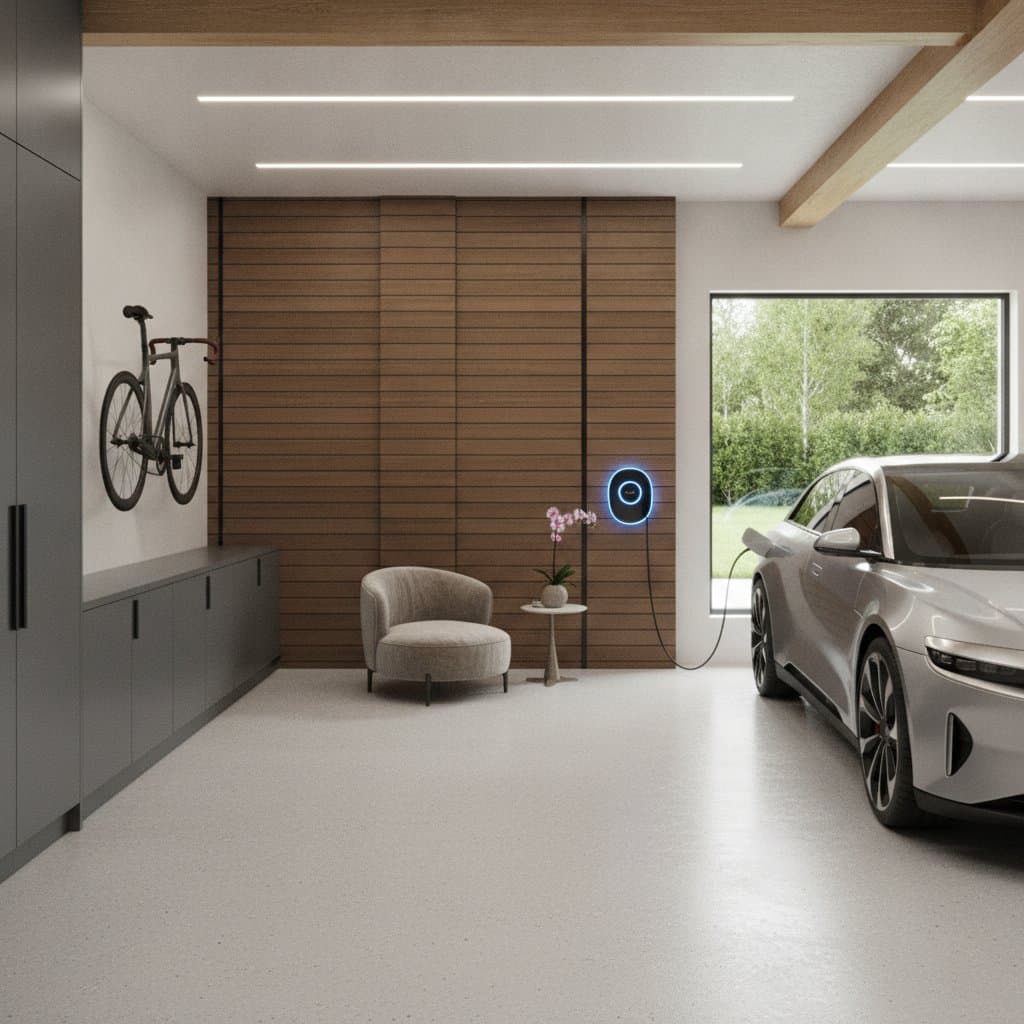
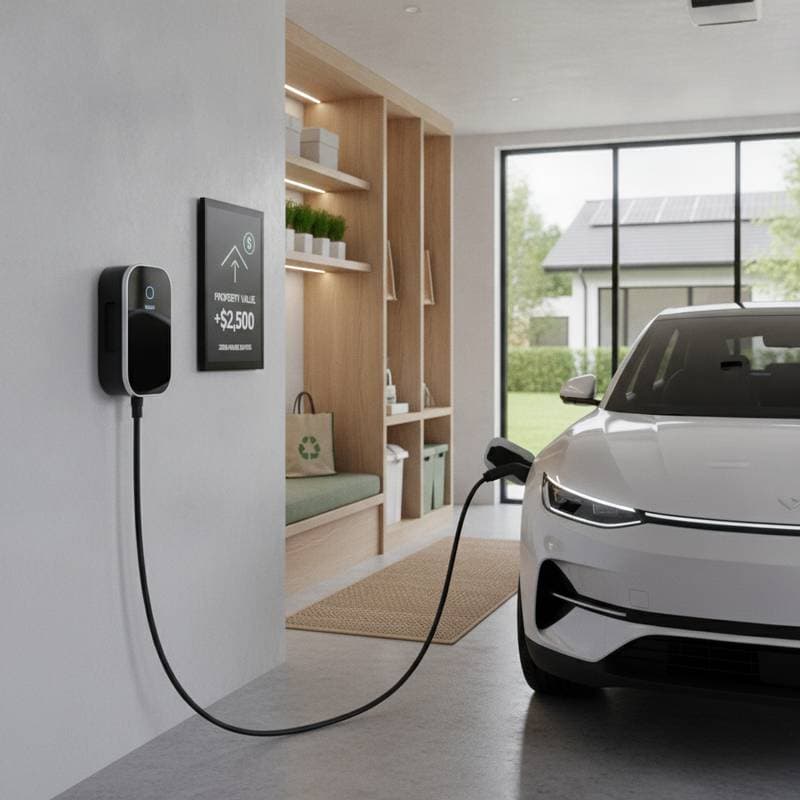
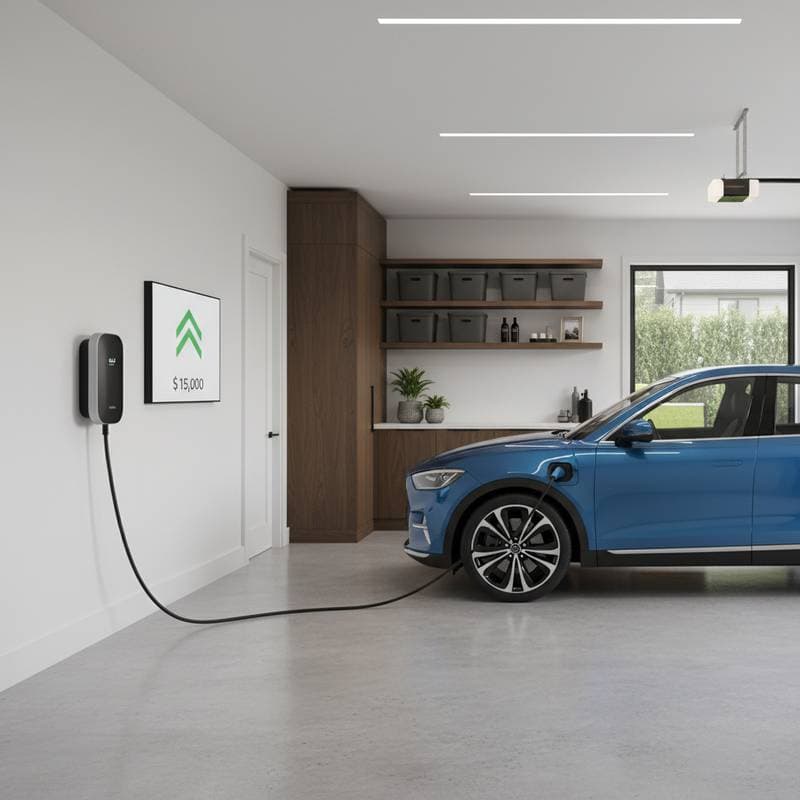
Installing a garage EV charger can increase a home's value by approximately $15,000. Prospective buyers view this feature as a convenient upgrade that eliminates the need for additional installation and associated costs. Homeowners benefit from simplified daily charging routines and a compelling attribute that distinguishes the property in real estate listings.
Reasons a Garage EV Charger Enhances Property Value
Prospective buyers prioritize convenience and preparedness for emerging technologies. An integrated EV charger addresses these preferences by demonstrating support for contemporary energy practices and compatibility with electric vehicles. Real estate professionals observe that properties equipped with Level 2 chargers typically sell more quickly and command higher prices compared to similar homes without this feature.
The increase in value generally ranges from $10,000 to $20,000, influenced by regional electric vehicle adoption levels and the specifications of the installed charger. In areas with elevated EV usage, such as coastal urban centers or regions featuring recent construction developments, the value addition often reaches the higher end of this spectrum.
Installation Process for a Garage EV Charger
The installation of a Level 2 home charger can occur over a single weekend provided the electrical panel possesses sufficient capacity. In cases where the panel requires modification, consultation with a licensed electrician becomes necessary.
Detailed Steps
-
Assess electrical capacity. Examine the breaker panel to determine availability. A Level 2 charger requires a dedicated 240-volt circuit. Full panels or outdated systems may necessitate an upgrade to accommodate the load.
-
Select the appropriate charger type. Level 2 models suit most residential applications due to their faster charging speeds and suitability for routine use. Level 1 options connect to standard 120-volt outlets but provide slower performance, limiting their practicality for daily needs.
-
Determine optimal placement. Position the charger adjacent to the primary parking area. Consider cable length for accessibility and adhere to safety guidelines to prevent hazards.
-
Obtain necessary permits. Certain municipalities mandate electrical permits for new circuit installations. Verify local regulations to ensure compliance.
-
Engage a licensed electrician. The professional will install the 240-volt line, appropriate breaker, and charger unit while prioritizing safety protocols.
-
Conduct testing and labeling. Perform a charging cycle to verify functionality. Clearly label the corresponding breaker for future reference and maintenance.
Required Tools and Materials
- Level 2 EV charger unit
- 240-volt circuit breaker
- 6-gauge electrical wire (quantity based on run distance)
- Mounting hardware kit
- Drill, level, and stud finder
- Voltage tester
- Safety gloves and protective eyewear
Cost Analysis
Project expenses vary according to the existing electrical infrastructure and selected charger model.
| Task | Typical Cost | Factors Influencing Price |
|---|---|---|
| Level 2 charger unit | $400 - $1,000 | Power output, integrated smart features, cable length |
| Electrical installation | $700 - $2,500 | Panel modifications, wiring distance, regional labor rates |
| Permits and inspections | $50 - $200 | Compliance with local building codes |
| Total estimated cost | $1,200 - $3,700 | Variations in labor, materials, and charger specifications |
Costs fluctuate by geographic location. Urban areas with higher labor rates and stricter permitting processes incur elevated expenses. Properties with aging wiring or separate garage structures also contribute to increased totals.
Project Timeline
Anticipate 4 to 8 hours of hands-on labor for installations involving standard conditions. Allow an additional one to two days for panel upgrades or permit approvals that extend the schedule.
Scheduling typically permits completion within one week, including coordination for installation and subsequent inspections. Reputable service providers often manage both electrical work and permitting requirements seamlessly.
DIY Installation Versus Professional Service
Consider DIY installation when:
- A 240-volt outlet already exists proximate to the parking space.
- Experience with mounting hardware and basic wiring tasks is present.
- Local ordinances permit homeowner-performed electrical modifications.
Opt for professional installation when:
- Expansion or rewiring of the electrical panel proves necessary.
- Uncertainty exists regarding load calculations or breaker specifications.
- Residence falls under jurisdictions mandating licensed professionals for circuit work.
Advantages of professional involvement:
Licensed electricians excel in load balancing, permit acquisition, and adherence to building codes. They guarantee proper grounding and circuit protection to uphold safety standards. Faulty installations risk invalidating manufacturer warranties or posing fire hazards. Always confirm the electrician's credentials, including licensing and insurance coverage.
Essential Safety Considerations
Avoid any manipulation of energized circuits. Deactivate power at the main breaker prior to handling wiring components. Employ a voltage tester to verify the absence of current. Position cords away from damp surfaces to mitigate risks.
In garages prone to water accumulation or inadequate drainage, elevate the charger mounting and incorporate a weather-resistant enclosure. For structures detached from the primary residence, utilize conduit suitable for burial and outdoor exposure. Comply with regional standards for burial depth of electrical lines, which may require pre-backfill inspections.
Location-Specific Recommendations
In colder climates, select chargers equipped with heating mechanisms or insulated cabling to maintain performance. Coastal or high-humidity environments benefit from units featuring corrosion-resistant exteriors. Within wildfire-prone districts, secure the charger to non-flammable substrates such as concrete or masonry walls.
Several states provide financial incentives, including rebates or tax credits, for EV charger installations. Consult the local utility provider or energy department to explore eligibility. These incentives, paired with enhanced resale value, amplify the financial appeal of the upgrade.
Comparison with Alternative Garage Improvements
EV charger additions generally yield superior returns on investment relative to aesthetic garage enhancements. The following table outlines comparisons with prevalent projects:
| Upgrade Type | Typical Cost | Value Addition | Estimated ROI |
|---|---|---|---|
| Garage EV charger | $1,200 - $3,700 | $10,000 - $20,000 | 270% - 750% |
| Epoxy floor coating | $1,500 - $3,000 | $2,000 - $4,000 | 70% - 130% |
| Storage cabinetry | $1,000 - $3,000 | $1,500 - $3,000 | 80% - 100% |
| Garage door replacement | $1,000 - $2,000 | $1,000 - $2,500 | 100% - 125% |
The EV charger distinguishes itself by combining practical utility with technological advancement, appealing to buyers as both a convenience enhancer and a modern lifestyle indicator.
Scenarios Offering Maximum Return
The greatest value appreciation occurs in communities with substantial electric vehicle prevalence. Affluent suburbs, emerging residential developments, and locales adjacent to metropolitan hubs exhibit robust demand. Even in less urban settings, the feature positions the property as immediately suitable for EV adoption.
For imminent sales, complete the installation and obtain inspection certification prior to market entry. Real estate agents can highlight the upgrade in promotional content and during property viewings. Terms such as "EV-equipped garage" convey contemporary enhancements efficiently.
Enduring Advantages
Beyond resale considerations, the charger delivers ongoing practical benefits. Homeowners avoid queues at public stations and commence daily routines with fully charged vehicles. Long-term, it diminishes operational expenses for electric vehicle ownership and alleviates concerns over driving range.
Advanced models monitor energy consumption and optimize charging during lower-rate periods, thereby reducing utility expenditures. Compatibility with solar energy systems enables utilization of on-site power generation. Such capabilities attract technology enthusiasts and environmentally conscious individuals.
Practical Recommendations for Optimal Results
- Integrate during construction phases. For new builds or renovations, install conduit infrastructure early to minimize future expenses.
- Choose versatile connectors. Standardized plugs ensure broad compatibility across electric vehicle models.
- Apply clear labeling to wiring. This facilitates subsequent modifications or regulatory reviews.
- Incorporate surge protection devices. These safeguard the vehicle and residence from electrical fluctuations.
- Organize cabling effectively. Retractable mechanisms or dedicated mounts prevent clutter and safety issues.
Indicators Requiring Immediate Professional Attention
Seek expert assistance promptly upon observing:
- Intermittent light flickering or frequent breaker activations during charging operations.
- Evidence of cable or outlet overheating.
- Presence of sparks or unusual odors emanating from the electrical panel.
- Persistent malfunctions or error notifications from the charger unit.
These symptoms often indicate circuit overloads or connection failures. A qualified electrician performs diagnostic testing and implements corrections to avert escalation.
Finalizing the Upgrade
Incorporating a garage EV charger represents a strategic enhancement that elevates property worth by about $15,000, streamlines charging logistics, and aligns the home with sustainable transportation trends. The endeavor proves efficient, cost-effective, and progressively essential in buyer expectations.
Compatible electrical systems enable completion within a weekend. Otherwise, professional intervention ensures secure execution. Post-installation, the convenience becomes indispensable.