Aged Brass: The 2026 Trend That Boosts Home Resale Value by 6%
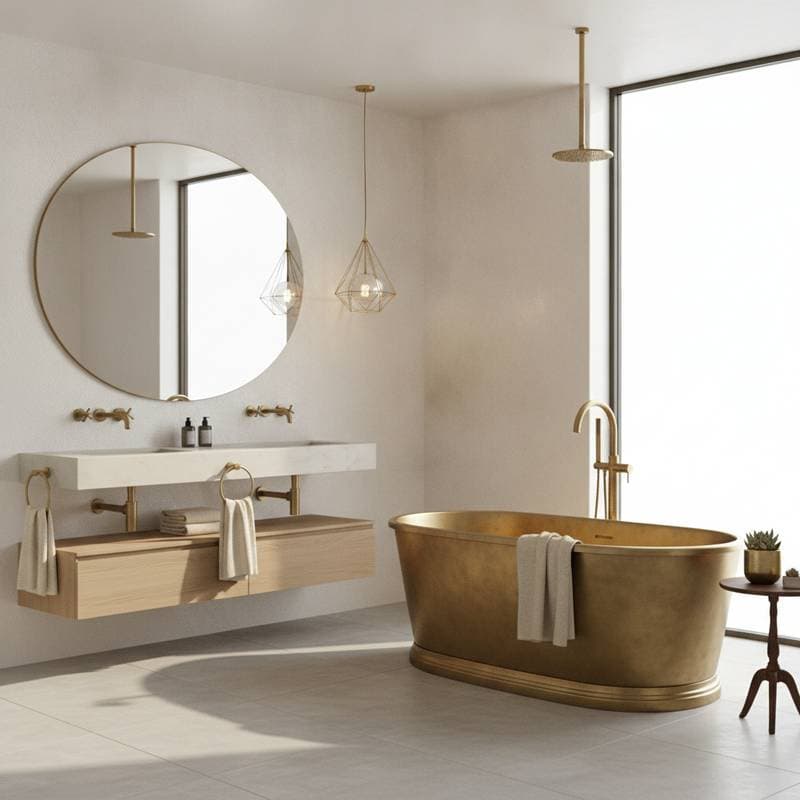
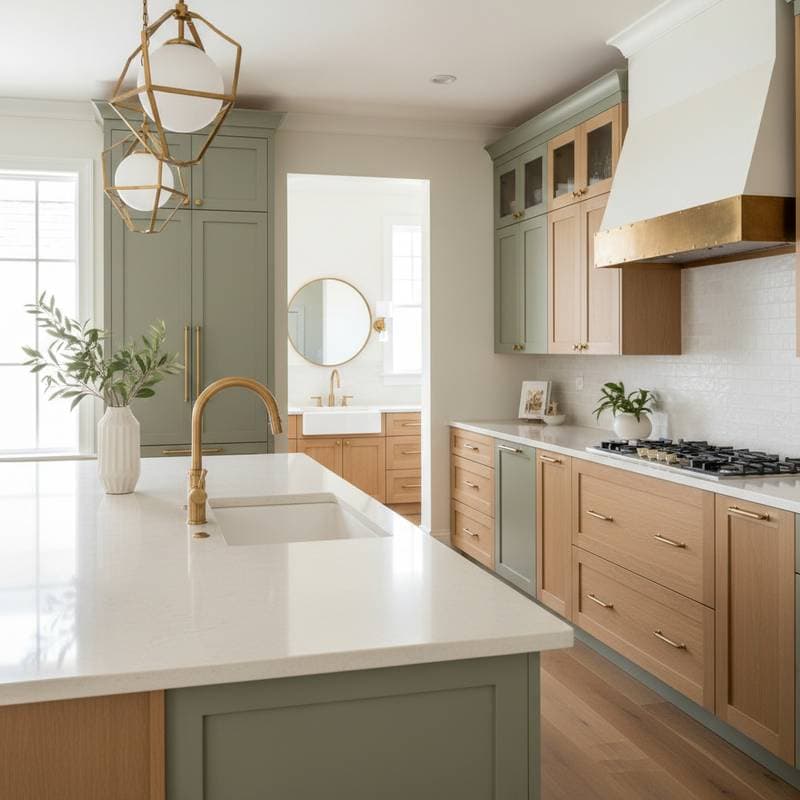
Aged brass fixtures bring a resurgence of elegance to contemporary interiors. This finish imparts warmth, depth, and enduring style that captivates potential buyers. Homeowners preparing to sell can incorporate aged brass into kitchens, bathrooms, or lighting setups to enhance visual appeal and increase resale potential. Recent market analyses indicate that properties featuring coordinated brass hardware command approximately 6 percent higher sale prices compared to similar homes lacking such enhancements.
This versatile trend suits those refreshing spaces prior to listing or desiring a shift from cooler tones like chrome or nickel toward something more inviting. Aged brass complements diverse aesthetics, ranging from classic traditional to contemporary farmhouse designs. Additionally, it resists showing fingerprints and water spots more effectively than highly polished alternatives.
Advantages and Drawbacks
Advantages
- Introduces visual warmth and timeless elegance
- Harmonizes with styles from modern minimalism to vintage charm
- Elevates buyer interest, contributing to a 6 percent resale premium
- Masks everyday marks like fingerprints and splashes
- Endures for decades with appropriate maintenance
Drawbacks
- Exceeds the price of standard chrome or stainless steel options
- May develop uneven patina without protective sealing
- Demands careful cleaning to prevent finish degradation
- Appears less frequently in affordable fixture collections
- Potentially conflicts with prevailing cool-toned elements in the home
Handling Installation: DIY or Professional
Many aged brass installations prove straightforward for skilled homeowners. Tasks such as swapping cabinet knobs, drawer pulls, or faucets typically require 1 to 3 hours per room and basic implements including a wrench, screwdriver, and plumber's tape.
DIY Approach
- Ideal for simple hardware exchanges and basic light fixture updates
- Involves low risk to materials when executed with precision
- Demands only essential tools
When to Engage Professionals
- For projects involving plumbing lines or electrical wiring
- When fixtures necessitate wall or ceiling attachments
- To achieve seamless consistency throughout several rooms
- If warranty terms mandate installation by a certified expert
Professional services generally range from $75 to $150 per hour, varying by location. A complete bathroom overhaul, for instance, spans 3 to 6 hours of labor.
Upkeep and Durability
Preserving the allure of aged brass calls for mindful routines. Fixtures boast a service life of 15 to 25 years, extending further with solid brass construction over mere plating.
Daily and Weekly Maintenance
- Dust weekly using a soft, dry microfiber cloth
- Address accumulations with mild soap dissolved in warm water
- Steer clear of abrasive cleaners or chemical solvents
- Optionally apply a light wax or lacquer layer to moderate patina development
Leading manufacturers provide finish warranties spanning 5 to 10 years. Unlacquered variants naturally evolve toward deeper tones over time. Review product specifications prior to any treatments to safeguard warranty validity.
Regional Considerations
Local environmental factors, stylistic preferences, and regulatory standards influence selections and expenses.
Environmental Impact
- In humid coastal zones, opt for lacquered or sealed variants to resist tarnishing
- Dry inland areas allow unlacquered brass to develop an appealing patina with negligible corrosion
Cost Variations
- Metropolitan regions incur 20 to 40 percent higher labor fees than rural counterparts
Compliance Requirements
- Certain areas mandate lead-free brass in plumbing components; verify certifications and adhere to local ordinances
Market Preferences
- Warm metallic tones gain traction in coastal and arid locales, whereas cooler finishes persist in colder climates
- Align upgrades with anticipated buyer tastes, particularly for imminent sales
Investment Return and Market Impact
Strategic aged brass enhancements elevate a property's market positioning. Industry reports reveal that homes with unified warm finishes transact more swiftly and at premiums of 4 to 6 percent above equivalents with disparate or dated hardware.
Consistency across key areas—such as kitchen cabinetry, faucets, and overhead lights—amplifies this effect. Subtle accents like coordinated door levers or bath accessories reinforce an image of meticulous upkeep.
Investments ranging from $800 to $2,000 per kitchen or bathroom often yield substantial recovery upon sale. The perceived luxury far surpasses the material outlay, drawing discerning purchasers.
Essential Safety Measures
Approach plumbing and electrical modifications with utmost caution.
- Isolate water lines by closing supply valves prior to faucet removal
- Deactivate relevant circuit breakers when handling light fixtures
- Employ grounded equipment on dry surfaces to mitigate electrical hazards
- Select fixtures rated for damp environments, like shower enclosures
- Anchor substantial lights securely to avert dislodgement risks
Consult licensed specialists for any uncertainties. The cost of expert intervention pales against potential damages from leaks or faulty circuits.
Frequently Asked Questions
How do I distinguish solid brass from plated versions?
Solid brass exhibits greater weight and rapidly acquires hand warmth. Plated items feel lighter, often revealing underlying metals at seams or fasteners.
Does aged brass risk turning green or black?
Unprotected brass forms a rich brown or deepened gold patina. Verdigris emerges solely in excessively moist or saline settings; consistent care averts such issues.
Is mixing aged brass with other metals advisable?
Moderation works best—pair with a single complementary finish, like matte black or satin nickel. Maintain tonal unity room by room.
Does aged brass suit kitchen and bathroom applications?
It performs reliably, provided faucets and contact surfaces carry lead-free approvals. Contemporary products align with prevailing health regulations.
How quickly does unlacquered brass alter in appearance?
Patina emerges over several months, influenced by ambient humidity and handling frequency. Restore shine through polishing or embrace the natural evolution.
Implementing Your Aged Brass Upgrade
Initiate with a single space to gauge compatibility. Exchange drawer pulls or install one faucet, observing interplay with ambient lighting and wall colors. Upon confirmation of harmony, proceed to broader applications including sconces and entry hardware.
Unify selections within tonal families for seamless cohesion. When sourcing digitally, cross-verify finish descriptors, as terms like aged, antique, or oil-rubbed brass differ by producer.
For pre-sale enhancements, prioritize high-traffic zones: kitchens, guest baths, and foyers. These focal points swiftly impress viewers, simulating extensive refreshes at minimal expense.
Secure estimates from three regional vendors or certified contractors. Weigh solid against plated options for value. Affirm code adherence for water-related installs and warranty provisions. Post-installation, adopt a streamlined care regimen to sustain vibrancy and safeguard returns.
Aged brass delivers enduring sophistication, resilience, and widespread allure—transforming ordinary spaces into compelling assets.