Understanding Hidden Pantries
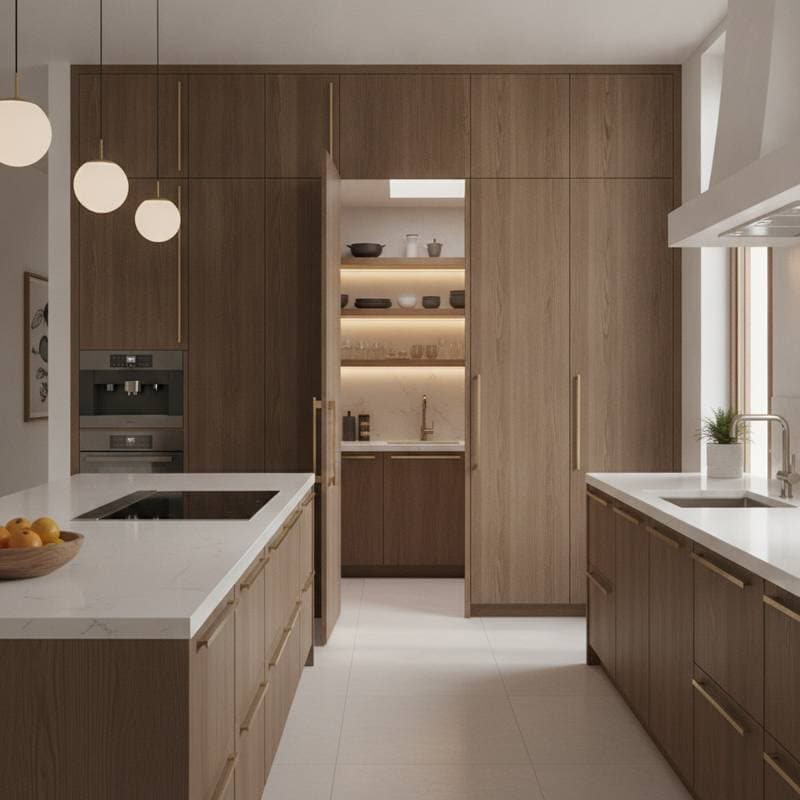
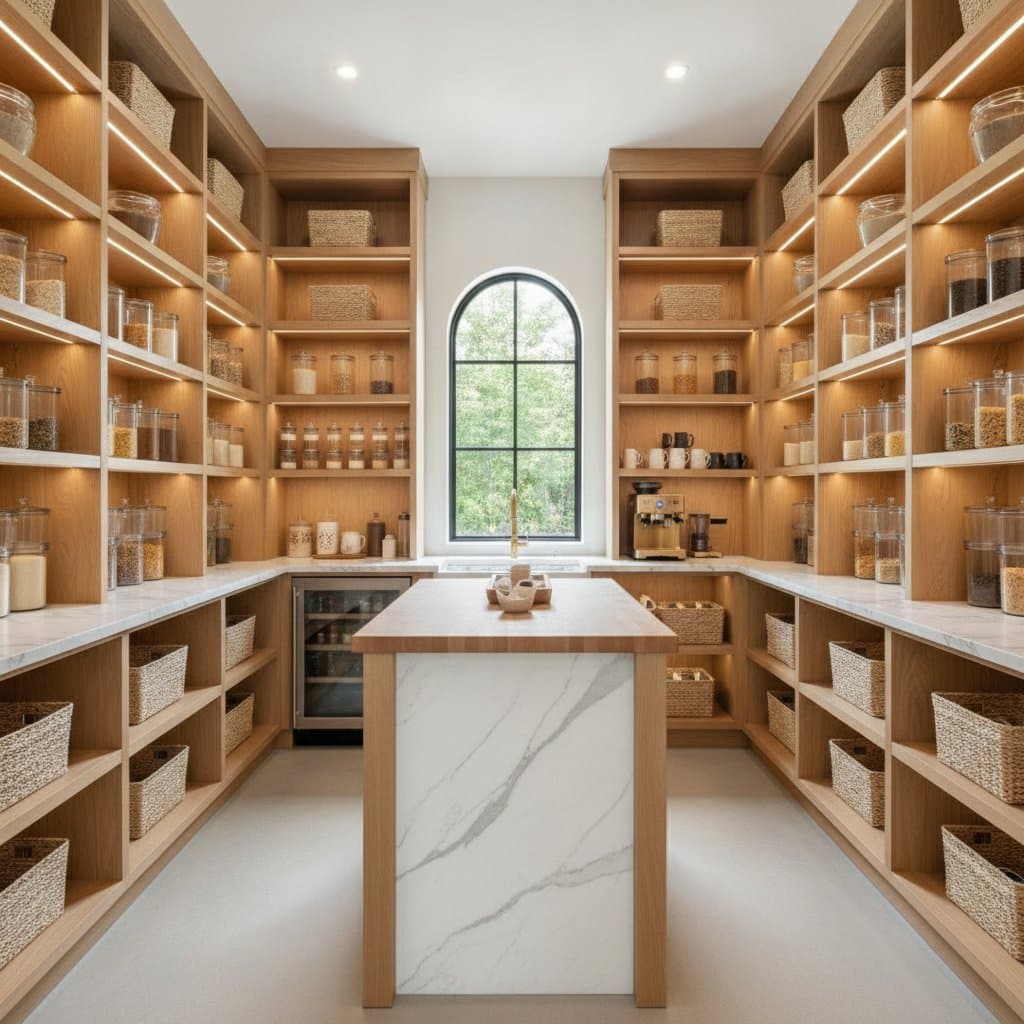
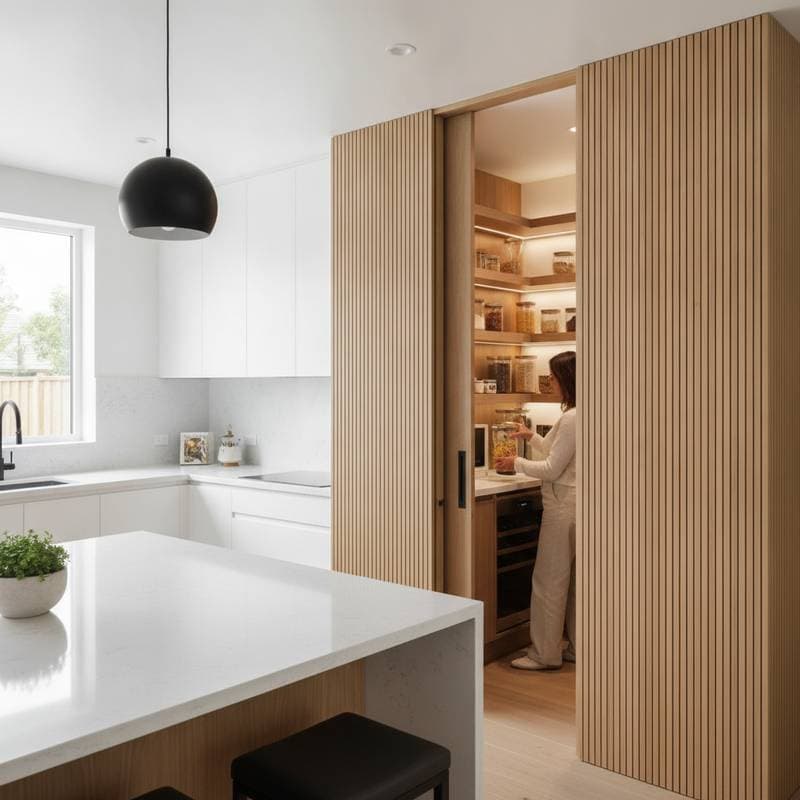
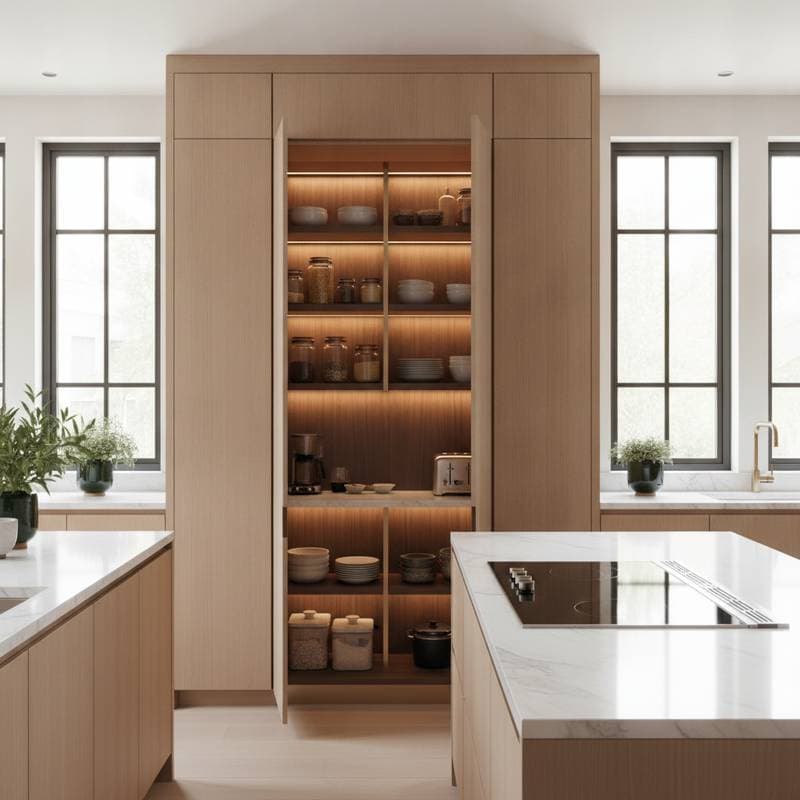
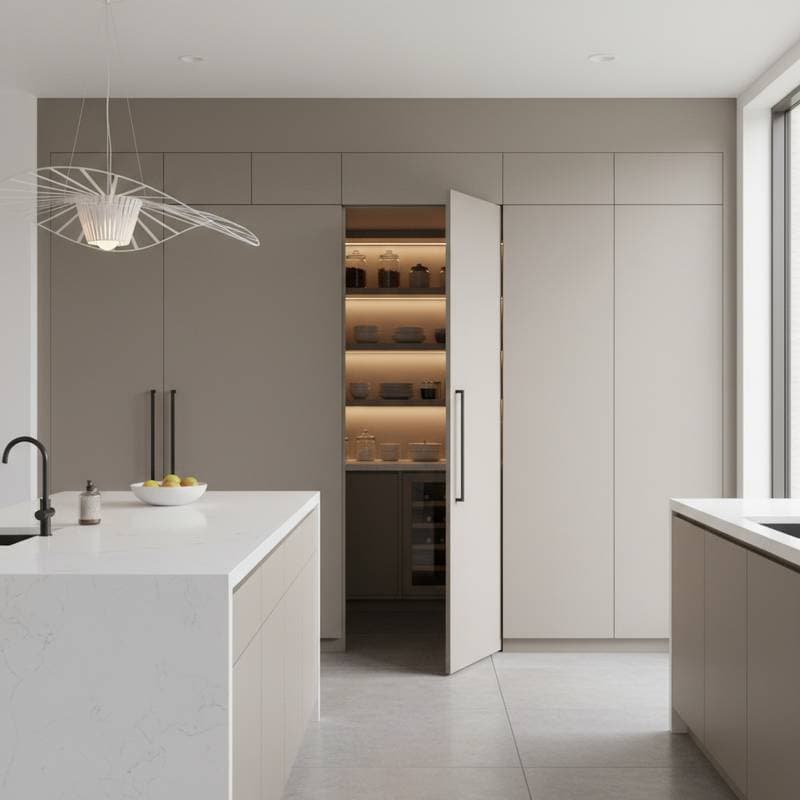
Hidden pantries consist of concealed storage compartments integrated seamlessly into kitchen layouts. Unlike traditional cabinets, these units hide behind panels or doors that mimic surrounding walls or cabinetry, preserving a minimalist aesthetic. Homeowners appreciate their ability to store bulk items, appliances, and utensils out of sight while maintaining an open, inviting kitchen environment.
This trend gains momentum as buyers prioritize functionality alongside visual appeal in modern homes. Real estate experts predict that properties featuring such innovations will command premium prices. The concealed nature of these pantries eliminates visual clutter, allowing countertops and islands to shine as focal points during showings.
The Resale Value Advantage in 2026
Market analyses indicate that hidden pantries could boost home sales by up to 15% in 2026. This projection stems from shifting buyer preferences toward smart, space-efficient designs in urban and suburban settings. Families seek kitchens that accommodate growing storage needs without sacrificing style, making these features a competitive edge in listings.
Data from recent housing trends supports this outlook. Properties with customized storage solutions sell 20% faster on average, according to industry reports. Hidden pantries contribute by enhancing perceived value; buyers envision long-term utility in these practical additions. Sellers who invest in this upgrade often recoup costs through quicker transactions and higher offers.
Consider the broader economic context. With rising material costs and a focus on sustainable living, durable pantry designs appeal to eco-conscious purchasers. Materials like bamboo shelving or recycled composites not only store goods efficiently but also align with green building standards, further elevating property appeal.
Key Design Considerations
Effective hidden pantry design begins with assessing kitchen dimensions and usage patterns. Measure available wall or island space to determine pantry size, ensuring it complements the overall layout without disrupting traffic flow. Opt for sliding or bi-fold doors that blend with existing cabinet finishes, such as matte white or wood grain, for a cohesive look.
Incorporate adjustable shelving to accommodate diverse items, from canned goods to small appliances. Pull-out drawers within the pantry add versatility for frequently accessed tools. Lighting plays a crucial role; install LED strips along shelves to illuminate contents, making retrieval effortless even in deeper units.
Aesthetic integration remains paramount. Match hardware, like concealed hinges, to surrounding elements for invisibility. For larger kitchens, consider multiple smaller pantries distributed around the space rather than one oversized unit. This approach maximizes accessibility and prevents any single area from feeling overwhelmed.
Planning Your Project Step by Step
Start the planning process by consulting a kitchen designer familiar with custom storage. Sketch initial concepts, factoring in electrical needs for integrated outlets inside the pantry. Budget allocation should cover materials, labor, and potential structural modifications, with costs typically ranging from $5,000 to $15,000 depending on scale.
Next, select high-quality materials resistant to moisture and pests, such as marine-grade plywood or stainless steel accents. Ensure ventilation features, like subtle vents, to maintain air circulation and prevent mold in humid climates. Obtain necessary permits if the installation involves load-bearing walls.
Professional installation ensures precision and safety. Hire contractors experienced in cabinetry who can align the pantry flush with floors and ceilings. Post-installation, test functionality by loading the space gradually to verify stability. This methodical approach minimizes disruptions and yields a flawless result.
Essential Tools and Materials List
- Measuring tape and level for accurate dimensions
- Custom-cut panels in matching finishes
- Adjustable wire or wood shelving systems
- Soft-close hinges and tracks for doors
- LED lighting kits with dimmer controls
- Sealants for moisture protection
Installation Best Practices
Begin installation by preparing the site: remove any existing cabinetry and inspect for wiring or plumbing conflicts. Frame the pantry opening with sturdy lumber to support shelving loads up to 200 pounds per shelf. Secure the structure to wall studs for stability, especially in earthquake-prone areas.
Assemble components off-site if possible to reduce on-site mess. Fit doors last, adjusting for perfect alignment to avoid gaps that could reveal the hidden space prematurely. Integrate smart features, such as motion-sensor lights or app-controlled locks, to modernize the pantry further.
After completion, clean the area thoroughly and stage the kitchen to highlight the new feature. Empty counters and styled vignettes around the pantry entrance demonstrate its impact during buyer tours. Regular maintenance, including annual inspections, preserves the investment's longevity.
Case Studies: Successful Implementations
In a recent Los Angeles remodel, a 1920s bungalow received a hidden pantry behind a living room wall adjacent to the kitchen. The 4-foot-wide unit stored dry goods and linens, contributing to a 12% sale price increase within three months of listing. Buyers praised the seamless integration that preserved the home's historic charm.
Another example involves a contemporary condo in San Francisco, where an island-embedded pantry concealed a wine rack and spice organizers. This addition not only boosted storage by 30% but also accelerated the sale by 25 days, exceeding the 15% value uplift projection. The design's subtlety impressed tech-savvy purchasers seeking efficient urban living.
These cases illustrate the versatility of hidden pantries across property types. From mid-century homes to new builds, the feature adapts to diverse styles, consistently delivering measurable returns.
Maximizing Returns Through Strategic Upgrades
Incorporating a hidden pantry positions your home as forward-thinking in the 2026 market. This upgrade not only enhances daily living but also appeals to buyers' desires for organized, aesthetically pleasing spaces. Focus on quality craftsmanship to ensure the feature withstands scrutiny during inspections.
Pair the pantry with complementary updates, such as quartz countertops or energy-efficient appliances, for compounded value. Educate potential buyers on its benefits through listing descriptions and virtual tours. Ultimately, this investment transforms a functional kitchen into a compelling sales driver, securing top-dollar offers with minimal effort.