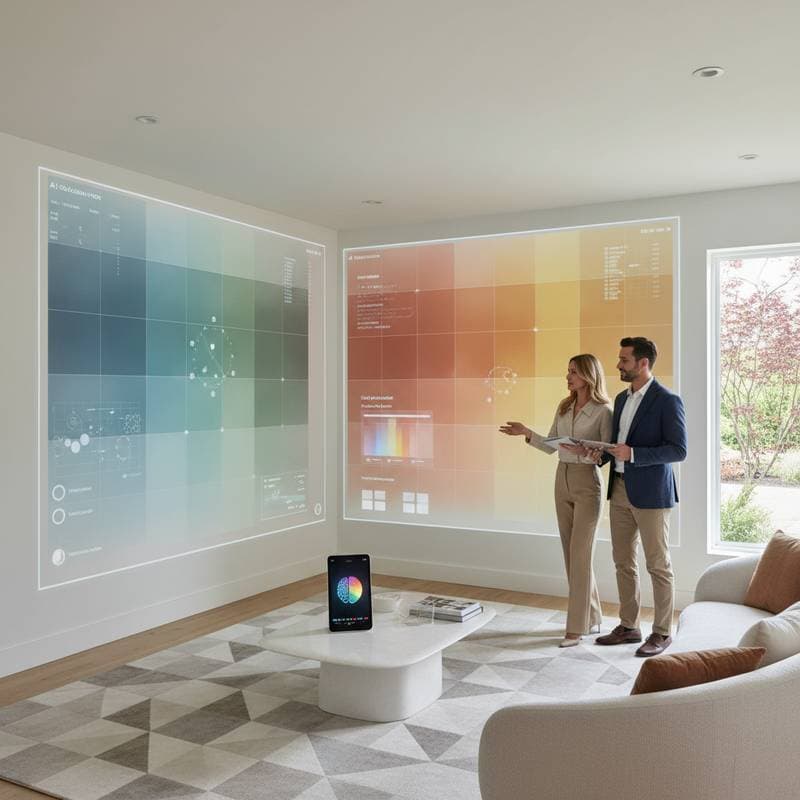
AI Tools Transforming 2026 Home Design with Precision Color Selection
Typical cost for a full-home paint plan using AI color tools: $150 to $600, based on features and consultation depth.
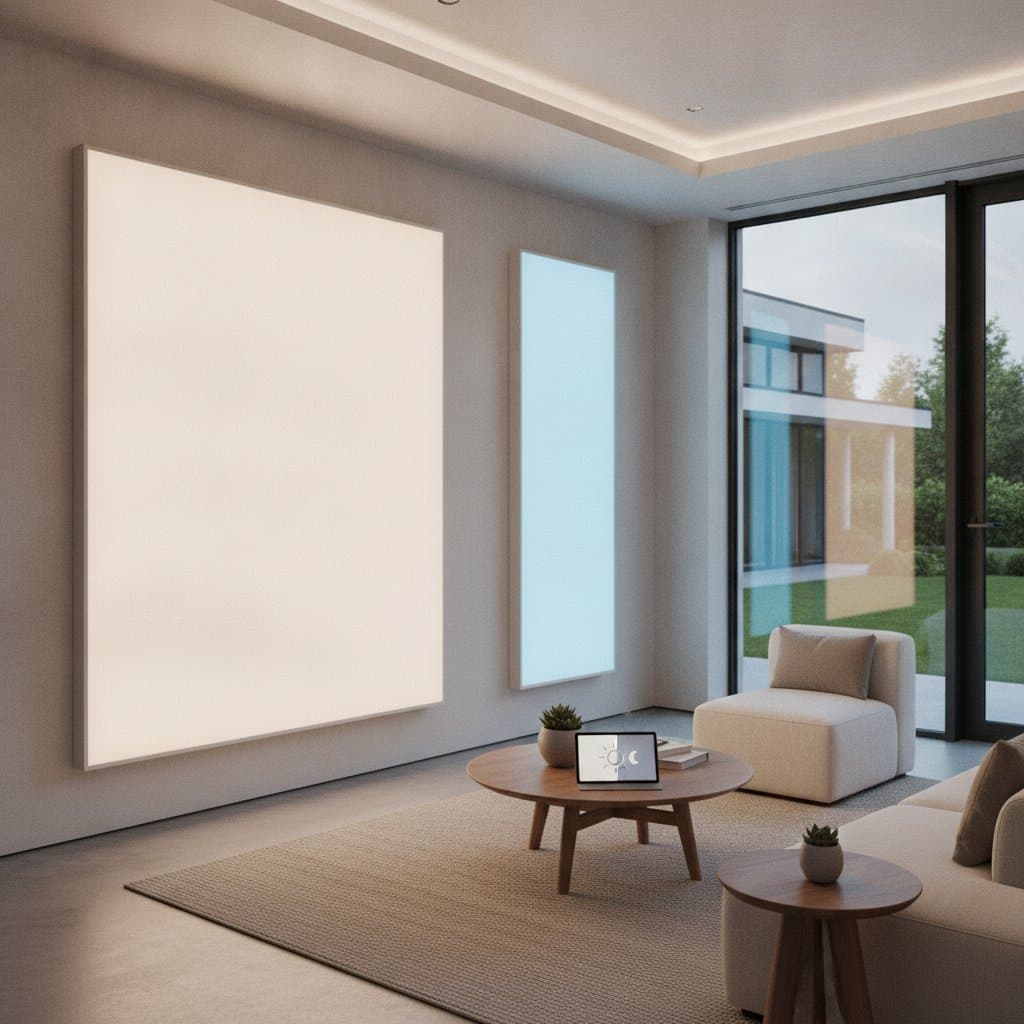
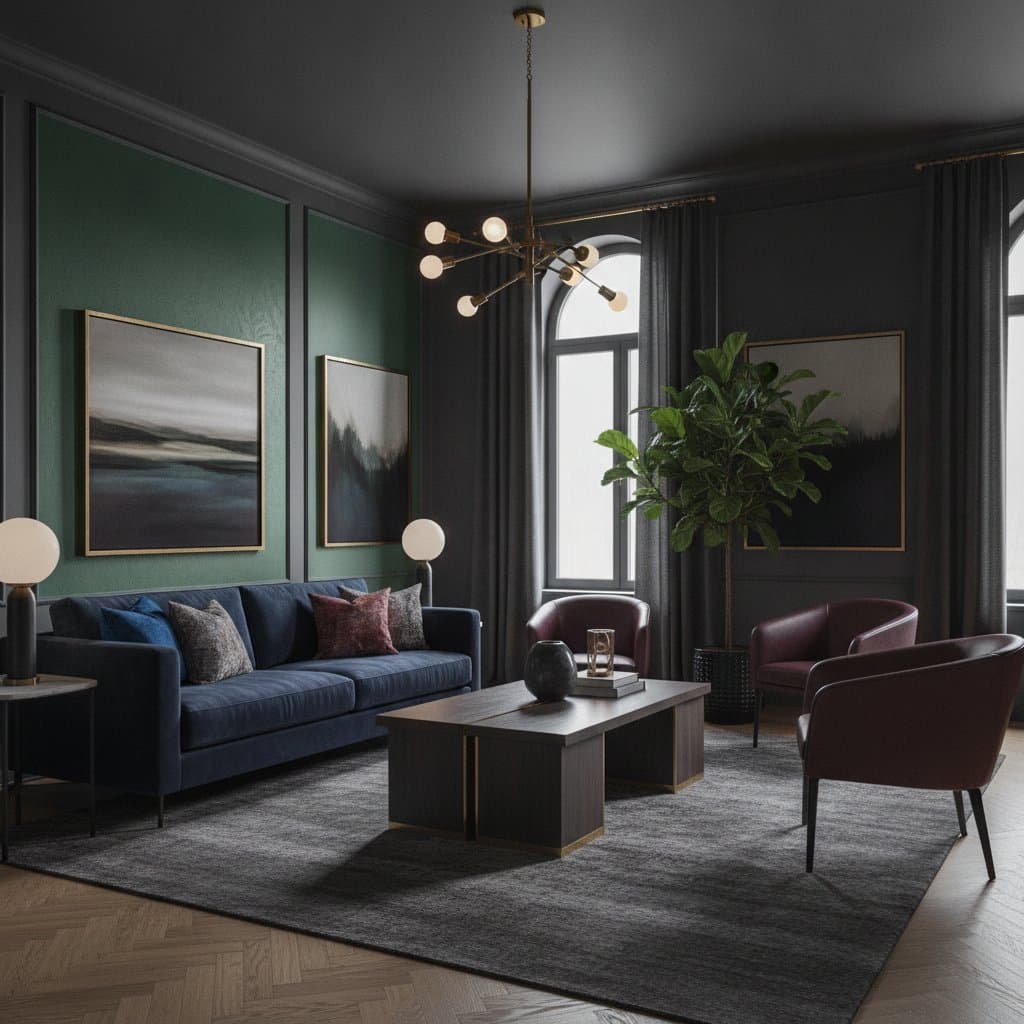
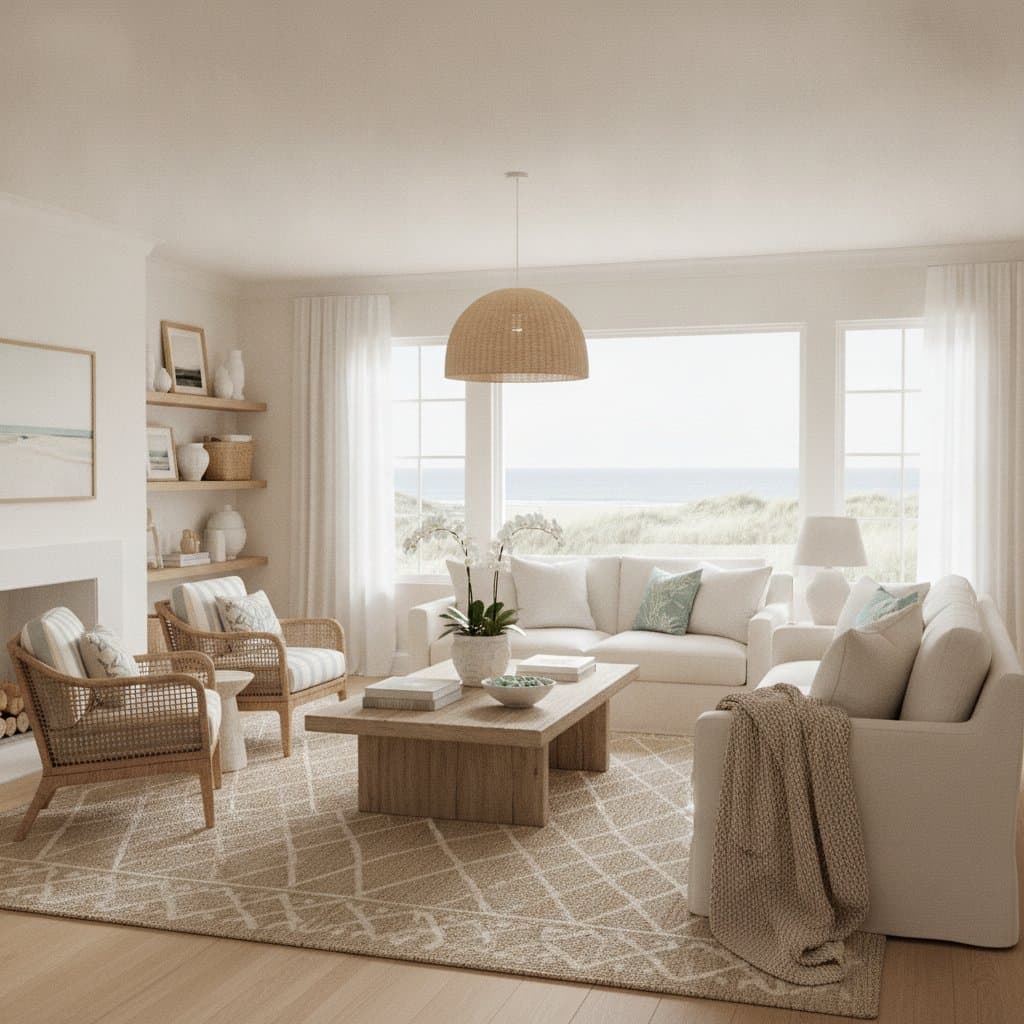
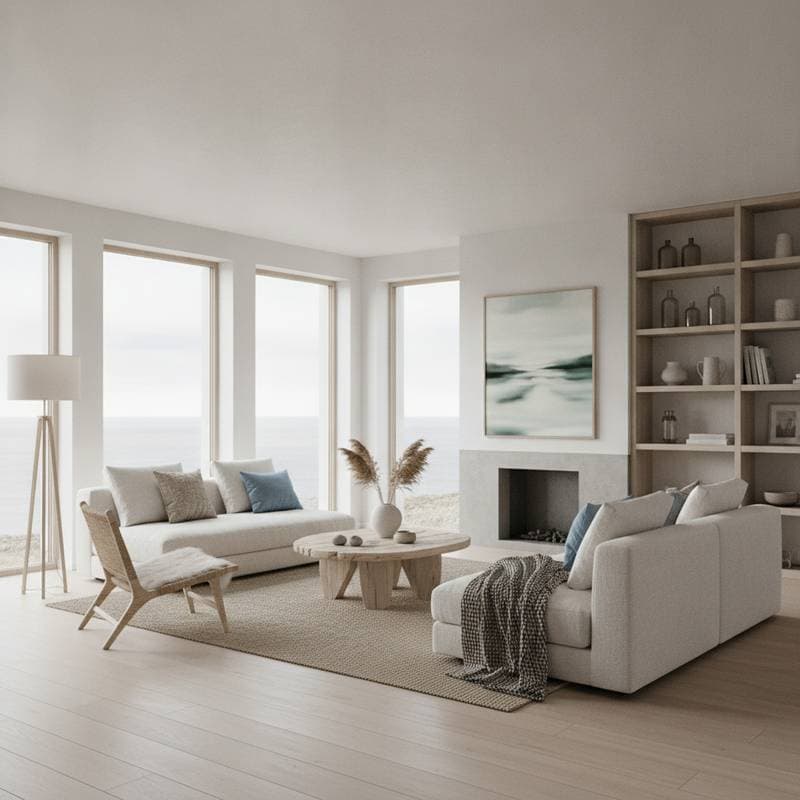
AI-driven color technologies fundamentally alter the process of selecting, testing, and applying paint colors in homes. Homeowners gain unprecedented control, eliminating the uncertainty of how colors perform under varying daylight or the expense of multiple sample cans. These tools forecast color tones, responses to light, and durability over time with remarkable precision.
Key Cost Components
1. Software or Platform Subscription
AI color platforms typically charge $50 to $300 for access to unlimited virtual samples. Professional editions, which incorporate advanced lighting simulations or previews of actual materials, extend to $600. Certain packages bundle virtual consultations with design experts.
2. Device Requirements for Accurate Scans
Achieving precise color analysis often requires a dedicated color sensor or camera calibration device, priced at $50 to $100. While some applications leverage smartphone cameras, outcomes depend heavily on ambient lighting and device resolution.
3. Paint Materials and Supplies
High-quality paint costs $40 to $80 per gallon. AI recommendations frequently favor premium finishes that optimize light reflection and longevity, potentially increasing supply expenses by 10 to 20 percent.
4. Professional Labor
Hiring painters incurs $2 to $6 per square foot. This element constitutes the largest portion of project expenses. AI assistance minimizes errors in color selection, thereby reducing additional labor for corrections.
5. Optional Enhancements
Additions such as 3D visualizations, finish compatibility tests, or physical sample boards range from $100 to $300. These features safeguard against expensive errors during implementation.
Choosing Between DIY and Professional Application
Ideal Scenarios for DIY Projects
- Projects involve straightforward surface preparation, sanding, and masking.
- Consistent lighting conditions allow reliable color evaluations.
- Focus remains on minor updates like touch-ups or accent features.
Opting for DIY approaches can lower overall project costs by 30 to 50 percent. AI tools streamline the planning stage, allowing concentration on execution and preparation. Essential supplies include protective drop cloths, high-adhesion painter's tape, and respirators for work in confined areas. Disconnect power sources near electrical outlets prior to handling trim.
When to Engage Professionals
- Tasks include ceilings exceeding 10 feet in height.
- Exterior applications demand scaffolding or elevated equipment.
- Surfaces show evidence of previous failures or potential lead-based layers.
Professionals deliver uniform application and adherence to regulatory standards. Select licensed contractors for outdoor structures or complex multi-color schemes. Request documentation of insurance coverage and assurances for color accuracy in contracts.
Long-Term Care and Protection
AI platforms facilitate ongoing maintenance by archiving color profiles in digital formats, enabling precise reordering of shades even years after initial application.
Expected Durability Periods
- Interior matte or eggshell finishes: 5 to 7 years.
- High-gloss or semi-gloss options: 7 to 10 years, supported by routine cleaning.
- Exterior coatings: 10 to 15 years, influenced by environmental factors.
Practical Upkeep Strategies
Wipe surfaces with a mild detergent solution every six months to preserve appearance. Address minor abrasions using stored remnants of original paint, kept in sealed containers. Steer clear of abrasive cleaners that compromise protective layers.
Maintain digital records of color specifications in various file types to support warranty processes or future repainting efforts. Select paint brands that validate claims against original digital selections.
Ensuring Safety and Regulatory Adherence
Prior to any painting, examine surfaces for legacy coatings containing lead or signs of mold growth. Equip yourself with gloves, protective eyewear, and respirators during sanding or scraping activities. Deactivate heating, ventilation, and air conditioning units to prevent dust circulation. For outdoor projects, direct cleaning wastewater away from municipal drainage systems.
Local regulations dictate permit needs, particularly for exterior modifications in heritage zones or communal properties. Consult municipal design oversight committees to confirm compliance before commencing work.
Implementing Your AI-Enhanced Paint Project
Begin with a single room to evaluate the AI tool's effectiveness and your execution preferences. Monitor color performance through daily light variations and refine selections virtually prior to large-scale purchases.
For those who value analytical approaches, consider a comprehensive AI color management subscription. This service unifies planning across all spaces and diminishes the likelihood of rework due to inconsistencies.
Allocate a 10 to 15 percent contingency in your budget to cover unforeseen preparations, such as repairs or priming after surface stripping.
Practical Steps to Launch Your Project
- Select an AI color platform offering lighting simulations and data export capabilities.
- Capture images of your interiors under natural illumination and submit them for spatial analysis.
- Evaluate proposed color schemes, tailoring them to local light intensities.
- Procure a single sample set for physical validation on actual surfaces.
- Determine DIY or professional involvement based on available time, equipment, and tolerance for challenges.
- Archive digital color profiles for future reference in upkeep and claims.