Hidden Pantries: Boost Your Home's Resale Value by $18,000
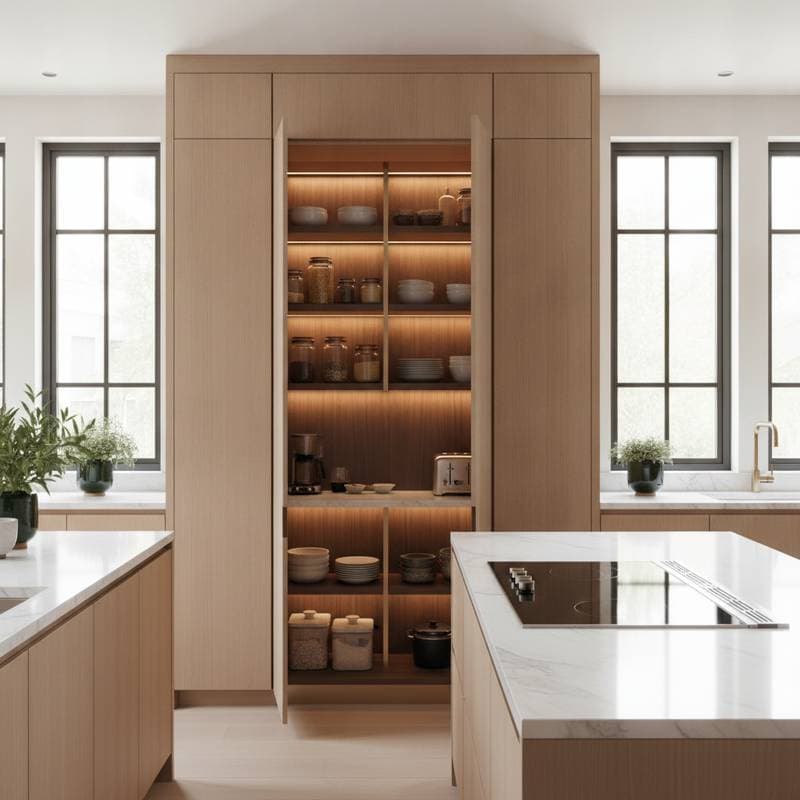
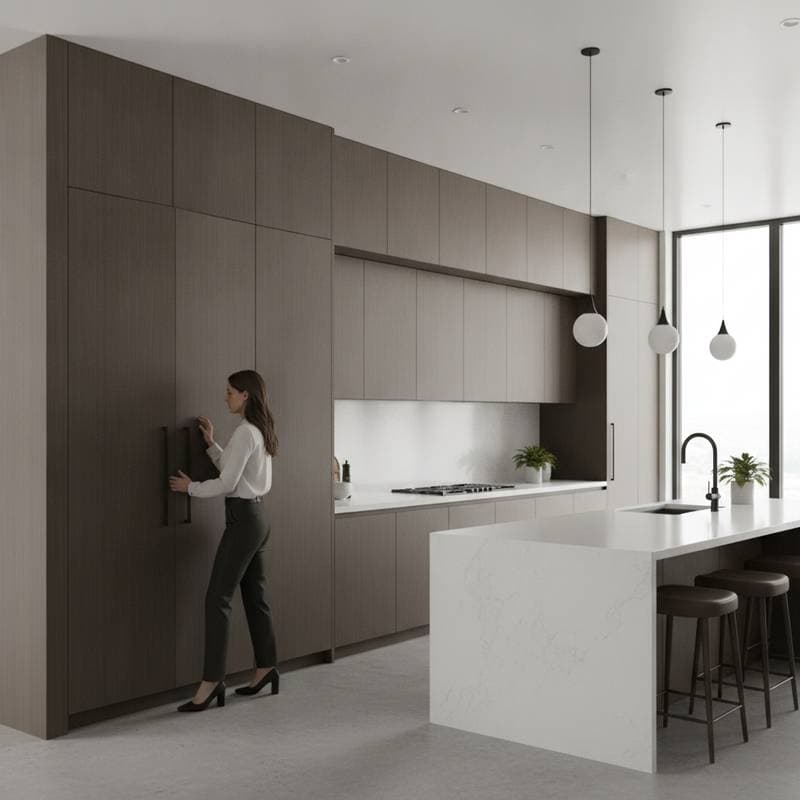
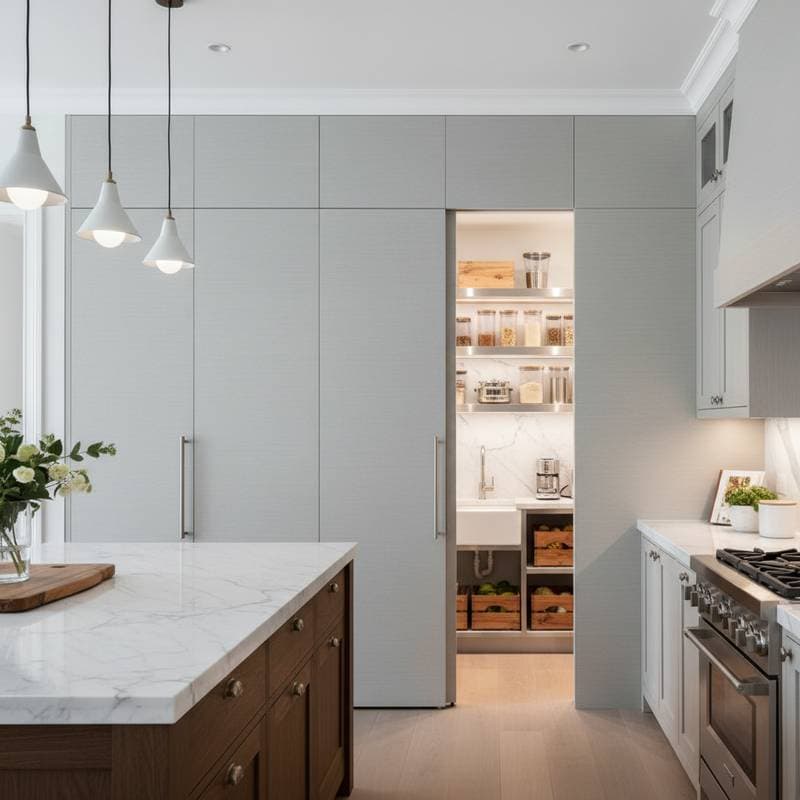
A thoughtfully designed hidden pantry elevates both the functionality of your kitchen and the overall appeal of your home. This addition not only provides seamless storage solutions but also increases resale value by approximately $18,000. Homebuyers prioritize organized kitchens, and a hidden pantry delivers that premium touch.
Key Cost Factors
The expense of installing a hidden pantry fluctuates based on several elements, including dimensions, configuration, and the extent of necessary modifications. Understanding these factors helps homeowners budget effectively and avoid surprises. The following sections outline the primary influences on total costs.
Layout and Access Methods
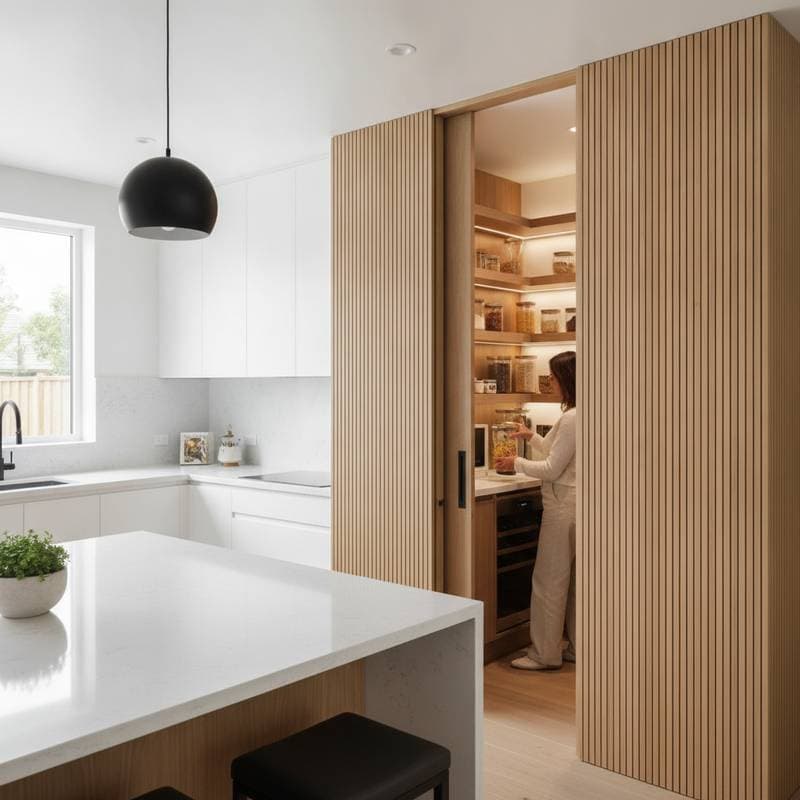
Walk-in pantries concealed behind cabinet panels demand higher investment than compact pull-out units. Such designs require more space and intricate integration. Opting to repurpose an existing closet or alcove reduces expenses by $2,000 to $5,000 compared to constructing new frameworks from scratch.
Cabinetry and Surface Finishes
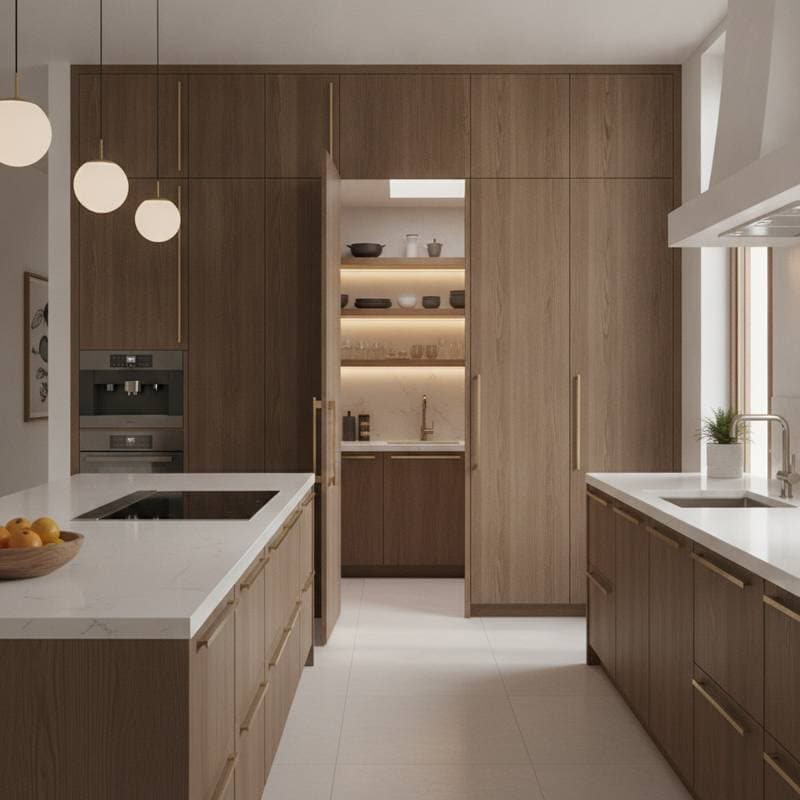
Custom fronts that mask the pantry entrance begin at $4,000. Semi-custom alternatives lower this figure by 25 to 40 percent, provided precise measurements guide the selection. Material choices for finishes, such as painted wood, laminate, or veneer, introduce variations of $1,500 to $3,000.
Lighting and Electrical Features
Incorporating recessed LED lights contributes $300 to $700 to the project. Installing additional outlets for appliances or charging devices increases costs by $400 to $900. These enhancements improve usability and safety within the space.
Shelving and Organizational Systems
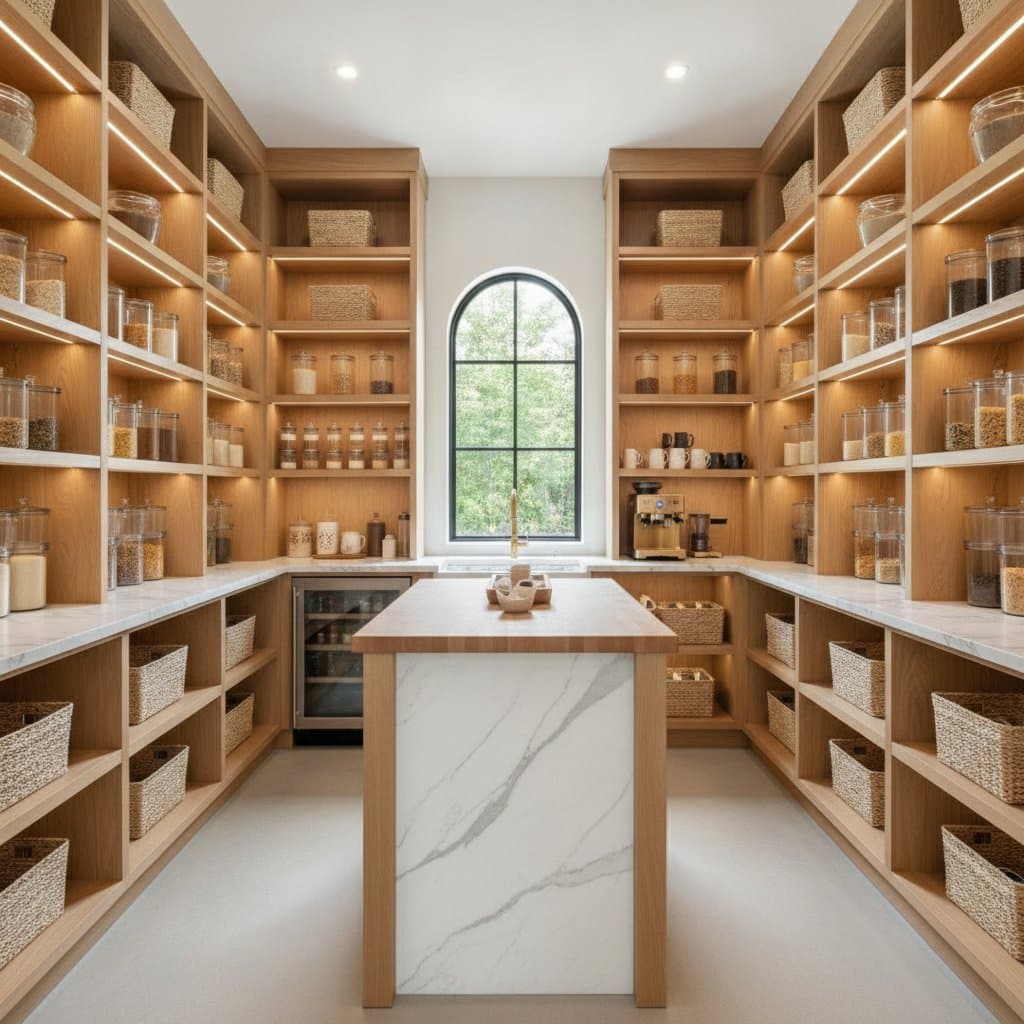
Built-in wooden shelving averages $40 to $80 per linear foot. Adjustable options in steel or composite materials prove more affordable and suitable for independent installation. Features like pull-out baskets or rotating trays add $150 to $500 per unit, enhancing accessibility.
Permits and Structural Modifications
Transforming a portion of a wall or introducing new framing often necessitates permits. Fees range from $300 to $600, particularly when electrical adjustments or structural alterations occur. Verify local building codes prior to disturbing studs or load-bearing elements to ensure compliance.
Demolition and Site Preparation
Removing old structures and disposing of debris adds $200 to $400, scaled to the volume of materials. Safeguard adjacent surfaces like floors and countertops during the process to prevent additional repair expenses.
DIY Options Versus Professional Installation
Homeowners with relevant skills can tackle certain aspects independently, while complex elements benefit from expert involvement. This section compares approaches to help decide the best path.
Tasks Suitable for DIY
Modular shelving installation and prefinished cabinet assembly fall into this category. Painting, sealing with caulk, and fitting LED strips also suit hands-on efforts. Organizing with bins or accessories requires minimal specialized knowledge.
Essential Tools: A stud finder, power drill, level, safety goggles, and dust mask support these activities.
Required Skill Level: Moderate proficiency suffices, assuming familiarity with power tools and basic blueprints.
Potential Challenges: Improper alignment of cabinets or inadequate wall anchoring poses risks. Suboptimal lighting placement diminishes the space's effectiveness.
When to Hire Professionals
Structural changes, custom cabinetry fabrication, and electrical work demand licensed contractors. These tasks ensure safety and adherence to codes. Professional oversight prevents costly errors and accelerates completion.
Planning Timeline and Cost-Saving Strategies
Effective planning minimizes delays and expenses. Allocate sufficient time for each phase to achieve optimal results.
Project Timeline
The entire process spans 2 to 4 weeks, encompassing design, material procurement, and execution. Custom cabinetry frequently encounters delays in delivery. Fabrication facilities typically need 2 weeks to produce doors and panels.
Optimal Scheduling
Initiate projects in early spring or late winter for greater contractor availability and reduced rates. Steer clear of peak remodeling seasons, where labor costs rise by 10 to 20 percent.
Strategies for Reducing Expenses
Repurpose current cabinets as the outer facade to conserve funds. Choose open shelving over enclosed units to save $1,000 to $2,000. Combine the pantry installation with broader kitchen renovations, such as flooring or lighting updates, to share labor costs. Inquire about incentives for energy-efficient LEDs or low-emission finishes.
Budgeting for Unforeseen Elements
Reserve 10 to 15 percent of the total estimate for surprises like electrical diversions or drywall fixes, common in older properties.
Sample Cost Breakdown
This table illustrates estimates across budget tiers, aiding in financial planning.
| Component | Low-End | Midrange | Premium |
|---|---|---|---|
| Cabinetry and Door System | $2,500 | $5,000 | $9,000 |
| Shelving and Storage | $1,200 | $2,500 | $4,000 |
| Lighting and Electrical | $300 | $700 | $1,500 |
| Framing and Drywall | $1,000 | $2,000 | $3,000 |
| Labor and Permits | $1,000 | $2,500 | $4,500 |
| Total Estimated Cost | $6,000 | $12,700 | $22,000 |
Design Choices That Enhance Resale Value
Strategic decisions during planning directly impact the pantry's contribution to home worth. Focus on elements that appeal to prospective buyers.
-
Dimensions and Entry Style
Larger walk-in formats outshine pull-out versions in market desirability. They offer tangible storage volume and organizational potential. -
Harmony with Kitchen Aesthetics
Align finishes and hardware for cohesive appearance. Disparate colors or textures disrupt the overall design narrative. -
Illumination Standards
Uniform, bright lighting expands the perceived size and elevates quality. Avoid dim corners that hinder functionality. -
Concealed Entry Mechanisms
Fluid transitions from kitchen to pantry impress viewers. Mechanisms like pivoting or latch-activated doors add intrigue. -
Organizational Configuration
Versatile shelving paired with transparent containers facilitates visualization of practical use.
These choices can adjust resale value by thousands of dollars, rewarding intentional design.
Maximize Returns Through Integrated Benefits
Beyond storage, a hidden pantry embodies sophisticated planning and superior execution. It positions the kitchen as a standout feature in home tours, potentially elevating market price by $18,000 or greater alongside refreshed elements.
Efficiency Improvements
Streamlined organization curbs food spoilage. Energy-saving LEDs lower utility bills. Sealed cabinetry minimizes dust accumulation and pest entry.
Enhanced Spatial Dynamics
Relocating items from surfaces creates an illusion of expansiveness. This adjustment liberates cabinets for essential tools or decorative displays.
Everyday Practicality
Families benefit from effortless retrieval of essentials. Hosts gain a dedicated area for event preparations. Those seeking simplicity value the uncluttered aesthetic.