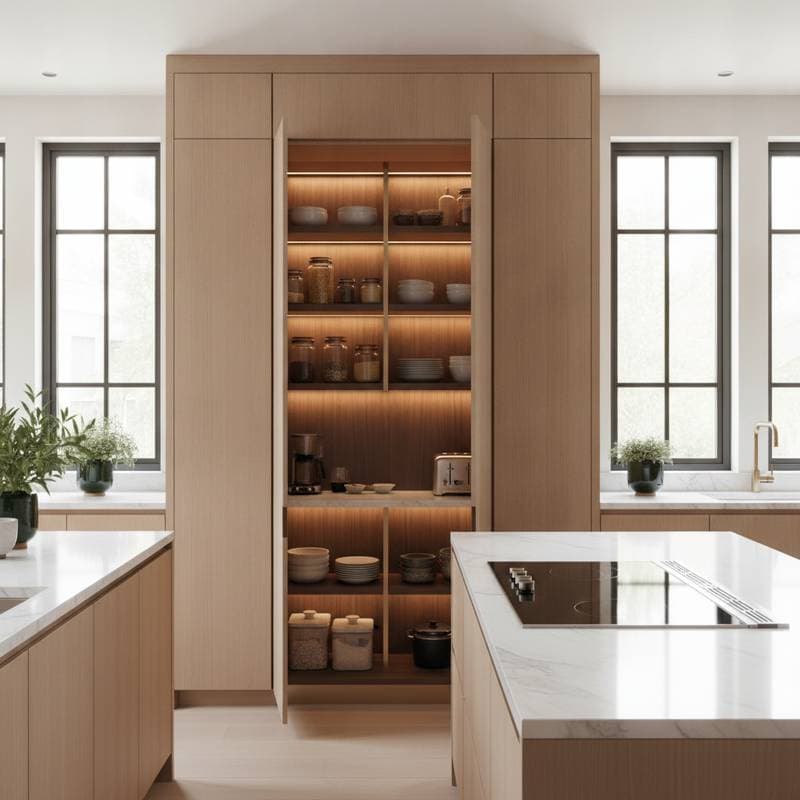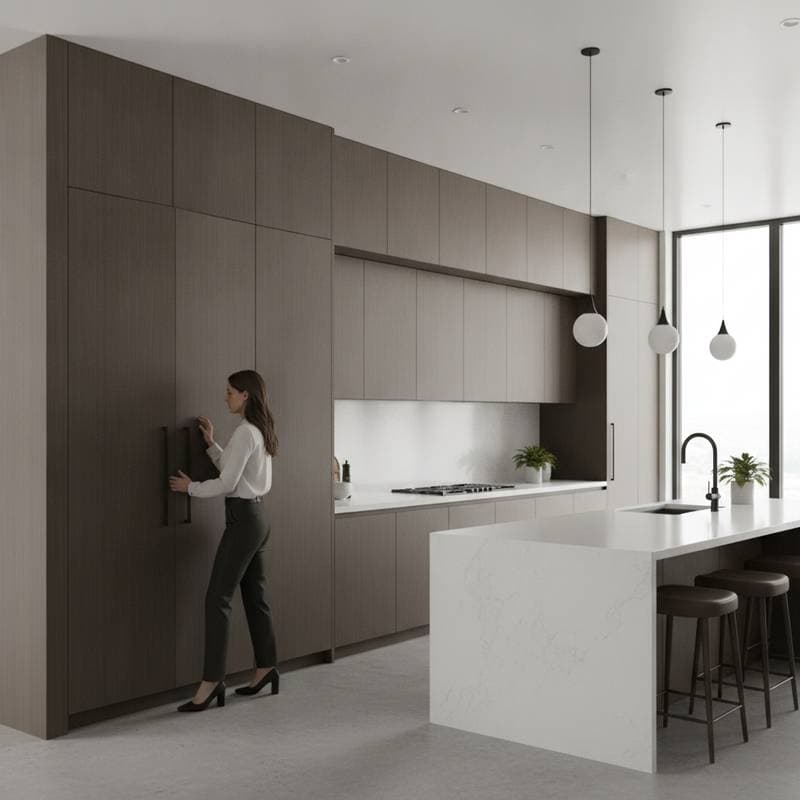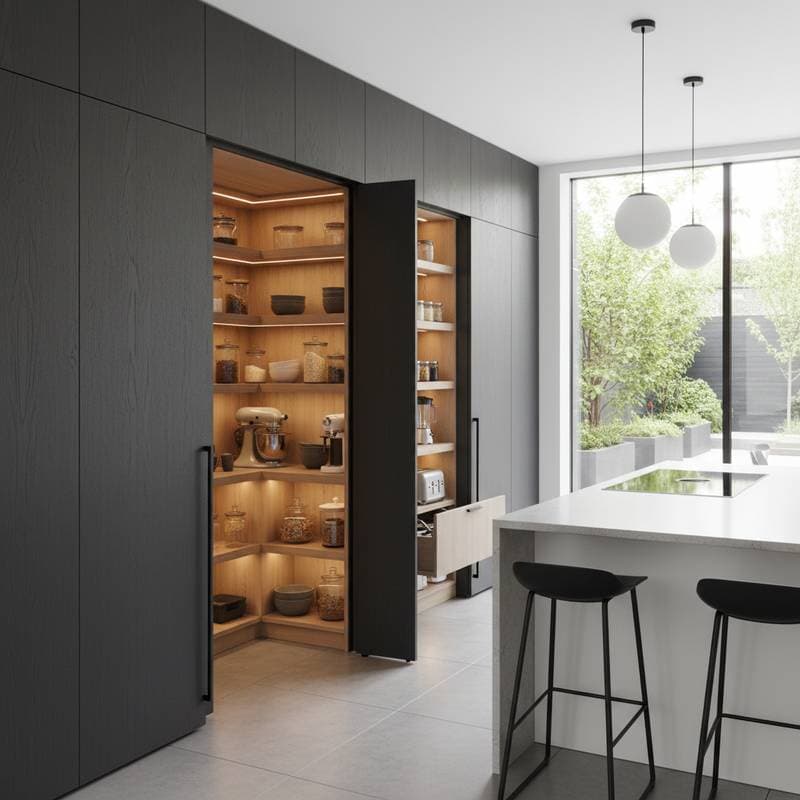
Understanding Hidden Pantries in Contemporary Kitchens
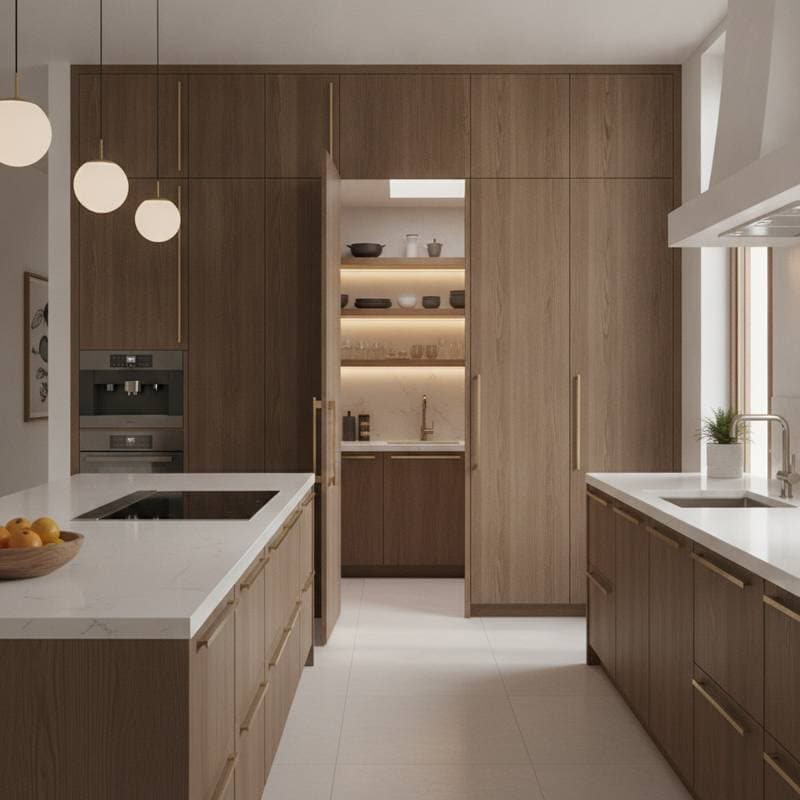
Hidden pantries represent a sophisticated evolution in kitchen design, offering concealed storage that maintains a clean aesthetic while maximizing functionality. These features integrate seamlessly into cabinetry or walls, hiding everyday essentials from view. Homeowners appreciate how this upgrade eliminates visual clutter and enhances the overall flow of living spaces.
The appeal of hidden pantries extends beyond mere organization. They contribute to a sense of spaciousness in kitchens, which often serve as the heart of the home. By 2026, industry experts predict this trend will dominate renovations, driven by demand for minimalist yet practical interiors.
The Financial Impact: Boosting Home Value by $15,000
Incorporating a hidden pantry can increase a property's market value significantly. Real estate assessments indicate an average return of $15,000 on such investments, depending on location and execution quality. This uplift stems from the perceived luxury and efficiency that buyers seek in modern homes.
Factors influencing this value addition include the pantry's size, materials, and integration with existing features. In high-demand urban markets, the premium rises as buyers prioritize innovative storage solutions. Professional appraisals often highlight how these elements differentiate a home in competitive listings.
Design Options for Hidden Pantries
Walk-In Versus Pull-Out Configurations
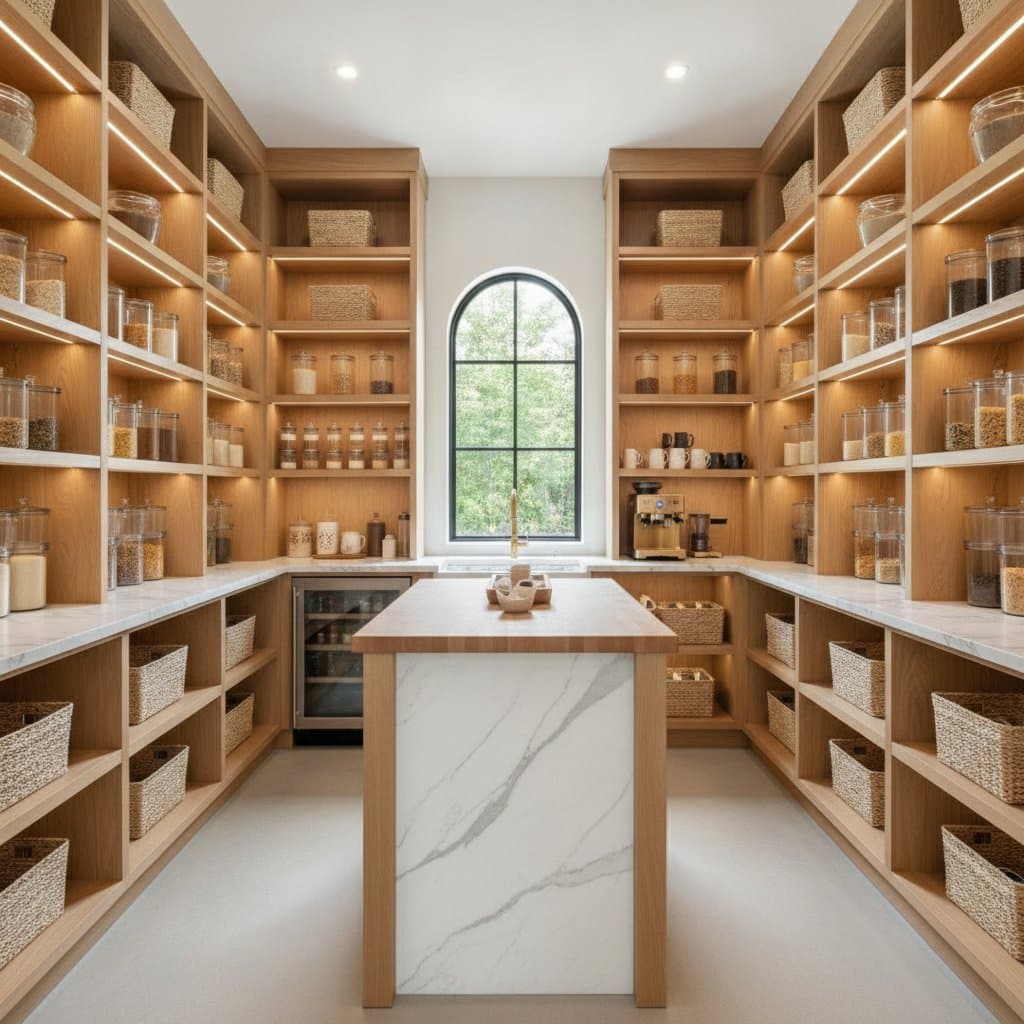
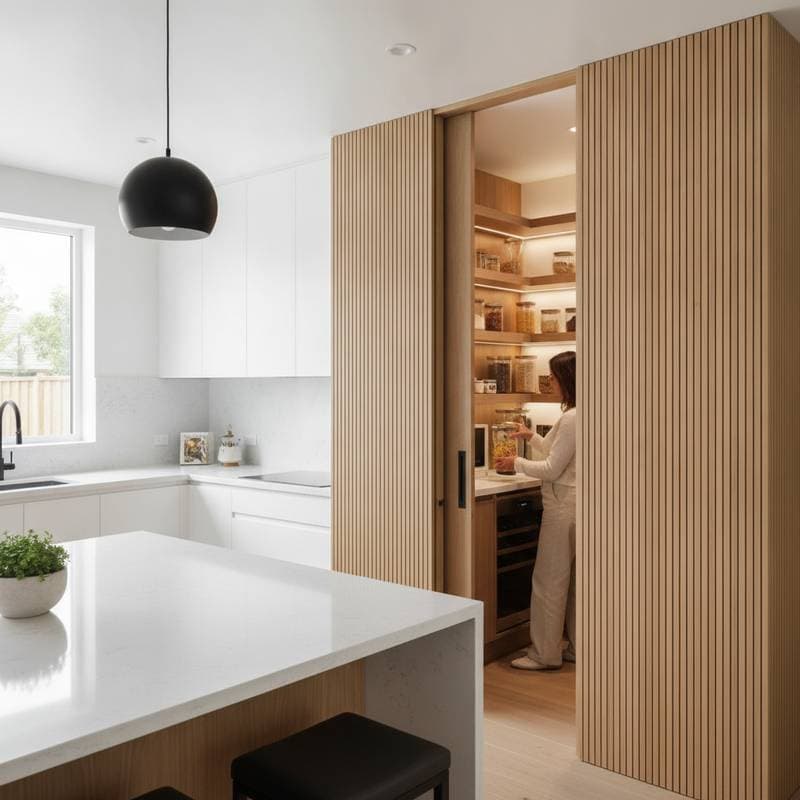
Walk-in hidden pantries provide ample space for bulk storage, ideal for larger kitchens. These resemble small rooms concealed behind cabinet doors or sliding panels, accommodating shelves for appliances and dry goods. Pull-out versions suit compact areas, featuring sliding drawers or trays that extend from base cabinets.
Each option requires careful planning to match the kitchen's layout. Walk-in designs demand at least four square feet of floor space, while pull-out systems fit within standard cabinet depths of 24 inches.
Material and Finish Choices
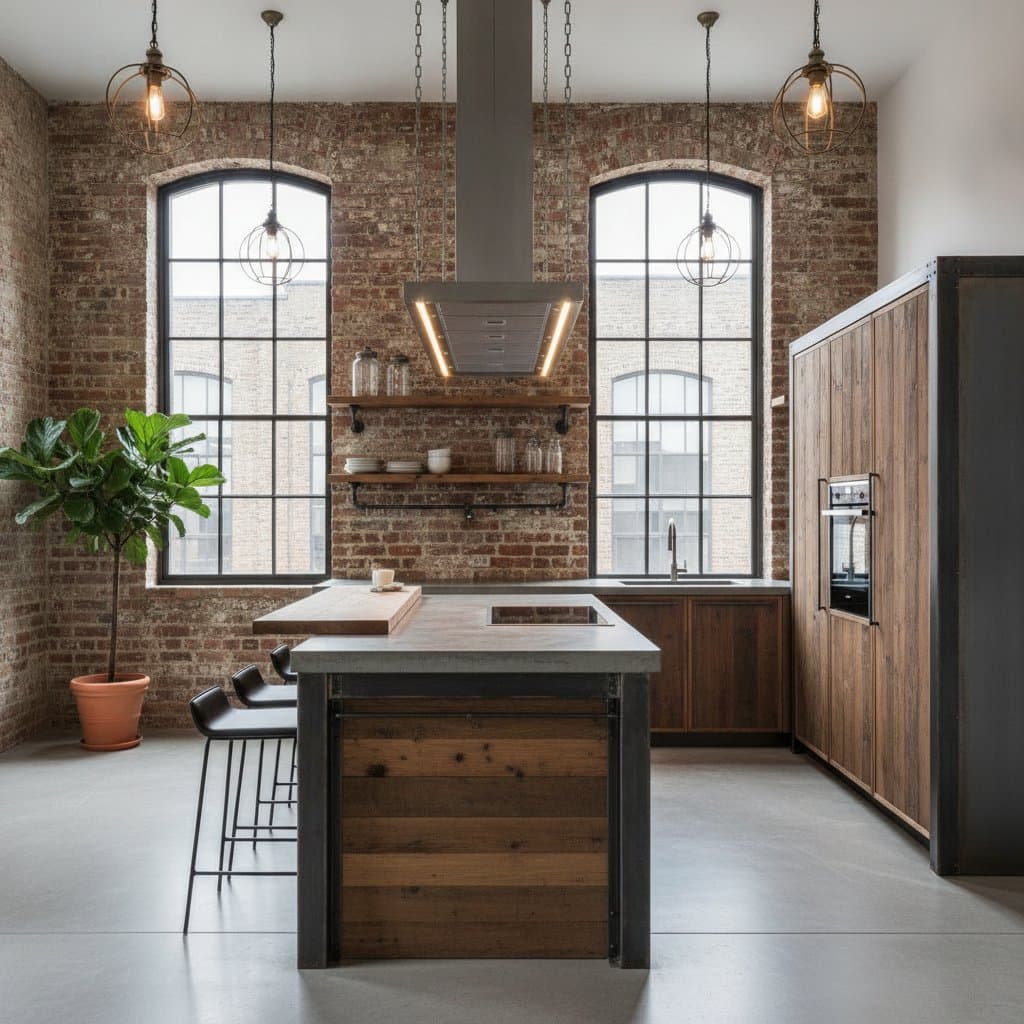
Select materials that align with the kitchen's theme for a cohesive look. Solid wood doors in oak or maple offer durability and warmth, whereas painted MDF provides affordability and versatility. Hardware such as soft-close hinges ensures smooth operation and longevity.
Finishes range from matte to glossy, influencing light reflection and maintenance needs. Neutral tones blend effortlessly, but bold accents can serve as subtle design statements.
Cost Breakdown and Budgeting Tips
The expense of installing a hidden pantry varies based on complexity and scale. Basic pull-out units start at $2,000, covering materials and labor for standard installations. Walk-in options escalate to $10,000 or more, incorporating custom shelving and electrical outlets for lighting.
Additional costs arise from structural modifications, such as reinforcing walls or rerouting plumbing. Homeowners should allocate 10 to 15 percent of the budget for unforeseen adjustments. Consulting contractors early helps refine estimates and avoid overruns.
To manage expenses effectively:
- Prioritize essential features like adjustable shelving over luxury add-ons.
- Source materials from local suppliers to reduce shipping fees.
- Explore financing options through home improvement loans for larger projects.
Installation Process: Steps for Success
Professional installation guarantees structural integrity and aesthetic precision. Begin with a site assessment to evaluate space constraints and load-bearing elements. Designers then draft blueprints, ensuring compliance with building codes.
The process unfolds in phases:
- Demolition of existing cabinetry or walls, if necessary.
- Framing and assembly of the pantry structure.
- Integration of doors, shelves, and lighting fixtures.
- Final finishing and testing for functionality.
Timeline typically spans one to two weeks, minimizing disruption. Post-installation, organize contents strategically to optimize accessibility and maintain order.
Maximizing Storage Efficiency
Effective use of hidden pantry space involves thoughtful organization. Install pull-out bins for small items and deep shelves for larger containers. Label sections clearly to facilitate quick retrieval during meal preparation.
Incorporate multi-functional elements, such as spice racks or charging stations within the pantry. This approach not only conceals clutter but also streamlines daily routines. Regular maintenance, including annual deep cleaning, preserves the feature's appeal.
Long-Term Benefits and Resale Advantages
Hidden pantries deliver enduring value through enhanced usability and curb appeal. They appeal to families seeking organized environments and to empty-nesters desiring simplified spaces. The investment pays dividends in reduced stress from cluttered counters and improved home functionality.
When preparing for resale, highlight the pantry in staging efforts. Emphasize its role in modern living, backed by energy-efficient lighting and durable construction. Buyers respond positively to features that promise convenience without sacrificing style.