Hidden Pantries: A $18,000 Value Boost for 2026 Kitchens
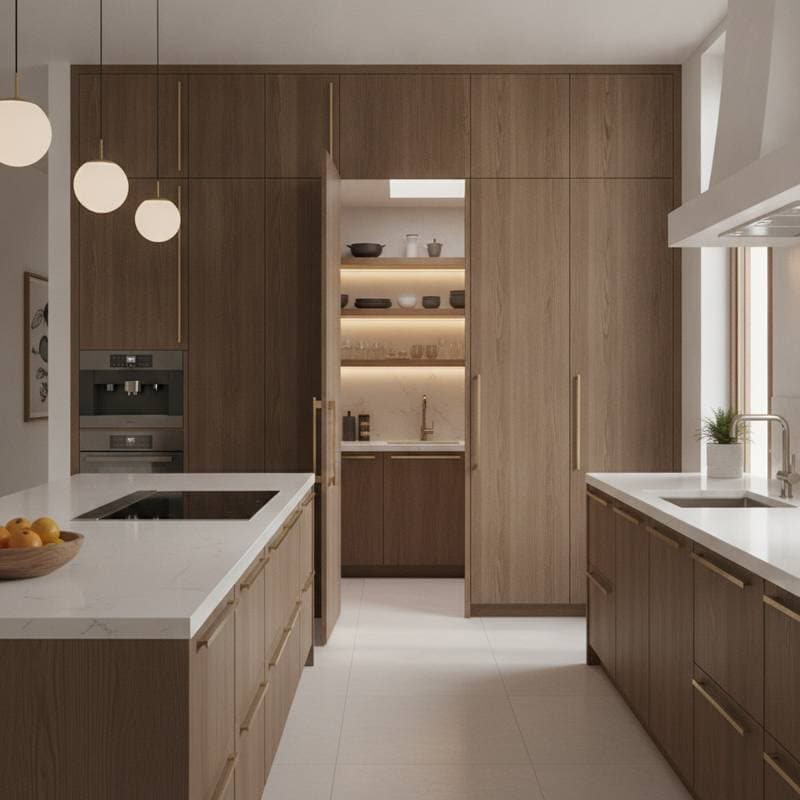
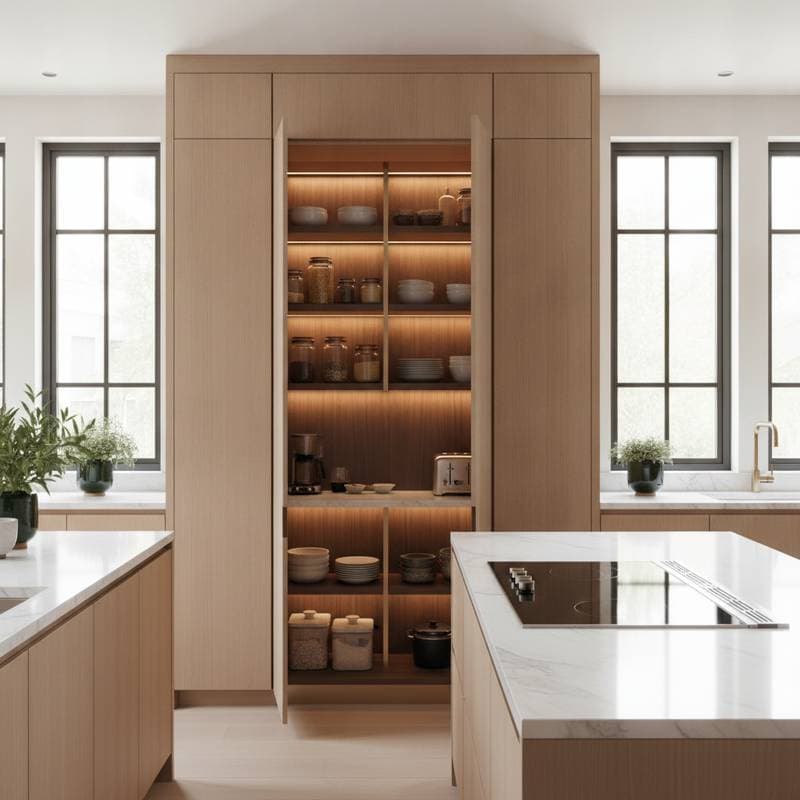
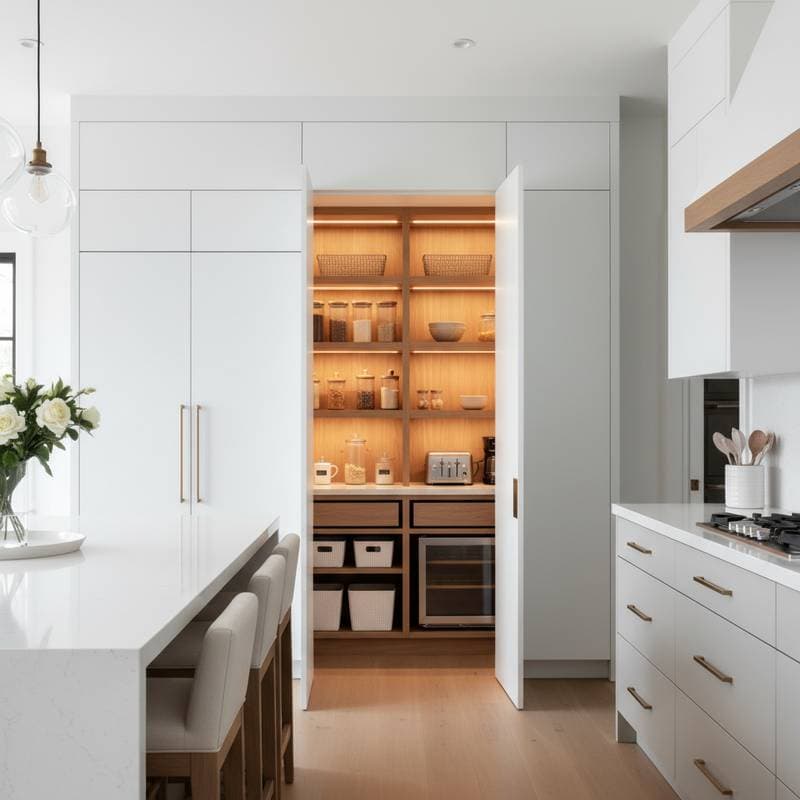
Hidden pantries emerge as key elements in contemporary kitchen design. These features conceal storage behind cabinetry that matches surrounding elements, resulting in clean lines and substantial organizational capacity. Homeowners who incorporate hidden pantries during remodels often see an average increase of $18,000 in resale value, according to real estate trends projected for 2026.
This addition suits both compact urban kitchens and expansive family spaces. It elevates the overall aesthetic while addressing practical needs for organization. Professionals recommend hidden pantries for their ability to transform routine storage into a sophisticated design asset.
Planning a Hidden Pantry: Key Considerations
Before beginning construction, evaluate the kitchen's layout to identify optimal placement. Hidden pantries require careful integration to avoid disrupting workflow or visual harmony. Consider the household's storage demands, such as space for dry goods, appliances, or bulk items, to ensure the design meets long-term needs.
Budget plays a crucial role in the planning phase. Basic installations range from $5,000 to $10,000, depending on size and materials, while custom versions with advanced features can exceed $15,000. Factor in potential returns on investment, as these enhancements appeal to discerning buyers seeking modern, efficient homes.
Step-by-Step Guide to Installing a Hidden Pantry
-
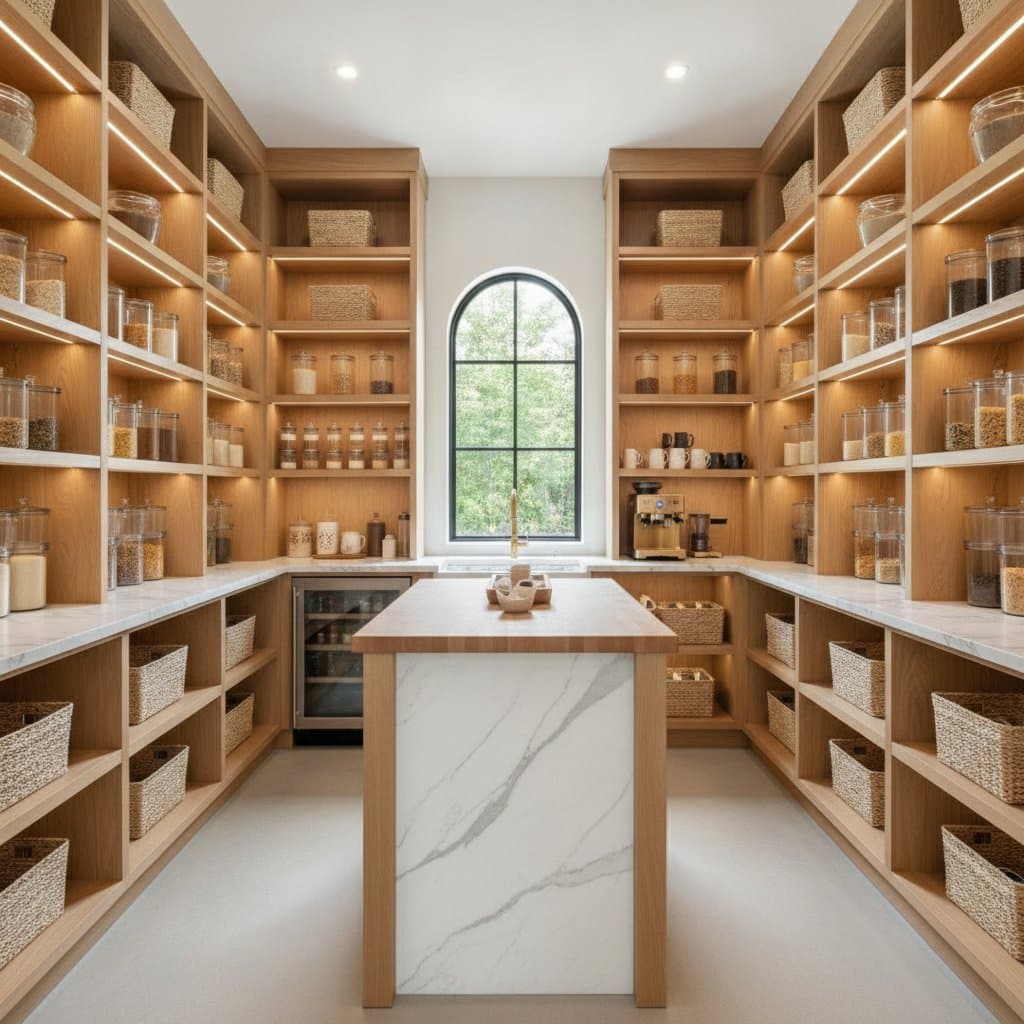
Assess and measure the available space. Determine if the pantry will function as a walk-in unit, requiring at least 4 feet by 5 feet, or a built-in option with 24 inches of depth. Use a tape measure to account for adjacent cabinets and appliances, ensuring clearance for doors and access.
-
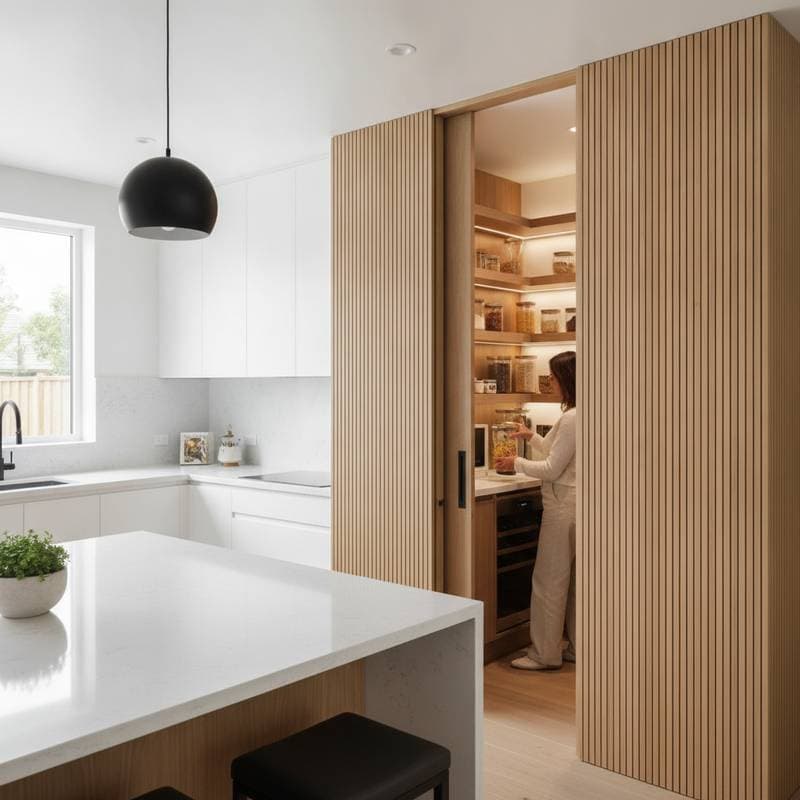
Select the door mechanism. Opt for hinged doors that align with existing cabinetry for a traditional look, or sliding panels for space-saving efficiency. Pivot doors offer a modern alternative, especially in tight areas, and all choices should complement the kitchen's finish and style.
-
Design the internal layout. Position adjustable shelving at varying heights to accommodate different item sizes, with heavier goods placed at waist level for easy access. Include dedicated zones for counters if needed, and integrate pull-out drawers for smaller utensils.
-
Incorporate ventilation systems. Install passive vents or a small exhaust fan to manage humidity and odors, preventing moisture-related issues. This step proves essential in kitchens with frequent cooking activity.
-
Set up efficient lighting. Choose LED strip lights along shelves or recessed fixtures in the ceiling to illuminate contents without generating excess heat. Motion-activated options enhance usability during late-night foraging.
-
Prepare the interior surfaces. Apply durable finishes such as laminate for shelves or tile for flooring to facilitate cleaning and resist wear. Select neutral colors that blend with the exterior for a cohesive appearance.
-
Ensure seamless exterior integration. Match the door panel to adjacent cabinets using identical materials and hardware. Test the alignment to confirm the pantry remains inconspicuous when closed.
Construction Timeline and Efficiency Factors
Complete most hidden pantry projects in two to three weeks, from initial framing to final touches. Retrofitting into existing cabinetry shortens this to three to five days, provided no major structural changes occur.
Several elements accelerate the process. Utilizing pre-existing wall spaces eliminates demolition time, and prefabricated shelving units reduce custom fabrication needs. Professional contractors often streamline workflows by coordinating trades like electricians early.
Delays arise from complexities such as relocating electrical wiring or plumbing lines. Custom elements, including intricate stone countertops or bespoke cabinetry, extend timelines due to sourcing and installation precision. Plan contingencies to maintain project momentum.
Essential Tools and Materials List
Gather these items to execute the installation effectively:
- Tape measure and bubble level for precise measurements
- Stud finder to locate framing supports
- Power drill and screwdriver set for assembly
- Circular saw or miter saw for cutting framing and trim
- LED lighting kit with wiring components
- Cabinet hinges, sliding tracks, or pivot hardware
- Paint, laminate sheets, or tile for interior finishing
- Shelving brackets, boards, or modular pantry units
Always wear safety gear, including goggles and gloves, during cutting or drilling operations. Scan walls with a detector to avoid hidden utilities before proceeding.
Safety Protocols and Permitting Requirements
Obtain necessary building permits if the project involves wall modifications, new electrical outlets, or plumbing additions. Local regulations vary, so consult municipal offices early to comply with codes.
Avoid altering load-bearing walls or electrical systems without certified inspections. Install ground-fault circuit interrupter outlets for any added appliances to mitigate shock risks. Maintain dryness through proper ventilation to inhibit mold development in the enclosed space.
Adapting to Regional and Climate Variations
Tailor the design to local environmental conditions for optimal performance. In humid areas, integrate a dehumidifier or enhanced venting to control moisture levels. Cold climates demand insulation on exterior-facing walls to protect stored food from temperature fluctuations.
Properties in high-risk zones, such as wildfire-prone or hurricane-affected regions, should forgo unconditioned exterior doors. Adhere to local building codes, which might mandate specific lighting standards or minimum dimensions for walk-in storage. Early verification prevents costly revisions.
The Resale Value Advantage of Hidden Pantries
Prospective buyers prioritize kitchens that exude organization and sophistication. A hidden pantry delivers this by concealing everyday clutter, thereby enhancing the perceived luxury of the space. It functions as both a practical utility and a subtle design statement.
Real estate professionals observe that properties featuring integrated storage solutions attract offers more quickly and at higher prices. This feature effectively expands usable square footage without physical alterations to the home's footprint. Overall, it positions the kitchen as a premium selling point.
Comparing Butler's Pantries and Hidden Pantries
A butler's pantry serves as a transitional area between kitchen and dining spaces, typically equipped with counters, sinks, or refrigeration for food preparation and serving. In contrast, a hidden pantry focuses exclusively on concealed storage to preserve visual simplicity.
| Scenario | Recommended Approach | Rationale |
|---|---|---|
| Frequent entertaining | Install a butler's pantry | Provides convenient access to serving items and beverages |
| Emphasis on minimalism | Select a hidden pantry | Eliminates visible clutter for a streamlined aesthetic |
| Dual functionality required | Integrate both elements | Conceals storage while maintaining an open prep area |
Contemporary designs frequently combine these concepts into hybrid configurations, where storage hides behind cabinetry adjacent to visible workstations.
Ongoing Maintenance for Longevity
Preserve the pantry's condition by wiping shelves promptly after spills and ensuring surfaces remain dry. Annual touch-ups on exterior paint or trim maintain the camouflaged appearance.
Apply lubricant to hinges or tracks yearly to ensure smooth operation. Conduct quarterly checks on lighting fixtures and ventilation systems to sustain air quality and illumination. With consistent care, these installations endure for decades with few interventions.
Expert Recommendations for Optimal Results
Align the door precisely with adjacent panels to maximize the concealment effect. Employ robust magnetic latches to secure alignment over time.
Incorporate motion-sensor lighting for effortless access. Design shelves with sufficient width to store oversized appliances or bulk purchases. Allocate room for potential expansions, such as integrated refrigeration or drawer systems.
Realizing the Benefits in Your Remodel
Implementing a hidden pantry elevates kitchen efficiency and market appeal. This investment yields immediate organizational gains alongside substantial financial returns. Homeowners who prioritize such features create spaces that support daily life while captivating future buyers.