The Rise of Hidden Pantries in Modern Home Design
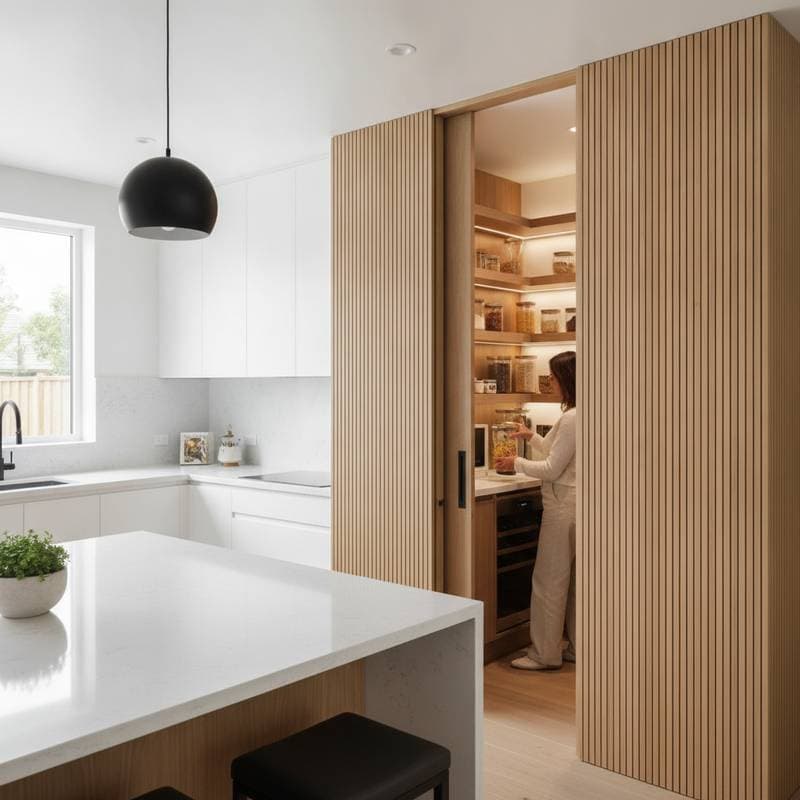
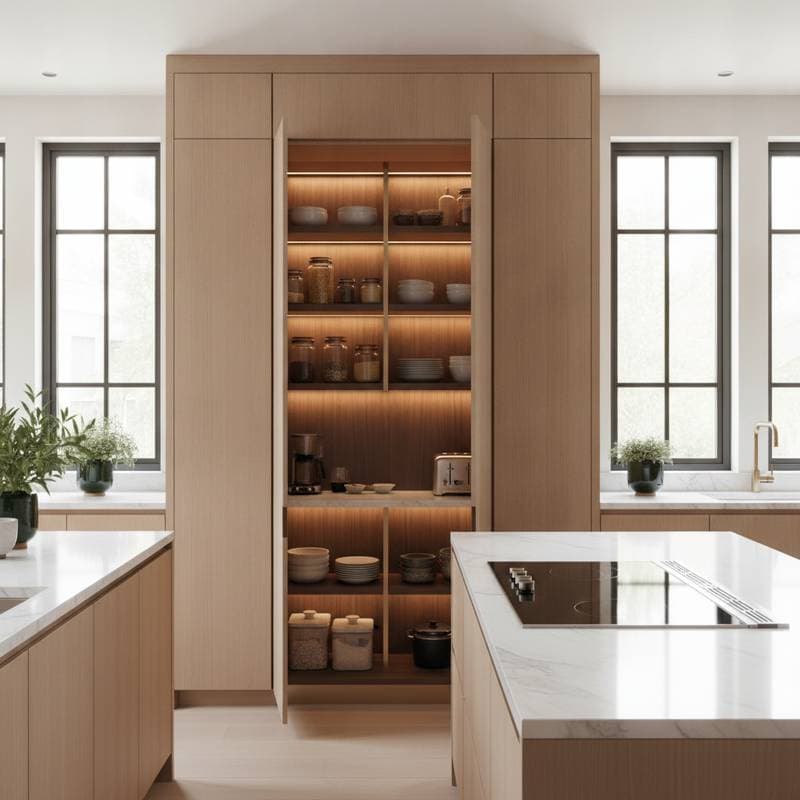
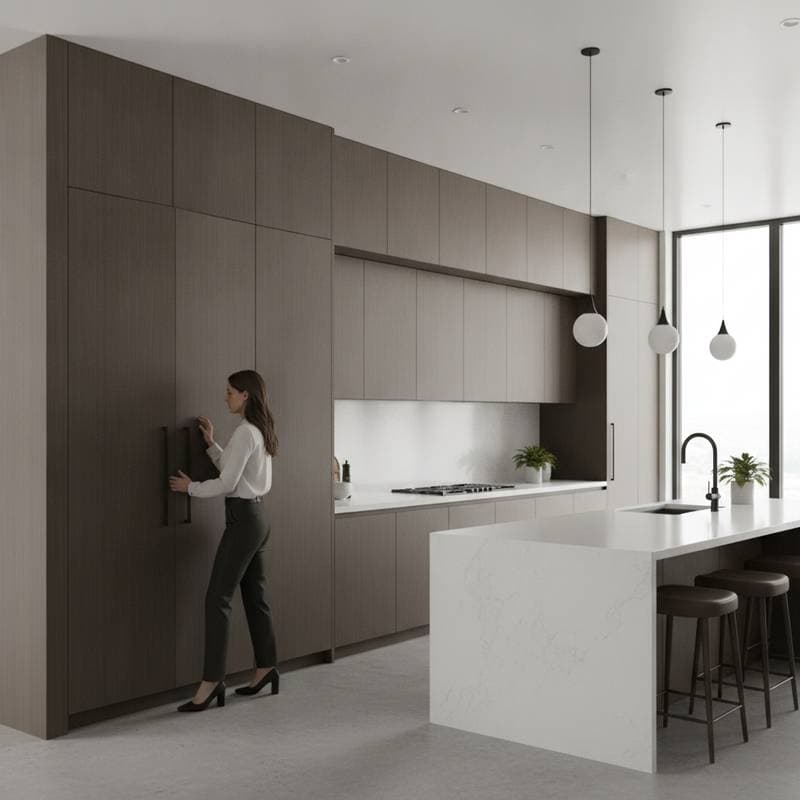
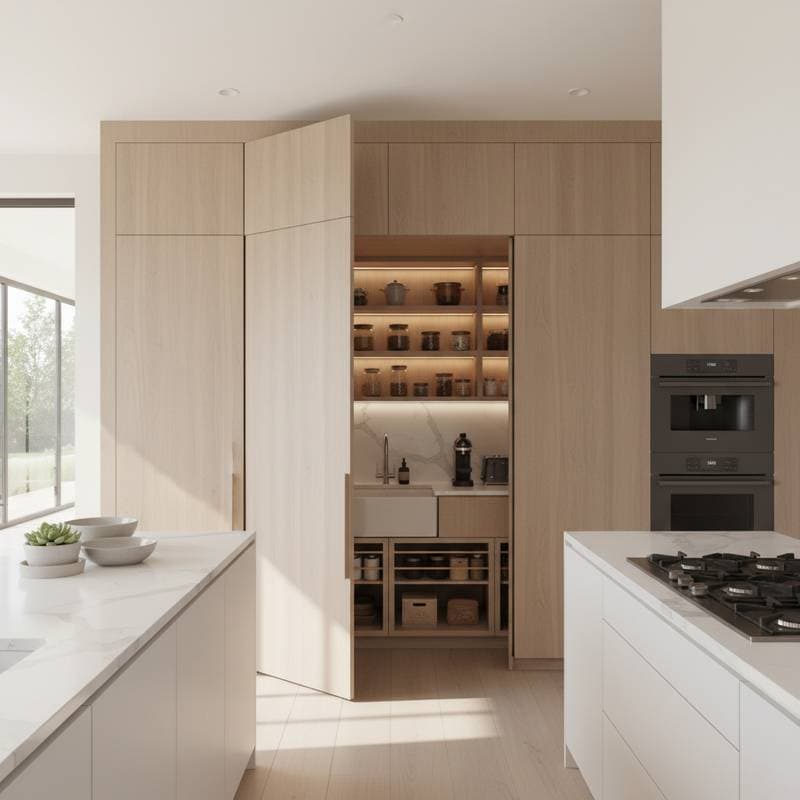
Hidden pantries have emerged as a key feature in contemporary kitchens, offering both aesthetic appeal and functional benefits. These concealed storage solutions tuck away appliances, utensils, and pantry staples behind seamless cabinetry, creating a clutter-free environment that enhances the overall flow of living spaces. As homebuyers prioritize streamlined designs, hidden pantries stand out for their ability to maximize perceived space without sacrificing accessibility.
In the evolving real estate market, such innovations directly influence property value and sale speed. Data from recent industry analyses indicates that homes equipped with hidden pantries sell 18 percent faster than comparable properties without them. This trend is projected to intensify by 2026, driven by a growing demand for multifunctional, visually appealing homes that cater to busy lifestyles.
Why Hidden Pantries Accelerate Home Sales
The appeal of hidden pantries lies in their capacity to transform ordinary kitchens into efficient, inviting hubs. Buyers often view cluttered countertops as a deterrent, associating them with inefficiency and dated design. By contrast, a hidden pantry maintains a minimalist look that photographs well for listings, drawing more interest from potential purchasers.
Market research highlights several factors contributing to faster sales. First, these features signal thoughtful planning and modern upgrades, which can justify premium pricing. Second, they address common pain points like limited storage in urban dwellings, making properties more competitive. For instance, in high-demand areas like Los Angeles, where space is at a premium, hidden pantries provide an edge by creating the illusion of expansiveness.
Resale value also benefits significantly. Properties with integrated smart storage see an average increase in offers within the first two weeks of listing. This efficiency stems from the immediate visual impact: a kitchen that appears larger and more organized appeals to a broad audience, from young professionals to families seeking long-term comfort.
Design Options for Hidden Pantries
Homeowners have various options when incorporating hidden pantries, ranging from subtle modifications to comprehensive overhauls. The choice depends on kitchen size, budget, and desired level of concealment. Understanding these variations allows for tailored implementations that align with personal needs and market expectations.
Basic Cabinet Integrations
Start with simple upgrades to existing cabinetry. Install pull-out shelves or swing-out doors behind standard upper cabinets to hide dry goods and small appliances. This approach requires minimal structural changes and costs between $500 and $1,500 per unit.
Materials like matte-finish panels ensure the pantry blends seamlessly with surrounding elements. For added functionality, include adjustable dividers to organize items by category, such as baking supplies or spices. These integrations maintain a cohesive look while freeing up counter space for daily use.
Walk-In Pantry Conversions
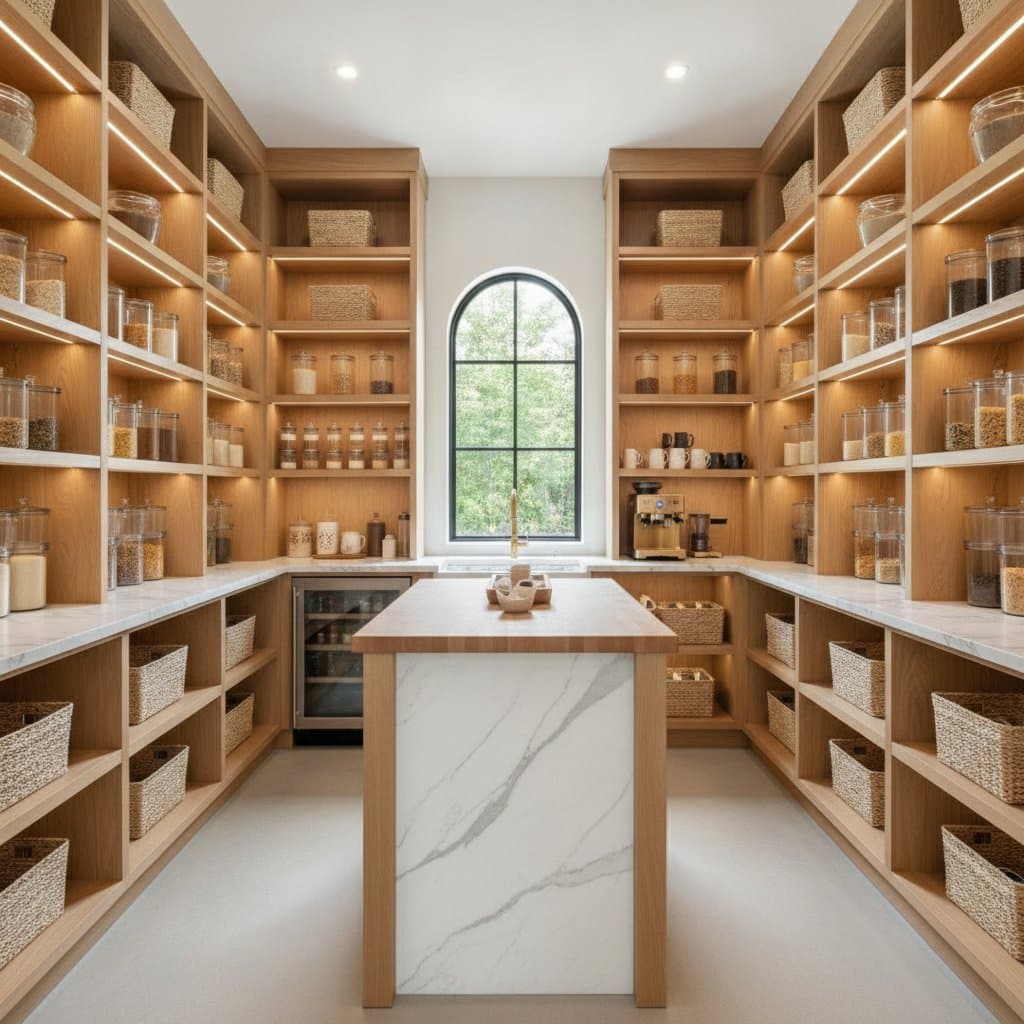
For larger kitchens, convert underutilized corners or adjacent closets into walk-in hidden pantries. Enclose the space with custom cabinet fronts that match the kitchen's aesthetic, using soft-close hinges for quiet operation. Lighting options, such as LED strips activated by motion sensors, illuminate the interior without drawing attention from outside.
This design maximizes storage for bulk items like canned goods and beverages. Ventilation systems prevent moisture buildup, preserving food quality. Conversion projects typically range from $3,000 to $10,000, offering a high return on investment through enhanced usability and appeal.
Smart Technology Enhancements
Incorporate technology to elevate hidden pantries into intelligent systems. Voice-activated doors or app-controlled inventory trackers simplify access and organization. For example, built-in scales on shelves can log item weights, alerting users to restock essentials.
These features appeal to tech-savvy buyers, positioning the home as forward-thinking. Integration with whole-home automation ensures the pantry operates in harmony with other systems, such as lighting or security. Budget for $1,000 to $5,000 additional for these upgrades, focusing on reliable brands for longevity.
Step-by-Step Guide to Adding a Hidden Pantry
Implementing a hidden pantry involves careful planning to achieve professional results. Follow these steps to ensure a smooth process that enhances your home's marketability.
-
Assess Your Space: Measure kitchen dimensions and identify suitable locations, such as behind a blank wall or within island cabinetry. Consider traffic flow to avoid obstructing daily activities.
-
Select Materials and Style: Choose cabinetry that matches existing finishes, opting for durable woods or laminates. Consult design software to visualize the integration and confirm proportions.
-
Plan the Layout: Organize storage zones logically, placing frequently used items at eye level. Include features like lazy Susans for corner access or pull-down racks for overhead storage.
-
Hire Professionals: Engage licensed contractors experienced in custom cabinetry. Review portfolios for similar projects and obtain multiple quotes to stay within budget.
-
Install and Test: During installation, verify alignment and functionality. Test doors, shelves, and any tech components before finalizing the setup.
-
Maintain for Longevity: Clean surfaces regularly and inspect hardware annually. Proper upkeep preserves the pantry's appearance and extends its lifespan.
Market Projections for 2026 and Beyond
By 2026, hidden pantries will likely become a standard expectation in mid-to-high-end listings. Shifts in buyer preferences toward sustainable, space-efficient designs will amplify their value. Real estate experts predict that properties lacking such features may require price adjustments to compete.
Sustainability plays a role as well. Use eco-friendly materials like reclaimed wood or low-VOC finishes to appeal to environmentally conscious consumers. These choices not only reduce environmental impact but also enhance the home's narrative in marketing materials.
In regions with rising property values, such as coastal California, hidden pantries could contribute to sales premiums of up to 5 percent. Track local trends through real estate reports to time renovations effectively, ensuring maximum return.
Unlocking Value Through Strategic Storage
Hidden pantries represent more than storage solutions; they embody a commitment to refined living. By eliminating visual clutter, they foster environments that support wellness and productivity. Homeowners who invest in these features gain immediate practical benefits alongside long-term financial advantages.
As the market evolves, embracing such innovations positions properties for quicker transactions and higher satisfaction. Consider how a hidden pantry aligns with your lifestyle goals, transforming routine tasks into seamless experiences. This forward-looking approach ensures homes remain desirable in an increasingly competitive landscape.