Wet Rooms Boost Home Value by 11 Percent: Consider Removing Tubs by 2026
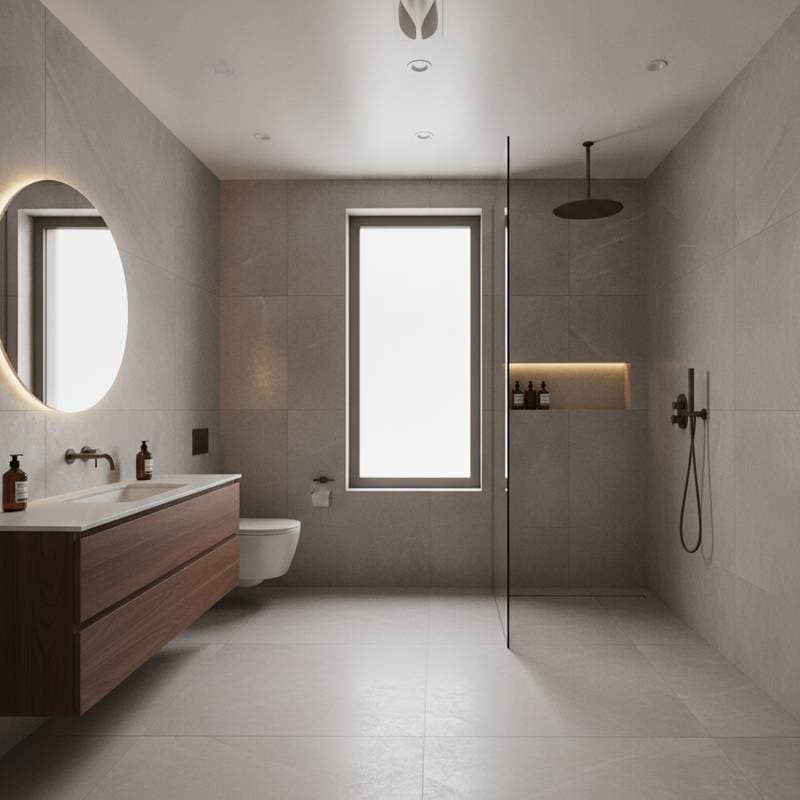
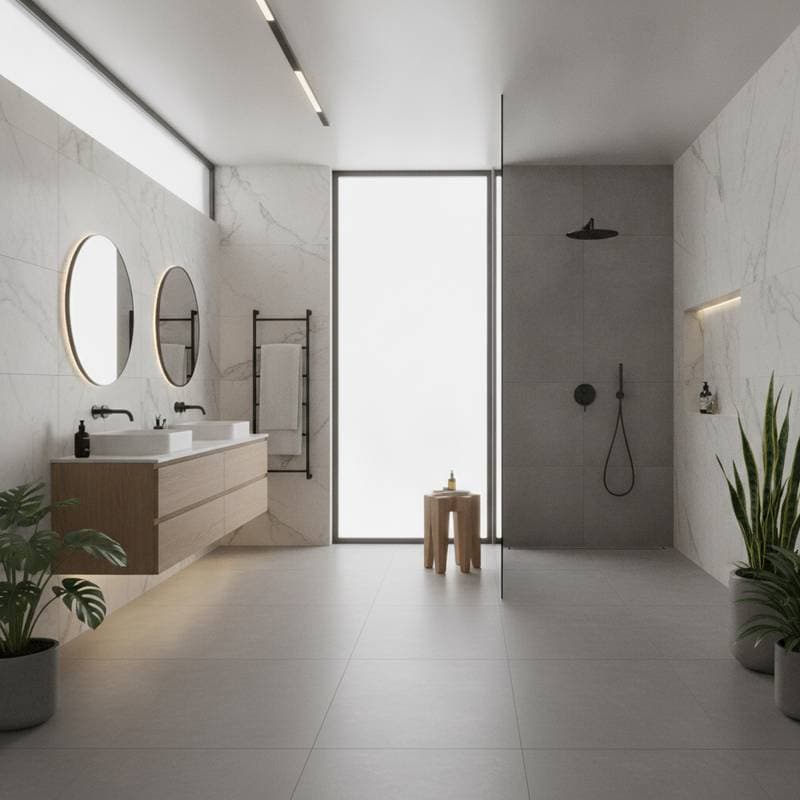
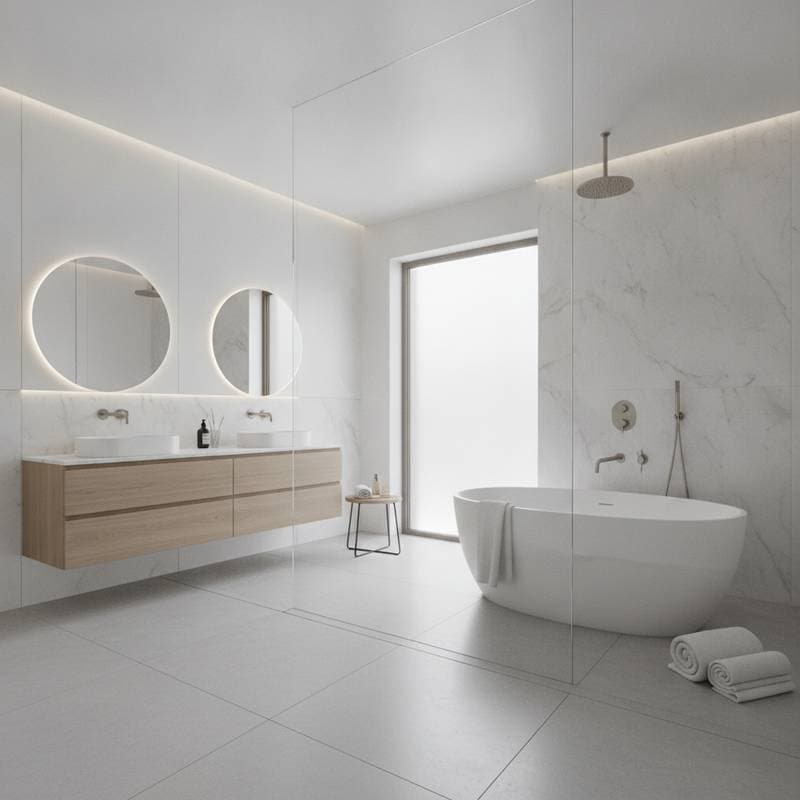
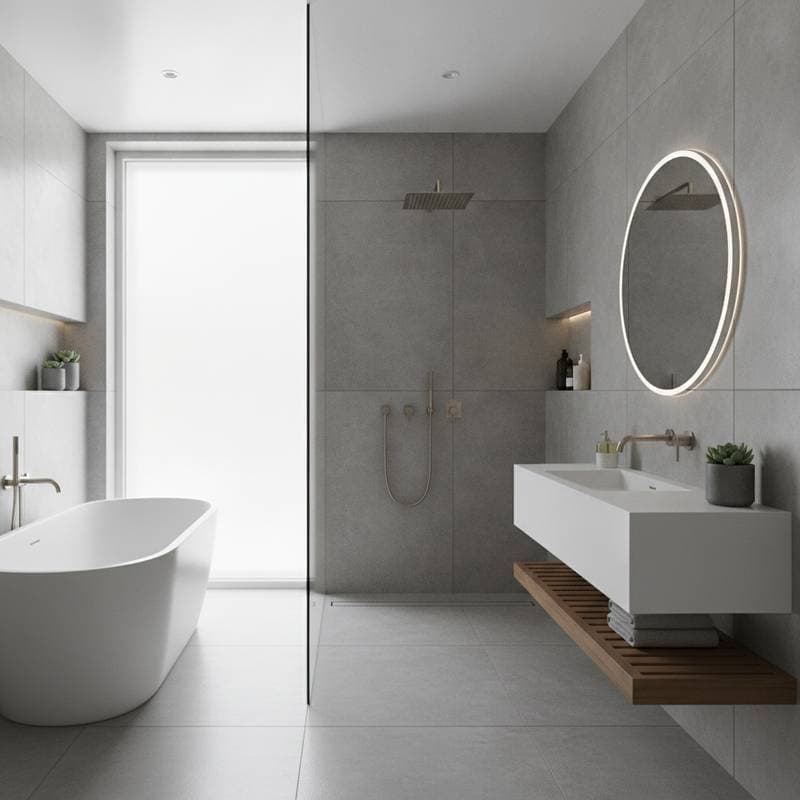
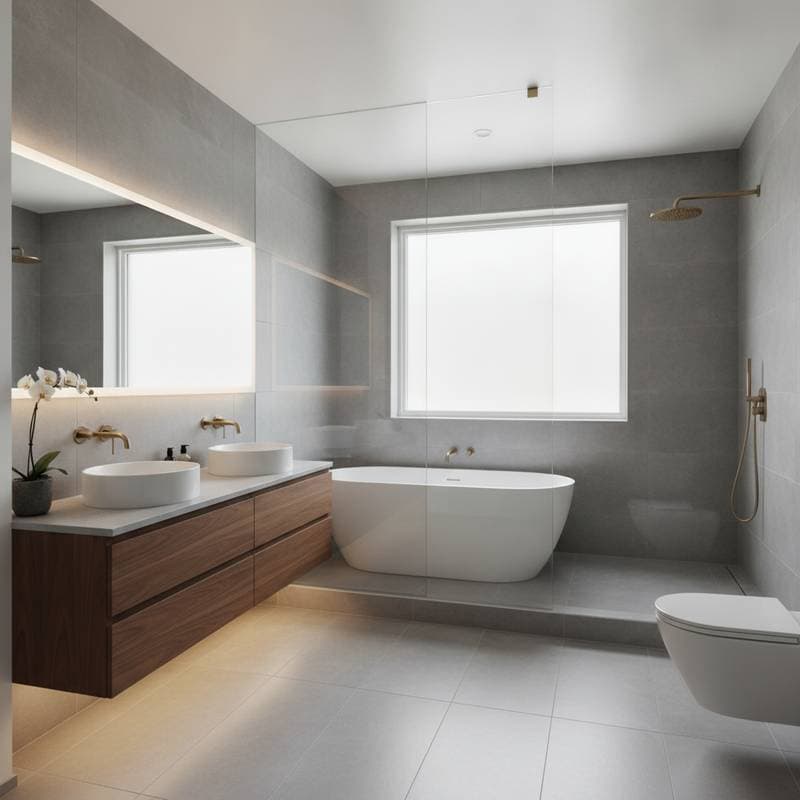
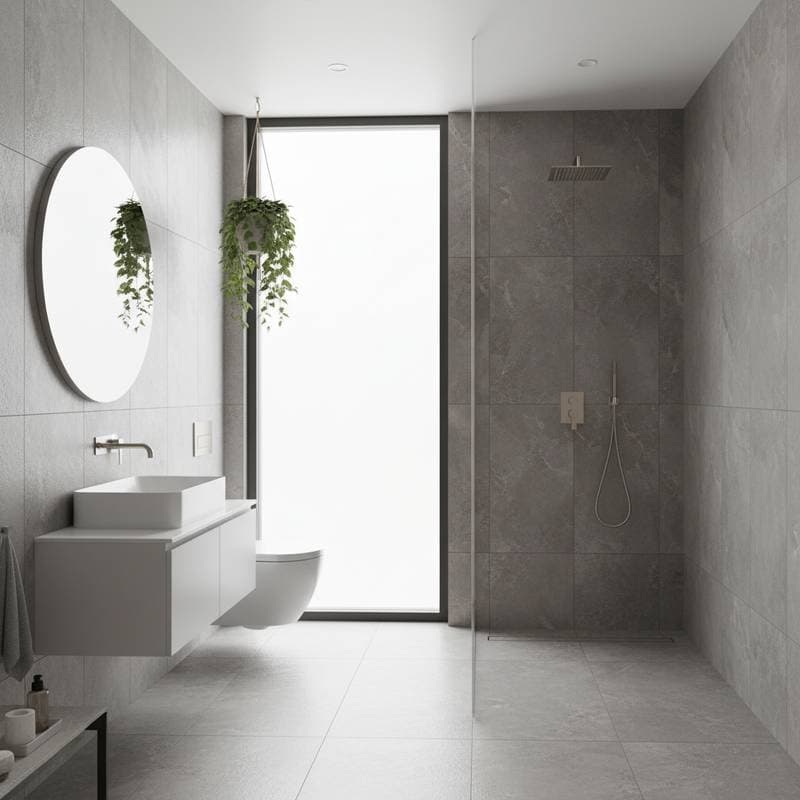
Wet rooms represent fully waterproofed bathrooms where the shower area integrates seamlessly with the floor level. Without thresholds or enclosures, the design features a gentle slope directing water toward the drain, creating an open and fluid space. Homeowners pursue this update to refresh dated bathrooms, enhance accessibility, or achieve a streamlined modern appearance. According to real estate analyses, properties equipped with wet rooms often experience an increase in market value of up to 11 percent. This trend holds appeal across urban condominiums and suburban renovations alike.
Advantages and Drawbacks
Advantages
- Increases property value by as much as 11 percent in regions that prioritize contemporary designs
- Enhances accessibility through barrier-free entry and unobstructed movement
- Simplifies cleaning by eliminating shower doors and tub edges that collect grime
- Offers versatile configurations suitable for compact or irregular room layouts
- Provides a refined visual appeal that complements minimalist or wellness-inspired decors
Drawbacks
- Involves elevated initial expenses relative to conventional shower installations
- Poses leak risks when waterproofing techniques fall short of standards
- Demands effective humidity management via robust ventilation and efficient drainage
- Results in cooler flooring without the addition of underfloor heating systems
- May lead to water splatter if the slope gradient or protective screens prove inadequate
Handling Installation: DIY or Professional?
Constructing a wet room demands expertise beyond basic home improvement skills. Essential elements include applying waterproof membranes, achieving precise floor slopes, and managing plumbing integrations. Errors in these areas can lead to persistent leaks, mold growth, or damage to underlying structures.
DIY Assessment:
- Complexity level: Advanced
- Estimated duration: Four to ten days, based on room dimensions
- Required equipment: Trowels, waterproofing sheets, specialized drain assemblies, tile cutting tools, and precision leveling devices
- Primary hazards: Compromised waterproof integrity leading to subfloor deterioration
Professionals with licensing handle complete installations to guarantee optimal drainage, verified waterproofing applications, and adherence to building regulations. Homeowners might manage superficial elements such as tiling or fixture selection, but core waterproofing remains a specialist domain.
Upkeep and Durability
When constructed to high standards, a wet room endures for 20 to 30 years under diligent maintenance routines.
Key Maintenance Practices:
- Regularly wipe surfaces post-use to minimize mildew accumulation.
- Clear drains on a weekly basis to avoid blockages.
- Reapply sealants to joints every five years.
- Routinely examine grout lines and membrane perimeters for signs of wear or fractures.
Effective ventilation systems curb excess moisture. For installations featuring radiant heating, schedule professional inspections biennially to maintain performance.
Regional Considerations
Local environmental and regulatory factors influence both installation costs and long-term functionality.
- In colder regions, incorporate underfloor heating to ensure tile surfaces remain comfortable underfoot.
- Coastal locations benefit from fixtures and grouts engineered for salt exposure and elevated humidity levels.
- Structures in older homes often necessitate subfloor strengthening prior to wet room integration.
- Urban settings typically incur higher labor fees, offset by proximity to expert installers.
- Municipal codes differ significantly, particularly regarding drainage specifications and electrical placements; consult local authorities early in planning.
Return on Investment and Market Appeal
Wet rooms draw interest from prospective buyers desiring effortless luxury features. Market studies indicate that residences with updated wet room bathrooms fetch prices up to 11 percent above comparable homes retaining conventional setups. This premium manifests most prominently in upscale segments where aesthetic innovation influences purchasing decisions. Note that eliminating a bathtub might deter family-oriented buyers; in households with multiple bathrooms, preserving at least one tub preserves broad appeal.
Prioritizing Safety Measures
Robust waterproofing and electrical precautions form the foundation of a secure wet room.
- Select tiles with non-slip properties, targeting a friction coefficient exceeding 0.6.
- Install ground-fault circuit interrupter outlets and moisture-resistant lighting in proximity to water areas.
- Engage certified plumbers for drain modifications or pipe relocations.
- Incorporate support rails to bolster accessibility objectives.
- Verify that exhaust systems comply with standards for moisture extraction.
Overlooking these protocols invites risks such as water intrusion, fungal proliferation, or shock hazards.
Steps to Implement Your Wet Room
Transitioning to a wet room offers a strategic path to contemporary functionality and elevated property worth. Establish a detailed budget and timeline from the outset. Solicit bids from no fewer than three qualified contractors experienced in waterproof constructions; request portfolios of prior projects and comprehensive warranties covering workmanship and components.
For constrained budgets or spaces, explore hybrid options like curbless showers that mimic the open aesthetic while easing maintenance. Post-installation, prioritize seal integrity and airflow to safeguard the upgrade.
Ultimately, a thoughtfully executed wet room transcends mere renovation. It delivers enhanced usability, reduced daily efforts, and tangible financial benefits for your living space.