Wet Rooms as Bathtub Replacements: Achieve an 11 Percent Value Increase by 2026
Key Insight: Homeowners who replace a bathtub with a wet room often see property values rise by approximately 11 percent. Such renovations typically require investments between $9,000 and $18,000, influenced by room dimensions, material selections, and installation complexities.
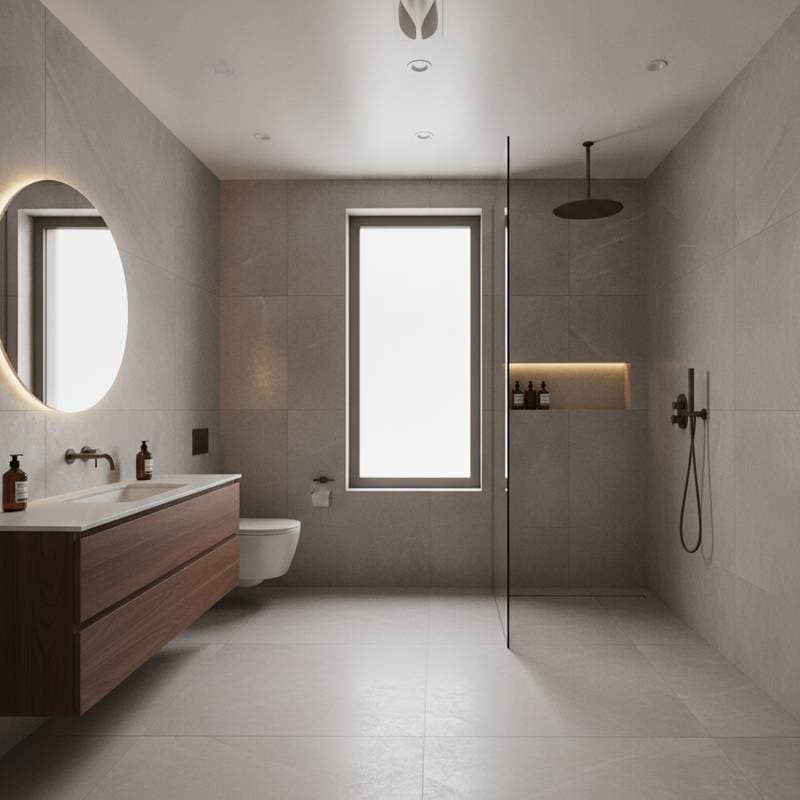
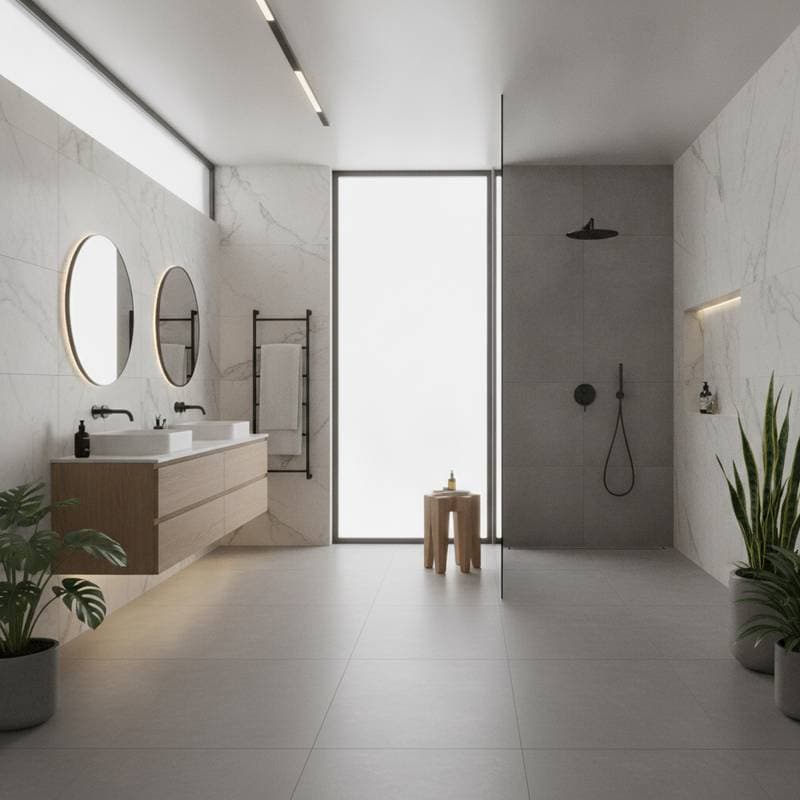
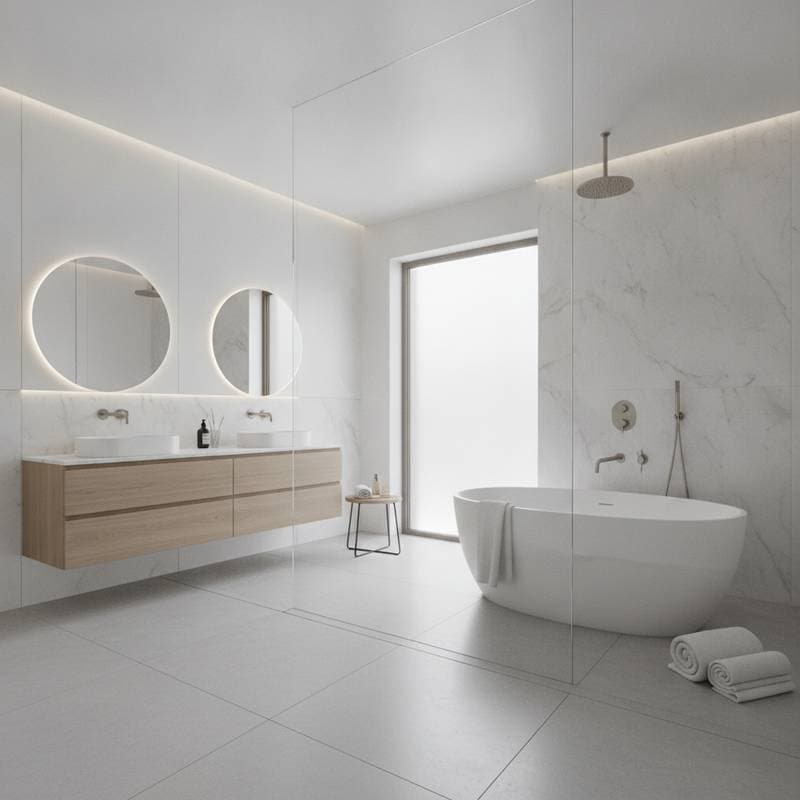
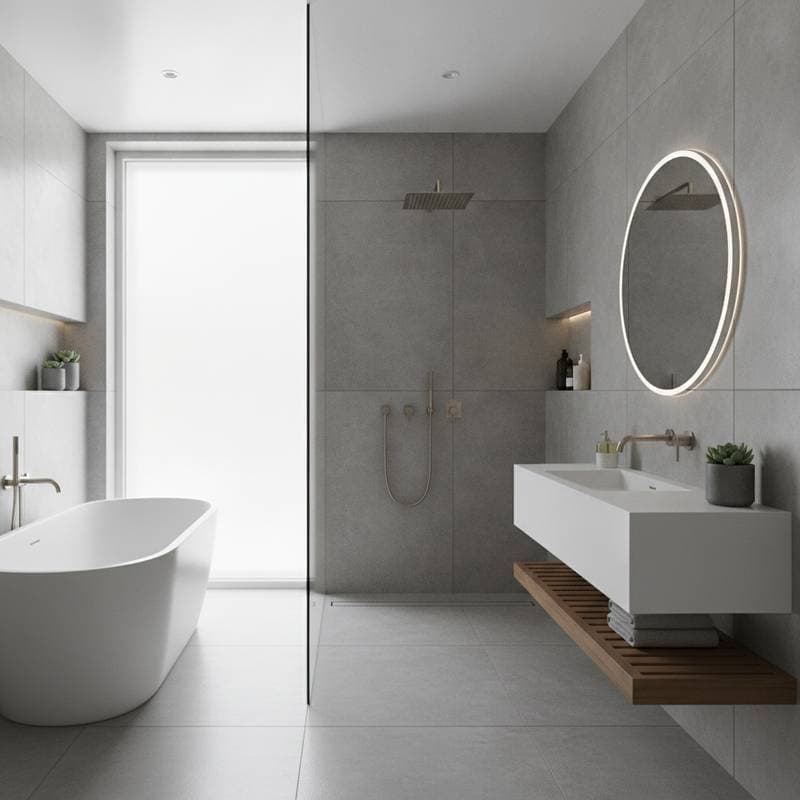
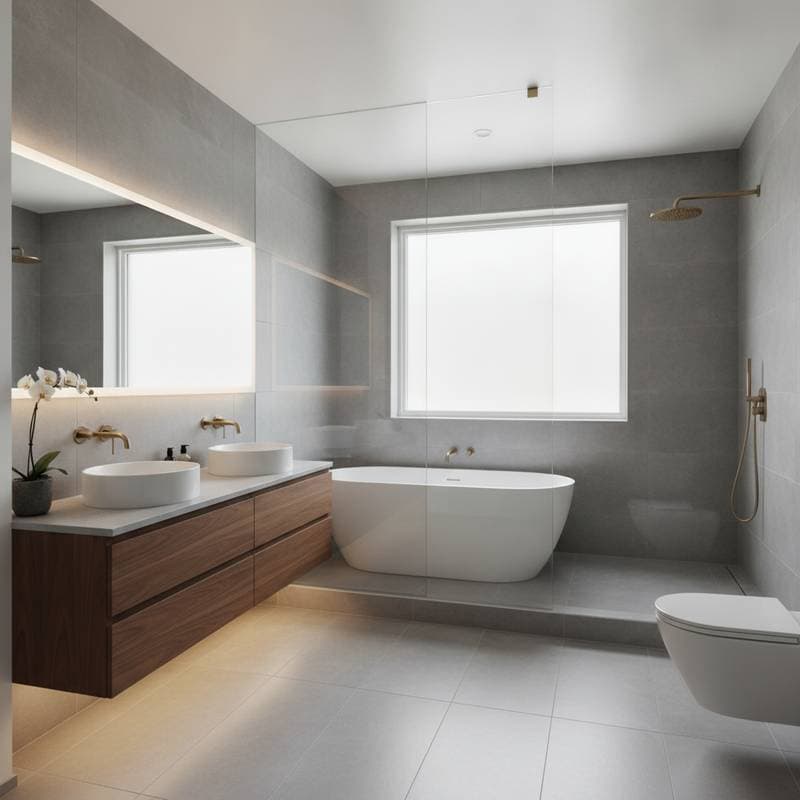
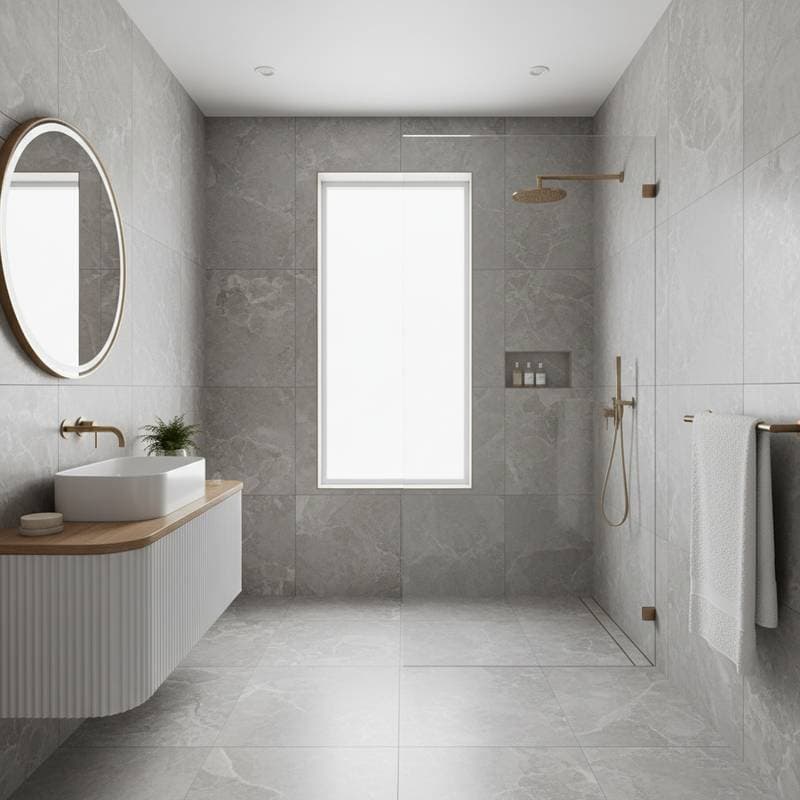
Wet rooms represent a shift toward open, seamless bathroom designs that eliminate barriers like shower curtains or tub surrounds. This transformation not only modernizes the space but also appeals to buyers seeking accessible, low-maintenance features. Projections indicate that by 2026, these upgrades will contribute significantly to resale premiums in urban and suburban markets alike.
Factors Influencing Wet Room Costs
Understanding the breakdown of expenses helps homeowners budget effectively and avoid unexpected overruns. Costs vary based on project scope, but focusing on essential components ensures value without excess spending.
1. Room Size and Layout Adjustments
A standard 5-by-8-foot bathroom conversion remains the most economical option, often staying under $12,000. Larger spaces or those requiring plumbing relocation add $2,000 to $4,000 due to additional labor and material needs. Assess your current layout early to determine if minor wall adjustments or fixture repositioning become necessary.
2. Essential Waterproofing Measures
Durable membranes and sloped flooring systems form the foundation against water damage. Materials for these elements alone range from $1,200 to $2,500. Professional application guarantees adhesion and coverage, preventing costly leaks that could arise from inadequate protection.
3. Selection of Tiles and Surface Finishes
Opt for ceramic or porcelain tiles at $4 to $10 per square foot for affordability and ease of maintenance. Premium natural stone options climb to $20 per square foot, offering luxury but demanding skilled installation. Choose large-format tiles to minimize grout joints, which simplifies cleaning while potentially increasing labor for precise cuts.
4. Drainage Solutions and Floor Sloping
Linear drains provide a contemporary, unobstructed appearance and efficient water flow, though they cost $400 to $900 more than traditional center drains. Achieving the proper slope, typically one-quarter inch per foot, complies with building codes and ensures user comfort. Incorrect sloping leads to pooling water and potential structural issues over time.
5. Installation Labor and Required Permits
Skilled labor accounts for $5,000 to $10,000, varying by local rates and project intricacy. Permits become mandatory in many municipalities when plumbing or electrical modifications occur. Consult local regulations upfront to streamline approvals and avoid delays.
6. Optional Enhancements
Features such as radiant floor heating, integrated seating, or seamless glass enclosures add $800 to $2,000 per item. Allocate an additional 10 to 15 percent of the budget for contingencies, particularly in homes with dated infrastructure. Prioritize enhancements that align with personal use and market demands.
Comparing DIY and Professional Installation Approaches
Deciding between self-directed work and expert involvement depends on skill level, time availability, and project risks. Each method offers distinct advantages when applied appropriately.
DIY Installation:
This route suits experienced individuals familiar with tiling and basic plumbing. Essential tools include a wet saw for precise cuts, mixing equipment for adhesives, trowels for application, and leveling devices for even surfaces. However, errors in sloping or waterproofing invite moisture intrusion, mold growth, and expensive fixes.
Professional Installation:
Engage specialists for tasks involving drain relocation or advanced features like underfloor heating. Experts deliver precise sloping and adherence to codes, minimizing long-term liabilities. Certified plumbers and electricians handle any utility alterations, ensuring safety and compliance.
A combined strategy proves effective for numerous projects. Homeowners manage initial demolition and surface preparation, while professionals oversee critical waterproofing and finishing. This balance often reduces expenses by $1,500 to $3,000 without compromising quality.
Ongoing Maintenance and Warranty Considerations
Proper care sustains the wet room's performance and appearance for years. Regular attention to key areas prevents common issues and preserves the investment.
- Apply grout sealant every two to three years to block moisture penetration.
- Clear drains on a monthly basis to maintain optimal flow and hygiene.
- Inspect and renew caulking around joints annually for airtight seals.
- Reputable waterproofing products include 10-year warranties when installed by qualified technicians.
Enhance durability by maintaining ventilation fans in clean condition and operating them post-shower. Select mild cleaning agents to protect sealants from deterioration. These practices extend the system's reliability and reduce repair frequency.
Steps to Plan and Execute Your Wet Room Upgrade
An outdated bathtub signals opportunity for renewal, especially if space feels constrained or accessibility lags. Wet rooms excel in compact areas, promote ease of use, and elevate market appeal by approximately 11 percent.
Begin with a structural evaluation to verify subfloor strength for added weight and slope requirements. Solicit bids from at least two licensed contractors, requesting documentation of waterproofing expertise. Emphasize the membrane installation as the cornerstone, safeguarding against water-related damages for generations.
A thoughtfully constructed wet room imparts a spacious, hygienic ambiance to the home. Through meticulous planning and informed hiring, homeowners gain a bathroom that enhances daily living and bolsters future sales potential.