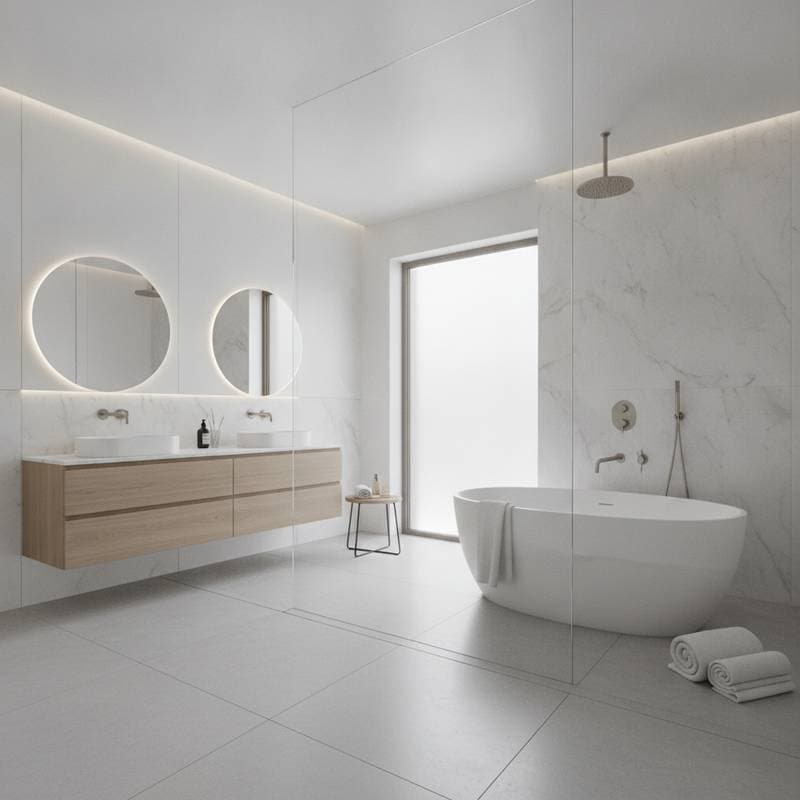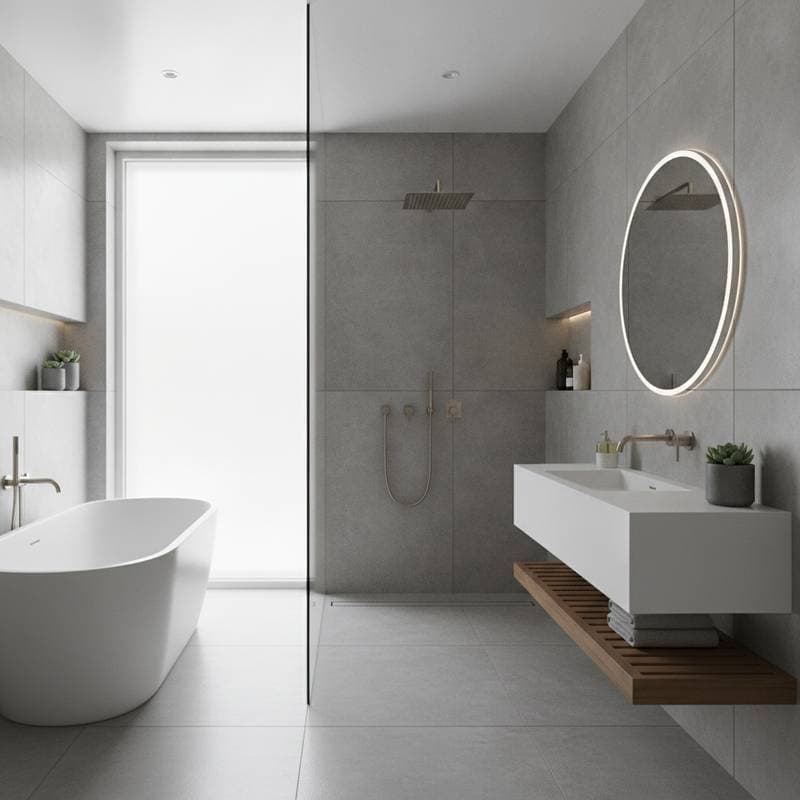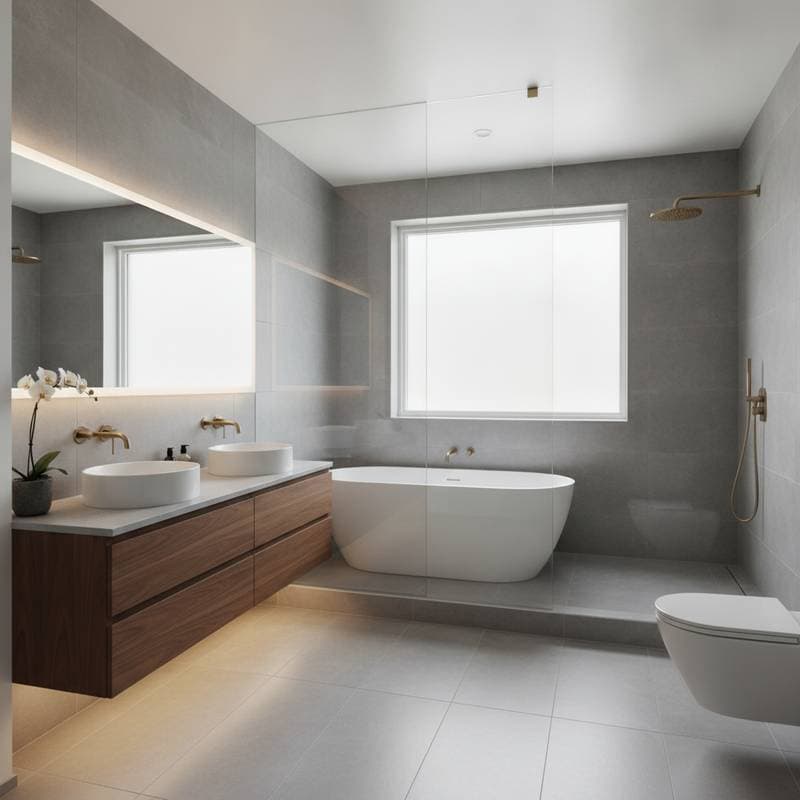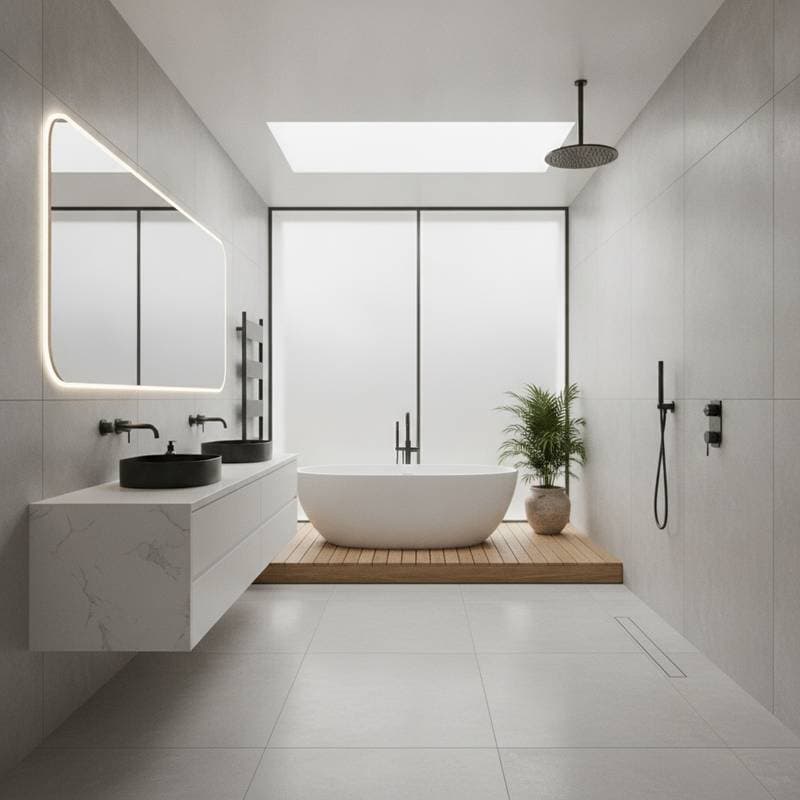
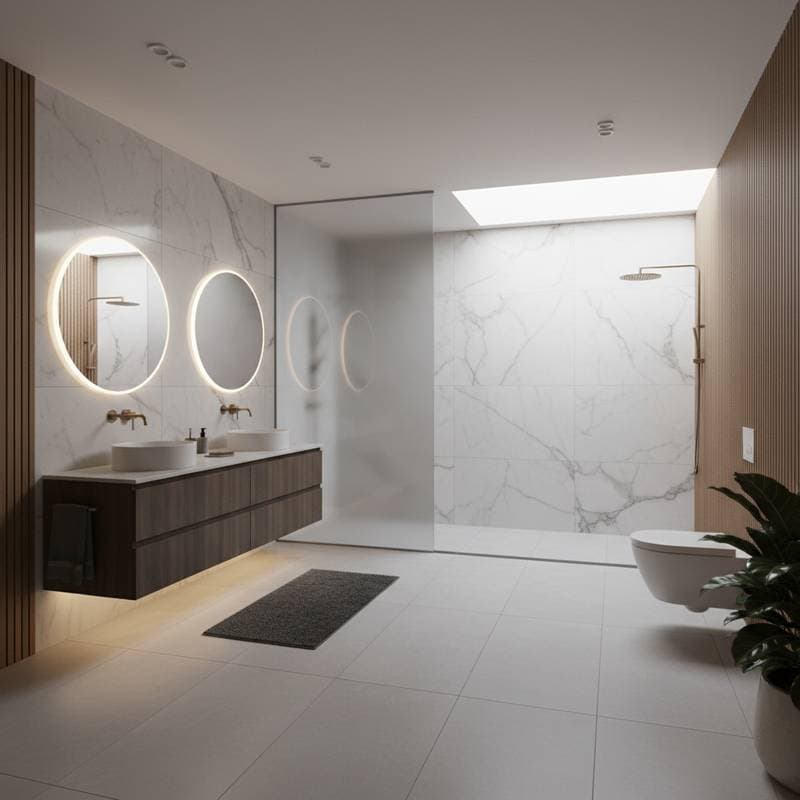
Understanding Wet Rooms and Their Benefits
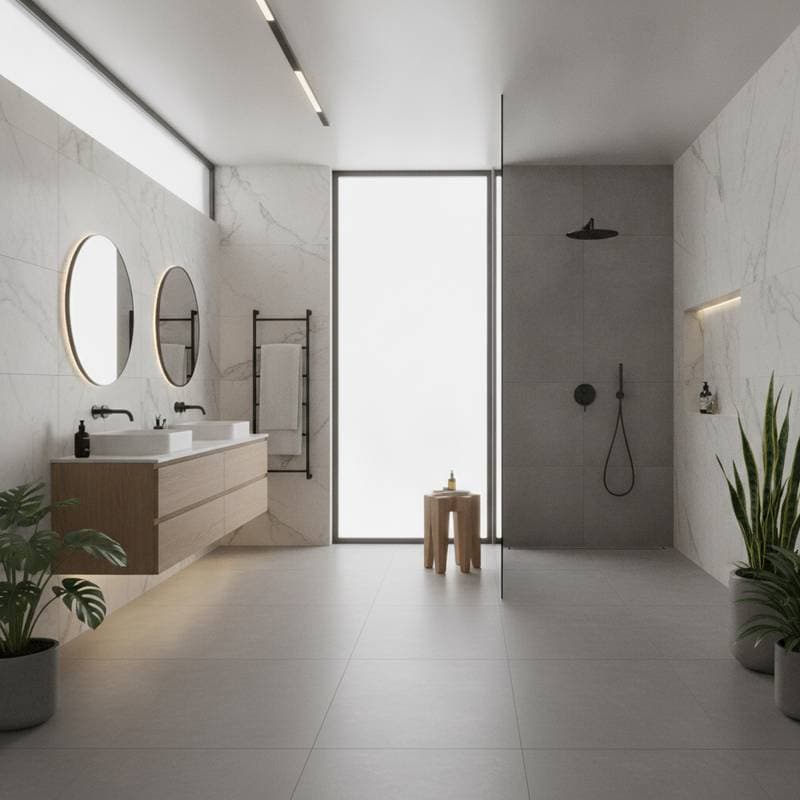
Wet rooms represent a shift toward fully integrated bathroom designs that eliminate barriers and embrace fluidity. These spaces feature level-entry showers without curbs or enclosures, allowing seamless movement across the floor. In 2026, they gain prominence for combining aesthetic appeal with practical accessibility, making bathrooms suitable for all ages and abilities.
Homeowners appreciate wet rooms for their spa-like atmosphere and safety features. The open layout reduces fall risks and accommodates mobility aids effortlessly. Moreover, these installations align with growing demands for aging-in-place solutions, enhancing both daily comfort and long-term property appeal.
Cost Breakdown for a Wet Room Installation
Budgeting accurately requires breaking down expenses into key components. Costs vary based on size, materials, and location, but a typical project ranges from $9,000 to $18,000 for a standard 60-square-foot bathroom.
- Tile and finishes: Expect $2,000 to $6,000, influenced by material quality and layout complexity. Opt for smaller tiles in high-traffic areas; they provide better traction but demand more installation time.
- Glass screen or partition: Allocate $800 to $2,000 for durable options like clear tempered glass or frosted panels that balance openness with privacy.
- Labor: Set aside $4,000 to $7,000. Professionals handle critical tasks such as waterproofing application, floor sloping, and precise tiling to ensure longevity.
- Permits and inspections: Budget $200 to $600, depending on local regulations. These become essential if modifications involve relocating plumbing or altering structural elements.
Add 10 to 15 percent to your total estimate for unforeseen issues, particularly in older properties. Discoveries like concealed leaks, deteriorated subfloors, or irregular foundations often emerge mid-project and inflate expenses.
DIY Options Versus Professional Installation
Suitable DIY Tasks
Certain elements lend themselves to homeowner involvement, provided foundational work remains untouched.
- Perform minor resealing or replace a single damaged tile to maintain existing surfaces.
- Add safety features such as grab bars or adjustable showerheads for quick enhancements.
- Update aesthetics with paint, new lighting fixtures, or decorative items once waterproofing concludes.
Essential Professional Services
Complex aspects demand expert intervention to avoid costly errors and ensure compliance.
- Waterproofing and floor preparation: Improper execution risks moisture damage to underlying structures; professionals apply multiple membrane layers for robust protection.
- Drainage system setup: Achieving the correct slope and adhering to building codes prevents water accumulation and backups.
- Electrical integrations or underfloor heating: Licensed electricians manage these to meet safety standards and secure certifications.
- Structural modifications: Tasks like joist reinforcement or floor leveling require engineering oversight to pass inspections.
Engage a professional immediately if you notice indicators like uneven flooring, persistent water puddles, or spongy areas around drains. Certified contractors provide warranties and verify proper installation techniques, safeguarding your investment.
Project Timeline and Cost-Saving Strategies
Most wet room renovations span 2 to 4 weeks from start to finish. Delays frequently arise from curing periods for waterproofing materials or waits for custom components.
- Material lead times: Specialized linear drains may require up to 10 days for delivery, so order promptly.
- Tile procurement: Standard inventory options reduce expenses and expedite progress, whereas bespoke designs prolong schedules.
- Weather considerations: Schedule during warmer months to accelerate drying of adhesives and sealants, minimizing idle time.
- Incentive programs: Investigate regional rebates for installing low-flow fixtures or accessibility adaptations to offset costs.
Maximize savings by retaining current plumbing configurations and avoiding major structural alterations. This approach alone can reduce outlays by $2,000 or greater while preserving efficiency.
Impact on Property Value and Durability
Contemporary buyers prioritize bathrooms that support diverse lifestyles and mobility needs. A well-executed wet room fulfills these expectations without sacrificing luxurious, spa-inspired elements.
- Resale advantages: Properties featuring accessible bathrooms attract offers more quickly and recoup 60 to 80 percent of renovation investments upon sale.
- Enduring design: The absence of thresholds or raised tub surrounds minimizes tripping dangers, promoting safer aging in place.
- Operational efficiency: Expansive layouts facilitate quicker drying and demand fewer resources, resulting in reduced ongoing maintenance expenses.
Prioritize superior waterproofing in any project; it averts future repairs and upholds the home's foundational integrity over decades.
Steps to Launch Your Wet Room Project
Embark on this upgrade with a structured plan to ensure smooth execution and optimal results.
- Evaluate your bathroom layout. Assess the feasibility of floor sloping and inspect the subfloor for stability and damage.
- Establish a realistic budget. Target $9,000 to $18,000, incorporating a 15 percent contingency for unexpected challenges.
- Select qualified professionals. Seek contractors certified in wet room installations, complete with verifiable references and portfolios.
- Procure supplies in advance. Anticipate delays with tiles and drainage components by placing orders early in the planning phase.
- Conduct thorough final checks. Verify the integrity of the waterproof membrane, slope accuracy, and drain functionality prior to settling payments.
Implementing a wet room fosters enhanced comfort, secure navigation, and a contemporary aesthetic that sustains value. This transformation elevates an ordinary bathroom into a versatile asset, harmonizing present usability with future adaptability.