Understanding Wet Rooms and Their Value
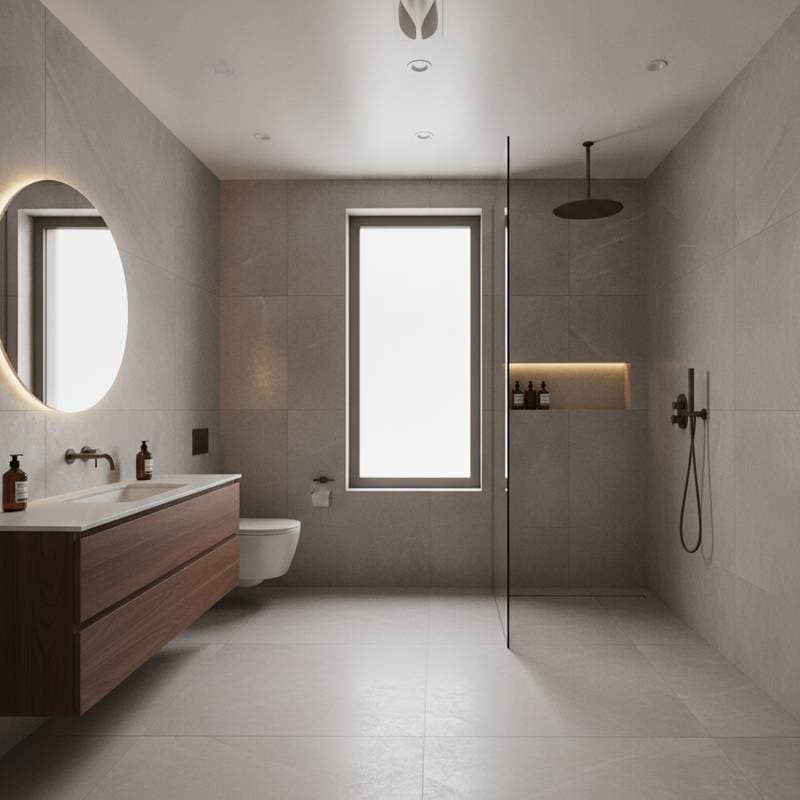
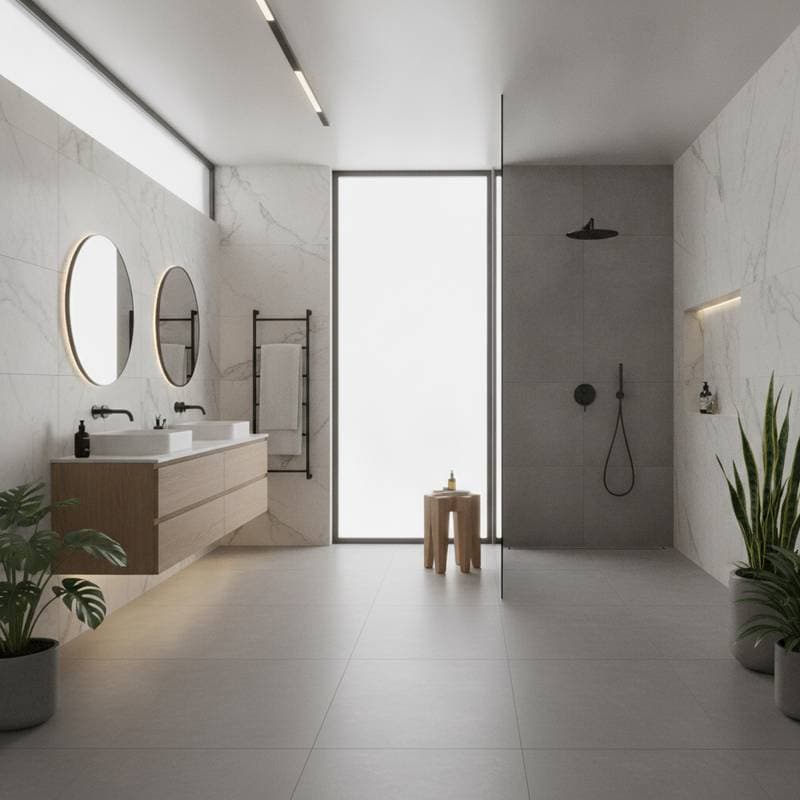
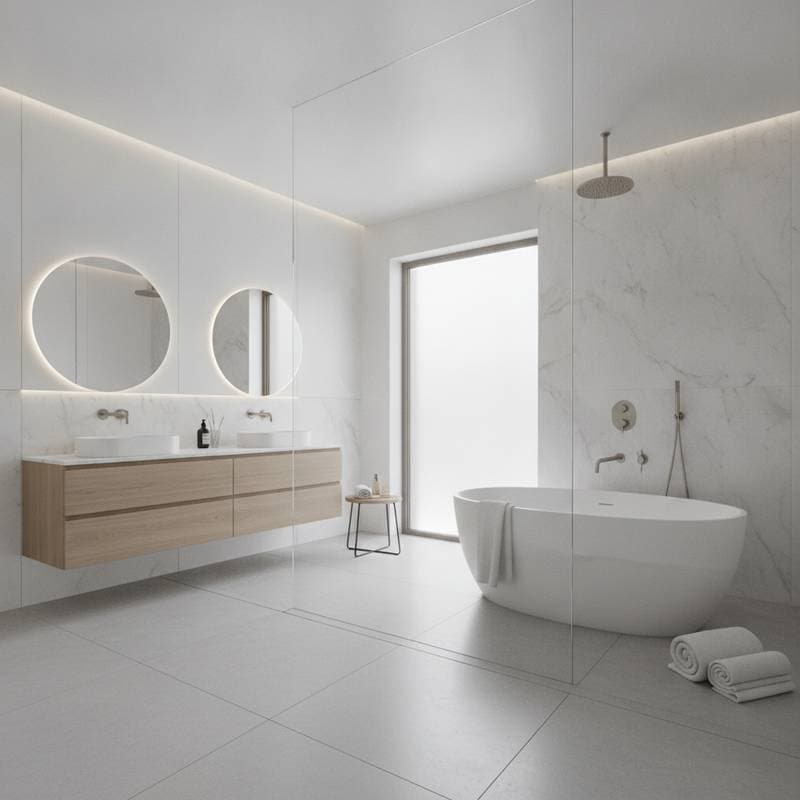
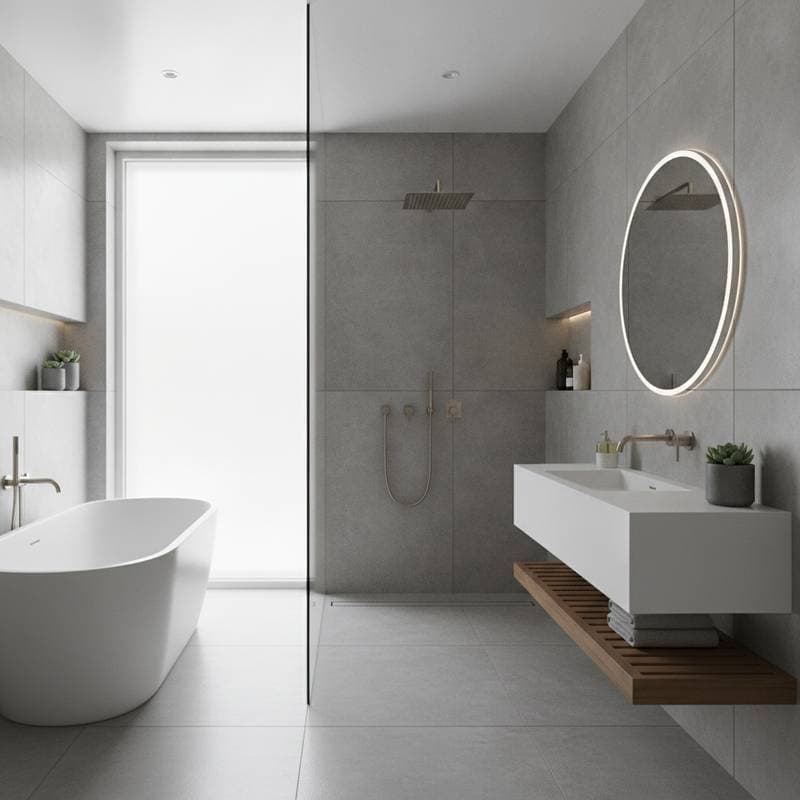
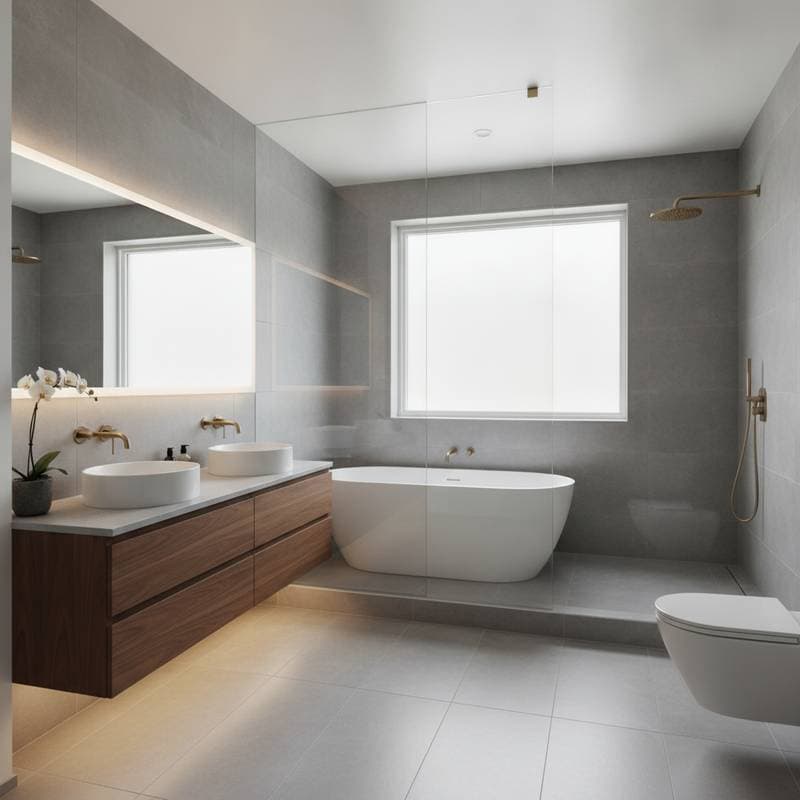
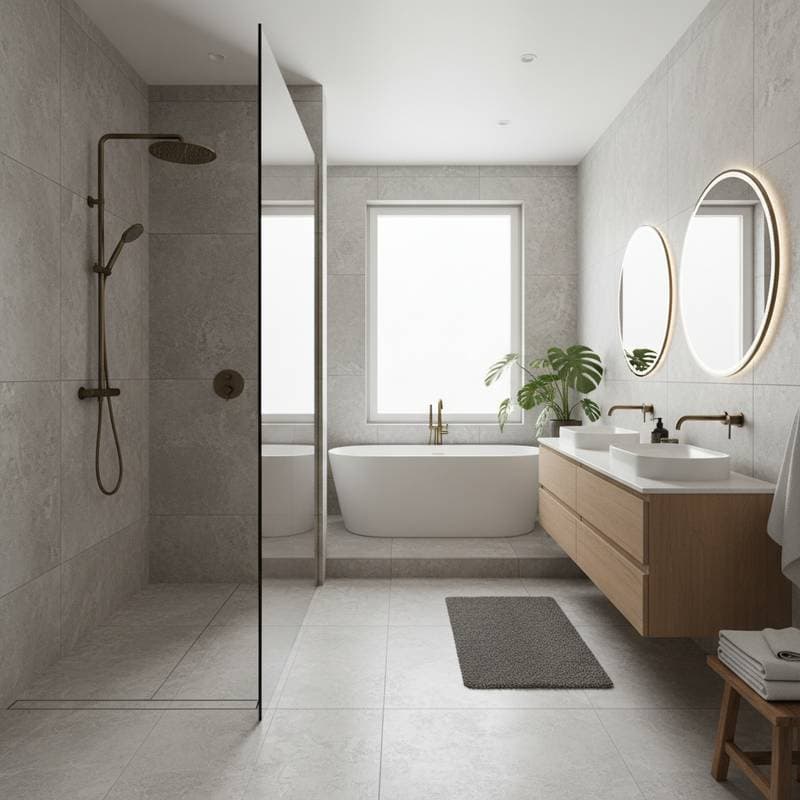
Wet rooms represent a seamless integration of shower space into the bathroom floor, creating a barrier-free, modern environment. This design choice enhances accessibility and aesthetics while appealing to a broad range of homebuyers. Industry data indicates that such renovations can yield an 11% return on investment, particularly in homes targeting aging-in-place features or contemporary style.
The appeal lies in the combination of functionality and luxury. Unlike traditional showers with curbs, wet rooms use sloped floors to direct water to the drain, minimizing slip risks and maximizing space. Homeowners invest in this upgrade not only for daily use but also for long-term property enhancement.
Essential Waterproofing Practices
Proper waterproofing forms the foundation of any successful wet room installation. A continuous membrane applied under the tile provides superior protection compared to paint-on sealers used in isolation. This approach ensures that moisture does not penetrate the subfloor, preserving structural integrity over time.
Key installation steps include overlapping seams by at least two inches to eliminate gaps. Professionals must test the floor slope and drain functionality prior to tiling to confirm effective water flow. Neglecting these measures invites leaks that damage subfloors and diminish the overall return on investment.
Timing and Cost-Saving Strategies
Wet room projects require precise timing to avoid disruptions. Waterproofing materials need sufficient curing time before tile installation begins, followed by a period for grout to set before final sealing. This sequence prevents issues that could extend the timeline unnecessarily.
Effective Planning Approaches
- Allocate two to four weeks for the complete project, extending by one week if custom tiles face delays in delivery.
- Secure materials in advance, as tiles and glass panels often require ten to fifteen days for shipping.
- Seek discounts during off-season periods, which can reduce costs by five to ten percent.
- Integrate upgrades like underfloor heating during initial subfloor access, halving the expense compared to later additions.
- Reserve a ten to fifteen percent contingency in the budget, especially for older properties prone to unexpected plumbing challenges.
Delays typically arise from material shipments or inspection appointments rather than labor availability. Incorporating buffer time into the schedule maintains momentum and keeps expenses in check.
Benefits for Energy Efficiency
Well-designed wet rooms contribute to reduced maintenance and resource consumption. Incorporating low-flow shower heads decreases water usage by up to thirty percent, promoting sustainability without sacrificing performance. Heated floors provide consistent warmth, allowing lower ambient temperatures and thereby cutting heating expenses.
LED lighting options deliver ample illumination with negligible energy demands, enhancing the room's ambiance efficiently. For those prioritizing accessibility, the absence of barriers eliminates tripping risks and removes the need for elevated shower bases. These elements broaden market appeal and underpin the projected eleven percent resale value increase.
Pitfalls to Sidestep in Installation
Certain oversights can compromise the durability of a wet room. Flood testing the slope before tiling remains non-negotiable to verify drainage efficacy. Selecting incompatible materials, such as mismatched waterproof membranes with specific thinset or grout, leads to adhesion failures.
Inadequate ventilation poses another risk; install a fan rated for high-moisture environments to control humidity. Opt for slip-resistant tile finishes on floors rather than polished surfaces to ensure safety. Addressing these details extends the installation's lifespan, avoiding reductions that could halve its effective duration.
Verify product compatibility thoroughly across all components to safeguard the investment.
Steps to Launch Your Project
Begin by measuring the bathroom space and sketching potential layouts, including drain positions and entry configurations. Obtain quotes from at least three contractors, inquiring specifically about their slope testing protocols and membrane selections.
Insist on documented warranties for waterproofing systems, steering clear of providers who omit formal assurances. Evaluate tile samples for wet-condition slip resistance to prioritize safety. Schedule work during drier seasons to accelerate curing processes and minimize interruptions.
Prioritizing a robust waterproofing foundation yields the greatest long-term benefits, averting costly repairs and securing every aspect of the renovation.
Realizing Lasting Advantages
Wet rooms transcend fleeting design preferences, embodying a strategic approach to home improvement. They emphasize durability, inclusivity, and financial prudence. Through meticulous preparation and expert execution, this enhancement delivers ongoing enjoyment and substantial value upon sale.