Hidden Pantries: A 11% Value Boost in 2026 Kitchen Trends
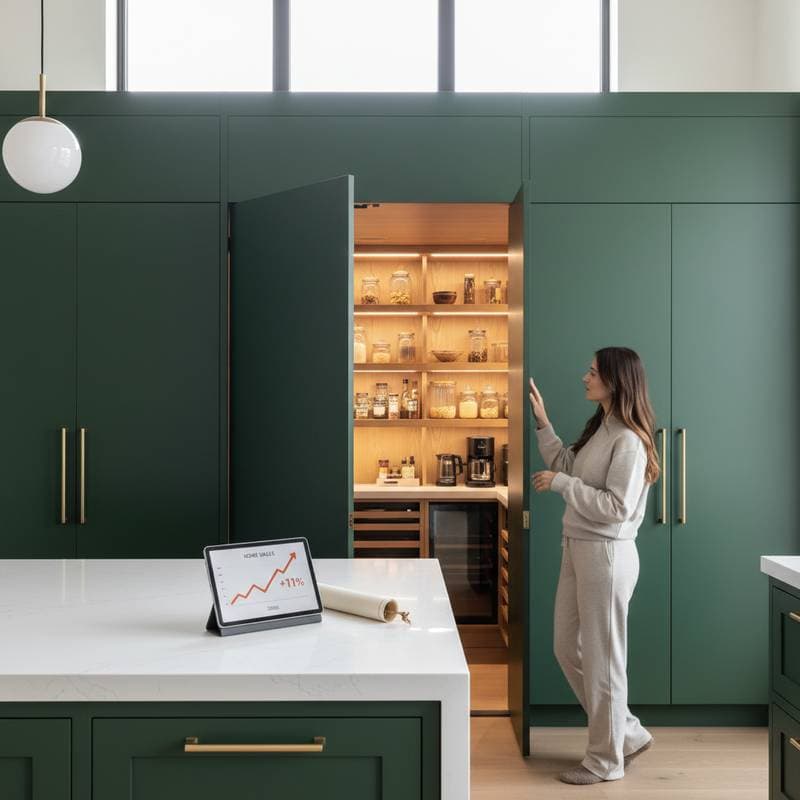
Key Insight: Installing a hidden pantry can increase home resale value by approximately 11 percent. Most installations fall within a $4,500 to $15,000 budget, influenced by design complexity and material choices.
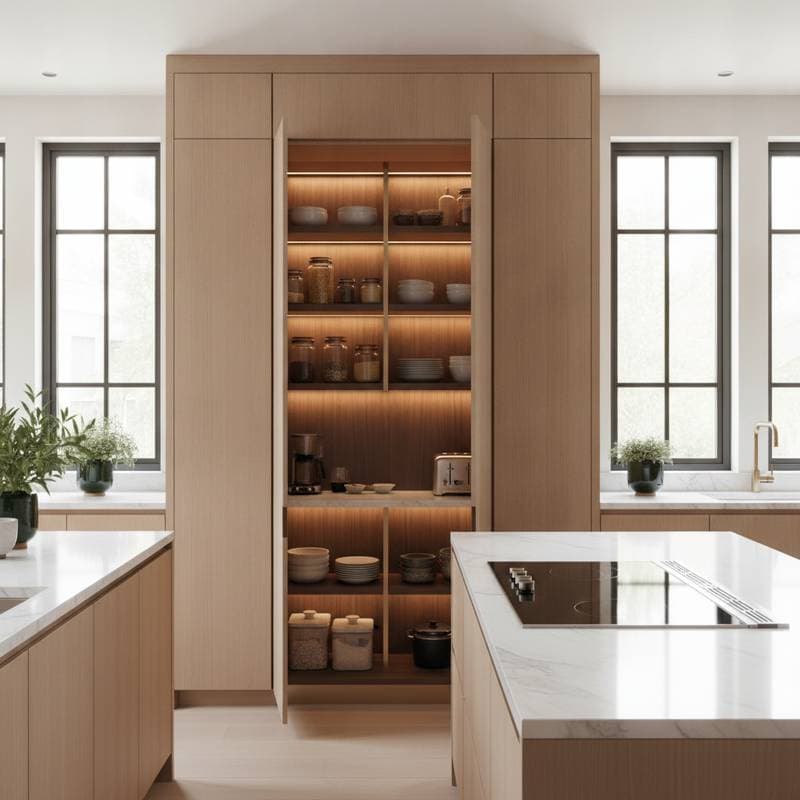
Hidden pantries merge efficient storage with a serene aesthetic. In the era of open-concept kitchens, homeowners seek ways to maintain tidy surfaces while retaining easy access to essentials. These concealed units deliver ample space for bulk items, appliances, and supplies without disrupting the visual flow.
Real estate appraisers note that such features enhance the sense of expanded usable area and upscale refinement. This often translates to higher offers compared to simpler updates like new countertops or basic cabinet replacements. The investment yields strong returns through improved market positioning.
The Appeal of Hidden Pantries in Modern Homes
Homebuyers increasingly prioritize organized, unobtrusive storage. Hidden pantries address this by tucking away clutter behind seamless panels, preserving the clean lines of contemporary designs. They support daily routines by keeping frequently used items within reach yet out of sight.
Professionals in the field observe that these additions signal meticulous planning and modern efficiency. In competitive markets, they differentiate properties by offering practical luxury. For remodelers, the focus on functionality ensures long-term satisfaction for occupants.
Exploring Design and Layout Options
Selecting the right hidden pantry hinges on space constraints, stylistic preferences, and financial limits. Each type offers unique benefits tailored to different kitchen configurations. Consider factors like traffic flow and integration with existing cabinetry.
Cabinet-Front Pantry
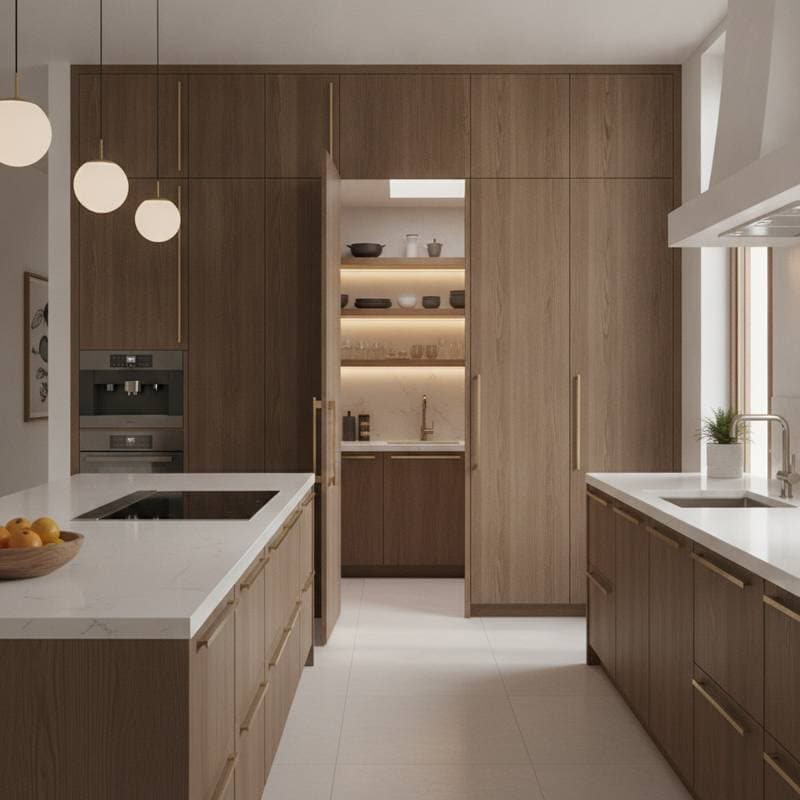
This design masks the entry as a standard full-height cabinet or part of an appliance facade. It suits compact kitchens where space optimization is essential. Expect costs between $4,500 and $8,000.
Flat-panel doors paired with sleek hardware enhance a minimalist vibe. Installation involves aligning with surrounding units for a cohesive appearance. This option minimizes disruption during setup.
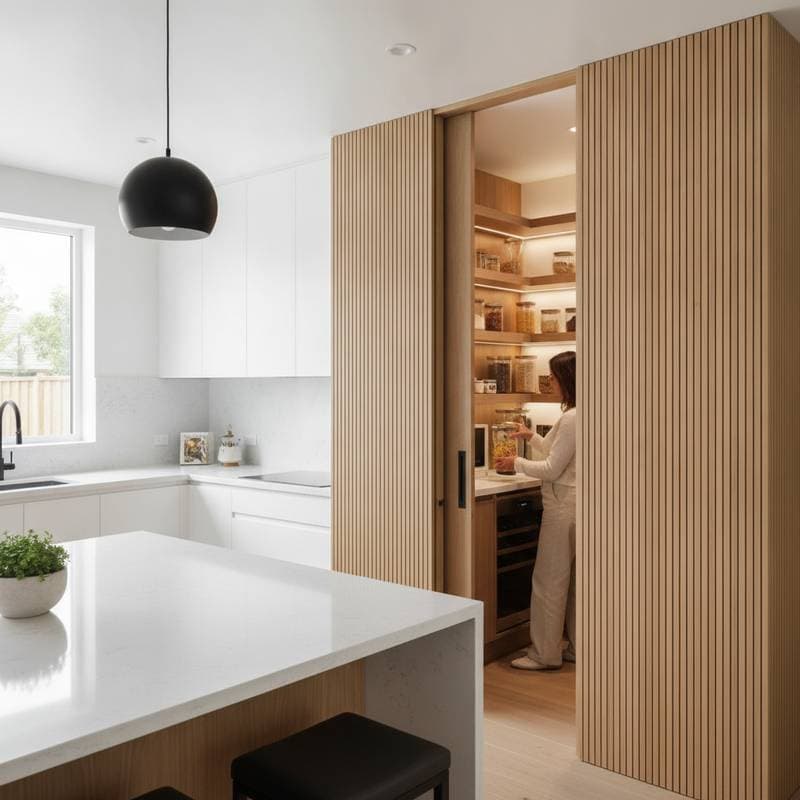
Sliding or Pocket Door Pantry
Here, the door glides into an adjacent wall or cabinet assembly. It eliminates the need for swing clearance, ideal for tight quarters. Budget $6,000 to $10,000 for this setup.
Proper framing and track systems ensure reliable operation. Test the mechanism early to confirm smooth functionality. This choice maintains accessibility without compromising floor space.
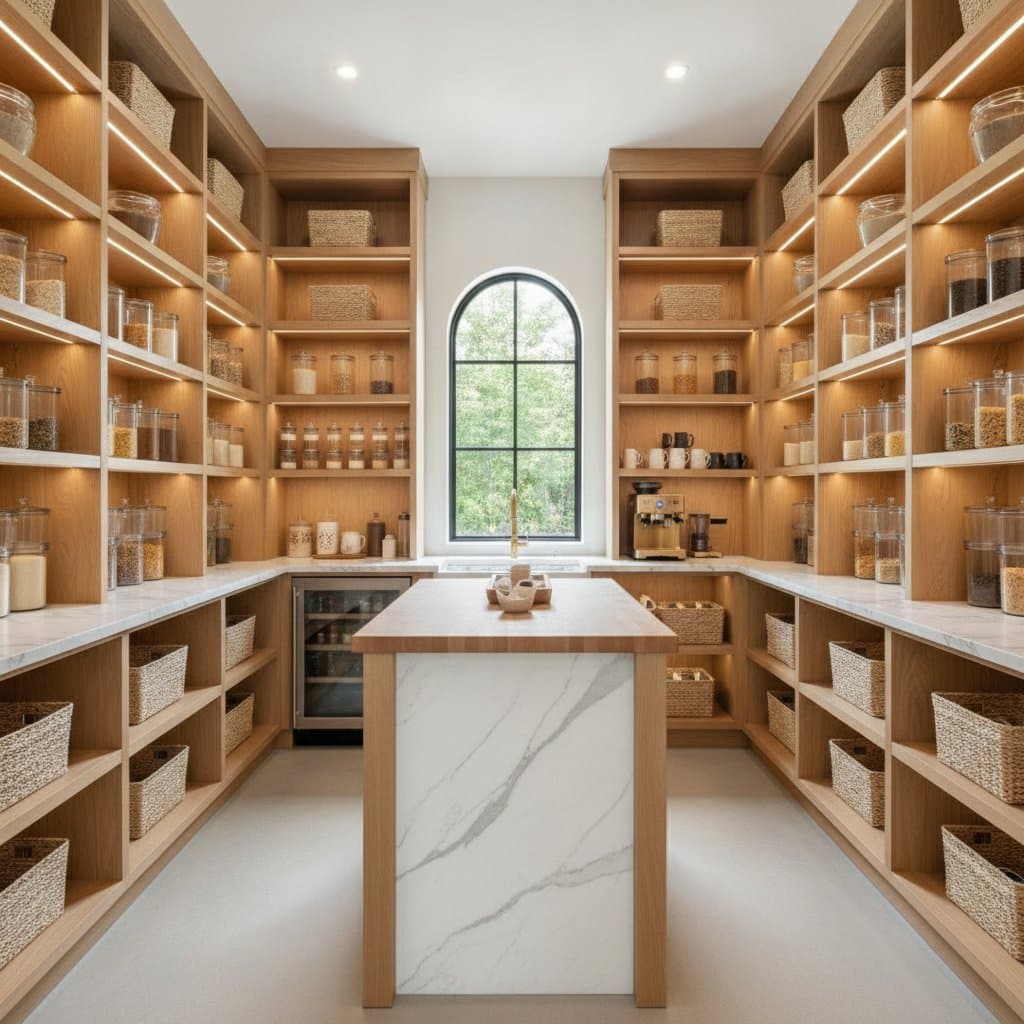
Walk-In Hidden Room Pantry
A disguised entrance opens to a dedicated walk-in area. Larger residences benefit most from its expansive capacity and premium feel. Costs range from $10,000 to $15,000.
Use it for bulk groceries, extra cookware, or even a secondary prep zone. Ensure adequate depth for shelving and pathways. The reveal during tours often captivates potential buyers.
Corner or Under-Stair Pantry
Repurpose underutilized angles or stairwells for efficient storage. Pull-out shelves or swivel organizers maximize every inch. Prices typically sit at $3,000 to $6,000.
Assess structural integrity before proceeding. This approach integrates naturally into varied layouts. It proves especially valuable in older homes with irregular features.
Integrated Appliance Wall Pantry
Conceal storage behind panels matching ovens or refrigerators. This creates a streamlined, high-end continuum. Allocate $8,000 to $12,000 for precise execution.
Alignment demands skilled craftsmanship to avoid gaps. It elevates the overall kitchen sophistication. Coordinate with appliance dimensions for flawless results.
Planning Timelines and Cost Strategies
Anticipate delays in sourcing cabinetry and hardware, particularly during busy periods. Early planning secures better rates and availability. Factor in local supply variations.
Design and permitting require 1 to 2 weeks if modifications affect structure. Material arrivals span 2 to 4 weeks based on vendor reliability. Custom elements extend timelines by 1 to 3 weeks.
Strategies to Reduce Expenses
Incorporate existing shelves or adapt nearby closets to cut new purchases. Choose painted medium-density fiberboard for internal components over pricier woods. Select ready-made doors and fixtures to bypass customization fees.
Time projects for quieter seasons when labor is more affordable. Reserve 10 to 15 percent of the budget for unforeseen issues in established properties. These steps preserve quality while controlling outlays.
Maximizing Return on Investment
Hidden pantries stand out as high-impact kitchen enhancements. They deliver 60 to 80 percent ROI, varying by location and finish level. The 11 percent value uplift applies to premium implementations.
Buyers appreciate the blend of utility and ingenuity. Such features promote energy savings through better organization and highlight bespoke quality. They foster positive impressions at open houses.
Listings with these elements generate stronger online interest and faster sales. Sellers recoup a significant portion of costs through quicker closings. Track local comparables to gauge precise benefits.
Ensuring Safety and Regulatory Adherence
Treat hidden pantries like any kitchen alteration by upholding building codes. Prioritize precautions to protect workers and future users. Consult experts for complex integrations.
Essential Safety Equipment
Wear eye protection, gloves, and a dust mask during preparation. Use a stud finder and voltage detector prior to any wall work. Employ a sturdy ladder for elevated tasks.
Pre-Installation Hazard Assessment
Map electrical wiring and pipes to prevent damage. Disconnect power at the main panel near active circuits. Verify non-load-bearing walls before alterations.
When Permits Are Required
Structural changes, new electrical additions, or ventilation updates trigger approvals. Engage licensed professionals for these elements. Compliance safeguards against legal hurdles at resale.
Optimizing for Seasonal Supply Chains
Cabinet supplies fluctuate, impacting project pacing. Special orders for panels or mechanisms face the most bottlenecks. Monitor inventory trends in your area.
Target late winter or early spring for initiation, ahead of peak demand. Steer clear of late summer overlaps with extensive renovations. This timing can lower labor by 10 to 20 percent and condense schedules.
Watch for delays in painted components and hardware. Bulk ordering mitigates risks. Adjust plans flexibly to accommodate vendor updates.
Pitfalls to Sidestep in Installation
- Neglect proper airflow, which leads to moisture buildup and material degradation.
- Overlook clearance for doors, resulting in awkward access.
- Omit interior illumination, diminishing practical use.
- Bypass code inspections, potentially complicating property transfers.
- Install flimsy supports, causing sagging and inefficiency.
Address these proactively through detailed blueprints and vendor consultations. Quality oversight from start to finish ensures durability.
Steps to Implement Your Hidden Pantry
- Evaluate wall dimensions and locate utilities for feasibility.
- Establish a budget cap between $4,500 and $15,000.
- Select an access method suited to your layout.
- Obtain quotes from at least two specialists on expenses and scopes.
- Inquire about schedules, guarantees, and regulatory needs.
- Procure custom items ahead if opting for unique accents.
- Align the project with upcoming updates or market timing.
A well-executed hidden pantry enhances routine efficiency and elevates property worth. It turns necessity into an elegant, lasting asset.