Wet Rooms: The 2026 Bathroom Trend That Boosts Home Value by 11%
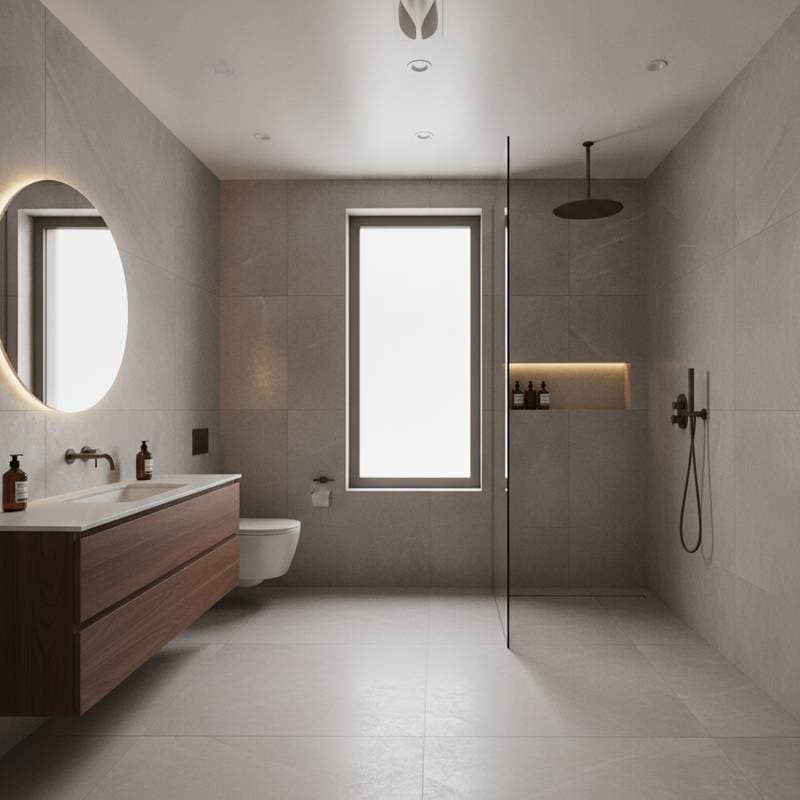
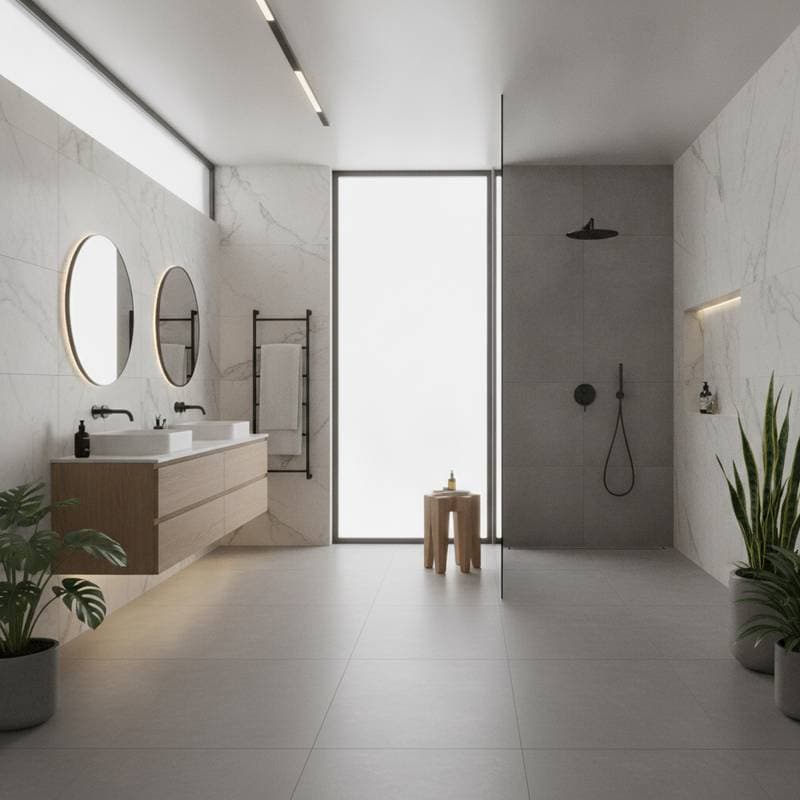
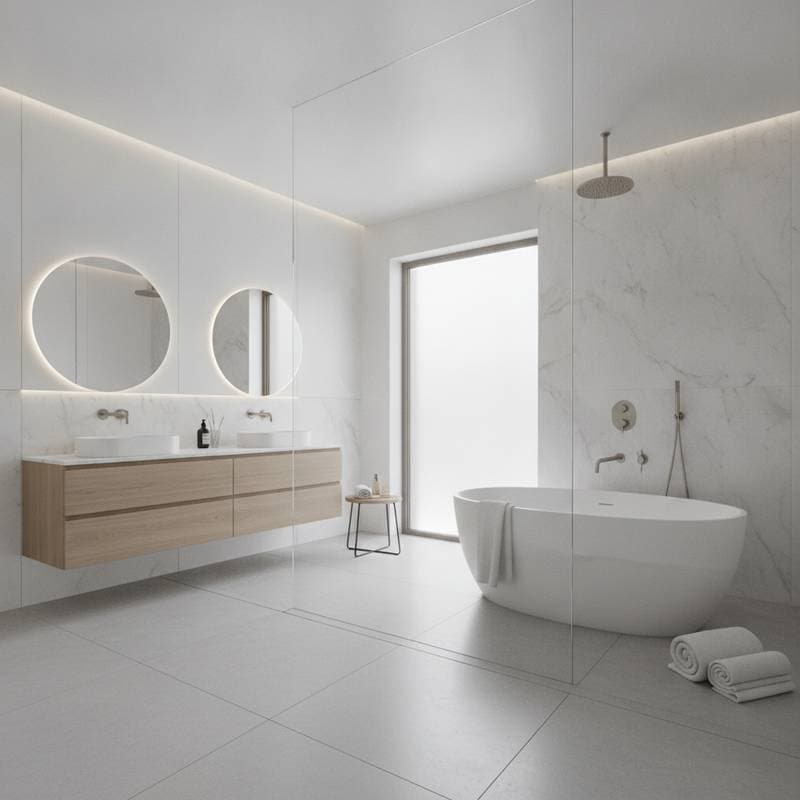
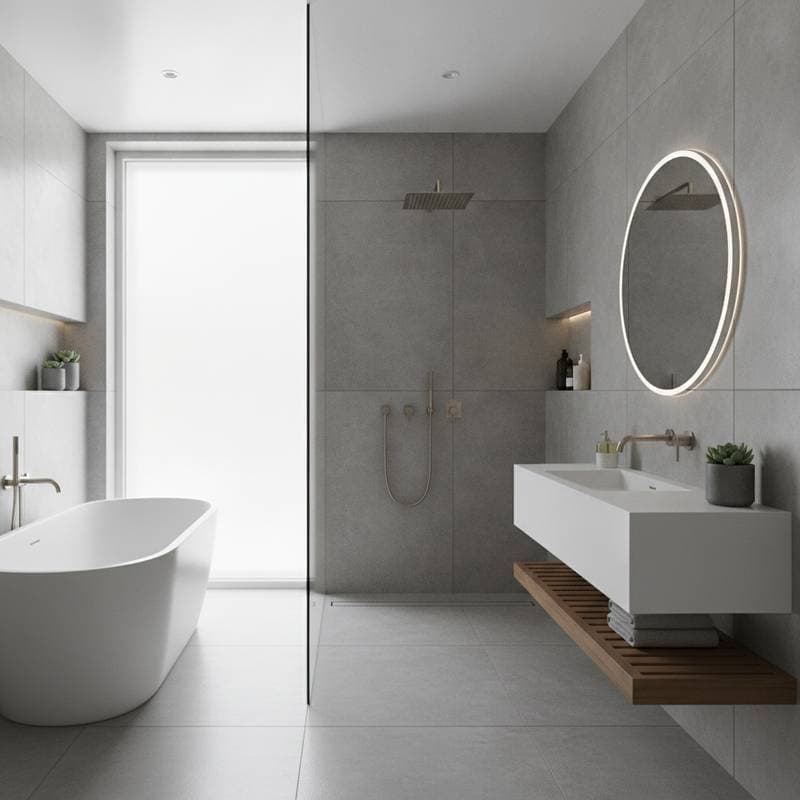
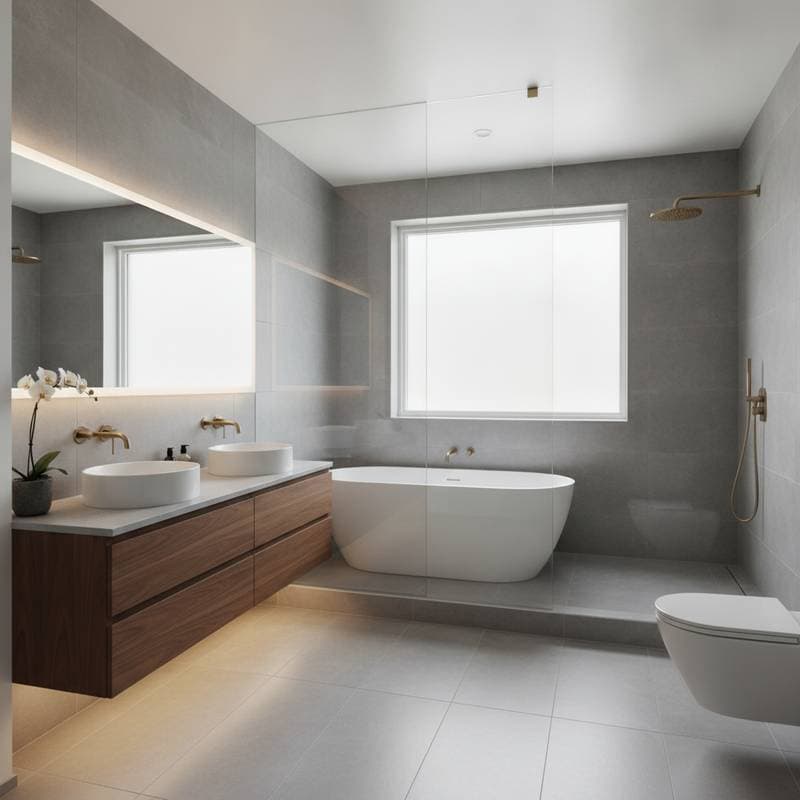
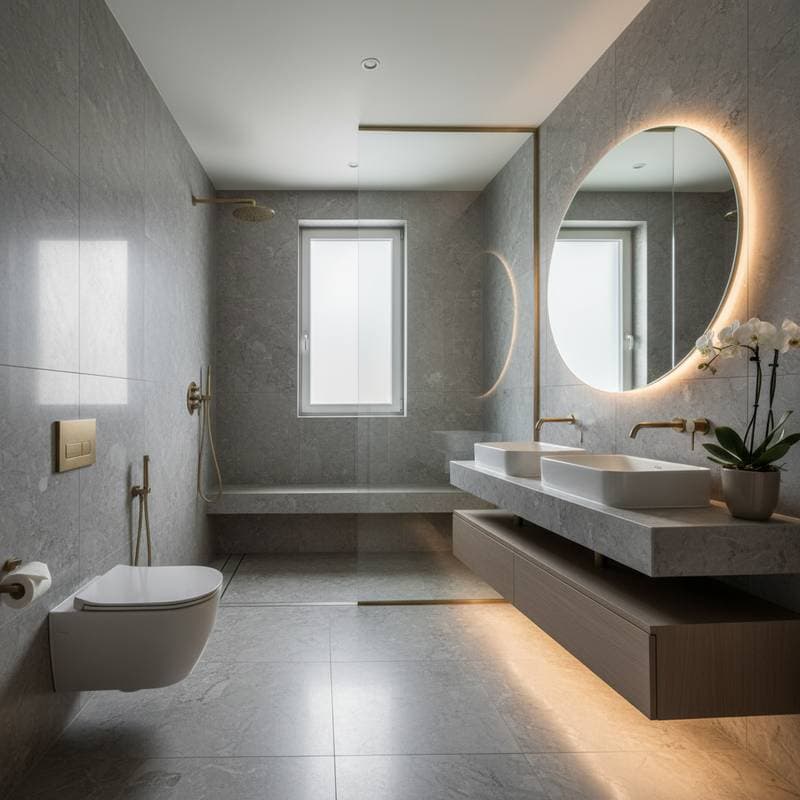
Wet rooms represent a fully enclosed, waterproof bathroom environment where the entire floor serves as a drainage area for an open shower. Unlike traditional setups with enclosed showers or bathtubs, wet rooms feature seamless integration of the shower into the room's design, often without doors or curbs. This approach creates a minimalist, spa-like atmosphere that prioritizes both aesthetics and ease of use. Recent real estate analyses indicate that properties equipped with wet rooms command an average 11 percent higher resale value than those with conventional tub-shower combinations, driven by their appeal to modern buyers seeking luxury and practicality.
The trend gains momentum in 2026 as homeowners prioritize versatile, low-barrier spaces that accommodate diverse lifestyles. Wet rooms not only enhance visual flow but also address universal design principles, making them ideal for aging populations or families with mobility needs. Builders and renovators increasingly incorporate them into new constructions and remodels, reflecting a shift toward bathrooms that function as serene retreats rather than mere utilities.
Key Benefits of Adopting a Wet Room
Wet rooms offer multifaceted advantages that extend beyond mere style. They expand the perceived size of smaller bathrooms by eliminating bulky enclosures, allowing light and space to flow freely. Maintenance becomes simpler, as smooth surfaces and fewer fixtures reduce areas where grime accumulates. For accessibility, the absence of steps or thresholds facilitates easier entry, which proves invaluable for individuals using wheelchairs or walkers.
From an investment perspective, the 11 percent value increase stems from market demand. Prospective buyers view wet rooms as a premium feature, comparable to high-end kitchen appliances. In urban markets, where square footage commands a premium, this design maximizes usability without expanding physical dimensions. Rental property owners also benefit, as durable installations lead to fewer repair calls and higher tenant satisfaction.
Cost Breakdown for Wet Room Installation
Installing a wet room involves several components, each influencing the overall budget. Costs depend on factors such as room size, material quality, and location-specific labor rates. The following table provides a detailed overview of typical expenses.
| Task | Typical Cost | What Affects Price |
|---|---|---|
| Full wet room installation | $10,000 - $20,000 | Room dimensions, premium tile selections, linear drain systems, advanced waterproofing membranes |
| Partial conversion from tub to wet area | $6,000 - $12,000 | Retention of existing plumbing lines, condition of surrounding walls and floors |
| Waterproofing materials | $800 - $2,000 | Type of liquid-applied or sheet membrane, coverage area, additional sealants |
| Labor | $60 - $120 per hour | Geographic location, contractor expertise, complexity of plumbing adjustments |
Regional variations play a significant role; for instance, installations in coastal areas or major metropolitan centers often exceed national averages due to stringent building codes and elevated labor costs. Homeowners should obtain multiple quotes to account for these differences. Financing options, such as home equity loans, can spread payments, making the upgrade more accessible.
DIY Installation Versus Professional Services
Undertaking a wet room project as a do-it-yourself endeavor suits individuals with advanced skills in tiling, plumbing, and construction. Success requires precise adherence to waterproofing protocols and manufacturer guidelines for materials. Those experienced in creating floor slopes for drainage might manage smaller conversions, but errors in sealing can lead to costly water damage.
Professional contractors excel in scenarios involving structural modifications, such as relocating plumbing or reinforcing subfloors. They ensure compliance with local regulations, which often mandate certified waterproofing for liability protection. Hiring experts provides peace of mind through warranties, typically lasting five to ten years, and includes rigorous testing phases to verify leak-proof performance.
Professionals handle nuances like integrating custom drains and balancing ventilation systems, which prevent moisture buildup. For homeowners planning to sell within a few years, professional installation enhances marketability by offering documented quality assurance. In contrast, DIY approaches risk voiding insurance coverage if codes remain unmet.
Essential Safety and Building Code Considerations
Safety forms the cornerstone of any wet room design. Electrical outlets require ground-fault circuit interrupter protection and positioning outside direct water exposure zones, as specified by national and local electrical codes. Adequate ventilation, through exhaust fans rated for bathroom use, remains essential to control humidity and inhibit mold growth.
Structural changes, such as tub removal, may classify the project as a major alteration, necessitating permits and inspections in many jurisdictions. Verify requirements with local authorities to avoid fines or resale complications; some areas mandate retaining a full bathtub for family homes. For homes with wooden subfloors, reinforcement with plywood or metal framing supports the weight of tiling and prevents sagging.
Concrete foundations demand less preparation but benefit from bonding primers to secure waterproof membranes. Always incorporate non-slip flooring materials to minimize slip hazards, particularly in wet environments. These measures not only safeguard occupants but also preserve the installation's longevity.
The Rising Appeal and Value of Wet Rooms
Wet rooms captivate a broad spectrum of buyers, from luxury seekers desiring spa-inspired serenity to practical owners focused on longevity. Their barrier-free design aligns with universal accessibility standards, appealing to an aging demographic that values independence. In compact urban dwellings, the open layout visually amplifies space, turning confined areas into inviting sanctuaries.
Real estate professionals note that wet rooms enhance property listings through superior photography and staging. Clean lines and reflective surfaces convey modernity, differentiating listings in competitive markets. For investment properties, the design's robustness translates to lower upkeep; seamless surfaces resist wear, and integrated features endure daily use without frequent replacements.
Market data underscores this surge: properties with contemporary bathroom features, including wet rooms, sell 20 percent faster on average. As 2026 approaches, forward-thinking renovations position homes advantageously, capitalizing on evolving preferences for wellness-oriented living spaces.
Step-by-Step Guide to Wet Room Installation
Begin with thorough planning: measure the space, select materials compatible with waterproofing, and sketch the layout to ensure proper drainage flow. Remove existing fixtures like the tub, then inspect and repair the subfloor for levelness. Apply the waterproof membrane in multiple layers, allowing drying time between coats, and test for integrity by simulating water exposure.
Next, install the floor slope using self-leveling compounds, aiming for a minimum quarter-inch drop per foot toward the drain. Position the linear or point drain securely, connecting it to plumbing lines. Tile the floor and walls with porcelain or glass options suited for wet applications, followed by grouting and sealing all joints.
Finalize with fixture installation: wall-mounted rain heads, handheld sprayers, and recessed shelving for a streamlined look. Activate ventilation and test the entire system for leaks over 24 hours. This methodical process, when executed precisely, yields a durable, high-performing space.
Design Tips for a Stylish Wet Room
Opt for large-format tiles to minimize grout lines and simplify cleaning. Incorporate natural stone accents or metallic finishes for elegance without overwhelming the palette. Lighting plays a crucial role; install dimmable LEDs along the perimeter to create ambiance and highlight textures.
Color schemes in soft neutrals or earth tones promote relaxation, while bold accents add personality. Integrate storage solutions like niche shelves within walls to maintain openness. Balance functionality with form by selecting thermostatic valves that maintain water temperature, enhancing user comfort.
Pro Tips for Long-Term Maintenance
Conduct annual inspections of seals and grout, reapplying protectants as needed to repel water. Monitor for early signs of moisture issues, such as discoloration, and address them promptly. Employ microfiber cloths and pH-neutral cleaners to preserve surfaces without harsh chemicals.
Choose grout in lighter shades for visibility of potential mold. Ensure the floor maintains its slope over time by avoiding heavy rugs that disrupt drainage. These practices extend the lifespan of the installation, preserving both appearance and value.
Frequently Asked Questions
Do wet rooms increase the risk of leaks?
Proper installation eliminates this concern. Leaks typically arise from inadequate waterproofing rather than the design itself; professional oversight mitigates such risks effectively.
How long does a wet room remodel take?
A full installation spans one to three weeks, depending on scope and unforeseen issues like plumbing rerouting. Partial conversions often complete in under a week.
Are wet rooms suitable for all home types?
They adapt well to most structures, though older homes may require subfloor upgrades. Consult a structural engineer for properties with unique foundations.
What materials work best for wet room floors?
Porcelain tiles or vinyl composites offer durability and slip resistance. Avoid natural wood, as it absorbs moisture despite treatments.
Realize the Full Potential of Your Bathroom Upgrade
Embracing a wet room positions your home at the forefront of 2026 design trends, delivering tangible returns through enhanced value and livability. This investment transforms routine spaces into luxurious havens, aligning with buyer expectations for innovation and comfort. Proceed with confidence by partnering with skilled professionals to craft a space that endures and elevates your property's appeal.