Why Aging-in-Place Bathroom Remodels Increase Home Value by 15 Percent by 2026
Homebuyers increasingly prioritize properties equipped with safety features, comfort enhancements, and accessibility options. Renovations that support aging in place generate substantial equity returns because they address immediate requirements while preparing the space for extended usability. Experts project that such bathroom updates will elevate resale values by approximately 15 percent by 2026, driven by demographic shifts toward longer home occupancy and universal design preferences.
These remodels appeal to a broad audience, including younger buyers who value forward-thinking layouts and older adults seeking independence. By integrating elements like non-slip surfaces and ergonomic fixtures, homeowners not only improve daily functionality but also position their property as a premium option in competitive markets. The result is a residence that remains desirable across generations, ensuring sustained appreciation.
Project Overview
| Cost Range | Timeline | Expected Lifespan | Best Season | DIY Friendly |
|---|---|---|---|---|
| $9,000 to $24,000 | 2 to 4 weeks | 15 to 20 years | Spring or early fall | Partial only |
This table summarizes key project parameters. Costs vary based on scope and location, while timelines account for material procurement and regulatory approvals. The extended lifespan reflects durable materials and professional installation standards.
Detailed Cost Breakdown
Materials
High-quality selections form the foundation of any successful remodel. Options such as ceramic or porcelain tile range from $4 to $10 per square foot, offering durability and aesthetic appeal in wet environments. Slip-resistant vinyl flooring provides a more affordable alternative at $3 to $6 per square foot, combining safety with ease of maintenance. Additional essentials like grab bars and waterproof membranes contribute to the overall expense but ensure long-term reliability.
Labor
Skilled professionals charge between $60 and $120 per hour, depending on regional rates and project complexity. Plumbing modifications and waterproofing applications represent the largest labor investments, often requiring certified plumbers and tilers to achieve seamless results. Allocating sufficient budget here prevents costly corrections down the line.
Size and Layout Adjustments
Converting a standard full bathroom to an accessible configuration typically costs $12,000 to $18,000. This includes installing a walk-in shower or adapting a tub space for easier entry. Widening doorways to 36 inches or relocating plumbing lines incurs extra fees of $2,000 to $5,000, reflecting the need for precise structural work.
Permits and Compliance
Local regulations mandate permits for most accessibility alterations, particularly those involving plumbing or structural changes. Inspection fees vary by jurisdiction but are essential for verifying code adherence. Budget for these upfront to avoid delays during the renovation process.
Add-ons and Disposal
Removing outdated fixtures, managing waste disposal, and incorporating hardware like lever handles add $500 to $1,000 to the total. In older homes, unforeseen issues such as hidden water damage may arise, so reserve an additional 10 to 15 percent of the budget for contingencies. This prudent approach maintains project momentum.
Upgrade Levels and Features
Basic Level
Focus on essential safety enhancements to achieve quick improvements. Secure grab bars near the toilet and shower for stable support. Swap standard flooring for slip-resistant vinyl to minimize fall risks. Upgrade lighting fixtures to reduce glare, promoting better visibility in humid conditions.
Midrange Level
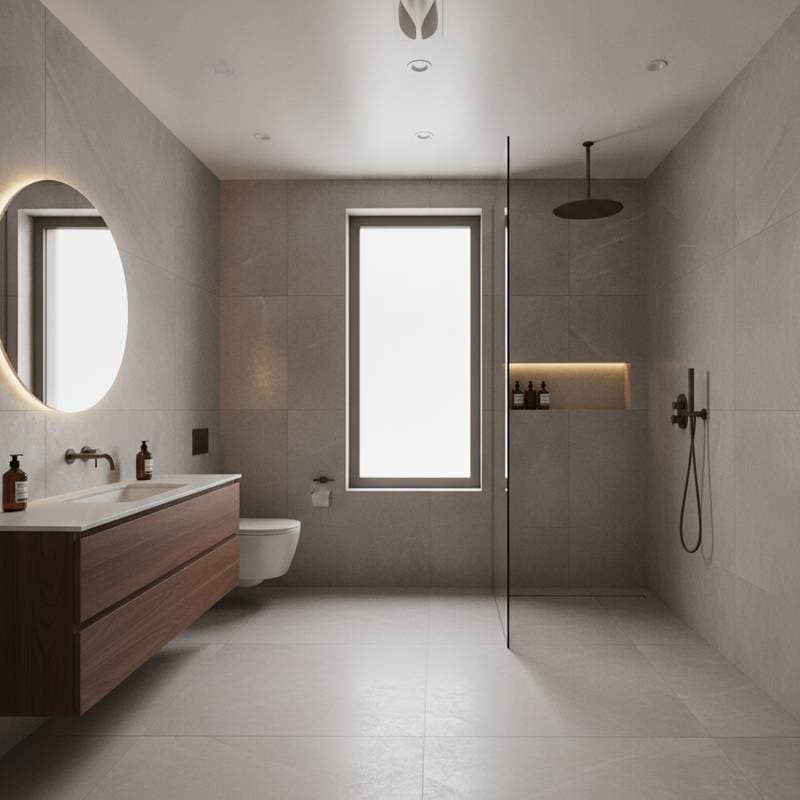
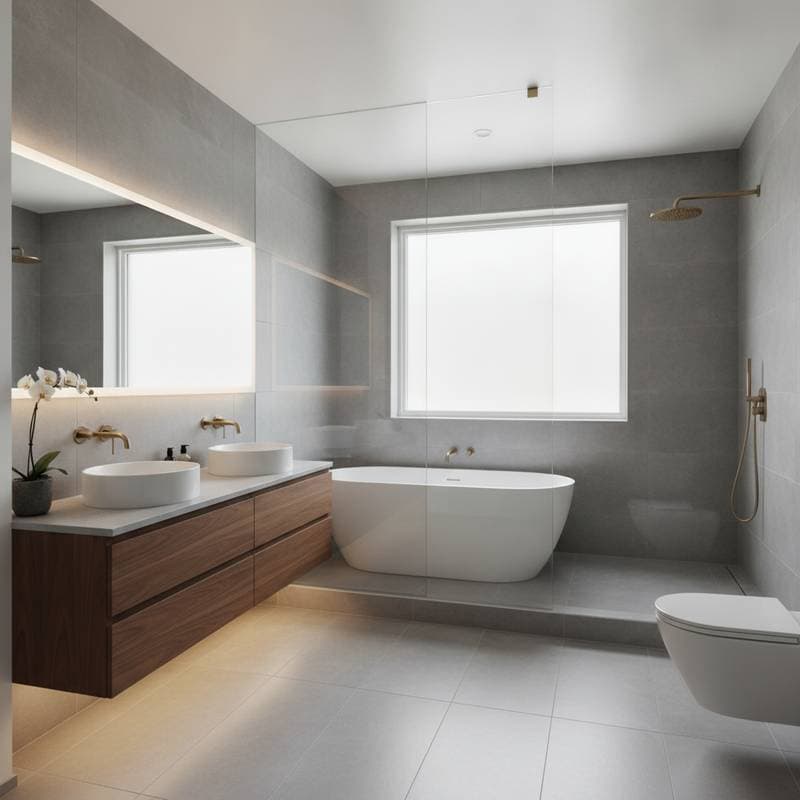
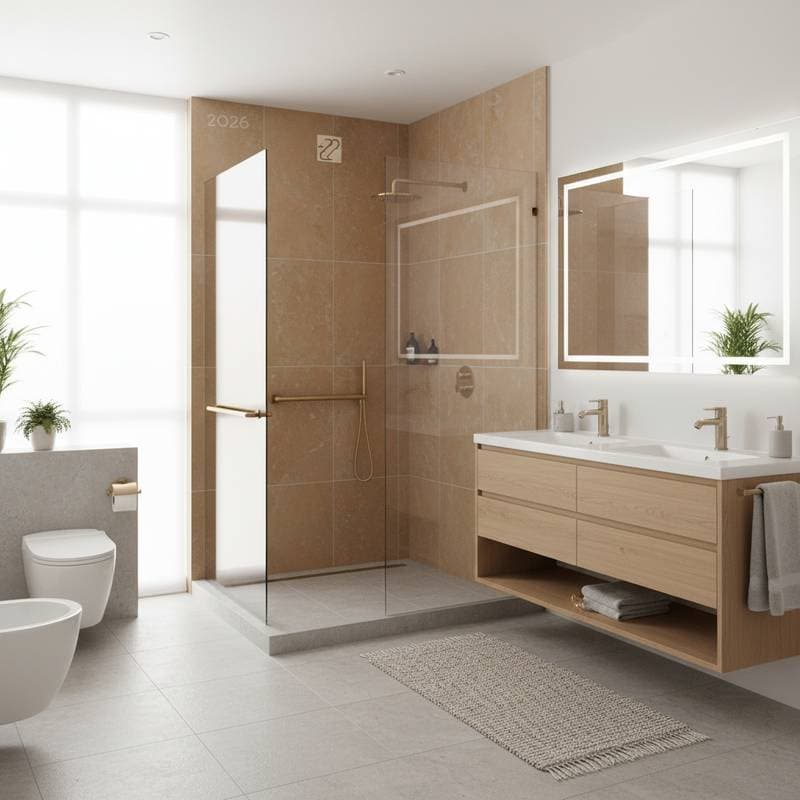
Elevate functionality with targeted modifications. Transform a traditional tub into a curbless shower for barrier-free access. Install a hand-held shower wand for versatile use. Ensure doorways measure at least 36 inches wide to accommodate mobility aids.
Premium Level
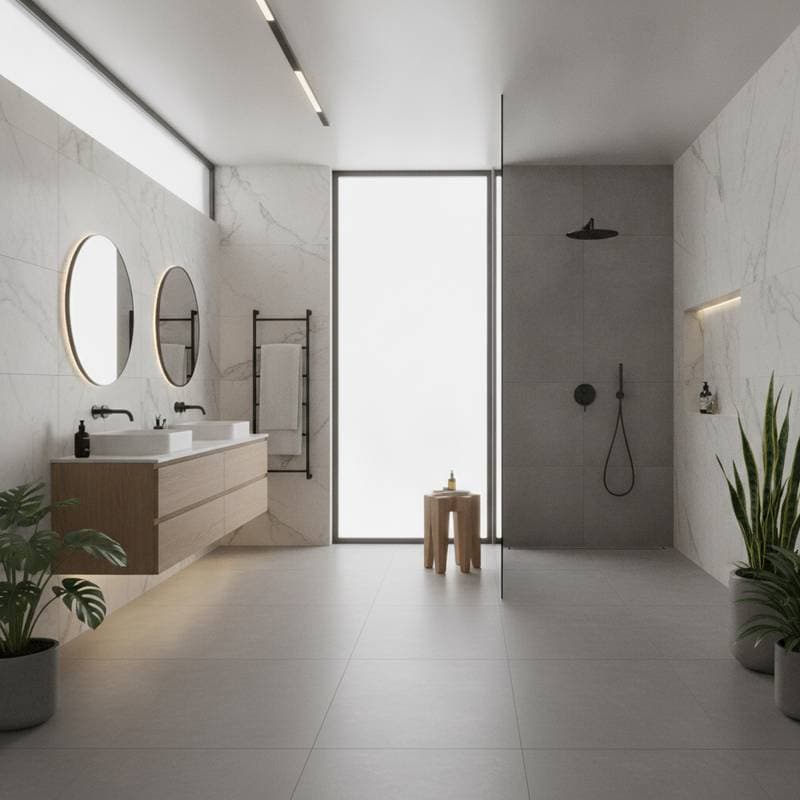
Pursue comprehensive luxury and innovation. Design a full wet room with a linear drain system for effortless drainage. Incorporate heated flooring to enhance comfort during colder months. Integrate smart controls that automate lighting and ventilation based on occupancy.
Among these options, prioritize a curbless shower for its dual benefits in fall prevention and reduced maintenance needs. This feature alone can significantly influence buyer perceptions and property appraisals.
DIY Tasks Versus Professional Services
Suitable for DIY
Certain elements allow homeowner involvement to control costs. Apply paint formulated for high-moisture areas to refresh walls. Mount grab bars using wall anchors rated for heavy loads. Replace basic fixtures like faucets with models that match accessibility standards.
Require Professional Expertise
Delegate complex tasks to avoid risks and ensure quality. Any plumbing relocations or electrical updates demand licensed specialists. Constructing a curbless shower involves precise waterproofing techniques. Installing protective membranes requires knowledge of building codes to prevent moisture intrusion.
Engaging a licensed contractor safeguards against voided warranties and non-compliance issues. Professional oversight is particularly vital in older structures, where improper work could lead to leaks and extensive repairs.
Optimal Timing and Cost-Saving Strategies
Most projects span 2 to 4 weeks, influenced by fixture availability and inspection timelines. Rising interest in universal design means contractors book quickly, so secure appointments well in advance. Scheduling during spring or early fall avoids seasonal disruptions like extreme weather.
To optimize expenses, retain existing plumbing positions whenever possible. Select ADA-compliant midgrade fixtures that balance quality and affordability without custom specifications. Investigate local incentives, such as rebates or tax credits for accessibility upgrades, through your building department. These measures can substantially lower the net investment.
Ongoing Maintenance and Warranty Essentials
Accessible bathrooms demand minimal upkeep when properly constructed. Routine cleaning suffices for curbless showers and waterproof flooring; focus on sealing gaps to preserve integrity. Annual inspections of caulk lines help identify wear, allowing timely replacements to avert water damage.
Humidity control extends component longevity, so employ exhaust fans during showers. Opt for pH-neutral cleaners to protect slip-resistant textures from degradation. Professional installations often include 10-year warranties on finishes and limited lifetime coverage for mechanical parts, providing peace of mind.
Steps to Launch Your Renovation
- Define the Project Scope. Determine whether a basic safety update or comprehensive overhaul best suits your needs and budget.
- Solicit Multiple Quotes. Obtain at least three detailed bids that encompass permits, labor, and disposal services.
- Schedule Strategically. Align the timeline with favorable weather and contractor availability to streamline execution.
- Verify Regulatory Standards. Consult local codes to confirm all accessibility features meet current requirements.
- Prioritize High-Impact Investments. Emphasize visible safety upgrades, such as grab bars, zero-threshold entries, and enhanced illumination, to maximize resale appeal.
Implementing an aging-in-place bathroom remodel secures comfort and independence while enhancing your home's market position. This strategic upgrade transforms a functional space into a resilient asset, supporting every life phase with safety and style.