Why 2026 Buyers Pay 6% More for Induction Cooktops
Typical cost: $1,600 installed, with a normal range of $1,200 to $2,400.
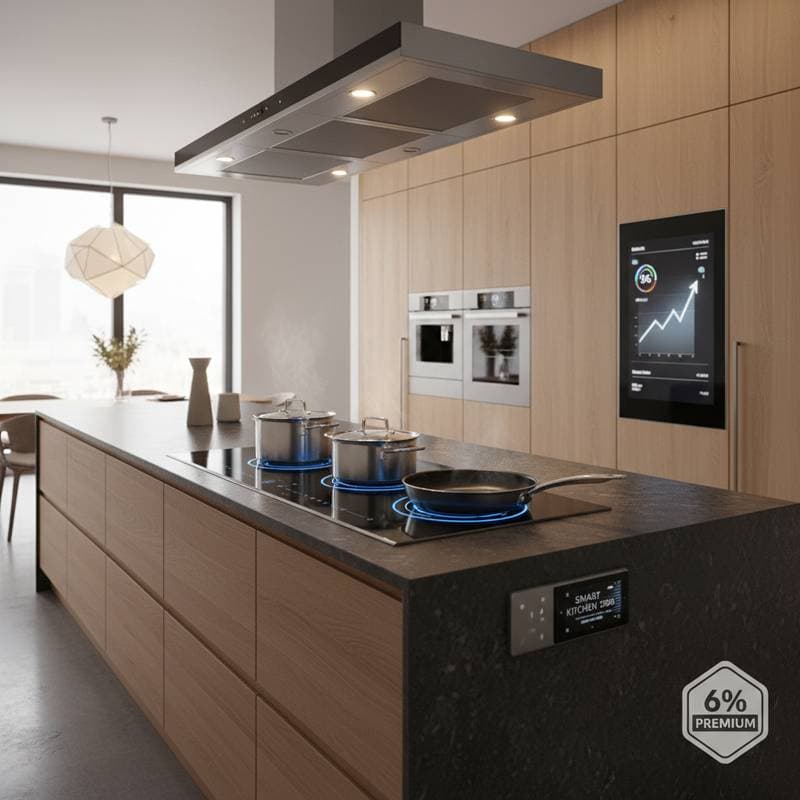
Induction cooktops offer superior speed, safety, and efficiency compared to traditional gas or electric coil alternatives. This 6 percent price increase in 2026 stems from surging demand, constrained supply of high-quality models, and evolving electrical standards that promote energy-efficient kitchen designs. Homeowners benefit from rapid heating, reduced energy consumption, and advanced features that enhance daily cooking experiences.
Key Cost Factors
Cooktop Size and Power
A standard 30-inch induction cooktop typically costs around $1,200, accommodating basic cooking needs with four zones. Larger 36-inch models, which include additional burners and higher wattage outputs up to 3,700 watts per zone, range from $1,800 to $2,400. These specifications not only elevate the unit price but also require robust wiring to handle increased power demands safely.
Electrical Upgrades
Many homes lack the necessary 240-volt dedicated circuit, necessitating upgrades that cost between $250 and $800. In older properties with outdated panels, a full subpanel installation may become essential, potentially raising total expenses to $3,000 or more. Professional assessment ensures compliance with local codes and prevents future electrical issues.
Countertop Modifications
Existing cutouts often fail to align with new induction units, requiring adjustments such as stone trimming or custom filler pieces at $150 to $300. Precise measurements before purchase minimize disruptions and additional labor. Consult with a fabricator early to confirm compatibility and avoid costly rework.
Ventilation Adjustments
Although induction generates less ambient heat than gas stoves, effective ventilation remains crucial for steam and odor control. Upgrading to a high-efficiency hood with at least 400 CFM costs $350 to $900, influenced by ductwork complexity and noise levels. Proper installation maintains indoor air quality during intensive cooking sessions.
Disposal and Delivery Expenses
Retailers typically charge $50 to $100 for removing old appliances and $75 to $150 for delivery plus basic setup. Purchasing multiple appliances together often qualifies for bundled discounts on these fees. Factor these into your budget to achieve a comprehensive cost overview.
DIY Installation Versus Professional Services
Tasks Suitable for DIY
Homeowners with moderate skills can handle unboxing the unit, positioning it in the cutout, and applying trim kits with sealant. Basic testing of controls follows once the unit sits securely. These steps require attention to detail for a clean, level fit.
Situations Requiring Professional Help
Engage a licensed electrician for 240-volt circuit installations or when panels reach capacity. Gas-to-electric conversions demand proper line capping to eliminate hazards. Countertop alterations or structural reinforcements also warrant expert intervention to uphold safety standards.
Electricians verify grounding integrity and select appropriate breaker sizes, such as 40 amps for standard models. Certification guarantees adherence to building codes. Tools include screwdrivers, a voltage tester, a level, sealant, and a torque wrench for secure connections.
Moderate construction experience suffices for non-electrical setup, yet electrical tasks demand professional qualifications. Avoid improvised solutions, as they risk frequent breaker trips or component damage over time.
Planning for Timing and Cost Savings
Delivery Lead Times
Anticipate 2 to 4 weeks from order placement to delivery, with delays possible during spring and summer remodeling peaks. Early ordering secures availability amid growing popularity. Track manufacturer updates to adjust timelines accordingly.
Seasonal Pricing Opportunities
Retailers frequently offer 5 to 10 percent reductions in late summer and early fall to move inventory. Monitor sales cycles for these windows. Such timing aligns purchases with budget constraints while accessing quality units.
Rebate and Incentive Programs
Regional utilities provide $100 to $250 rebates for transitioning from gas to induction, supporting energy conservation goals. Search local databases or contact providers for eligibility details. These incentives effectively lower net costs for qualifying installations.
Strategies for Bundled Purchases
Replacing an oven or microwave alongside the cooktop consolidates delivery and disposal charges. This approach streamlines logistics and reduces per-item fees. Evaluate total project scope to maximize efficiencies.
Allocate an additional 10 to 15 percent in your budget for unforeseen issues, particularly in homes with aging infrastructure. Thorough pre-purchase inspections mitigate these risks.
Maintenance Practices and Warranty Essentials
Daily and Routine Care
Clean surfaces with a soft, damp cloth after each use to preserve the sleek finish. Select cookware featuring flat, magnetic bottoms for optimal performance. Lift pans rather than dragging them to safeguard against surface scratches.
Expected Lifespan
Quality induction cooktops endure 10 to 15 years under regular maintenance. Electronic control boards represent the most vulnerable components, susceptible to failures from surges or inadequate airflow. Proactive care extends operational reliability.
Warranty Details
Manufacturers provide 1- to 2-year standard coverage for parts and labor. Extended plans, costing $100 to $200, protect against control panel issues in high-end models. Review terms to understand claim processes and exclusions.
Longevity Enhancement Tips
Incorporate a dedicated surge protector on the electrical circuit to shield sensitive electronics. Regularly clear cooling vents of dust accumulation. Follow manufacturer guidelines for annual touch sensor calibration if applicable.
These measures reduce the likelihood of expensive repairs and sustain peak efficiency throughout the unit's life.
Drivers Behind the Price Increase
Market dynamics and technological advancements fuel the 6 percent rise projected for 2026. Persistent supply chain constraints on electronic components elevate manufacturing expenses, while premium induction coils demand specialized materials. Building codes increasingly mandate all-electric kitchens in new developments, amplifying overall demand.
Recent models incorporate responsive heating elements, precise temperature sensors, and seamless smart home connectivity. Production costs climb with these enhancements, yet they yield substantial energy efficiencies and safety improvements. Homeowners value the absence of open flames and reduced indoor pollution.
Induction technology achieves 85 to 90 percent energy transfer to cookware, surpassing the 60 to 70 percent efficiency of conventional electric models and far exceeding gas options. Monthly utility savings accumulate, often recouping the initial investment within three to five years of consistent use. This long-term value underscores the appeal of investing in advanced kitchen appliances.
Steps to Upgrade Successfully
Begin by inspecting your electrical panel for available capacity and measuring countertop dimensions accurately. Compare comprehensive quotes that encompass delivery, wiring modifications, and disposal rather than focusing solely on unit prices. This holistic evaluation ensures realistic budgeting.
For frequent cooks seeking exact temperature control and flame-free operation, induction delivers unmatched precision and security. The elevated cost secures accelerated cooking times, dependable performance, and diminished energy expenditures over time.
Actionable Next Steps
- Verify electrical readiness. Confirm a 40- or 50-amp breaker suits your selected model.
- Obtain multiple installation estimates. Request inclusions for panel evaluations and wiring assessments.
- Target off-season shopping. Leverage clearance events to reduce expenses by hundreds of dollars.
- Activate warranty promptly. Retain installation documentation for potential service claims.
- Assess cookware suitability. Use a magnet test on existing pots and pans to ensure induction compatibility.
This price adjustment signals genuine advancements in quality and market needs. A well-prepared kitchen transition via induction enhances functionality, elevates property value, and promotes sustainable cooking practices daily.