AI Staging Trends Elevating 2026 Home Values and Accelerating Sales
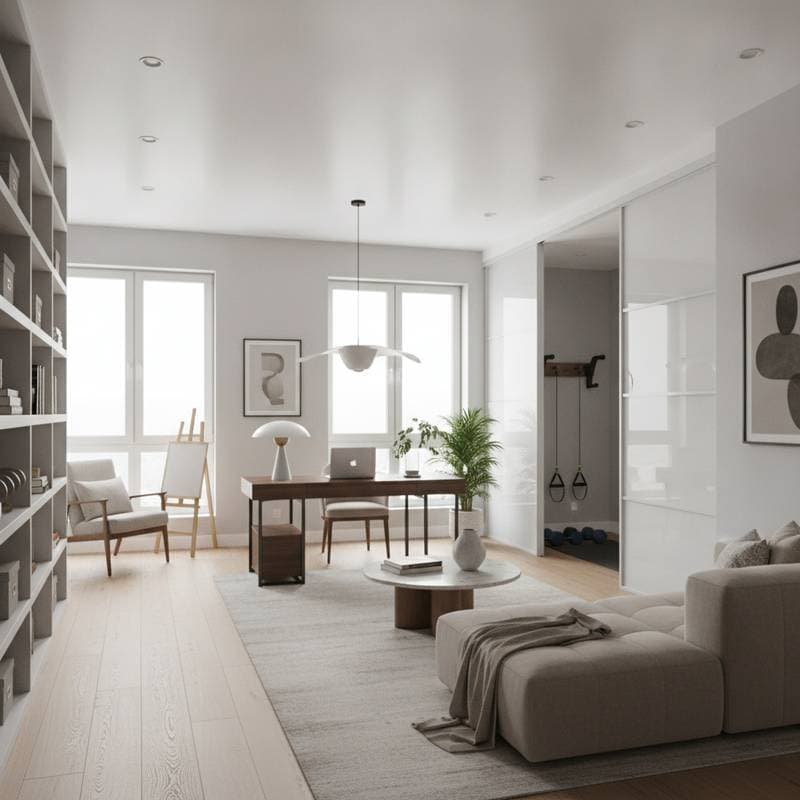
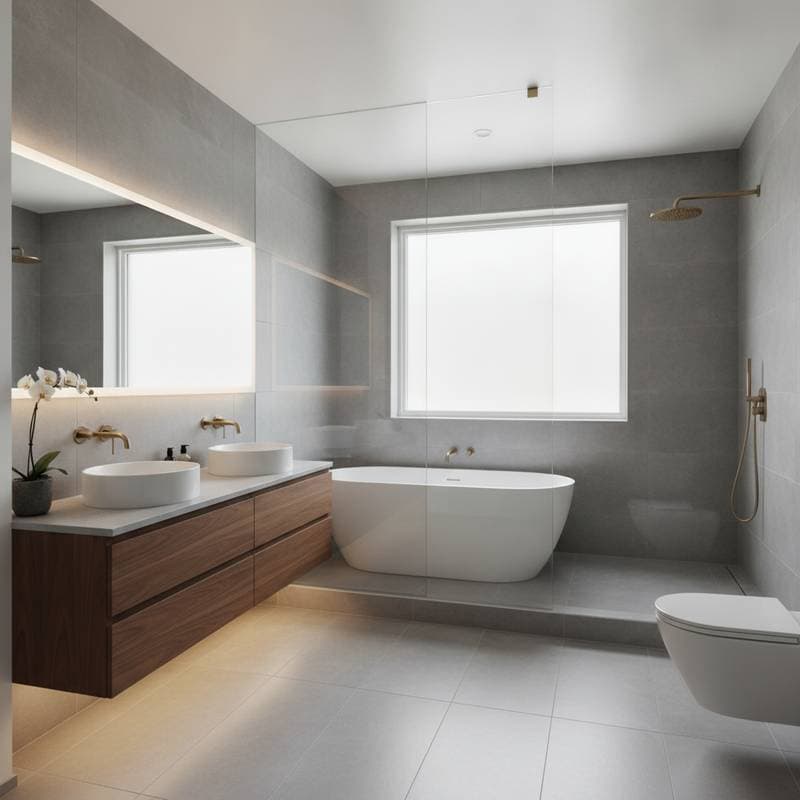
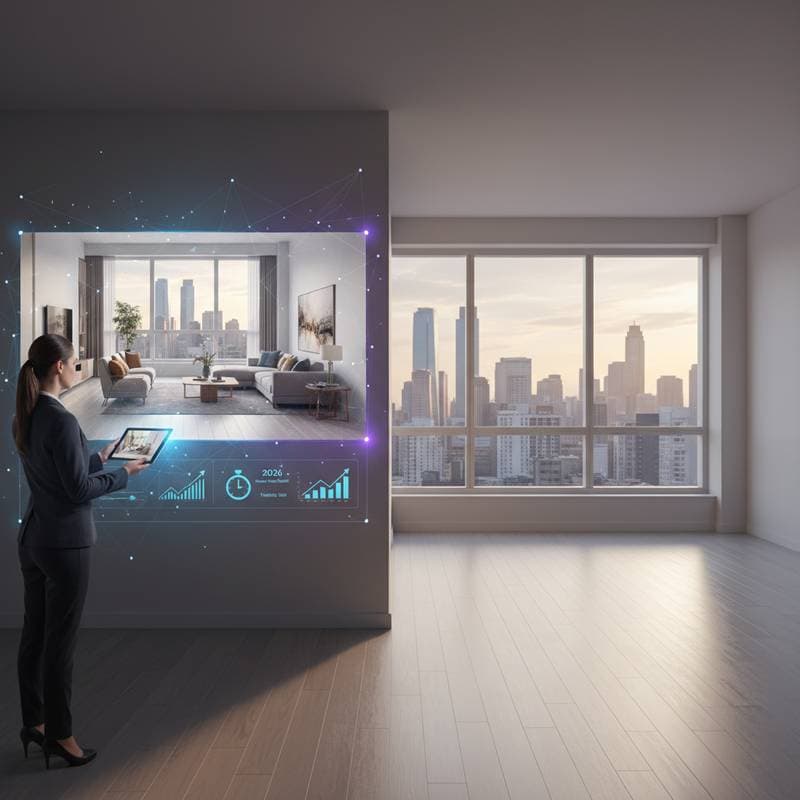
AI staging fundamentally alters the process of selling homes. Properties featuring digitally enhanced room images secure sales more quickly and frequently surpass the listed price. Prospective buyers grasp the potential of a space without delay, while sellers bypass the extended and disruptive traditional staging efforts. These changes lead to increased property valuations and more efficient transactions in diverse markets.
Reasons AI Staging Elevates Home Values
Prospective buyers often base decisions on emotional responses. A staged residence appears immediately habitable and meticulously maintained. AI staging replicates this appeal at a minimal expense. Additionally, it enables listings to distinguish themselves amid the volume of options on digital platforms, where initial browsing occurs.
Properties enhanced withimages generally achieve the following outcomes:
- Greater number of online views and in-person visits.
- Reduced duration on the market, often by weeks.
- Elevated bid amounts relative to square footage.
- Superior visual assets for agent promotional efforts.
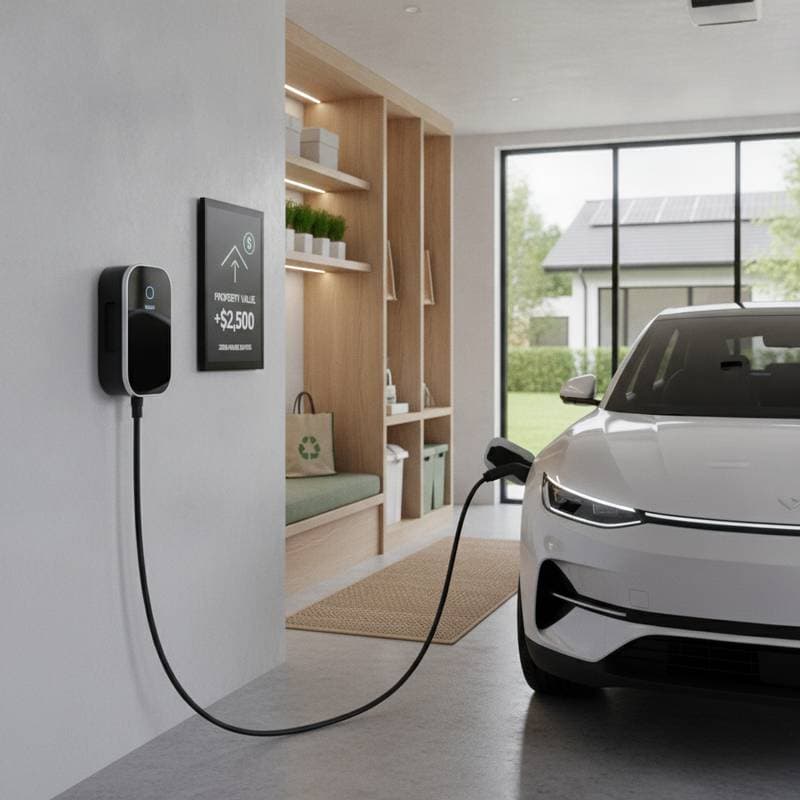
Sellers employing AI staging encounter expedited bids and diminished need for price reductions. The enhanced initial presentation can increase the perceived worth by several thousand dollars, depending on the local market dynamics.
Cost Analysis: AI Staging Compared to Traditional Methods
| Task | Typical Cost | Factors Influencing Price |
|---|---|---|
| Full-home physical staging | $2,000 to $8,000 | Furniture leasing, workforce, delivery logistics |
| Partial physical staging | $800 to $3,000 | Number of rooms, intricacy of furnishings |
| AI staging per image | $25 to $75 | Image quality, extent of modifications, processing speed |
| Complete AI staging package (10 to 15 images) | $250 to $800 | Software capabilities, degree of personalization |
Costs fluctuate based on geographic location, yet AI options consistently prove more economical than even a single month of physical furniture rental. These financial benefits frequently surpass thousands of dollars, while delivering visuals of comparable impact and professionalism.
Choosing Between DIY and Professional Assistance
Opt for DIY when:
- Proficiency with digital editing platforms exists.
- Source images feature clear lighting and minimal obstructions.
- Requirements involve straightforward aesthetic adjustments.
Engage professionals when:
- A refined appearance suits high-end market segments.
- Virtual updates, such as refreshed flooring or wall treatments, prove necessary.
- Time constraints prevent thorough review and refinement.
Expert AI staging providers blend aesthetic expertise with software proficiency. They adjust elements like color harmony, illumination, and proportional scaling to ensure rooms appear authentic. In premium property scenarios, this level of detail supports commanding higher sale prices.
Regional Considerations and Compliance Guidelines
AI staging applies universally, though stylistic preferences vary by environmental and demographic factors.
- Coastal regions: Emphasize pale palettes, breezy arrangements, and extensions to exterior areas to attract lifestyle-oriented purchasers.
- Colder regions: Incorporate rich hues and inviting fabrics to evoke comfort and warmth.
- Urban environments: Prioritize sleek, compact furnishings that maximize limited square footage.
- Rural or suburban settings: Highlight practical configurations and organic elements that appeal to family demographics.
No building permits or regulatory approvals relate directly to AI staging. However, adhere to regional advertising regulations by denoting images as virtually enhanced. Certain listing platforms mandate such notations in descriptions or captions to maintain transparency.
Pitfalls to Sidestep in AI Staging
- Excessive alterations: Unnatural illumination or disproportionate furnishings erode credibility.
- Overlooking physical imperfections: Digital enhancements conceal disarray but fail to address foundational problems; repair issues like water damage, fractures, or obsolete installations prior to photography.
- Neglecting transparency: Explicitly indicate virtual staging to prevent legal or moral complications.
- Incoherent design themes: Maintain uniform motifs throughout interiors to foster a cohesive narrative.
- Substandard image quality: Poorly defined originals diminish the effectiveness of enhancements, resulting in unprofessional outcomes.
Scenarios Requiring Professional Expertise
Seek professional services in these situations:
- Vacant properties demand comprehensive digital outfitting from empty rooms.
- Multiple design variants support targeted marketing experiments.
- Asset values surpass area medians, necessitating upscale visuals.
- Integration with supplementary media, such as aerial footage, layouts, or video content, enhances overall presentation.
Specialists often bundle AI staging within comprehensive campaigns, incorporating elements like elevated photography and dynamic social content to amplify reach.
Essential Strategies for Optimal Results
- Direct primary enhancements toward the initial three listing images, as these generate the majority of engagement.
- Align light sources consistently across the photo set to avoid detectable discrepancies.
- Employ subdued foundational shades accented by subtle highlights to widen appeal among diverse audiences.
- Retain unaltered originals for potential subsequent modifications.
- Solicit feedback from peers on preview images; refine any elements perceived as unnatural.
AI Staging Within Broader Real Estate Evolution
Real estate professionals and property owners transition from tangible displays to narrative-driven digital experiences. AI staging aligns seamlessly with this progression by unifying creative design, promotional tactics, and technological innovation. Future advancements promise interactive features, allowing users to customize elements like upholstery or paint in live sessions, thereby deepening emotional ties and inflating valuation perceptions to drive superior sale outcomes.
This technology extends to valuation processes as well. Competitive bidding on aesthetically compelling properties elevates transaction records. Consequently, sustained upward trends in regional pricing emerge, with AI tools establishing new standards for market evaluations.
Implementing AI Staging Effectively
Start by selecting a reputable AI platform compatible with your photography setup. Upload high-resolution images of empty or decluttered spaces, then apply targeted enhancements room by room. Review outputs for realism, disclose virtual elements in listings, and track performance metrics like view counts and inquiry rates to refine future applications. This methodical approach maximizes sales velocity and value capture in competitive landscapes.