Wet Rooms: An 11 Percent Home Value Increase in the 2026 Market
Wet rooms lead a subtle transformation in bathroom design. Properties equipped with these features project an average value increase of approximately 11 percent, driven by their elegant aesthetics, inclusive access, and contemporary market desirability. For homeowners contemplating renovations, incorporating a wet room stands out as a strategic choice.
Defining a Wet Room
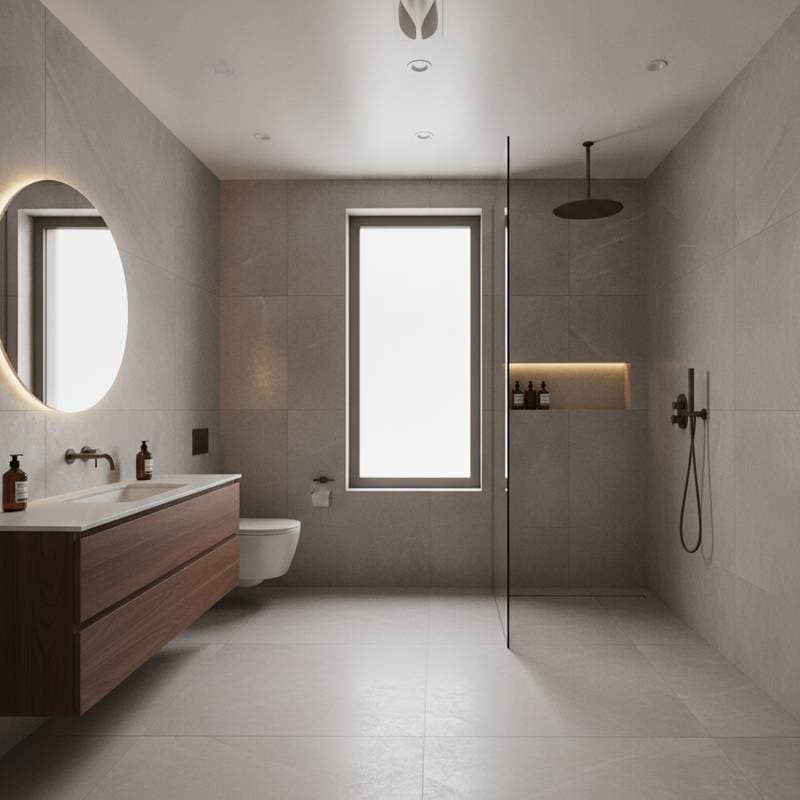
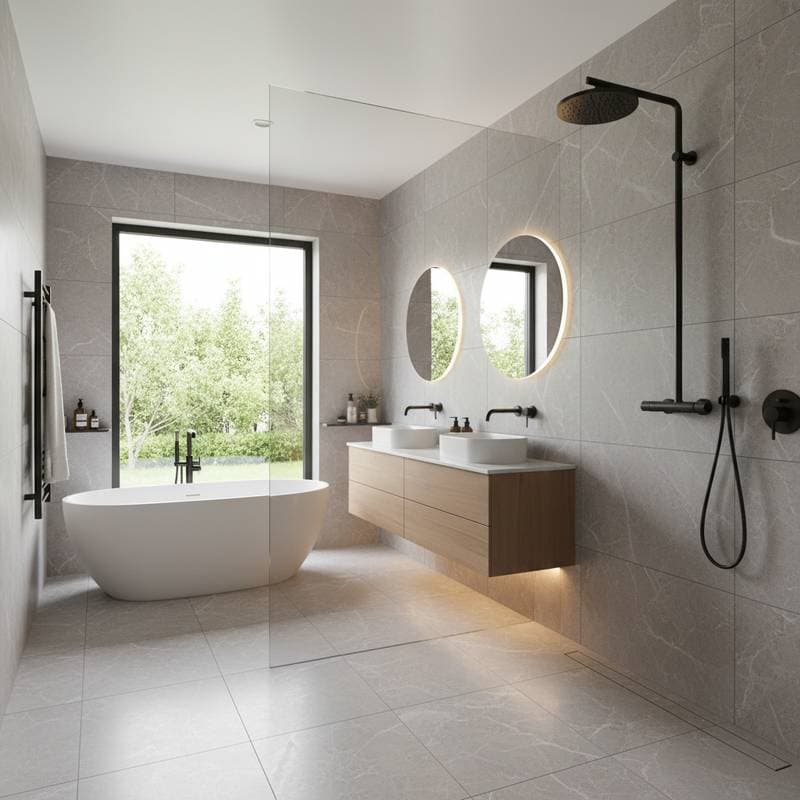
A wet room constitutes a completely waterproofed bathroom space featuring a seamless walk-in shower without an elevated tray or enclosing curtain. The floor inclines subtly toward a central drain, allowing the entire area to serve as a unified, open environment. This configuration integrates the shower, vanity, and occasionally a bathtub into one fluid surface.
The result creates an illusion of expanded space, simplifies cleaning routines, and imparts a sense of opulence surpassing conventional arrangements. Homebuyers and tenants value this expansive, resort-inspired ambiance, which commands premium pricing in the real estate sector.
Reasons Wet Rooms Enhance Property Value
Prospective buyers appreciate wet rooms for their upscale appearance paired with functional advantages. The barrier-free design eliminates tripping hazards from steps, while simplified maintenance appeals to busy households. These spaces adapt seamlessly to both compact and expansive bathroom dimensions.
Real estate professionals observe that properties with meticulously executed wet rooms capture superior photographs, elevating online listing visibility. The 11 percent valuation projection derives from analyses of resale data for homes with innovative open-plan bathrooms versus those retaining outdated configurations. This dual appeal—visual allure combined with utility—positions wet rooms as a sound financial commitment.
Constructing a Wet Room: Step-by-Step Guidance
Approach the project with meticulous planning, as effective waterproofing forms the foundation. A single breach can compromise underlying structures, underscoring the need for exacting execution.
- Design the layout. Identify the drain location and establish the gradient direction to ensure proper water flow.
- Demolish existing elements. Extract outdated flooring, plumbing fixtures, and moisture-exposed drywall sections.
- Apply waterproofing layers. Encase the floor and lower wall portions with a robust membrane for comprehensive protection.
- Position the drain and establish the slope. Employ a preformed shower base or leveling compound to achieve the necessary incline.
- Install tiles and secure seals. Select slip-resistant tiles and apply sealant to all seams with precision.
- Incorporate fixtures. Opt for wall-mounted toilets, suspended vanities, and frameless glass screens to preserve openness.
Detailed Cost Analysis
Expenses fluctuate based on geographic location, workforce charges, and material selections. The following table outlines standard ranges.
| Task | Typical Cost Range | Influencing Factors |
|---|---|---|
| Waterproofing system | $800 - $2,000 | Area dimensions and membrane grade |
| Drain and slope formation | $300 - $900 | Subfloor composition and drain model |
| Tile and grout | $1,000 - $3,000 | Tile variety, design complexity, and installation method |
| Fixtures and fittings | $1,500 - $4,000 | Manufacturer quality, surface finish, and aesthetic choices |
| Labor and site preparation | $2,000 - $5,000 | Local rates and project intricacy |
The aggregate cost for a standard wet room typically spans $5,600 to $14,000. Premium options incorporating bespoke tiling or natural stone may surpass $20,000.
Project Timeline and Complexity
Experienced contractors complete a wet room installation within 7 to 14 days. Individuals pursuing a do-it-yourself approach should anticipate twice the duration. Waterproofing applications require curing periods, and tiling demands careful attention to detail. Haste at any phase invites potential leaks over time. Novices unfamiliar with membrane handling or gradient creation benefit from engaging specialists for initial preparation and sealing stages.
Evaluating DIY Versus Professional Installation
Pursue DIY when:
- Prior experience includes tiling and waterproofing techniques.
- The bathroom measures small with straightforward plumbing access.
Engage professionals when:
- Relocating drains or modifying pipe routes proves necessary.
- The residence spans multiple levels, requiring subfloor safeguards.
- A formal warranty holds importance.
Certified installers adhere to regional regulations and provide documentation essential for property transactions. Manufacturer guarantees often mandate expert involvement, safeguarding the long-term viability of the investment.
Essential Tools and Materials
- Specialized waterproof membrane or tanking system
- Integrated floor drain assembly
- Precision level and trowel set
- Tile cutting tool and spacing inserts
- Slip-resistant porcelain or ceramic tiles
- High-adhesion silicone sealant and durable grout
- Moisture-rated exhaust ventilation unit
Assemble all components prior to commencement. Pausing during critical membrane placement risks structural vulnerabilities.
Compliance, Safety, and Regulatory Considerations
All waterproofing implementations must align with municipal building standards. Certain jurisdictions classify comprehensive wet rooms as specialized builds subject to mandatory inspections. Verify permitting requirements at the outset. Electrical components, including outlets and illumination, demand fixtures rated for humid environments; consult a licensed electrician for modifications. Adequate airflow through exhaust systems remains vital to mitigate mold growth.
Adapting to Local Conditions and Environments
In moisture-prone seaside areas, integrate antifungal backer boards and resin-based grouts. Colder regions benefit from underfloor heating to counteract moisture buildup. Structures with timber subfloors require additional bracing prior to surfacing, whereas concrete foundations suffice with a preparatory sealant layer.
Implementing Your Wet Room Upgrade
Incorporate wet room considerations during the early phases of any bathroom overhaul. This approach simultaneously enhances daily usability, property worth, and universal accessibility. Market trends favor pristine, unobstructed areas that convey sophistication without sacrificing practicality. Through rigorous waterproofing and judicious material selection, a well-crafted wet room endures for generations, delivering sustained returns.
Frequently Asked Questions
Do wet rooms complicate cleaning efforts?
No. The absence of enclosures and edges streamlines maintenance compared to traditional showers.
Is specialized ventilation required for wet rooms?
Yes. Install a fan responsive to humidity levels or a powerful extractor to maintain dryness and inhibit mold development.