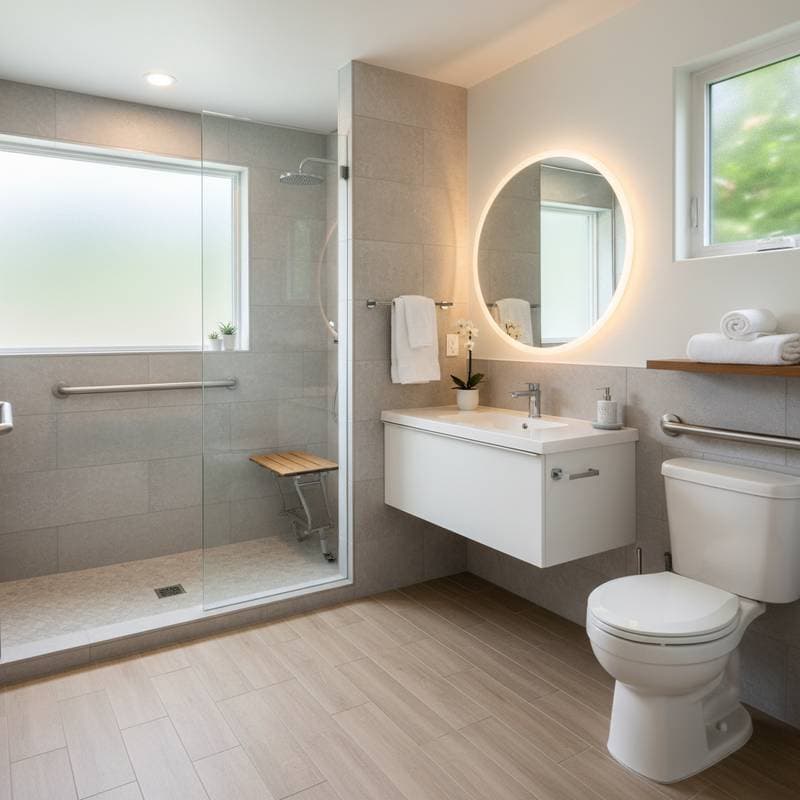
Unlock 15% ROI with Aging-in-Place Bathroom Upgrades
Aging-in-place bathroom upgrades enhance home safety, usability, and market value. These modifications allow homeowners to anticipate a return on investment approaching 15 percent through thoughtful execution. Such renovations suit individuals committed to long-term residency, those supporting elderly family members, and properties targeting buyers who prioritize accessible living spaces.
The appeal of these upgrades lies in their dual benefits: immediate improvements in daily functionality and future-proofing against mobility challenges. By incorporating elements like wider doorways and lever-handled faucets, bathrooms become versatile environments that serve multiple generations. Professional assessments often reveal that these changes not only prevent accidents but also elevate the overall aesthetic without sacrificing style.
Pros and Cons
Pros
- Enhances safety by minimizing slip and fall risks through features such as non-slip flooring and strategically placed grab bars.
- Simplifies routine activities for users of all ages, including easier entry to showers and adjustable-height sinks.
- Increases property resale value while expanding the pool of potential buyers, including younger families and seniors seeking longevity in their homes.
- May qualify for tax credits or rebates under accessibility programs, reducing net expenses.
- Promotes prolonged independence, potentially delaying the need for assisted living arrangements.
Cons
- Involves higher initial expenses compared to superficial updates, with full remodels ranging from $10,000 to $25,000 depending on scope.
- Could slightly diminish available space when installing larger fixtures designed for wheelchair access or transfer benches.
- Demands contractors experienced in accessibility codes to avoid compliance issues and ensure structural integrity.
- Certain installations, such as walk-in tubs with integrated seating, extend project timelines to several days or weeks.
DIY vs Professional Installation
For minor enhancements, such as mounting grab bars or swapping standard faucets for touchless models, individuals with basic handyman skills can manage the task. These projects typically require simple tools like a drill and level, spanning 2 to 4 hours, with material costs between $50 and $300. Follow manufacturer guidelines closely to secure fixtures properly and test stability before use.
Comprehensive overhauls, involving rerouting plumbing for curbless showers or integrating smart lighting, necessitate expertise in electrical and waterproofing systems. Licensed professionals complete these in 1 to 3 weeks, varying by complexity and home layout. Select contractors versed in ADA guidelines or universal design principles to achieve optimal clearances, such as 30-inch by 48-inch turning radii for maneuverability.
Attempting advanced work without qualifications risks water damage, electrical faults, or structural weaknesses. Professionals navigate permitting processes efficiently, securing approvals for modifications that affect load-bearing elements. Their involvement safeguards against liability and maintains warranty validity on installed components.
Maintenance and Expected Lifespan
Materials selected for aging-in-place bathrooms emphasize resilience, offering 15 to 20 years of reliable service under regular upkeep. High-quality vinyl flooring resists wear, while corrosion-resistant metals endure humidity. Periodic inspections prevent minor issues from escalating into costly repairs.
Routine Maintenance Tasks
- Examine grab bars and their anchors biannually to confirm secure attachment and absence of rust.
- Clean textured, non-slip surfaces using a gentle, pH-neutral cleaner to maintain grip without degrading the material.
- Review caulking and grout lines quarterly, resealing any fissures to block water intrusion.
- Verify GFCI outlets function correctly each month by pressing the test button and resetting as needed.
Numerous products include limited lifetime warranties covering defects in manufacturing. Register these items promptly upon installation to activate protection. Document all maintenance activities to support warranty claims if components fail prematurely.
Regional Considerations
Project expenses fluctuate based on geographic location. In metropolitan zones, elevated labor charges can inflate budgets by 15 percent or greater, pushing average remodels toward $20,000. Rural settings may offset this with lower material transport fees but require travel for specialized suppliers.
Climates influence material choices: northern regions benefit from insulated pipes and radiant floor heating to combat freezing risks and condensation. Coastal environments demand robust defenses against salt air, favoring PVC moldings and marine-grade stainless steel hardware. Arid areas prioritize humidity controls to prevent dry cracking in seals.
Building regulations differ widely; urban centers often enforce stringent seismic reinforcements for grab bar installations. States like California extend ADA requirements with additional mandates for emergency call systems. Consult local authorities early to identify permit needs for any plumbing or electrical alterations, ensuring adherence avoids fines or rework.
Essential Safety Measures
Bathrooms present unique dangers where moisture intersects with electrical sources, heightening the potential for accidents. Implementing proven safeguards transforms these spaces into secure havens. Focus on prevention through design and habit to protect vulnerable occupants.
Key Safety Recommendations
- Install GFCI outlets within 6 feet of water sources, including near bathtubs and showers, to interrupt power during faults.
- Adjust water heater thermostats to 120 degrees Fahrenheit maximum, balancing comfort with scald prevention.
- Secure grab bars directly to wall studs using lag screws rated for at least 250 pounds of pull force.
- Incorporate exhaust fans rated for 50 CFM or higher to expel humid air, curbing mold growth and slippery conditions.
- Opt for secured bath mats with suction cups or rubber undersides to eliminate tripping hazards.
Any modifications to existing systems demand certified tradespeople. Substandard execution not only compromises safety but may invalidate homeowner insurance policies or trigger inspection failures, delaying occupancy.
Planning Your Aging-in-Place Bathroom Remodel
Aging-in-place bathroom renovations safeguard well-being and sustain autonomy while boosting financial returns. Begin by evaluating personal needs: prioritize elements like zero-threshold entries for seamless wheelchair access or comfort-height toilets for reduced strain. Consult occupational therapists for tailored advice on layouts that accommodate evolving mobility.
Solicit bids from at least three certified contractors specializing in universal design; compare not just prices but timelines, material samples, and references from similar projects. Budget for contingencies, allocating 10 to 15 percent extra for unforeseen discoveries like outdated wiring. Secure necessary permits upfront to streamline progress.
Upon completion, these upgrades yield enduring advantages: enhanced daily comfort, fortified independence, and a competitive edge in the housing market. Homeowners report greater peace of mind knowing their space adapts to life's changes, all while recouping investments through appreciative resale values.