The Shift to Jewel Tones in 2026 Home Design
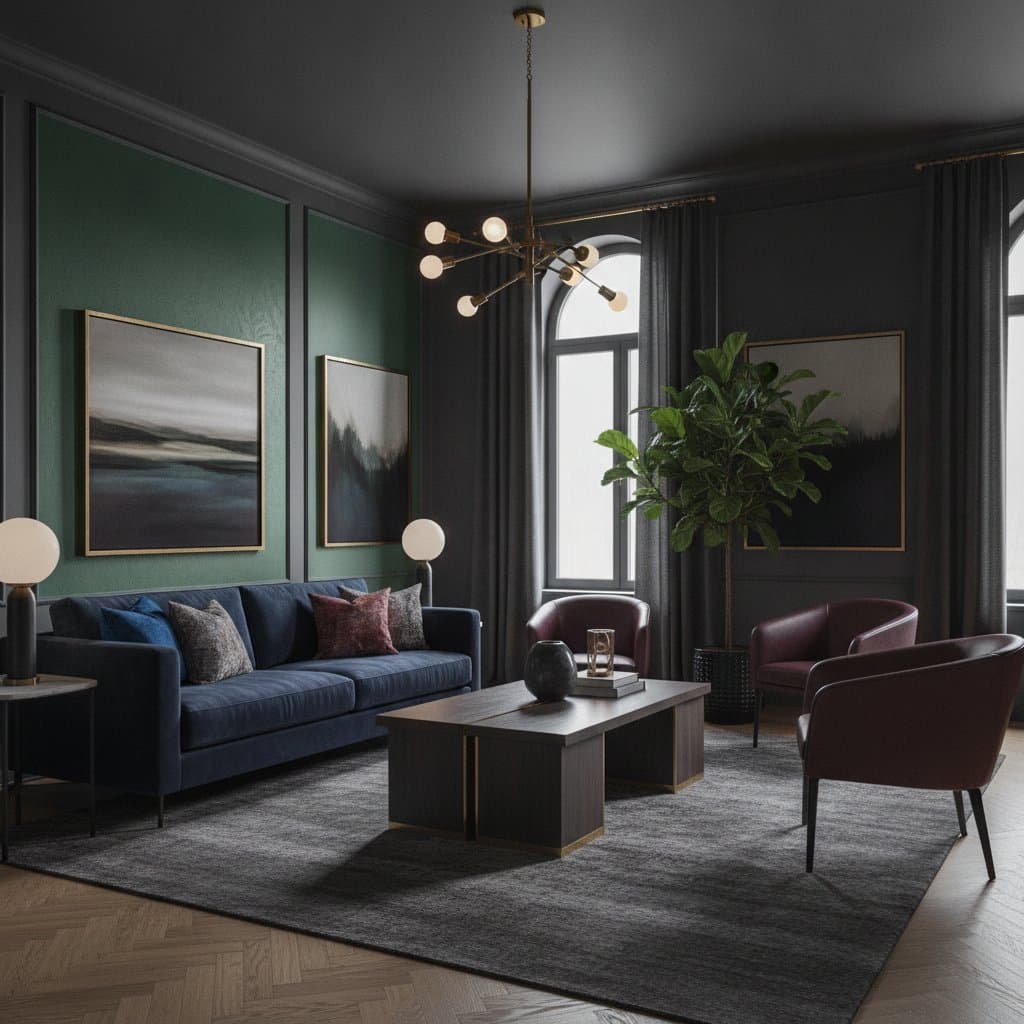
Gray dominated modern interiors for years, offering versatility and neutrality that appealed to broad tastes. Homeowners now seek greater emotional resonance and visual intrigue. Jewel tones, with their rich saturation and subtle luminosity, emerge as the defining palette for 2026, infusing spaces with warmth and personality.
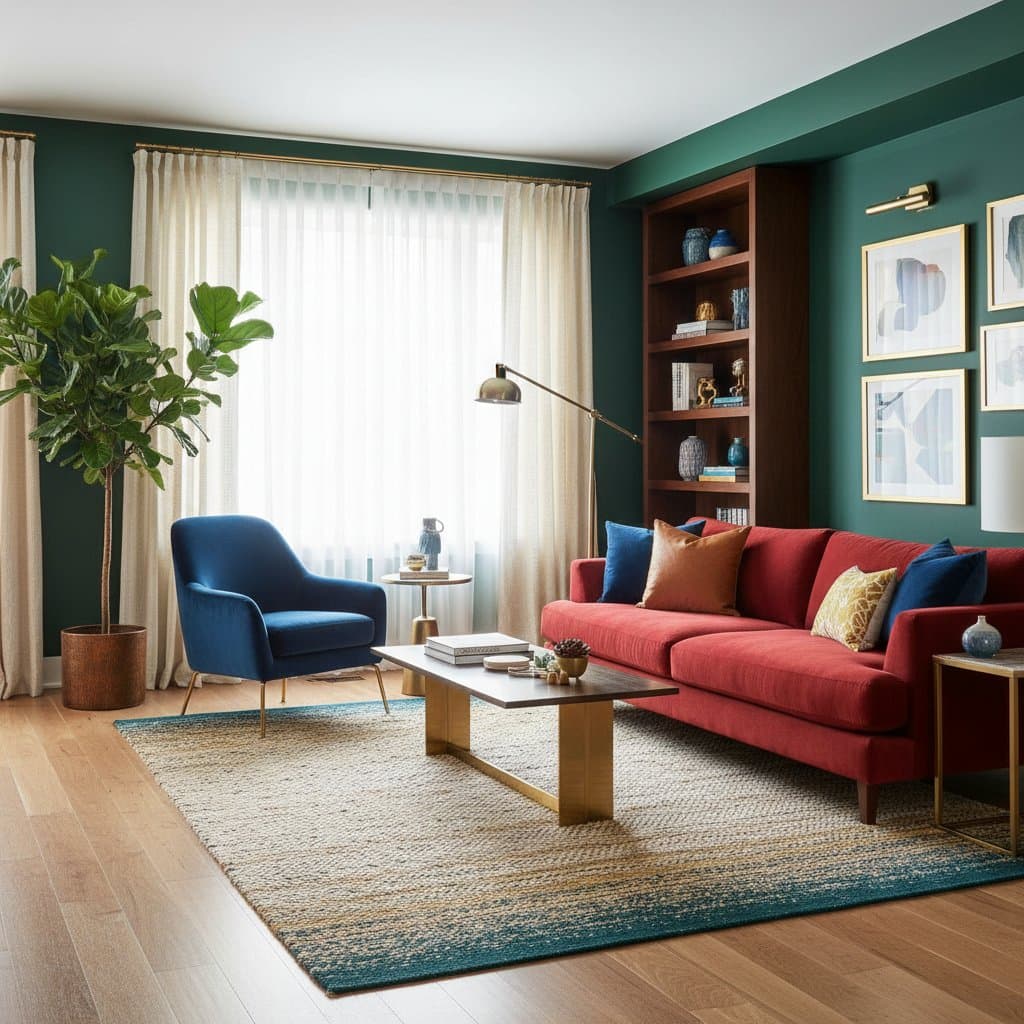
These colors draw inspiration from precious gems, evoking luxury without ostentation. Emerald green suggests lush forests, sapphire blue conveys serene skies, and garnet red radiates subtle fire. Designers predict jewel tones will permeate living rooms, kitchens, and bedrooms, creating environments that feel both contemporary and timeless.
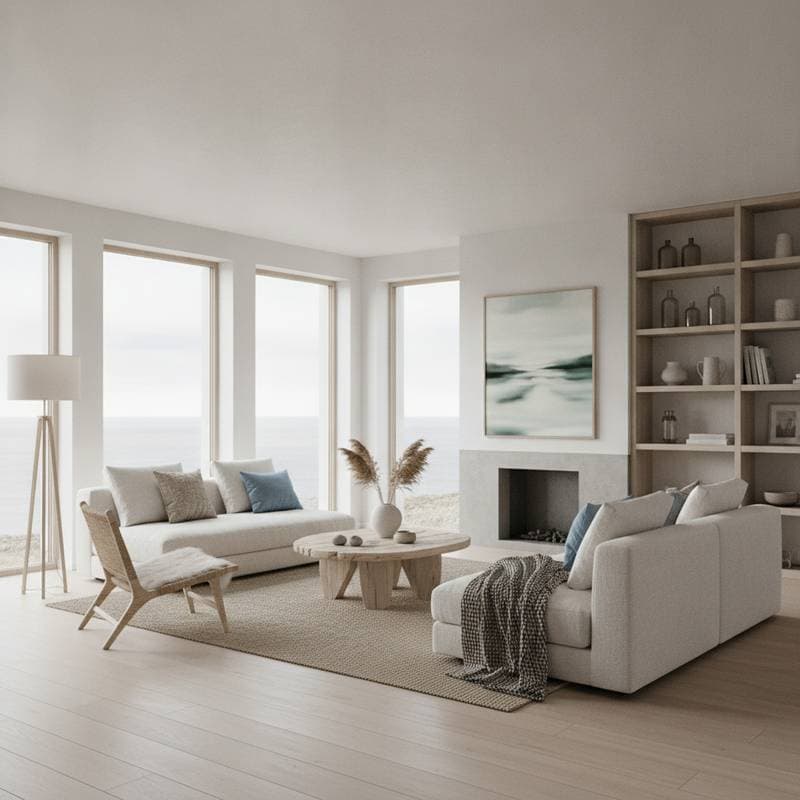
The transition from gray reflects broader cultural shifts toward authenticity and comfort. After years of minimalist neutrals, people crave depth that highlights architectural features and personal artifacts. Jewel tones excel in this role, enhancing textures in fabrics, woods, and metals while concealing minor imperfections better than stark grays.
Why Jewel Tones Captivate
Jewel tones provide multifaceted benefits that elevate everyday living. They absorb light to create intimate atmospheres, ideal for evening gatherings or quiet reflection. In contrast to gray's cool detachment, these hues foster a sense of enclosure and coziness, particularly in open-plan homes.
Pairing jewel tones with complementary elements amplifies their appeal. Brass fixtures gleam against deep emerald walls, while walnut cabinetry grounds sapphire accents. This synergy introduces layers of interest, turning functional rooms into curated retreats. Moreover, jewel tones adapt to various lighting conditions, maintaining vibrancy from dawn to dusk.
Sustainability plays a role in their rise. Modern paints formulated with low-VOC pigments ensure jewel tones contribute to healthier indoor air. Homeowners appreciate how these colors endure, resisting fading and wear to support long-term style without frequent repaints.
Cost Considerations for Jewel Tone Transformations
Updating interiors with jewel tones aligns financially with standard color changes, though selections influence the total. High-quality paints with dense pigmentation ensure even coverage and longevity, justifying a modest premium.
Typical Expenses
- Interior painting per square foot: $3 to $6 nationally, covering labor and materials.
- Single room refresh: $500 to $1,200, depending on size and complexity.
- Specialty applications: $1,800 or more for textured finishes or custom blending.
Factors Influencing Budget
Premium brands offer superior adhesion and fade resistance, essential for saturated hues. Darker jewel tones often require additional primer coats to prevent bleed-through from underlying colors. Preparation tasks, such as surface cleaning and repairs, add to costs but yield professional results. In high-demand urban areas, labor rates climb due to skilled availability and material transport.
Budget wisely by prioritizing high-impact areas like accent walls. Consult local contractors for quotes that account for regional variables, ensuring value matches investment.
Exploring Jewel Tone Varieties
Each jewel tone carries unique characteristics, suited to specific moods and settings. Selection depends on room function, natural light, and existing decor.
Emerald Green
This verdant shade balances depth with approachability, evoking natural serenity. It thrives in kitchens where it complements stainless steel appliances and green herbs. Pair with white marble countertops for crisp contrast or walnut shelving for organic warmth.
Sapphire Blue
A tranquil blue that promotes relaxation, perfect for bedrooms and home offices. It harmonizes with brushed nickel hardware and light oak flooring, creating a spa-like retreat. Use in powder rooms to add subtle drama without overwhelming small spaces.
Garnet Red
Bold yet refined, this warm red energizes dining areas and studies. Apply to accent walls or upholstered furniture for focal points. It pairs effectively with cream linens and gold accents, infusing vitality into formal settings.
Amethyst Purple
Soft and enigmatic, amethyst lends an air of quiet luxury to lounges or reading nooks. It enhances velvet cushions and linen drapes, softening edges in transitional spaces. Balance with neutral floors to prevent visual overload.
Amber Gold
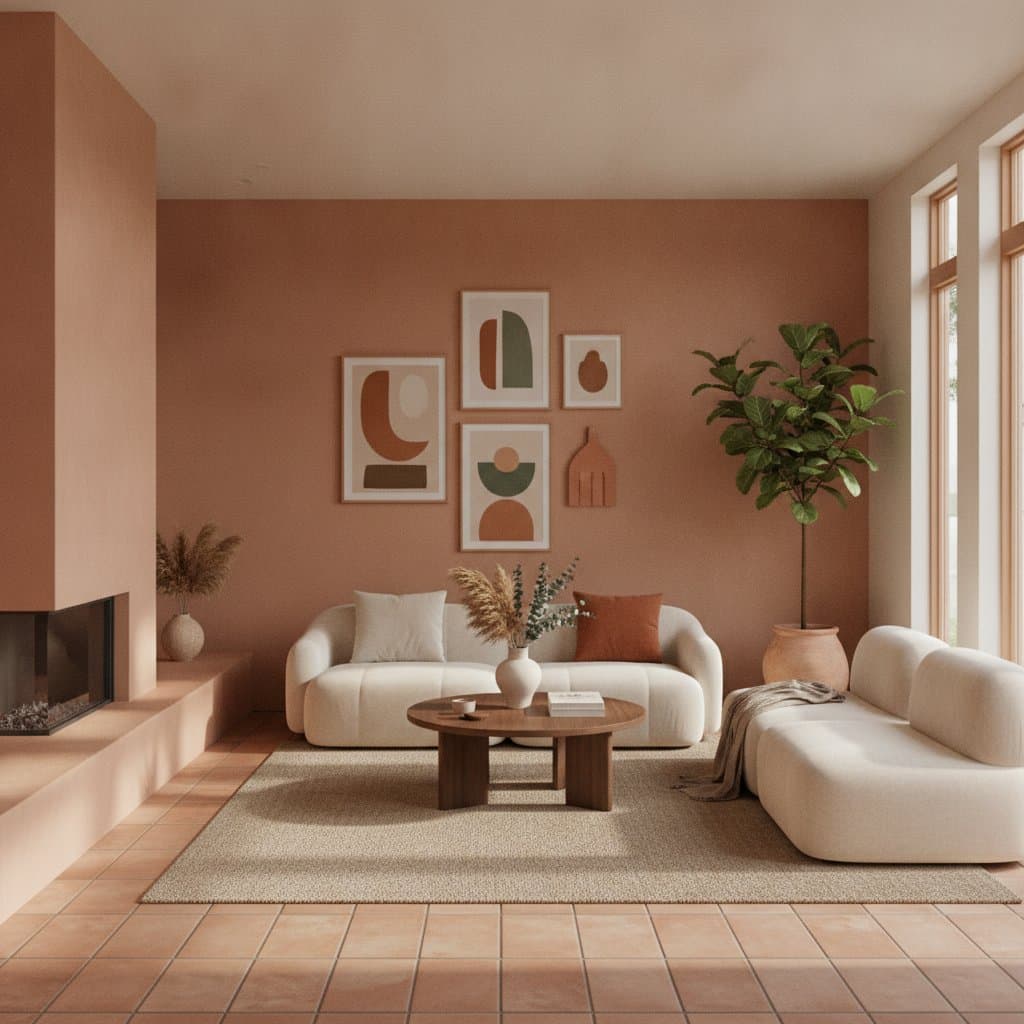
An earthy yellow that radiates optimism, ideal for sunlit living rooms. It blends seamlessly with terracotta tiles and jute rugs, fostering a grounded, inviting ambiance. This tone brightens north-facing rooms, countering cooler light.
Layer tones thoughtfully, using neutrals for trim and ceilings to maintain equilibrium. Test samples in situ to gauge real-world effects, as lighting alters perception.
Practical Application Guide
Achieving flawless jewel tone finishes demands methodical preparation and technique. Follow these steps to ensure durability and aesthetic precision.
- Prepare the space: Remove or cover furniture with drop cloths; ventilate the area thoroughly.
- Surface assessment: Clean walls to eliminate dust, grease, or residue; repair cracks and imperfections.
- Priming: Apply a tinted primer matched to the final color, especially over light bases, to enhance opacity.
- Edge work: Use a steady brush for precise cuts along ceilings, trim, and corners.
- Main application: Roll paint in W-shaped patterns for uniform coverage, working in manageable sections.
- Drying intervals: Allow full cure between coats, typically 4-6 hours, to avoid tackiness.
- Quality check: Examine under varied lighting; apply touch-ups as needed.
- Finalization: Clean tools immediately; peel away painter's tape at a 45-degree angle once dry.
Invest in quality tools like angled brushes and microfiber rollers for smooth results. For cabinetry or trim, consider professional sprayers to minimize brush marks.
Softer Alternatives to Full Jewel Tones
For those hesitant about bold saturation, scaled-back options deliver similar depth with less intensity.
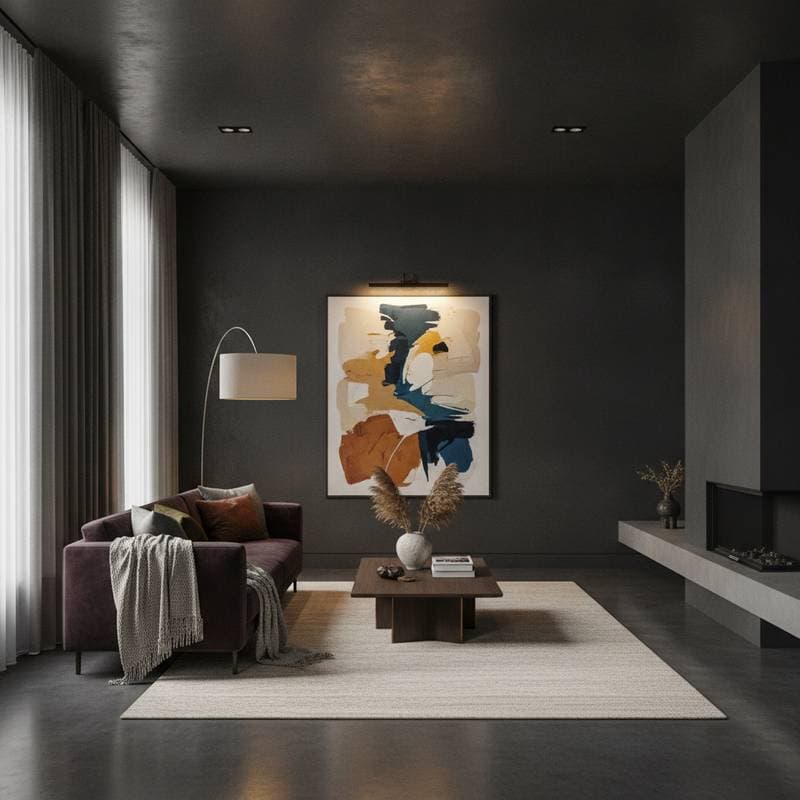
- Deep Neutrals: Charcoal grays or inky navies mimic jewel richness while retaining versatility.
- Earthy Pigments: Olive greens, terracotta reds, or warm clays ground spaces in natural hues.
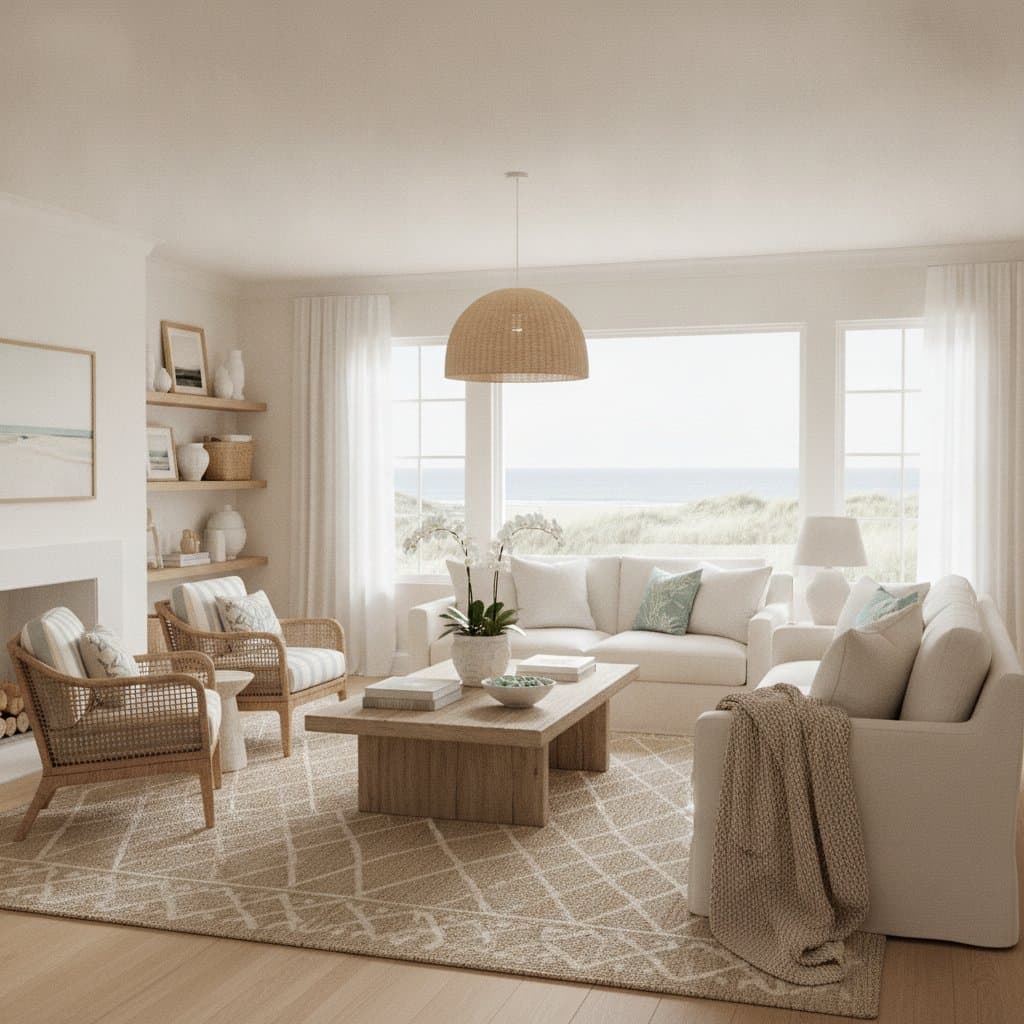
- Hybrid Schemes: Combine jewel tones on wainscoting with pale upper walls for balanced drama.
These approaches introduce color gradually, allowing experimentation without permanent commitment. They suit rental properties or transitional decor phases.
Regional and Environmental Influences
Local conditions shape jewel tone success. In humid climates, opt for mold-resistant paints to safeguard against moisture damage. Coastal homes benefit from salt-resistant formulas that withstand corrosive air.
Sun-drenched areas require UV-protective coatings to preserve pigment integrity. Test for color fastness in direct sunlight to avoid premature dulling.
Permitting varies; large-scale projects in regulated zones may need approvals. Source materials from suppliers familiar with regional codes, and hire licensed professionals for compliance.
Enhancing Value Through Strategic Color
Jewel tones boost home appeal when applied judiciously, signaling thoughtful curation to potential buyers. Accent features like kitchen islands or fireplace surrounds yield high returns on modest efforts.
Resale data indicates that balanced palettes with neutral backdrops broaden marketability. Avoid enveloping entire homes in dark shades; instead, use them to highlight strengths like high ceilings or scenic views. This strategy elevates perceived quality, potentially increasing offers by 5-10% in competitive markets.
Essential Safety Protocols
Prioritize health during jewel tone projects. Maintain ample ventilation with fans and open windows to disperse fumes. Wear protective gear, including gloves and respirators, for sanding or mixing.
Adhere to product guidelines for storage and disposal; recycle unused paint through community programs. Verify older surfaces for lead content before disturbance, consulting experts if necessary.
Steer clear of oil-based options in fire-prone zones; water-based alternatives offer safer, cleaner application. These measures ensure projects proceed without health risks.
Bringing Jewel Tones to Life in Your Home
Embrace jewel tones to redefine your interiors with enduring elegance. Start small with a single wall or accessory to build confidence, then expand as the palette reveals its potential. This trend promises spaces that evolve with you, blending modern flair with lasting comfort.
Consult color experts or sample kits to personalize selections. The result: homes that reflect individuality while welcoming all who enter.