Why Buyers Seek Clay Plaster Walls in 2026
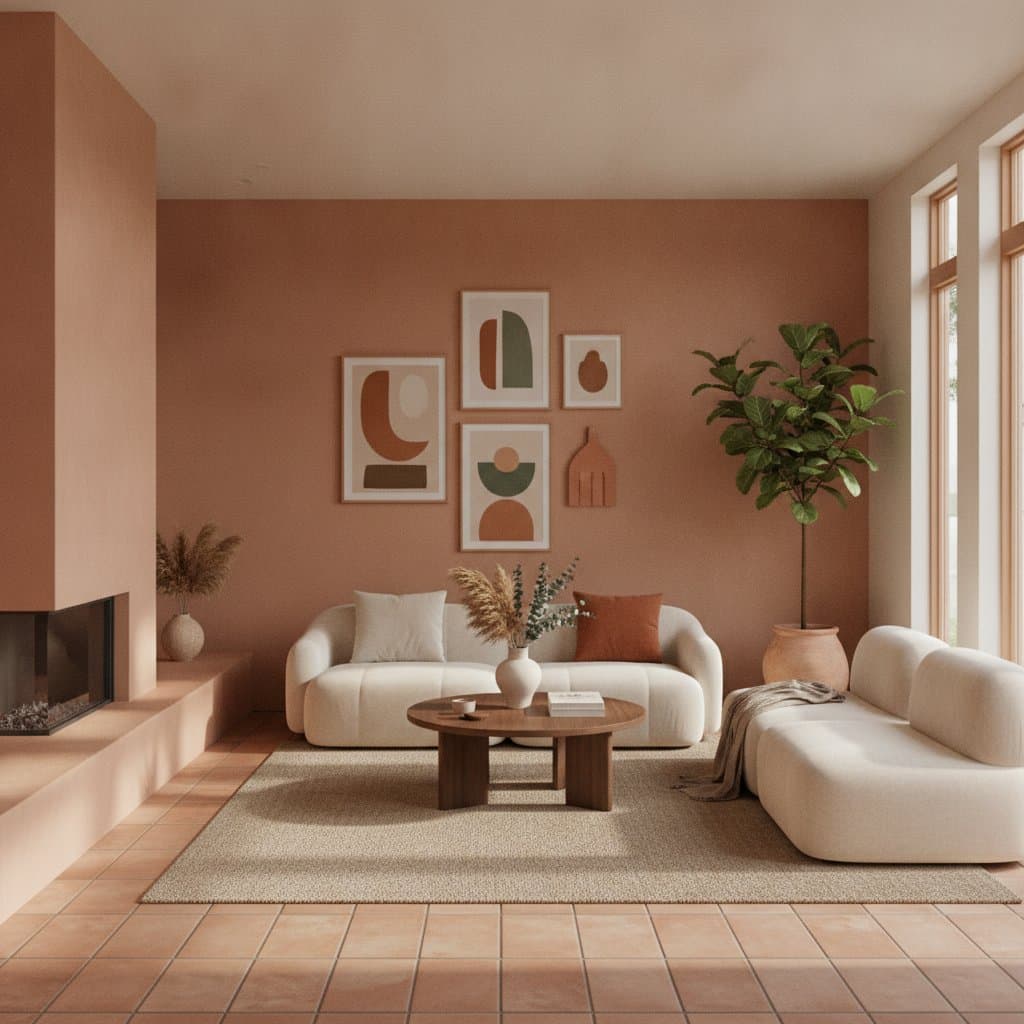
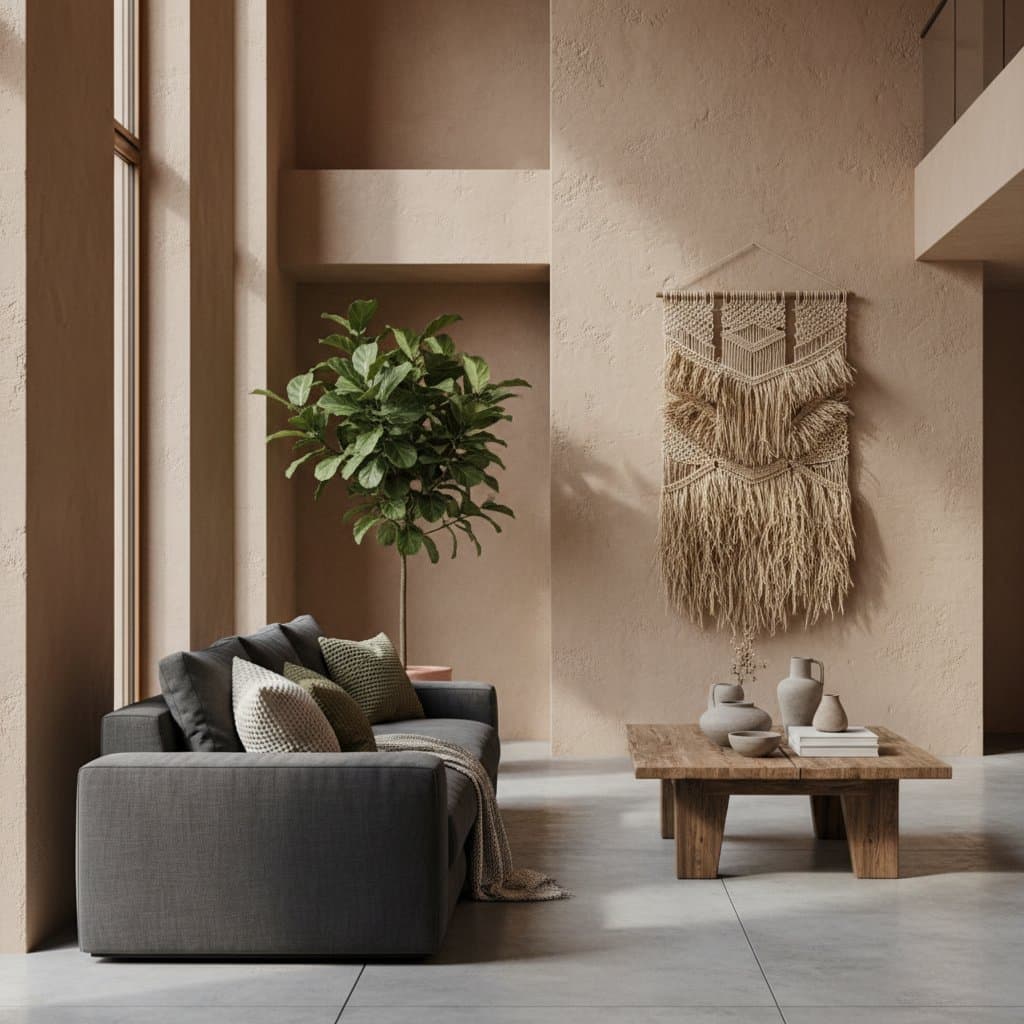
Clay plaster walls capture the attention of 2026 homebuyers due to their unique blend of natural aesthetics and functional advantages. These walls provide a tactile texture, effective humidity regulation, and subtle warmth that standard paint or drywall options fail to replicate. As sustainability becomes a priority, clay plaster emerges as a premium choice for creating serene, healthy living spaces.
Installed cost typically ranges from $6 to $12 per square foot.
Homeowners appreciate how these walls contribute to overall well-being by promoting breathability and reducing indoor pollutants. This section examines the factors influencing costs, installation approaches, maintenance needs, and steps to incorporate clay plaster effectively.
Factors Influencing Costs
Multiple elements determine the overall expense of clay plaster installation. Understanding these components allows buyers to budget accurately and select options that align with their priorities.
- Material Quality: High-purity clay mixtures command prices of $40 to $70 per bag, offering authentic earthy tones and superior performance. Blends incorporating lime or sand reduce expenses but may alter the final color and texture slightly.
- Surface Preparation: Existing surfaces such as aged drywall or previously painted walls often require sanding or application of a bonding primer, which adds $1 to $2 per square foot to the total.
- Labor Expertise: Experienced plasterers bill $3 to $8 per square foot, with rates increasing for intricate decorative effects or irregular surfaces like arches.
- Number of Layers: Application of two coats yields a sleek matte appearance, whereas three layers enhance depth, improve moisture management, and provide greater resilience.
- Additional Features: Incorporation of pigments for custom hues, embedded natural fibers for reinforcement, or eco-friendly sealers increases costs by 10 to 20 percent.
For renovations in older properties, allocate an additional 10 to 15 percent of the budget to address potential repairs or irregularities in the substrate. These investments ensure a flawless result that withstands time.
Comparing DIY and Professional Installation
Deciding between self-installation and hiring experts depends on project scale, skill level, and desired outcome. Each method presents distinct advantages and challenges.
DIY Approach
DIY suits smaller projects, such as accent walls or minor repairs, where experimentation builds confidence. Essential tools include a hawk for holding plaster, a trowel for application, a mixing drill for consistent batches, and ample time to manage coat timing.
Novices should anticipate dedicating two full weekends to a single room. Clay proves forgiving during application, yet inconsistencies from uneven troweling become evident under direct light. Practice on scrap material first to master the technique, and maintain a controlled environment with moderate humidity to facilitate even drying.
Professional Installation
Professionals excel in larger-scale endeavors, like entire rooms or multi-room transformations, where precision matters most. They expertly manage moisture levels, ambient temperature, and drying rates to prevent defects.
Experts also apply advanced finishing methods, such as misting for flexibility or burnishing for enhanced durability. Engage a professional under these conditions:
- Presence of cracks exceeding 1/8 inch in width.
- Evidence of moisture issues near windows, doors, or plumbing.
- Historic plaster requiring restoration instead of full replacement.
Selecting a certified installer guarantees adherence to best practices and minimizes long-term issues.
Long-Term Maintenance and Warranty Expectations
Clay plaster demonstrates remarkable longevity and requires minimal upkeep, aging with elegance over decades. Superficial scratches yield to gentle buffing using a damp sponge and soft cloth.
For deeper imperfections, prepare a small batch of matching plaster to patch the area seamlessly. Steer clear of abrasive or chemical cleaners; opt instead for plain water and mild solutions. Sealed surfaces benefit from reapplication of beeswax or plant-based oils every five to ten years to preserve luster and protection.
When a licensed professional handles the installation, warranties cover workmanship for one to three years. Material failures prove rare with proper application, underscoring the reliability of this choice.
Steps to Integrate Clay Plaster Successfully
Begin integration with a single wall to familiarize yourself with the material's behavior and application rhythm. Prepare by mixing small batches to avoid waste, cleaning tools promptly after use, and monitoring environmental conditions for optimal drying.
Source pigments and sealers well in advance, as supply chains may involve delays. Secure a professional early if timelines are tight, ensuring a predictable completion date. This preparation transforms the process into a rewarding endeavor.
Realizing Everyday Benefits
Clay plaster walls transcend fleeting trends, establishing themselves as enduring elements that foster tranquil, breathable interiors. They deliver daily returns through improved air quality, acoustic comfort, and a harmonious connection to nature. Homeowners who prioritize these qualities find their spaces not only visually compelling but also profoundly supportive of well-being.