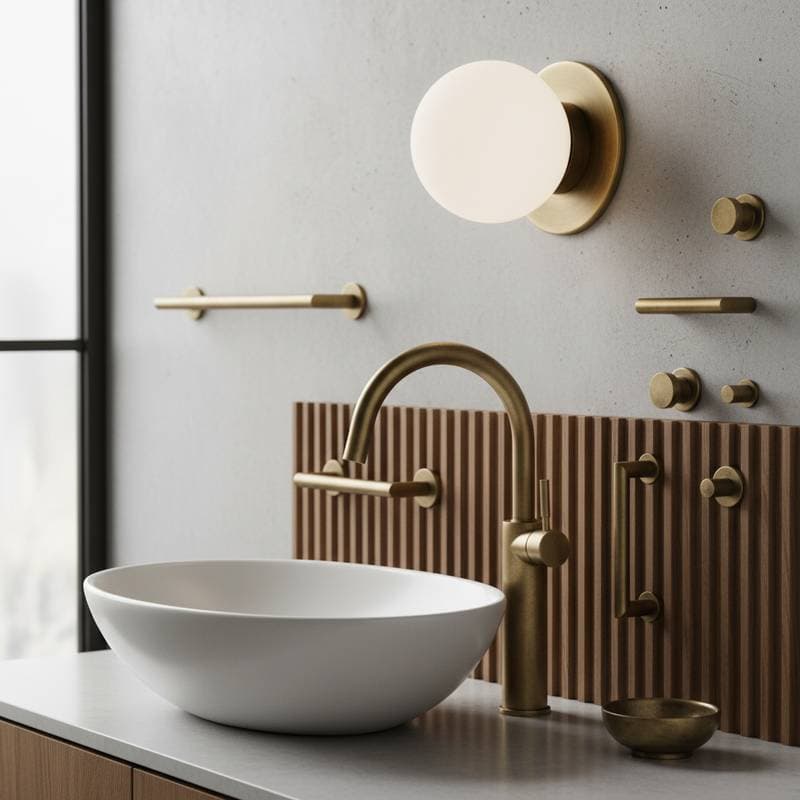
Understanding the Premium Pricing of Aged Brass in 2026
Aged brass stands out in the world of hardware and fixtures due to its unique blend of warmth, depth, and enduring style that surpasses standard finishes. The subtle patina it develops over time conveys a sense of history, which resonates deeply with homeowners seeking authenticity in their spaces. This article examines the factors behind its elevated cost, the reasons for its longevity, and practical guidance for incorporating it effectively.
Factors Contributing to the Higher Cost
Superior Material Composition and Artisanal Finishing
Aged brass derives from solid brass, an alloy of copper and zinc that inherently exceeds the production expenses of alternatives such as aluminum or steel. The aging technique involves deliberate exposure to oxidation, often enhanced through manual processes that demand skilled labor and extended timelines. Artisans typically polish surfaces in multiple phases, applying controlled oxidation to achieve the desired vintage appearance. This hands-on approach not only elevates the price but also infuses each item with distinctive character, setting it apart from mass-produced options.
Aesthetic Warmth and Design Versatility
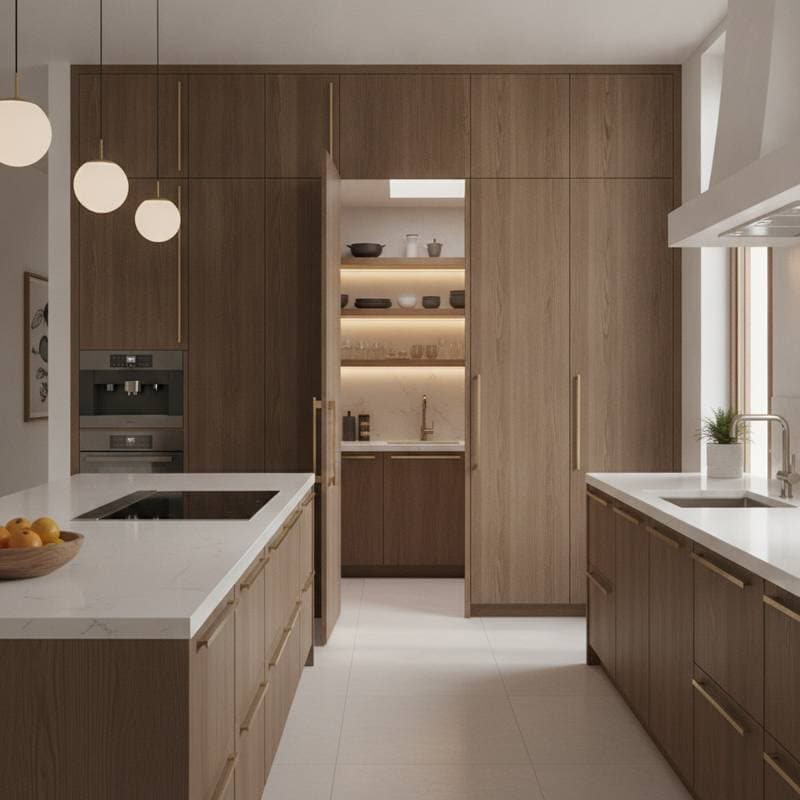
Interior designers frequently select aged brass to introduce a softening element into sleek, modern environments. It complements materials like marble countertops, natural wood accents, and matte black hardware, creating harmonious contrasts. This finish adeptly spans traditional and contemporary designs, making it suitable for diverse room settings from formal dining areas to minimalist kitchens. Homeowners invest in this versatility because it reduces the need for frequent updates as design preferences evolve, offering long-term adaptability.
Enhanced Durability Against Environmental Wear
Unlike thinly plated metals that succumb to corrosion, aged brass features a protective oxidized layer that shields the underlying material. This natural barrier prevents pitting and maintains structural integrity even in challenging conditions. As years pass, the patina deepens to a richer hue rather than fading or deteriorating, which appeals to those prioritizing sustainable choices. The result is a fixture that retains its appeal without constant intervention.
Association with High-End Craftsmanship
The presence of aged brass in door handles, cabinet pulls, or lighting evokes expectations of substantial weight and precise functionality. This association with quality craftsmanship fuels its popularity in luxury renovations and custom-built properties. Buyers perceive it as an indicator of thoughtful design, willing to pay more for pieces that elevate the overall perception of a space.
The Longevity of Aged Brass Finishes
With proper attention, aged brass fixtures endure for decades, as the patina matures gracefully without peeling or chipping. Regular maintenance involves gentle wiping with a soft cloth and a solution of mild soap diluted in water. Harsh chemical cleaners should be avoided, as they risk removing the protective layer and altering the finish.
In humid environments, such as coastal regions, the patina may accelerate toward a darker tone, which some appreciate for added depth. In arid areas, the golden undertones persist longer, preserving a brighter appearance. Light polishing with a microfiber cloth can restore vibrancy if desired, ensuring the finish continues to safeguard the brass core effectively.
Emerging Design Trends Fueling Its Popularity
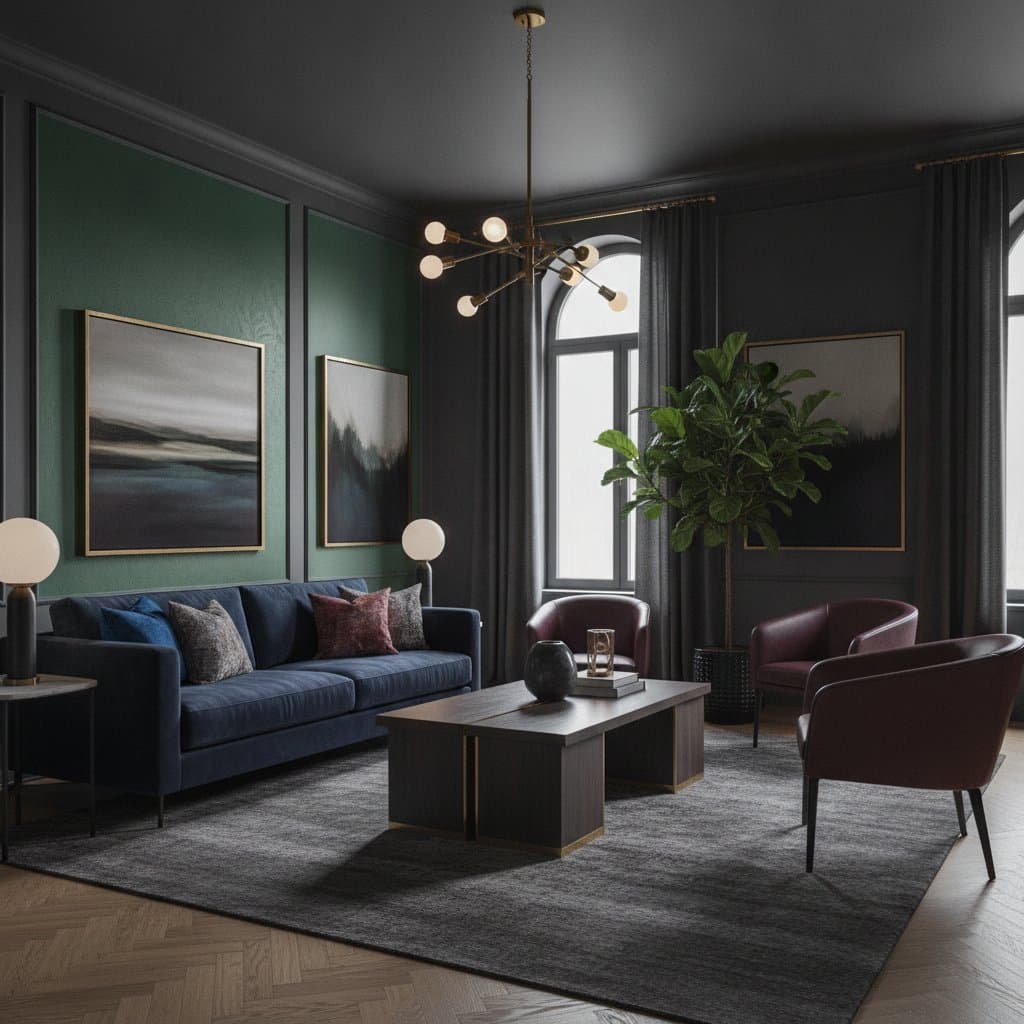
Contemporary interior trends emphasize organic textures and inviting palettes, where aged brass integrates seamlessly. It provides subtle contrast against crisp white walls, enhances the richness of emerald-toned cabinetry, and grounds bathrooms or kitchens with an element of permanence. This shift moves away from the stark dominance of matte black or brushed nickel, favoring finishes that convey luxury through softness.
Designers leverage aged brass to unify disparate metal elements in eclectic interiors, such as combining it with gold accents or wrought iron details. Its ability to layer without clashing makes it indispensable for creating cohesive, personalized environments that feel both current and timeless.
Pros and Cons Overview
| Aspect | Advantages | Disadvantages |
|---|---|---|
| Appearance | Offers warm, enduring elegance that conceals minor wear | Slight color variations may differ from expectations |
| Maintenance | Requires minimal care due to self-protecting patina | Aggressive cleaners can compromise the finish |
| Cost | Delivers strong return on investment through longevity | Involves greater initial expenditure |
| Versatility | Harmonizes across diverse design schemes | Exact matching with other finishes can prove challenging |
Essential Tools and Materials for Installation
Before undertaking any hardware or fixture updates, assemble these items to ensure a smooth process:
- Screwdrivers calibrated to the specific screw heads on aged brass components
- A reliable level to verify alignment during mounting
- Drill equipped with bits sized precisely for the hardware
- Plumber's tape for securing water-related fittings
- Soft, lint-free cloths dedicated to post-installation cleaning
- Mild soap mixed with water for routine surface care
Measure openings and spacing meticulously prior to any drilling, as aged brass pieces often feature bespoke dimensions. Mismatched holes prove difficult to conceal on these premium surfaces.
Considerations for Regional Climates and Regulations
Humidity in coastal zones hastens patina formation, potentially yielding a more pronounced antique effect. Opt for sealed variants if uniformity remains a priority. Conversely, in low-moisture interiors, the finish maintains its lighter, more golden character over extended periods.
Local building codes vary; certain urban areas mandate certified electricians for even non-structural lighting changes. Verify requirements to avoid fines. Door hardware installations seldom require permits, though plumbing updates for faucets or valves often necessitate professional oversight.
Deciding When to Incorporate Aged Brass
Consider upgrading if existing fixtures exhibit flaking, rust, or stylistic datedness that detracts from the room's appeal. Begin modestly with accents such as drawer pulls or towel bars to assess compatibility. Upon confirmation of satisfaction, proceed to larger elements like sink faucets or pendant lights.
During renovations, aged brass introduces an air of sophistication without necessitating structural alterations. It serves as an efficient method to infuse opulence, refreshing spaces through targeted enhancements rather than comprehensive overhauls.
Expert Recommendations for Optimal Results
- Acquire sample pieces from potential suppliers to evaluate subtle shade differences across batches.
- Retain extra components from the original installation set for seamless future repairs.
- Coordinate aged brass with earthy paint colors or timber elements to amplify visual cohesion.
- Refrain from juxtaposing it directly with polished chrome, as the stark disparity may disrupt harmony.
- Promptly remove fingerprints post-installation using a dry cloth to promote even patina development.
Frequently Asked Questions
Does aged brass differ from antique brass?
Aged brass achieves its look through natural oxidation, resulting in varied tones and textures. Antique brass, by contrast, relies on chemical treatments for a more consistent, darkened finish.
Integrating Aged Brass for Lasting Impact
Selecting aged brass represents a strategic investment in both aesthetics and functionality, transforming ordinary spaces into enduring havens of style. By understanding its craftsmanship and care, homeowners unlock the full potential of this versatile material. Whether refreshing a single room or embarking on a full redesign, aged brass promises to deliver warmth and resilience that appreciates over time.