Moody Dark Walls Boost Home Value by 11 Percent by 2026
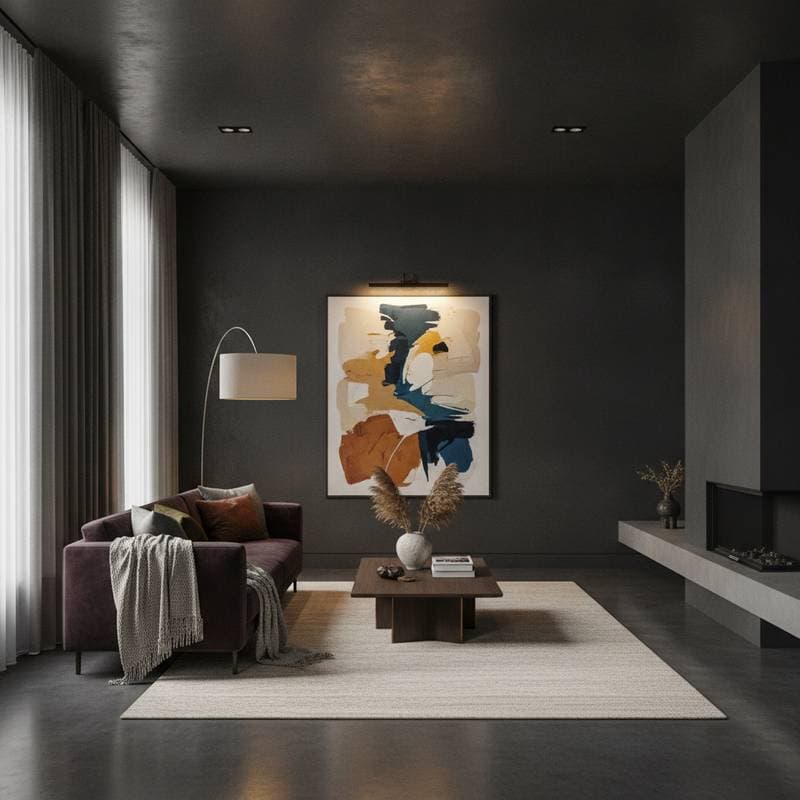
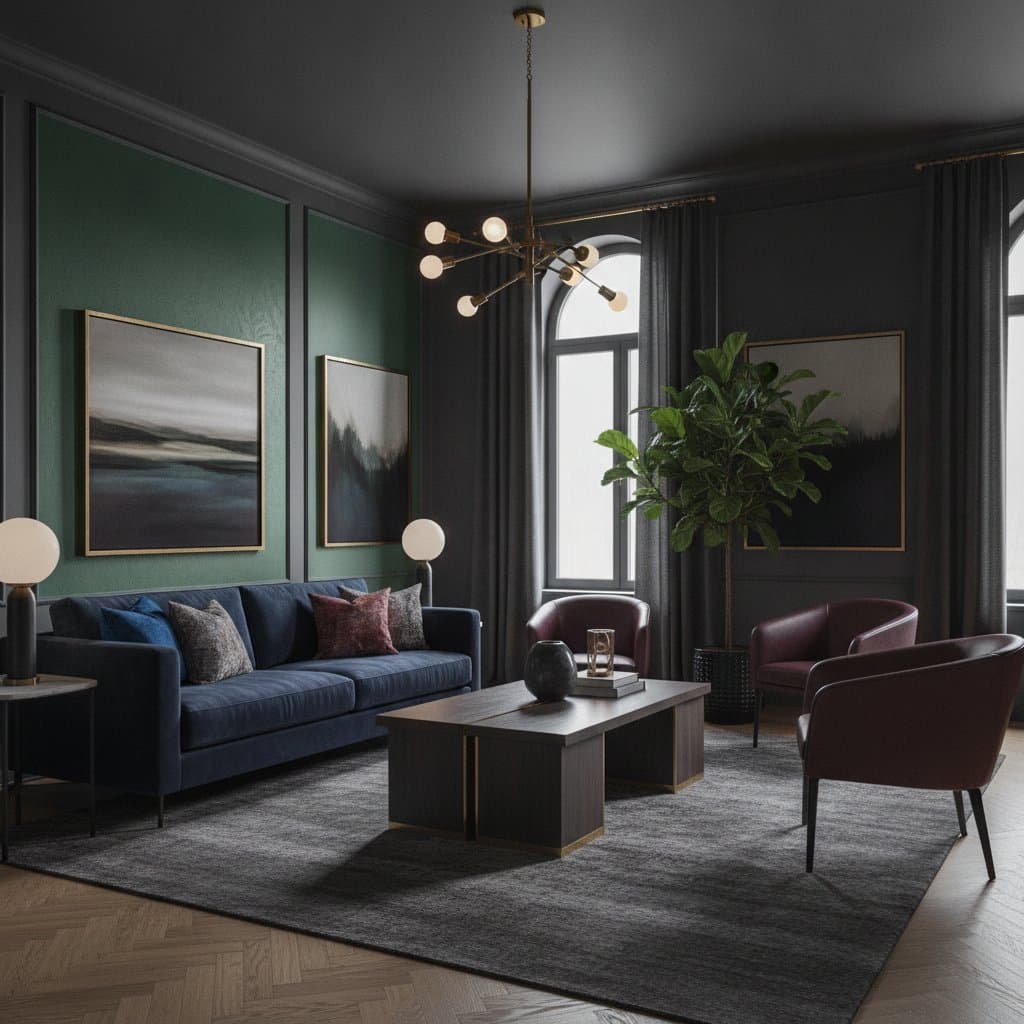
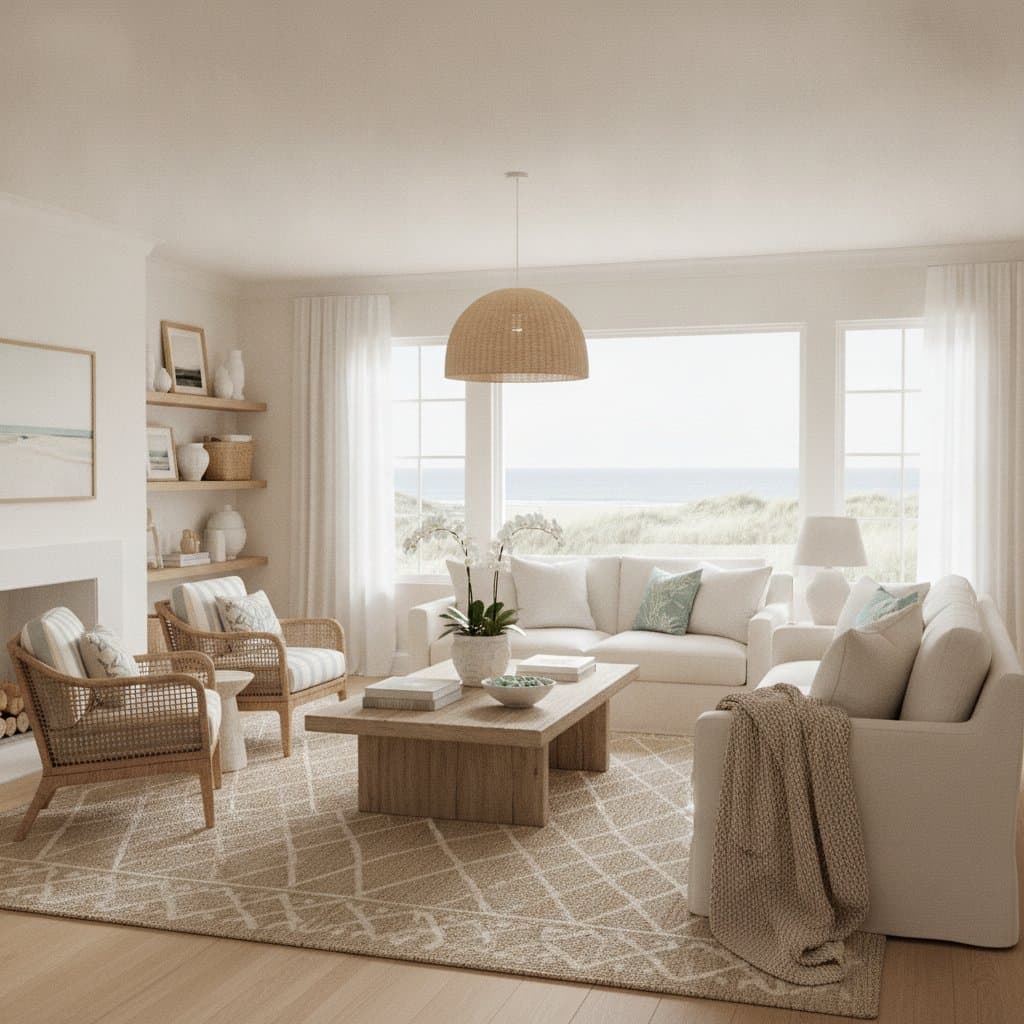
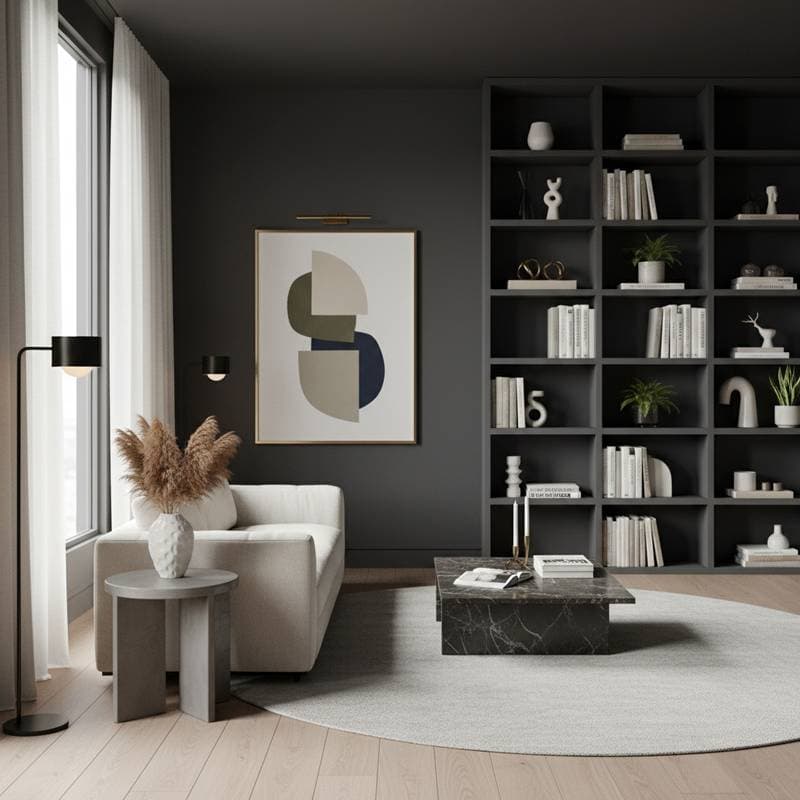
Dark interior paint colors are surging in popularity among homeowners and real estate experts. Deep hues like charcoal, navy, and espresso can elevate resale values by approximately 11 percent over traditional pale neutrals. This trend suits properties seeking enhanced definition, spatial depth, or a contemporary flair. Homeowners aiming to differentiate in competitive markets find these shades particularly effective.
Cost Breakdown
The expense of painting walls in dark colors aligns closely with that of lighter shades, though additional preparation and labor may increase the total slightly. Professionals recommend budgeting based on room specifics and material choices.
National Average Range: $2.50 to $5.50 per square foot
Standard Project Range: $3.00 to $4.50 per square foot
Premium or Complex Jobs: $6.00 to $8.00 per square foot for high-end finishes or custom formulations
Key Cost Influences:
- Quality of paint and selected finish
- Condition of existing surfaces and necessity for primer
- Height of ceilings and overall room dimensions
- Regional labor rates
- Required coats to achieve uniform opacity
To minimize expenses, select mid-range paints with good coverage and assess surface readiness in advance. Consulting multiple contractors provides a clearer picture of local pricing variations.
Advantages and Drawbacks
Advantages
- Enhances resale attractiveness through a bold, trend-aligned aesthetic
- Highlights architectural trim, artwork, and furnishings for greater visual impact
- Conceals minor imperfections more effectively than lighter paints
- Infuses larger spaces with warmth and a sense of coziness
Drawbacks
- Demands thorough preparation and precise edging techniques
- May diminish perceived space in smaller rooms
- Reveals dust, fingerprints, and marks more prominently
- Poses challenges for future repainting, particularly for buyers preferring neutral tones
Balancing these factors involves evaluating room size, lighting conditions, and long-term plans. Testing samples helps predict real-world performance.
Finish Options
Selecting the appropriate finish ensures durability and aesthetic harmony. Each type offers distinct properties suited to specific areas.
Matte Finish
Delivers a velvety appearance that masks surface flaws, making it ideal for serene spaces like bedrooms and living areas. Maintenance requires soft, non-abrasive cleaning methods to preserve the subtle texture.
Eggshell Finish
Provides a gentle sheen that combines resilience with a soft glow, suitable for high-traffic zones such as dining rooms and corridors. This option withstands moderate wear while maintaining an elegant subtlety.
Satin Finish
Offers enhanced washability for practical environments like kitchens and bathrooms. The subtle light reflection adds vibrancy without overwhelming the space.
High-Gloss Finish
Creates a luminous, robust surface often reserved for accent walls or trim details. Note that it accentuates any irregularities, so flawless preparation is essential.
Textured Paint
Introduces dimensional interest and sensory appeal, perfect for focal points like fireplace surrounds or entryway features. Application techniques vary, often requiring specialized tools for even distribution.
Consider lifestyle needs when choosing; for instance, families with children might prioritize satin for its forgiving nature.
DIY Approach Versus Professional Service
Applying dark paint ranks as a moderately challenging endeavor, typically spanning one to two days for preparation and two coats in a standard 12-by-14-foot room. Essential tools encompass quality rollers, angled brushes, painter's tape, protective drop cloths, and a reliable primer.
Individuals with steady hands and even walls can manage DIY projects successfully. However, engage professionals for high ceilings, extensive surface repairs, or advanced finishes. Dark shades amplify inconsistencies, underscoring the importance of expert technique for seamless results.
Pros often bring specialized equipment, such as extendable poles and airless sprayers, which streamline the process and reduce errors.
Essential Application Steps
Follow these structured steps to achieve professional-grade outcomes.
- Relocate furniture and protect flooring with drop cloths or plastic sheeting.
- Thoroughly clean walls to remove dust and grease; patch minor holes with spackle and sand smooth.
- Apply a tinted primer suited to dark topcoats to prevent bleed-through and ensure even absorption.
- Use a fine brush to cut in edges around ceilings, baseboards, and corners.
- Roll the initial coat in systematic W- or M-patterns across manageable sections.
- Allow complete drying as per manufacturer guidelines before the second coat.
- Evaluate coverage under both natural daylight and indoor lighting.
- Address any overlooked areas with targeted touch-ups.
- Carefully remove tape at a 45-degree angle and clean all tools promptly; return furnishings once fully cured.
Image suggestion: A professional painter applying deep navy paint to a spacious living room wall, showcasing even coverage and crisp edges.
Patience during drying intervals prevents smudges and promotes longevity.
Upkeep and Durability
Well-maintained dark walls endure 7 to 10 years, influenced by foot traffic and sunlight exposure. Address scuffs promptly using a damp microfiber cloth and mild soap solution. Steer clear of abrasive cleaners that could compromise the finish's integrity.
Matte and eggshell varieties may necessitate more frequent spot treatments in busy areas. Opt for paints from reputable brands offering limited warranties against issues like fading or peeling, providing peace of mind for investments.
Regular inspections help extend lifespan; for example, annual deep cleans in low-light rooms preserve vibrancy.
Complementary Alternatives
If full dark walls seem daunting, explore these options for similar effects.
- Mid-Tone Neutrals: Offer broad appeal for resale while providing subtle drama, easier to maintain than deep shades.
- Wallpaper: Introduces intricate patterns and textures, though removal can prove labor-intensive.
- Accent Ceilings: Delivers a striking inversion of color without overwhelming wall spaces.
- Wood Paneling: Imparts natural warmth and sophistication, requiring periodic sealing to prevent wear.
Each alternative adjusts the intensity level, allowing customization based on budget and style preferences.
Regional Considerations
Environmental factors significantly impact paint selection and application. In humid climates, prioritize formulas with built-in mildew resistance to safeguard against moisture damage. Arid or elevated locations demand extended drying periods to avoid cracking.
Urban settings often embrace dark, urban-inspired palettes, whereas suburban preferences lean toward softer, versatile tones. Expect labor costs in metropolitan areas to inflate project totals by 20 to 30 percent. Compliance with local regulations on ventilation, waste disposal, and eco-friendly materials is crucial.
Researching area-specific trends through real estate listings refines choices for maximum appeal.
Investment Return and Market Impact
Market analyses indicate that properties featuring thoughtfully applied dark interiors surpass equivalents with bland white walls in buyer engagement. The dramatic contrast excels in photography, drawing more online views and showings.
Anticipate an 8 to 11 percent value uplift when colors harmonize with the home's architecture and illumination. Spaces abundant in natural light accommodate dark walls optimally, especially when offset by bright trim and floors.
Strategic application in key rooms like living areas amplifies perceived luxury without overcommitting.
Safety Guidelines
Ensure ample ventilation by opening windows and using fans during application to disperse fumes. Select low-VOC or zero-VOC paints to promote healthier indoor environments. Equip yourself with safety glasses, gloves, and respirators as needed.
Keep solvents and thinners away from ignition sources to mitigate fire risks. Adhere to community guidelines for disposing of residues, particularly oil-based variants, through designated hazardous waste facilities.
Prioritizing these measures protects health and complies with standards.
Implementing Your Vision
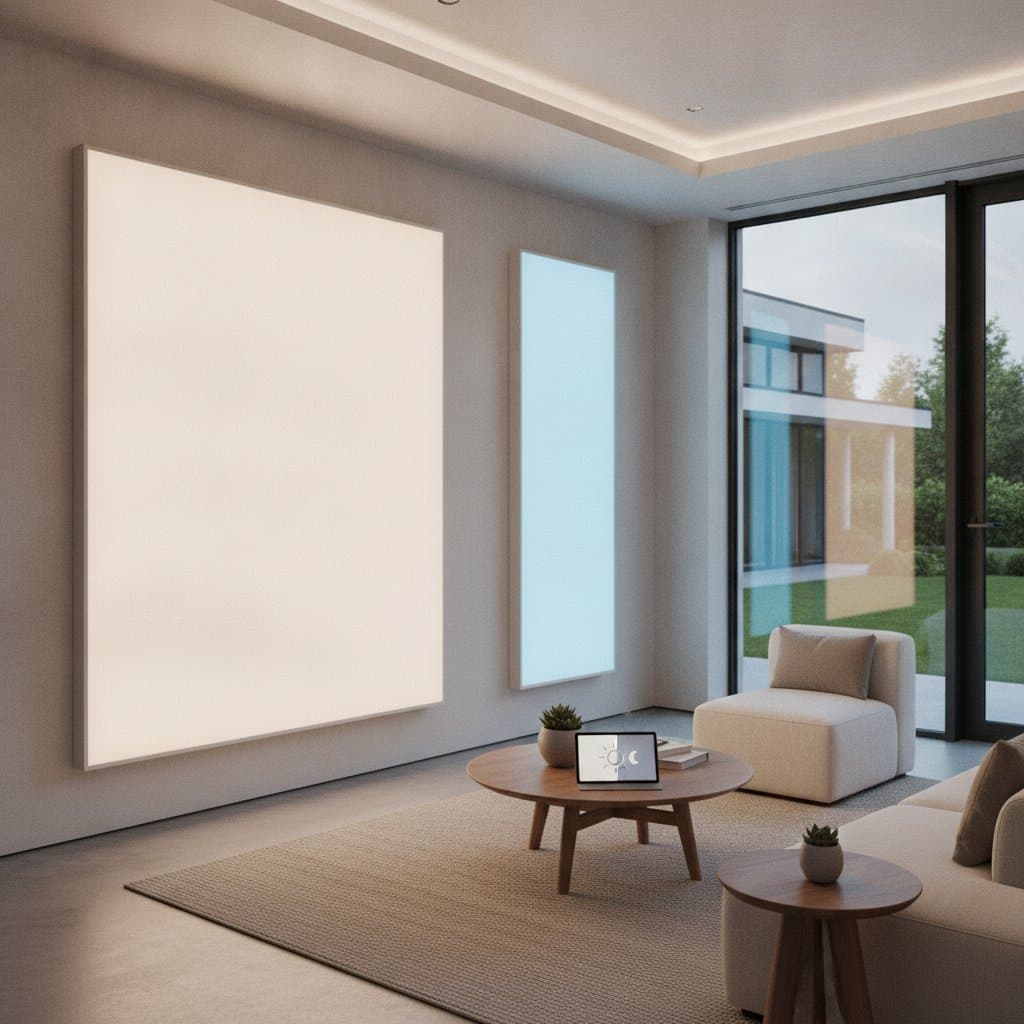
Begin conservatively by painting a single accent wall to gauge the overall effect. Apply sample swatches under varying lighting conditions throughout the day and evening. Align finish selection with daily routines; for example, choose washable options for high-use zones.
Dark palettes possess the power to redefine atmospheres and elevate property worth, yet execution precision is paramount. Solicit estimates from at least three certified painters, scrutinizing their preparation protocols, product recommendations, and guarantee terms. Through deliberate planning, moody dark walls deliver enduring ambiance and tangible financial benefits to your residence.