- Professional Expertise: Engage licensed contractors for tasks involving load-bearing walls, electrical circuits, or refrigerant handling. Their certifications ensure work meets industry standards and includes proper warranties.
Regular site inspections during construction verify that safety measures remain in place, providing peace of mind for homeowners.
Project Timeline and Cost-Saving Strategies
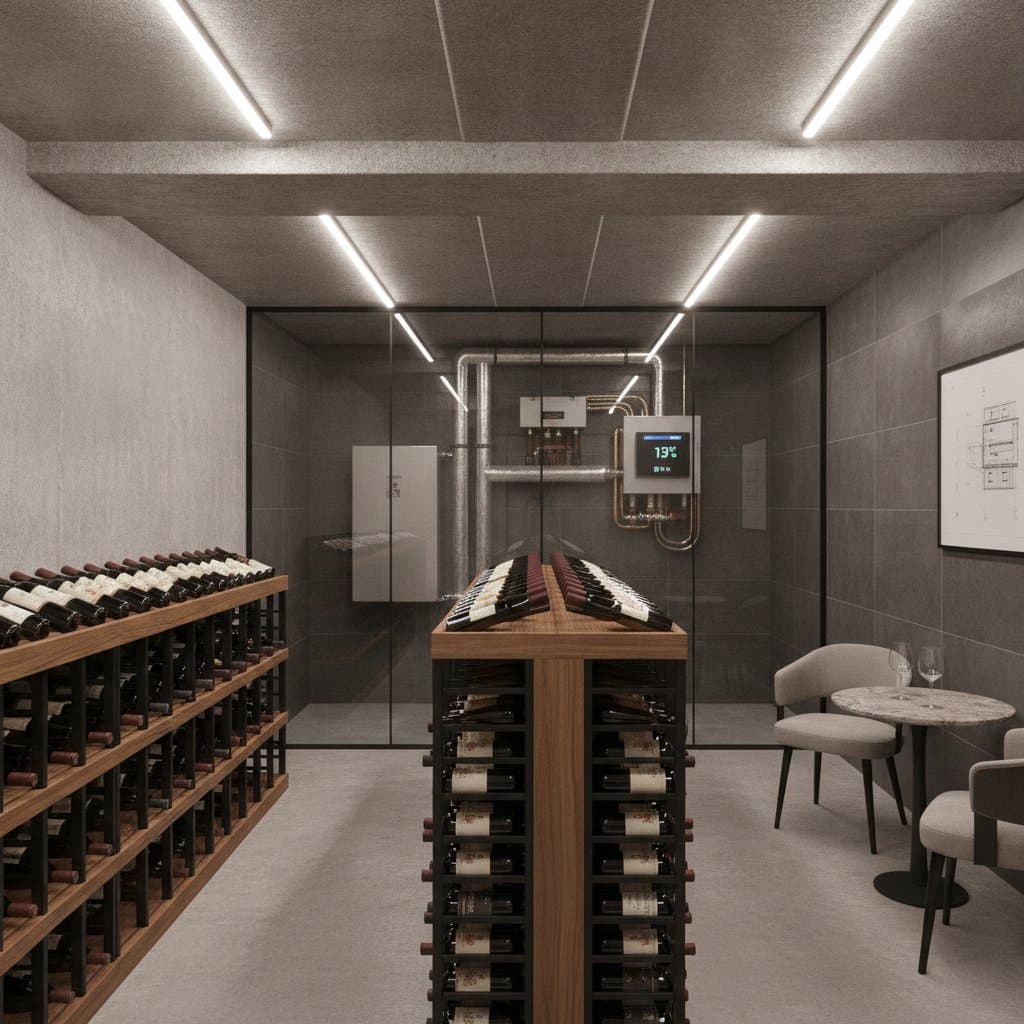
Hidden wine cellars demand meticulous planning, with timelines spanning 4 to 10 weeks from initial design to completion. Factors like material sourcing and weather can influence progress.
-
Design and Permitting Phase: Allocate 1 to 2 weeks for blueprints and regulatory approvals, varying by local jurisdiction. Detailed plans help streamline this step.
-
Construction Period: Dedicate 3 to 8 weeks to excavation, framing, and installations, adjusted for project complexity. Custom elements like racking and doors may extend this phase due to fabrication delays.
Potential setbacks include backorders for cooling units or pauses in excavation after heavy rain. Schedule work during drier months to minimize interruptions.
To optimize expenses without sacrificing quality:
-
Repurpose Existing Space: Convert a basement nook instead of excavating new areas, potentially saving $10,000 or more.
-
Select Efficient Cooling: Choose through-wall units over complex ducted systems for simpler installation and lower upfront costs.
-
Material Alternatives: Opt for composite racking in place of premium hardwoods to reduce expenses while maintaining durability.
-
Bundle Upgrades: Combine the cellar with broader basement renovations to distribute labor fees across multiple tasks.
Explore energy rebates for high-efficiency cooling and LED systems through local utility programs. These incentives can offset 5 to 10 percent of costs in eligible areas.
The Value of Concealment in Real Estate
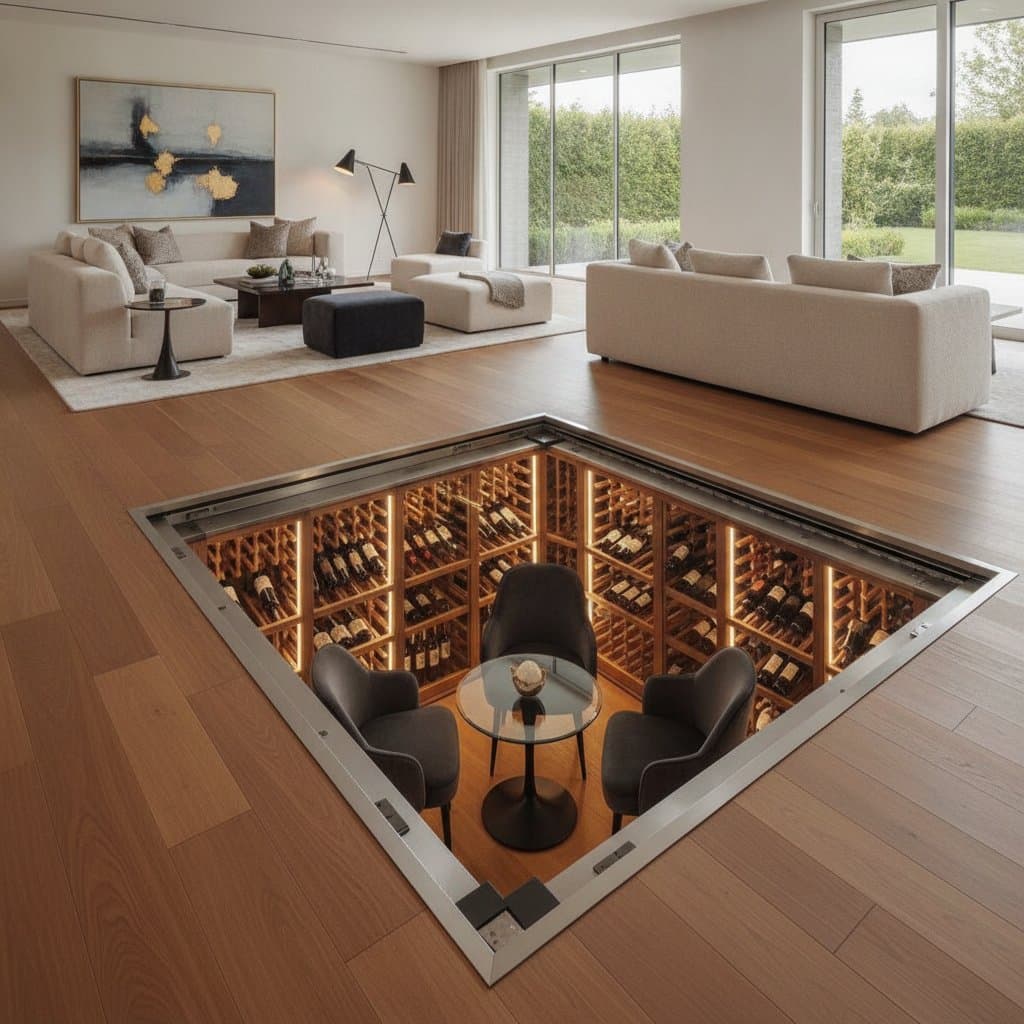
In today's market, buyers seek homes that offer both style and substance. While visible wine rooms impress with immediate flair, a hidden cellar conveys superior craftsmanship and discretion.
The concealed design shields collections from light, vibrations, and theft, enhancing preservation. This exclusive feature appeals to discerning buyers, often resulting in quicker sales and premiums of 10 to 15 percent over comparable properties.
Appraisers value the added finished square footage and specialized climate control, which elevate the home's overall rating. In luxury segments, real estate agents note that such amenities create emotional connections, making listings memorable.
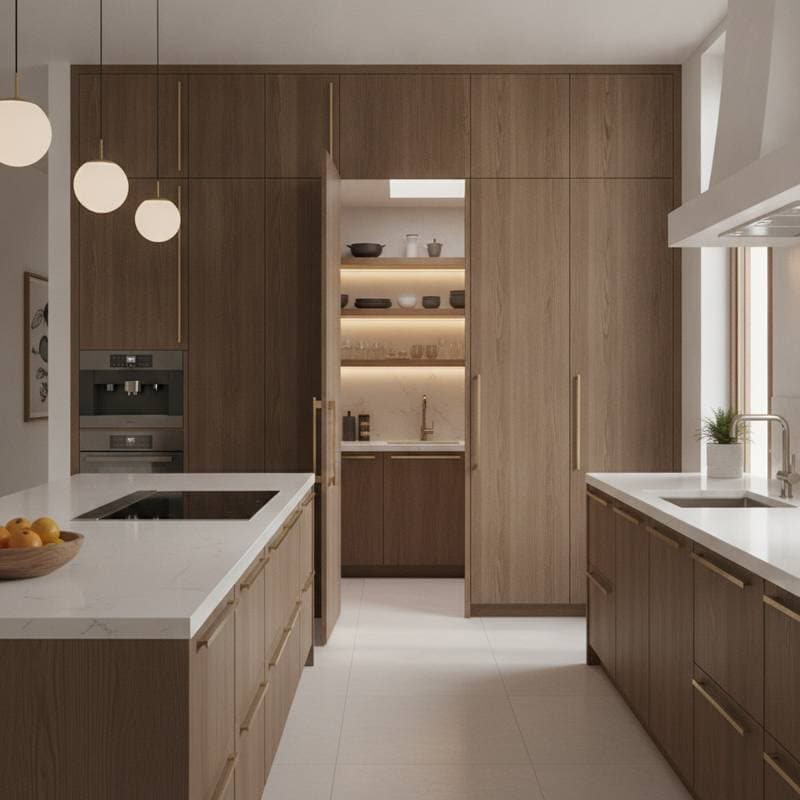
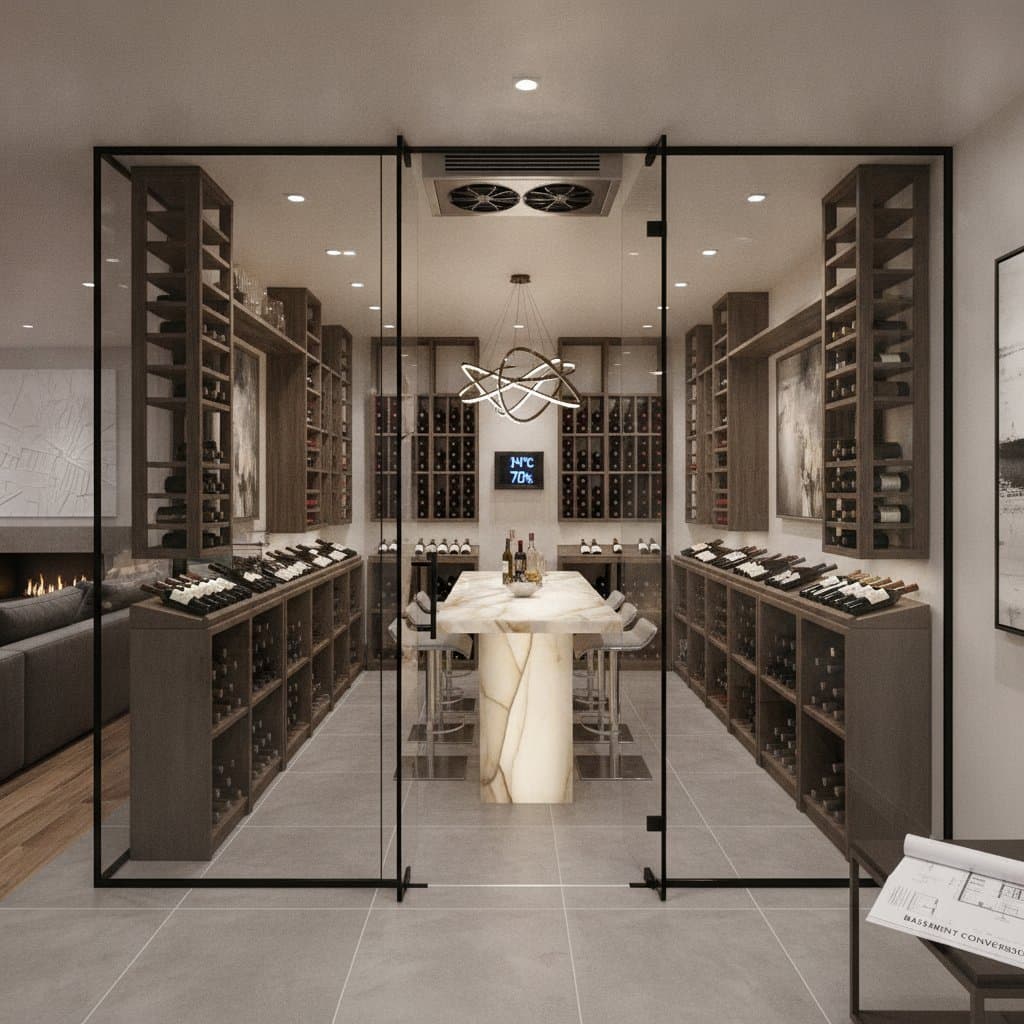
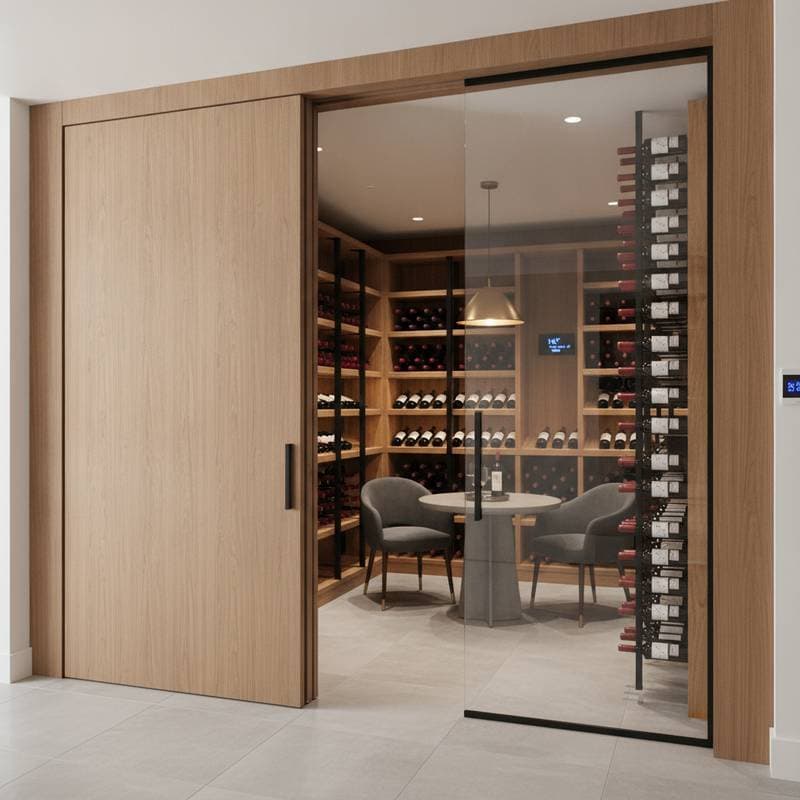
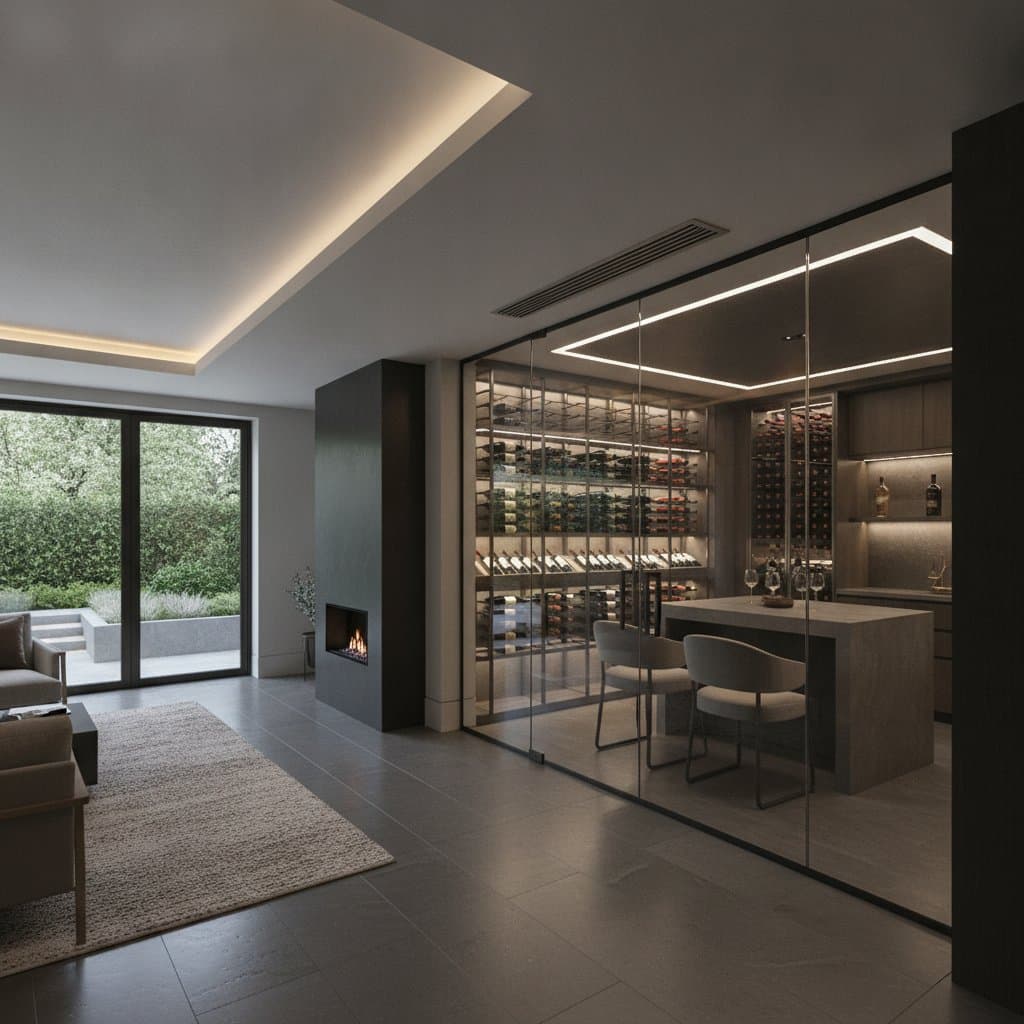
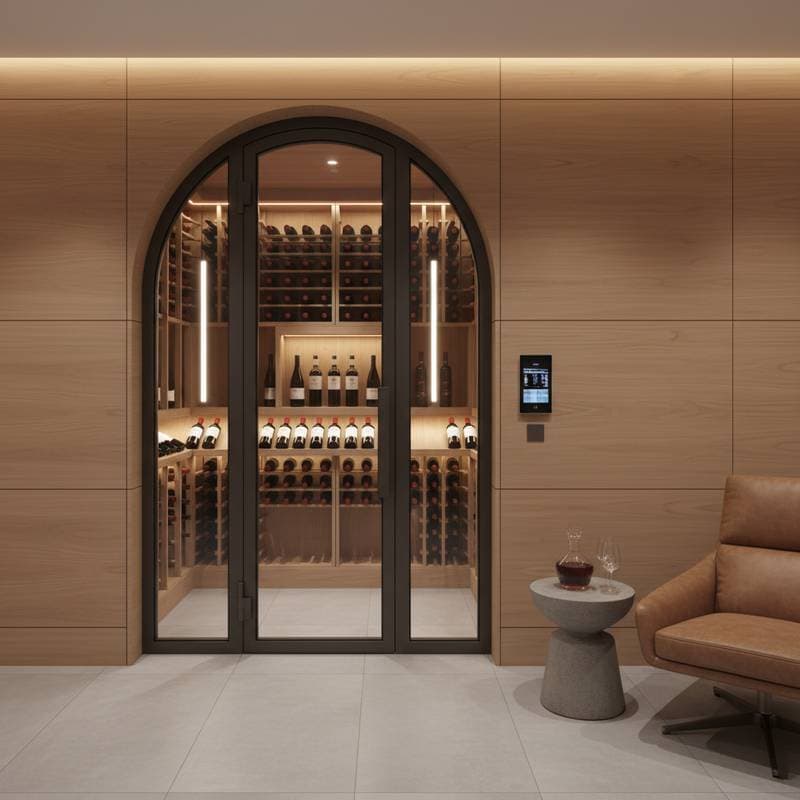
Furthermore, integration preserves aesthetic harmony. Access points disguised as cabinetry or panels keep kitchens and dining spaces streamlined, ensuring the cellar enhances rather than overwhelms the home's flow.
Steps to Build Your Hidden Wine Cellar
Embark on this project with a structured approach to achieve professional results.
-
Evaluate Your Space: Measure available basement or crawlspace dimensions, including height and width. Inspect for moisture issues or ceiling constraints that might require adjustments.
-
Establish a Budget: Begin with $25,000 for a basic setup, then add a 15 to 25 percent contingency for unforeseen challenges, particularly in older properties.
-
Consult a Designer: Work with a specialist in wine storage to determine optimal cooling capacity and humidity controls tailored to your collection size.
-
Obtain Multiple Quotes: Solicit bids from at least three experienced contractors. Review their portfolios, client references, and warranty offerings.
-
Schedule Strategically: Time excavation and electrical tasks for the dry season to avoid weather-related delays.
-
Monitor Installation: Conduct checks on insulation, seals, and cooling systems prior to applying final finishes.
-
Maintain Diligently: After completion, regularly check humidity levels and replace filters to sustain optimal conditions.
Realize Lasting Benefits
A well-executed hidden wine cellar serves as a cherished lifestyle enhancement and a strategic financial asset. It safeguards your investments, improves energy efficiency, and distinguishes your property in the marketplace. With thoughtful planning, this addition delivers enduring enjoyment and substantial returns upon resale.