Understanding Wet Rooms
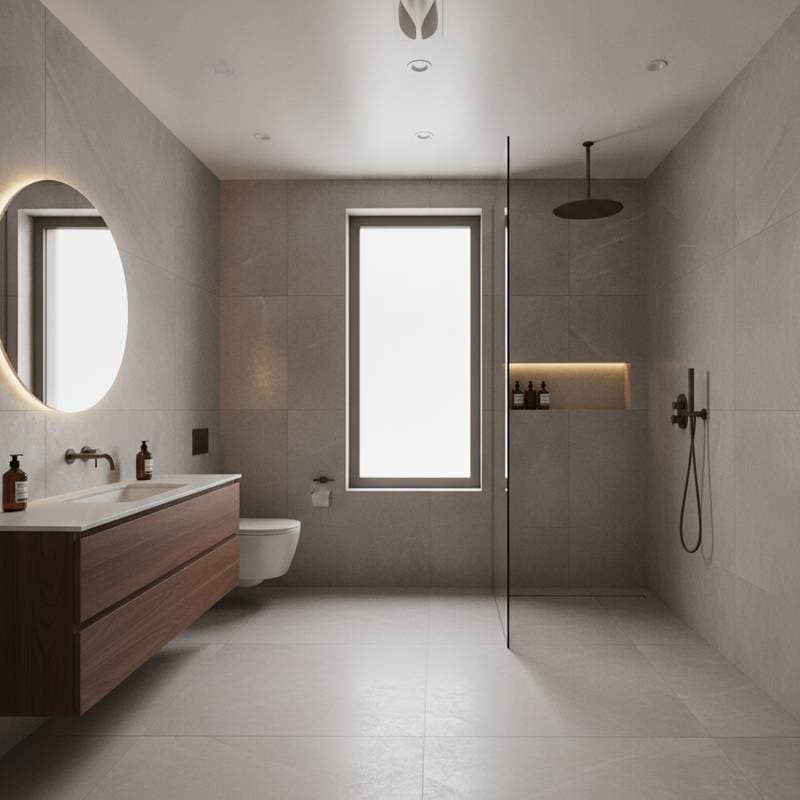
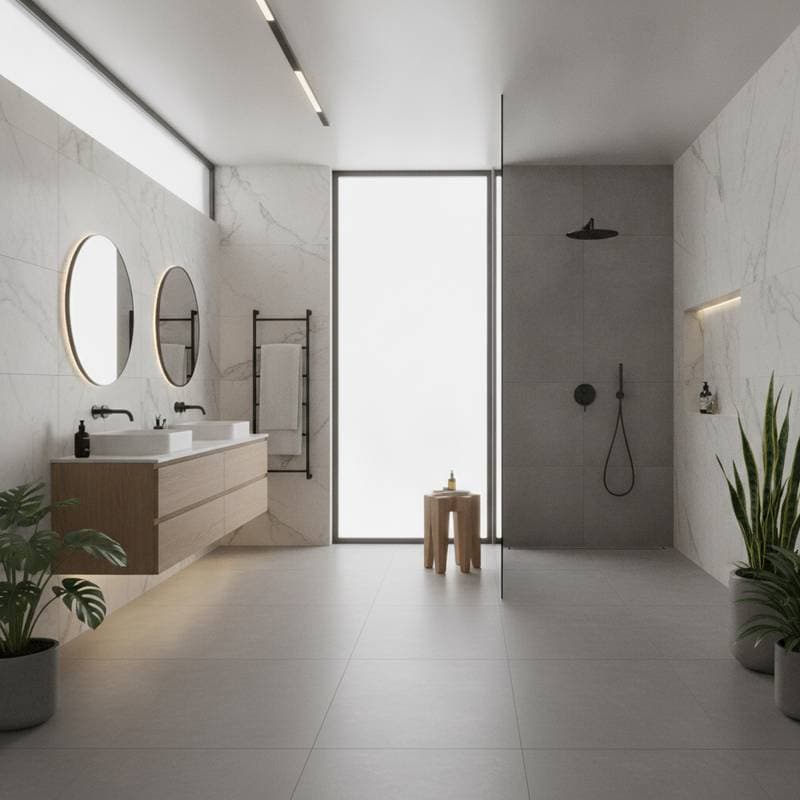
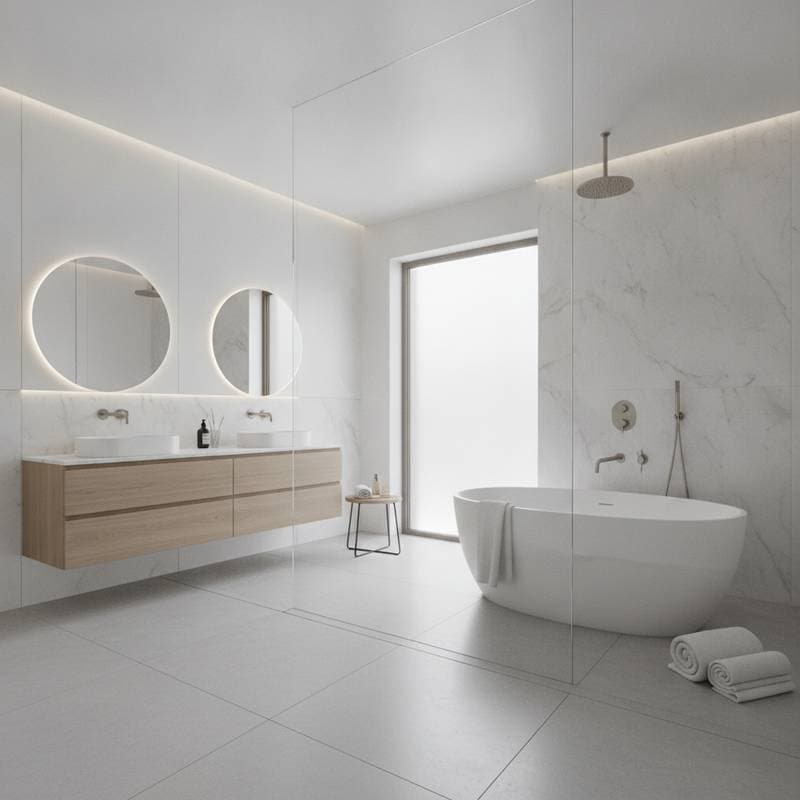
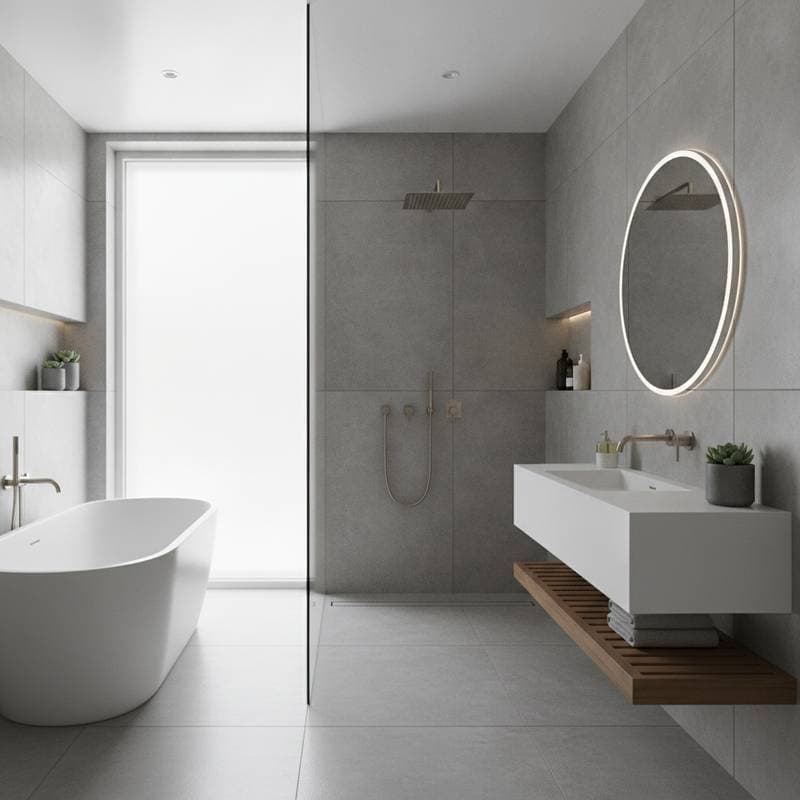
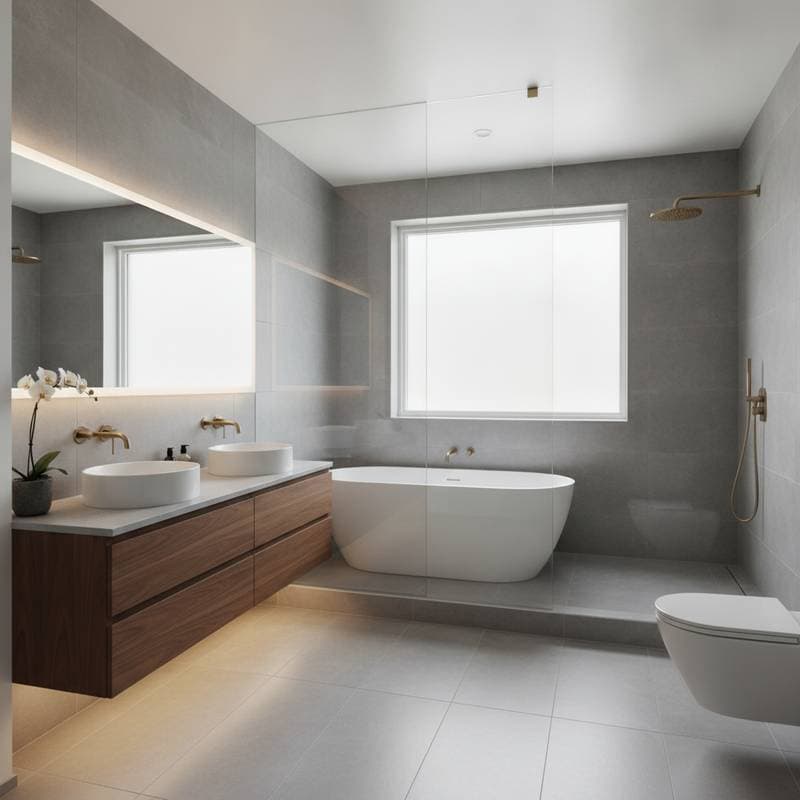
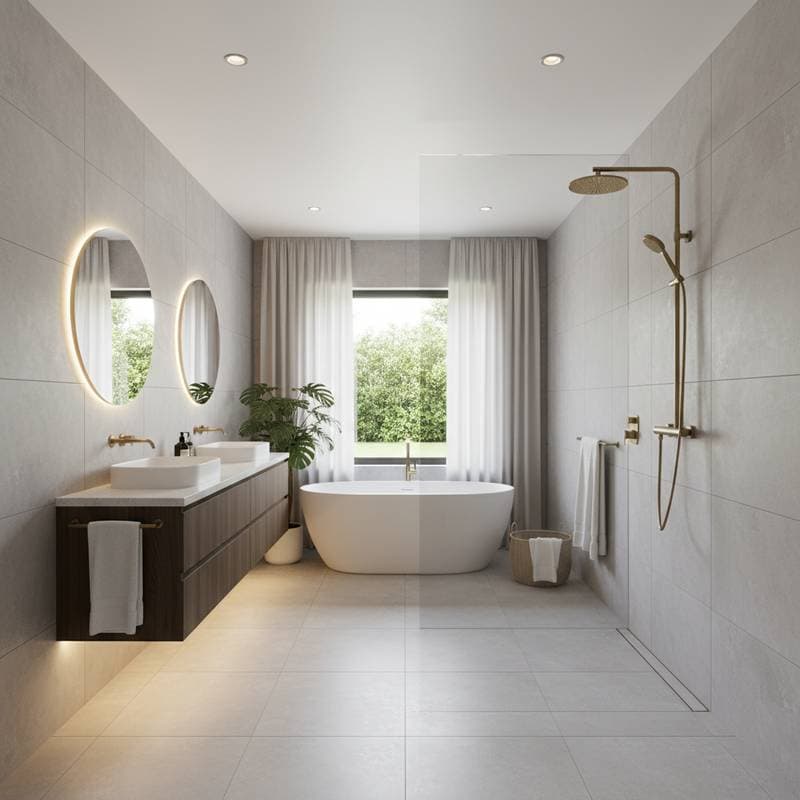
A wet room represents a fully waterproof bathroom space where the shower area integrates seamlessly with the rest of the room. Unlike traditional setups with shower trays or curbs, wet rooms feature level flooring that allows water to flow freely toward a central drain. This design eliminates barriers, creating an open and accessible environment suitable for various lifestyles.
Homeowners increasingly choose wet rooms for their modern aesthetic and practical advantages. The concept originated in Scandinavian countries, emphasizing minimalism and functionality. In contemporary homes, these spaces enhance both daily use and overall property appeal.
The Projected Value Increase
Experts predict that installing a wet room could elevate home value by up to 15 percent by 2026. This projection stems from rising demand for accessible, low-maintenance bathrooms amid an aging population and shifting real estate trends. Properties with such features attract broader buyer interest, including families and individuals with mobility needs.
Market analyses indicate that bathrooms significantly influence resale prices. A well-executed wet room signals thoughtful updates and forward-thinking design. Real estate professionals note that buyers prioritize seamless, barrier-free spaces that promise durability and ease of maintenance.
Core Benefits of Wet Room Conversion
Wet rooms offer universal design principles, making them inclusive for all users. The absence of steps reduces fall risks, benefiting elderly residents or those with disabilities. This adaptability extends to everyday convenience, as cleaning becomes simpler without grout lines or enclosures to scrub.
From an aesthetic perspective, wet rooms provide a spa-like atmosphere. Large-format tiles and glass screens create an illusion of spaciousness, even in compact areas. The waterproof nature ensures longevity, resisting mold and water damage that plague conventional bathrooms.
Energy efficiency improves with proper insulation in wet room constructions. Heated flooring options maintain comfort without excessive heating costs. Overall, these elements contribute to a premium living experience that justifies the investment.
Planning Your Wet Room Design
Begin the design process by assessing your bathroom's layout and plumbing. Ensure the space measures at least 8 by 10 feet for optimal flow, though smaller adaptations work with careful planning. Consult a professional to evaluate structural integrity, as waterproofing requires precise application.
Select materials that balance style and performance. Porcelain or stone tiles withstand constant moisture, while anti-slip surfaces enhance safety. Incorporate features like recessed shelving or built-in benches to maximize utility without cluttering the area.
Lighting plays a crucial role in wet room ambiance. Install dimmable LED fixtures for versatility, from morning routines to evening relaxation. Ventilation systems, such as exhaust fans, prevent humidity buildup and preserve air quality.
Essential Installation Steps
- Remove existing fixtures and prepare the subfloor for waterproofing.
- Apply a membrane or tanking system to walls and floor, creating a watertight seal.
- Install the drainage system, positioning the linear drain strategically for even water dispersal.
- Lay tiles and fit fixtures, ensuring all connections seal properly.
- Test for leaks and allow curing time before full use.
Cost Breakdown and Budgeting
Conversion costs range from $10,000 to $25,000, depending on size and materials. Basic setups with standard tiles and fixtures fall toward the lower end, while luxury additions like rain showers or smart controls increase expenses. Labor accounts for 40 to 60 percent of the total, highlighting the need for skilled contractors.
Factor in potential savings from avoided future repairs. Durable installations minimize leaks and mold remediation, which can cost thousands over time. Financing options, such as home equity loans, make the project accessible without straining immediate budgets.
Regional variations affect pricing; urban areas command higher rates due to labor demands. Obtain multiple quotes to compare value, focusing on warranties that cover waterproofing for at least 10 years.
Timeline for a Smooth Project
Most wet room conversions complete within 4 to 6 weeks, including planning and execution. Initial consultations and permits take 1 to 2 weeks, followed by demolition and installation phases of 2 to 4 weeks. Delays may occur with custom orders or unforeseen plumbing issues.
Schedule during off-peak seasons to secure better contractor availability. Coordinate with other home projects to streamline workflows and reduce disruption. Clear communication with your team ensures adherence to timelines and quality standards.
Tips from Industry Experts
Choose contractors certified in wet room installations to avoid common pitfalls like inadequate sealing. Verify their experience with similar projects through portfolios or references. Insist on detailed contracts outlining materials, timelines, and guarantees.
Incorporate sustainable elements, such as low-flow fixtures, to appeal to eco-conscious buyers. Neutral color palettes enhance versatility, allowing future personalization. Regular maintenance, including annual sealant checks, preserves the investment's value.
Test design mockups using software to visualize outcomes before committing. Balance trends with timeless elements to ensure the space remains desirable beyond 2026.
Realizing Long-Term Returns
A thoughtfully designed wet room not only boosts immediate home value but also enriches daily life with luxury and convenience. Homeowners report higher satisfaction from the seamless integration and effortless upkeep. As market preferences evolve toward accessible features, this upgrade positions your property for sustained appreciation.
Consider the broader impact on lifestyle; wet rooms facilitate aging in place, reducing the need for costly relocations later. The combination of aesthetic appeal, functionality, and ROI makes this transformation a worthwhile endeavor. Embrace the change to create a bathroom that serves you well for years to come.