Introduction to Smart Windows
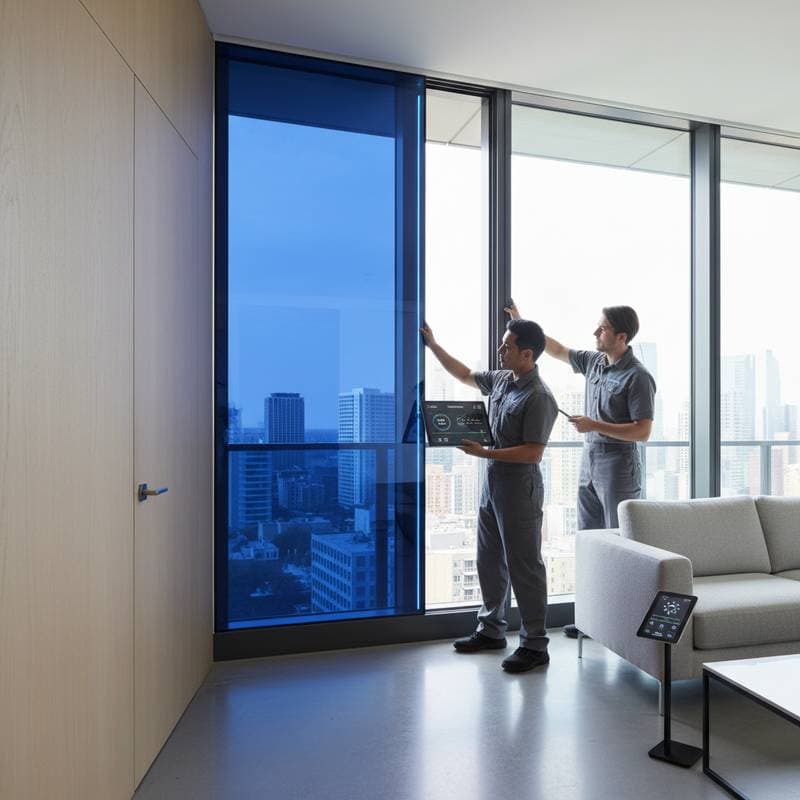
Smart windows represent a significant advancement in home efficiency technology. These windows incorporate electrochromic glass that changes tint in response to electrical signals or sunlight exposure. The result is optimized control over light and heat entry, which directly impacts energy consumption.
Homeowners often overlook windows as a source of energy loss. Traditional glass allows up to 30 percent of a home's heating or cooling to escape. Smart windows address this issue by dynamically adjusting transparency, thereby maintaining comfortable indoor temperatures with less reliance on HVAC systems. Studies indicate potential savings of 10 to 15 percent on annual energy bills, depending on climate and window placement.
Beyond cost reduction, these windows enhance daily living. They minimize glare for better visibility on digital screens and protect interior furnishings from ultraviolet damage. Privacy improves without the need for additional coverings, creating a seamless aesthetic in modern homes.
Installation Considerations
Installing smart windows requires careful planning to maximize benefits and avoid complications. Professional assessment ensures compatibility with existing structures. Factors such as window size, orientation, and integration with home systems influence the overall project scope.
DIY Installation
DIY approaches suit limited projects but carry inherent risks.
- Risks: Potential for cracked panes during handling, voided manufacturer warranties due to improper techniques, and wiring errors that compromise functionality.
- Best For: Replacing a single small pane equipped with pre-wired controls in accessible locations.
Individuals with basic electrical knowledge might manage simple swaps. However, precision is essential to prevent damage to the sensitive electrochromic layers.
Professional Installation
Engaging certified experts guarantees optimal results.
- Skill Level: Requires a licensed electrician alongside a certified glazier for safe and effective execution.
- Advantages: Ensures adherence to local building codes, preserves full warranty coverage, and accelerates project timelines.
- Risks Avoided: Prevents issues like water infiltration, electrical malfunctions, and glass delamination from mishandling.
Hire professionals in these scenarios:
- When windows integrate with HVAC or lighting networks.
- If moisture appears within existing glass panes, indicating seal failure.
- If the home's electrical panel lacks capacity for additional circuits.
- When building inspection approval is necessary for compliance.
Accessing wiring often involves navigating behind walls or through structural framing. A single error can necessitate costly corrections, underscoring the value of expert involvement.
Maintenance and Warranties
Proper upkeep extends the performance of smart windows, preserving their energy-saving capabilities over time.
Routine Care
Maintain cleanliness to protect the electrochromic coating. Use mild soap solutions paired with non-abrasive cloths for wiping surfaces. Steer clear of ammonia-based products, as they etch the specialized layers.
Perform annual inspections of seals for signs of condensation or leakage. Early detection prevents broader issues like mold growth or reduced efficiency.
Expected Lifespan
The glass components typically endure 20 to 25 years before tint responsiveness diminishes. Control modules, however, may require replacement after 10 to 15 years, with costs ranging from $200 to $400 per unit.
Factors such as exposure to extreme weather or improper installation can shorten this duration. Regular maintenance mitigates these risks effectively.
Warranty Coverage
Manufacturers provide robust protections:
- Glass: Coverage spans 10 to 20 years against seal breaches.
- Electronics: Protection lasts 5 to 10 years for the tinting mechanism.
- Installation: Workmanship guarantees extend 1 to 3 years.
Register products immediately upon purchase. Incomplete documentation can limit access to these benefits.
Extending Lifespan
Clear debris from frame drain holes to facilitate water runoff. Recalibrate sensors annually to ensure precise tint adjustments. Renew weatherstripping as it wears to seal out drafts and maintain insulation.
These practices not only prolong functionality but also sustain the initial energy efficiencies.
Integration Options
Smart windows offer flexible connectivity to align with home automation preferences.
Standalone Systems
These units operate independently via wall switches or handheld remotes, without network dependencies. Setup remains straightforward and cost-effective.
Best for: Isolated upgrades in single rooms or privacy applications in bathrooms.
Users appreciate the simplicity, which avoids complex troubleshooting.
Connected Systems
Wi-Fi-enabled models link to home hubs, enabling programmed tint schedules based on time or solar intensity.
Best for: Comprehensive energy oversight across multiple areas.
This setup allows remote adjustments through smartphone apps, enhancing convenience.
Integrated Building Controls
Advanced configurations tie into broader systems, coordinating with lighting, shades, and climate controls.
Best for: Commercial spaces, luxury residences, or new constructions with centralized automation.
Professional design ensures seamless operation, maximizing interconnected efficiencies.
Repair or Replacement Decisions
Assessing window condition determines the most economical path forward.
Repair Scenarios
Opt for repairs when issues remain contained:
- Tint delays affect only one or two panes.
- Wiring remains sound, with faults isolated to controllers.
- No visible moisture exists between glass layers.
Such interventions cost $300 to $600 per unit and can add years to service life. Technicians diagnose problems swiftly using specialized tools.
Replacement Scenarios
Full replacement becomes necessary under these conditions:
- Multiple panes fail to synchronize or remain opaque.
- Seals compromise, leading to condensation buildup.
- Frames exhibit rot or corrosion.
Expect expenses of $1,000 to $1,800 per window. This investment restores peak performance and energy savings.
Budget Strategy: Prioritize replacements on sun-exposed windows to realize immediate gains while managing expenditures.
Enduring Advantages
The value of smart windows extends well beyond initial savings. Automated tinting curbs screen glare, safeguarding productivity. Ultraviolet filtration preserves fabrics and artwork, reducing replacement needs.
In warmer regions, reduced heat gain permits smaller HVAC units, which lowers long-term servicing costs. Colder areas benefit from winter heat retention, optimizing passive solar strategies. Overall, these windows elevate living standards through intuitive, sustainable design.
Practical Implementation Guide
- Evaluate Current Setup: Survey rooms with highest sunlight exposure to target upgrades.
- Solicit Estimates: Obtain at least three proposals, scrutinizing costs and warranty details.
- Explore Incentives: Inquire with utilities or energy agencies about available rebates.
- Schedule Work: Select temperate seasons and align with electrician schedules.
- Track Outcomes: Review utility statements post-installation to confirm efficiency improvements.