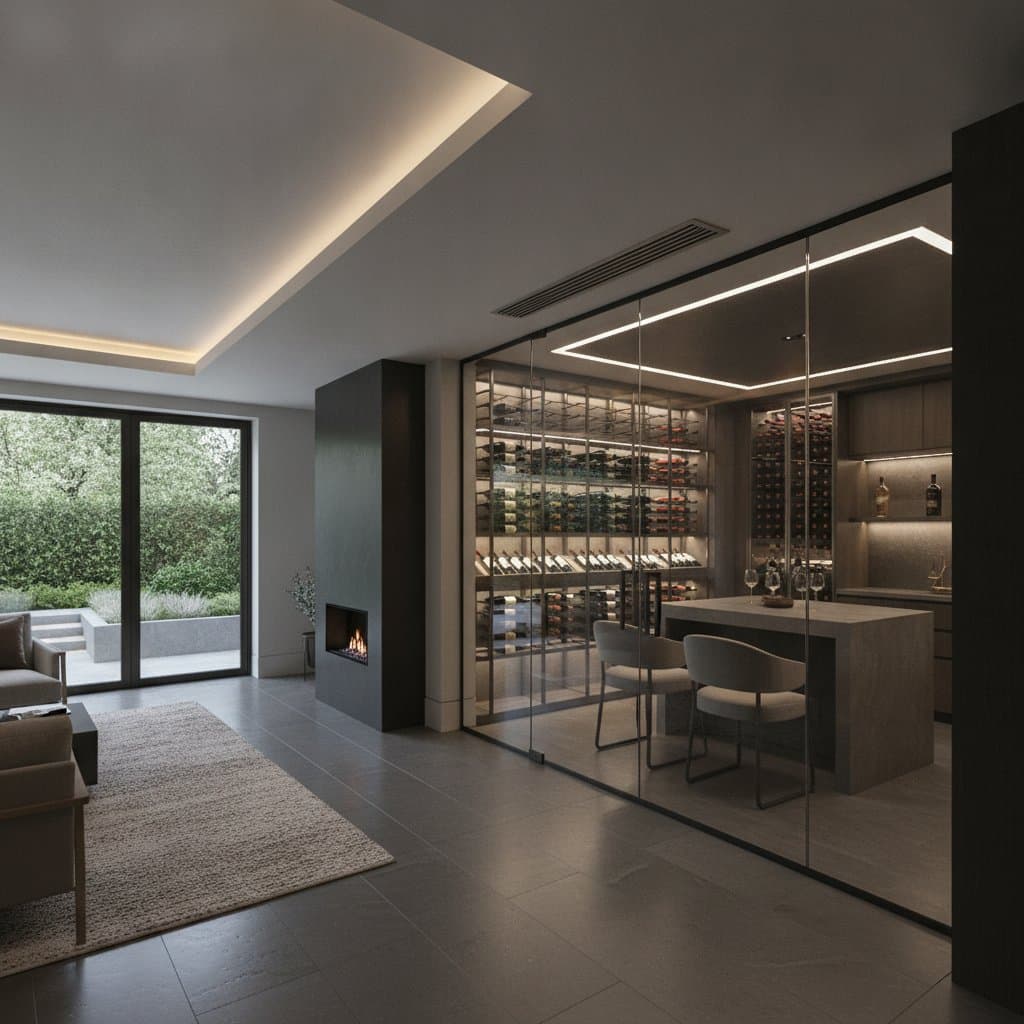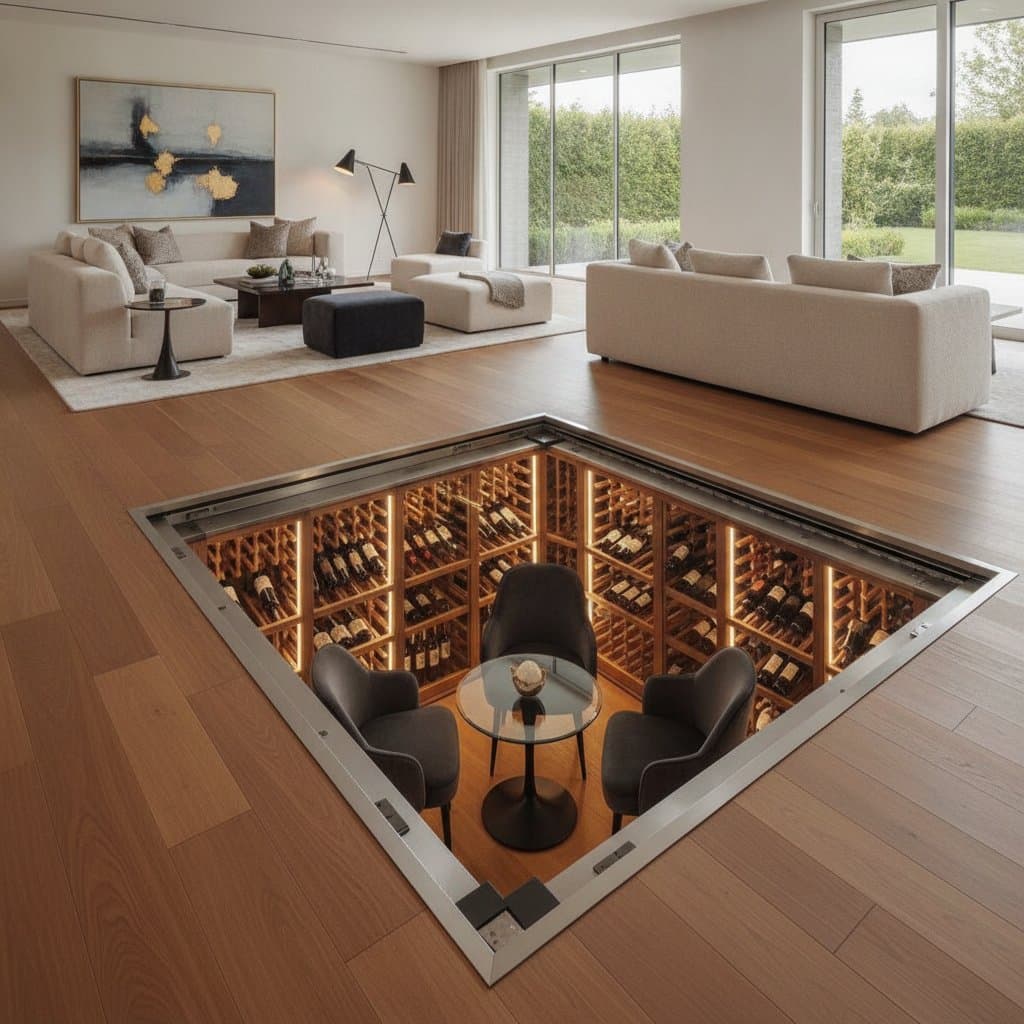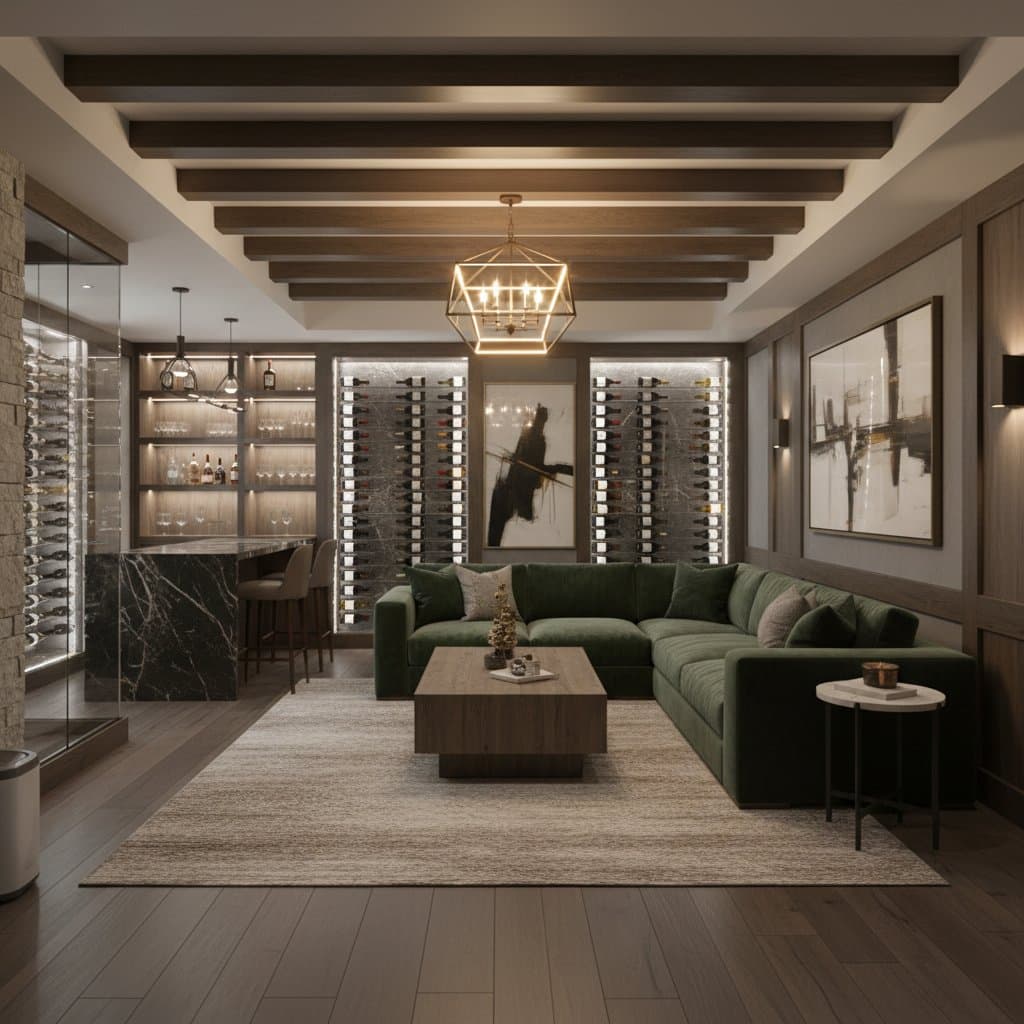
Basement Wine Lounges: The 2026 Trend Enhancing Home Value
Average project cost: $32,000, ranging from $18,000 to $55,000.
A well-executed basement wine lounge expands usable living space while increasing resale value. Today's homebuyers seek versatile entertainment areas that provide privacy, contemporary style, and durability.
Key Cost Influences
Multiple elements determine the overall expense. Early awareness of these factors allows informed decisions on investments and potential savings.
1. Existing Basement State
A dry and level foundation reduces expenses significantly. Addressing moisture issues or structural repairs may add $3,000 to $10,000 prior to any design phase.
2. Insulation and Vapor Barriers
Budget $1.50 to $3 per square foot for adequate insulation. Neglecting this invites condensation problems within wall cavities.
3. Electrical Systems and Lighting
Implementing a layered, ambient lighting scheme typically costs $2,000 to $6,000. Install dimmable LED strips beneath shelving to achieve dimension with minimal energy use.
4. Wine Storage Solutions
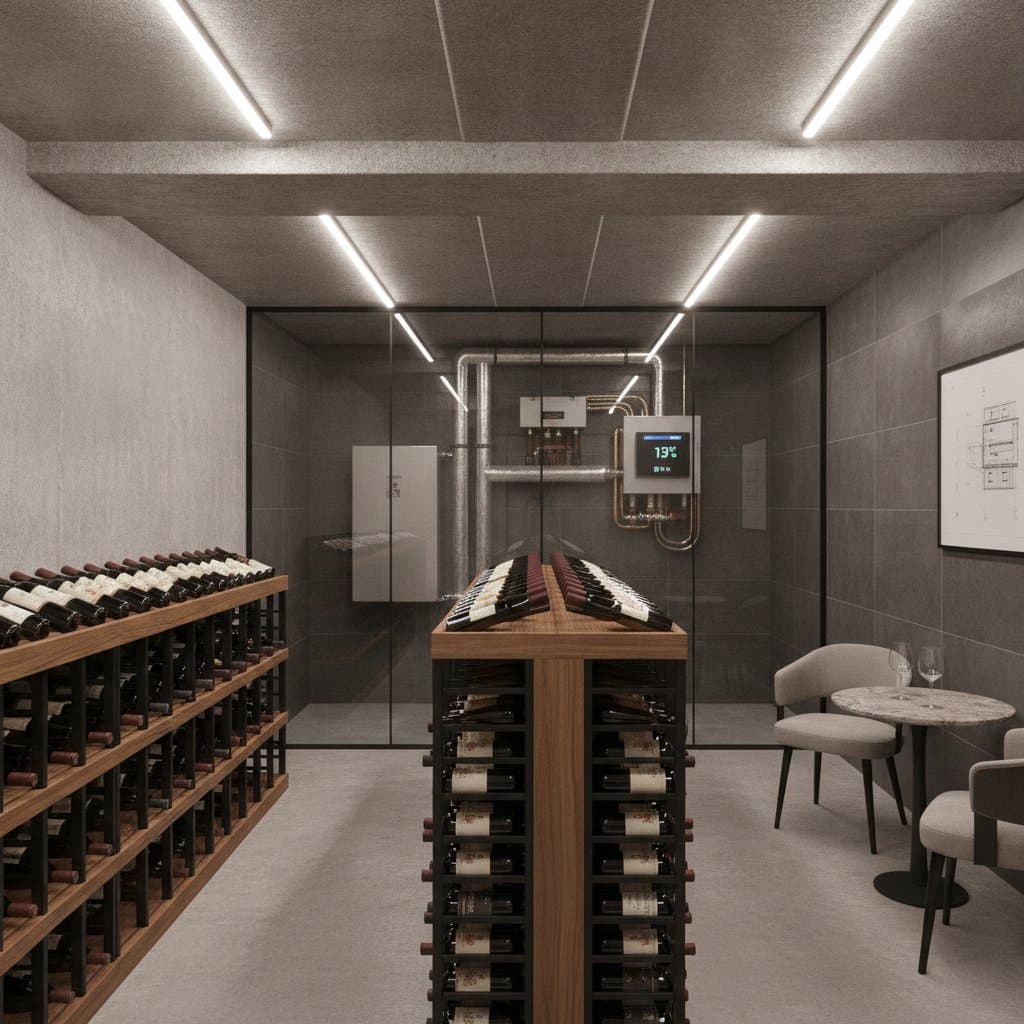
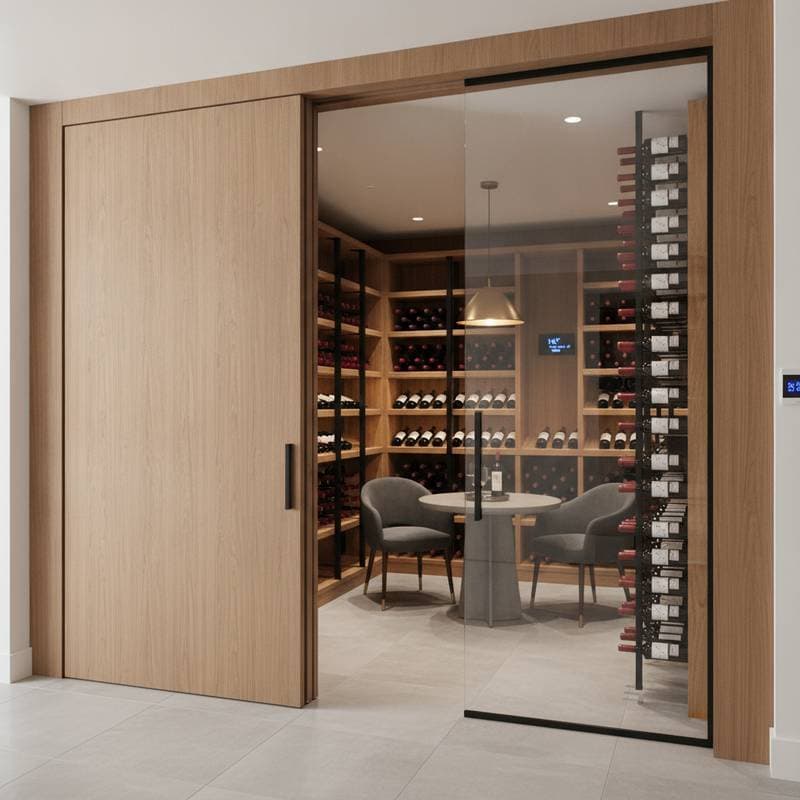
Options vary from $4,000 for simple metal racks to $15,000 for bespoke cabinetry with temperature zoning.
5. Surface Finishes and Furnishings
Elements such as upholstered seating, bar surfaces, and feature walls cost $6,000 to $20,000, influenced by material selections and spatial arrangements.
6. Permits and Compliance Checks
Allocate $500 to $1,500 for regulatory approvals, particularly when electrical or plumbing modifications occur.
7. Reserve Fund
Include 10 to 15 percent extra for basements in older homes. Unexpected issues like concealed leaks or outdated wiring often arise.
DIY Approaches Versus Professional Services
Certain aspects of a basement wine lounge suit DIY efforts. Homeowners with relevant skills can manage finishes and accessories, yet core systems demand professional oversight.
Pursue DIY for:
- Basements that are already completed and moisture-free.
- Additions limited to freestanding racks, movable furniture, and plug-in lighting.
- Tasks involving fundamental carpentry or painting.
Engage Professionals for:
- Evidence of water intrusion, structural shifts, or antiquated electrical setups.
- Installations requiring integrated refrigeration or plumbing fixtures.
- Configurations involving new electrical circuits or HVAC adjustments.
Subterranean work heightens risks related to moisture and electrical hazards. Certified electricians and contractors safeguard against code infractions that could hinder future sales.
Upkeep and Protection Coverage
Properly built basement wine lounges endure for decades with minimal routine care, provided humidity remains managed.
Routine Maintenance Steps:
- Monitor humidity levels monthly to maintain 50 to 60 percent.
- Service cooling unit filters every three months.
- Apply sealant to concrete or tile flooring every three to five years.
- Swap LED bulbs to preserve uniform color temperature in lighting.
Essential Warranty Details:
- Cooling equipment often carries two to five years of parts protection.
- Barriers against moisture or dehumidification units may necessitate yearly service records for validity.
- Contractor performance assurances typically span one year, though extensions are possible through negotiation.
Organize receipts and operational guides in one location. Prospective buyers regard thorough maintenance records as evidence of sustained quality.
Tiered Investment Levels
| Level | Overview | Cost Range | Highlighted Feature |
|---|---|---|---|
| Basic | Utilize pre-finished basement with portable racks and a plug-in cooler | $18,000 to $25,000 | Enhanced insulation |
| Midrange | Involve partial renovation, integrated bar, and vented cooling system | $26,000 to $40,000 | Tailored lighting design |
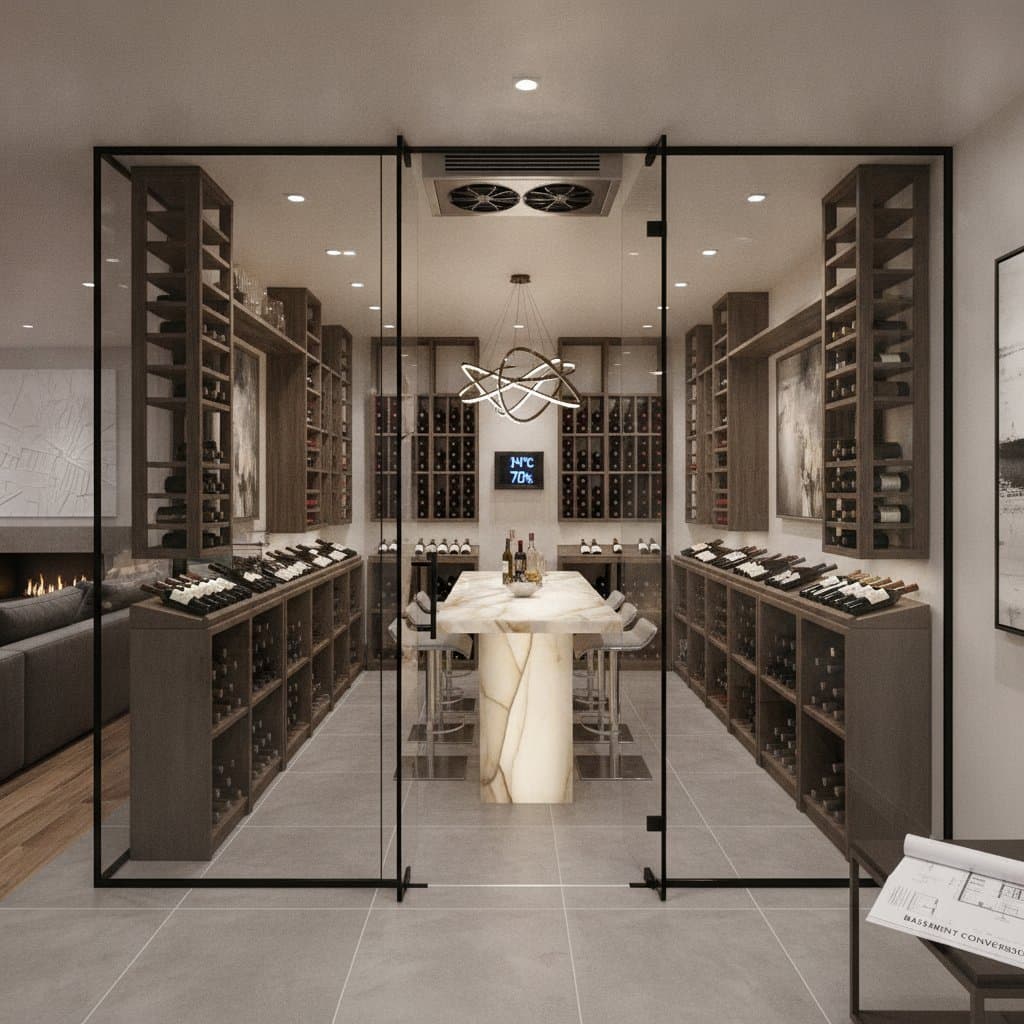
| Premium | Encompass complete overhaul, enclosed glass areas, climate zoning, and luxury materials | $41,000 to $55,000 | Embedded audio and controls |
Prioritize humidity regulation as the primary enhancement. This measure safeguards the building envelope and wine inventory alike.
Steps to Launch Your Project
Essential Action Sequence:
- Conduct moisture testing and resolve any leaks prior to planning.
- Establish a comprehensive budget, setting aside 15 percent for unforeseen expenses.
- Collect material samples for floors, walls, and accents to harmonize with illumination.
- Obtain quotes from at least two specialists experienced in subterranean renovations.
- Procure items with extended delivery times, such as custom glass or shelving, following permit clearance.
- Schedule final inspections to verify compliance and functionality.
A thoughtfully developed basement wine lounge elevates daily living and fortifies market position. Anchor the effort in robust climate management and sealing, then refine the aesthetics for optimal pleasure.