Hidden Basement Bars: A 15% Resale Value Increase Projected for 2026
Homeowners who incorporate a hidden basement bar often experience a significant uplift in property appeal. Such features introduce an element of luxury and additional usable space without the expense associated with major structural expansions. Projections indicate that by 2026, these installations could contribute to a 15 percent increase in resale value, transforming ordinary homes into desirable destinations for social gatherings.
This guide outlines the planning, budgeting, and construction process to create a concealed bar that balances exclusivity with everyday practicality. Readers gain insights into achieving a seamless integration that elevates the overall living experience.
Essential Planning Steps for Construction
Successful projects begin with thorough preparation to avoid costly surprises. Follow these structured steps to build a durable and stylish hidden basement bar.
-
Evaluate Structural Integrity and Moisture Control. Inspect the basement for dryness and stability. Address any leaks through professional waterproofing, install vapor barriers on walls and floors, and verify adequate insulation to prevent future issues.
-
Design the Spatial Arrangement. Determine placements for the bar counter, seating areas, and storage units. Position plumbing and electrical elements near existing infrastructure to minimize expenses and disruptions.
-
Construct Framing and Install Rough Systems. Erect partitions or walls as needed. Route electrical wiring, plumbing lines, and ventilation ducts prior to enclosing the framework with drywall.
-
Apply Finishing Elements. Select and install flooring, wall treatments, countertops, and cabinets using materials resistant to humidity, such as sealed hardwoods, ceramic tiles, or natural stone.
-
Incorporate Lighting and Audio Features. Integrate adjustable LED fixtures, including under-counter strips, and embed speakers for an immersive ambiance that enhances the space's versatility.
-
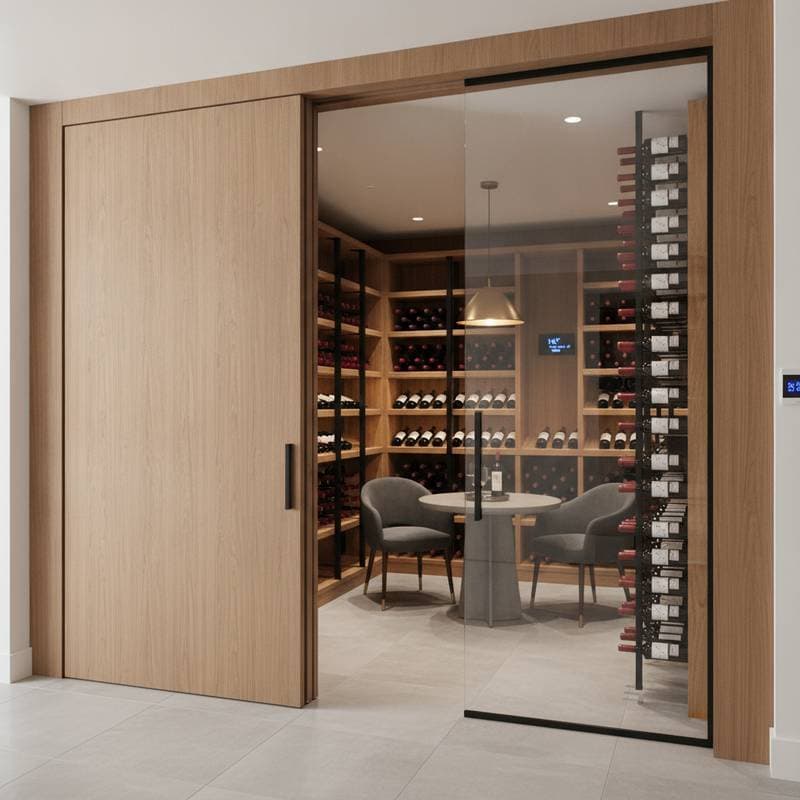
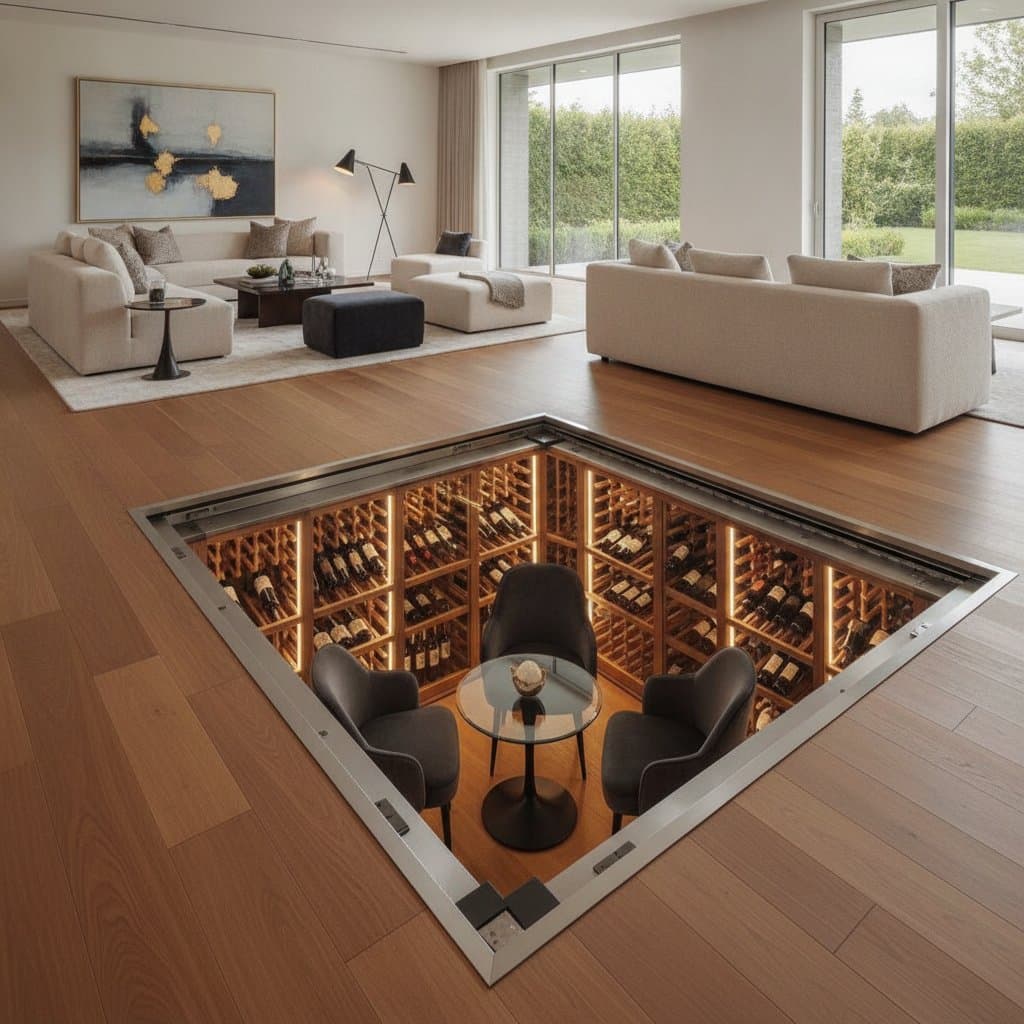
Conceal the Access Point. Design the entrance to blend seamlessly, options include a pivoting bookshelf, a flush-mounted panel door, or a camouflaged staircase to preserve the hidden allure.
-
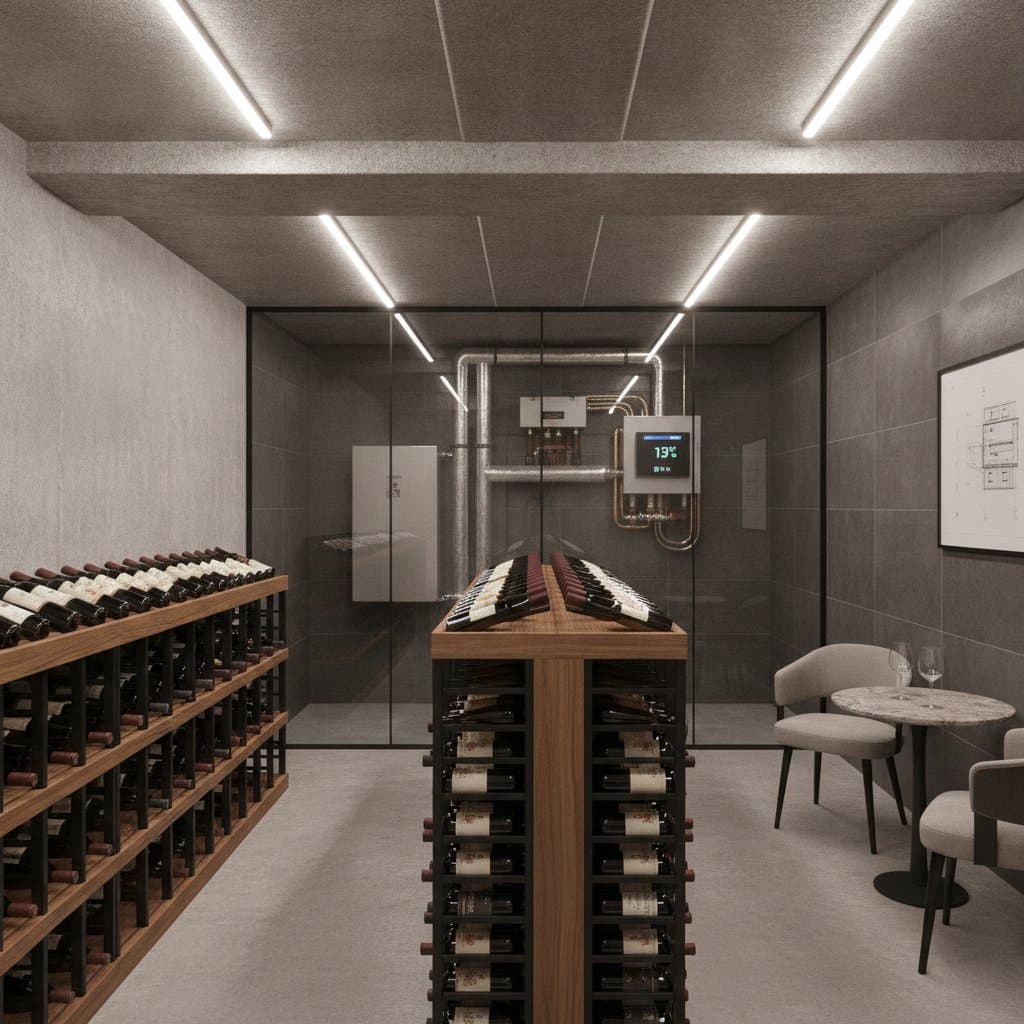
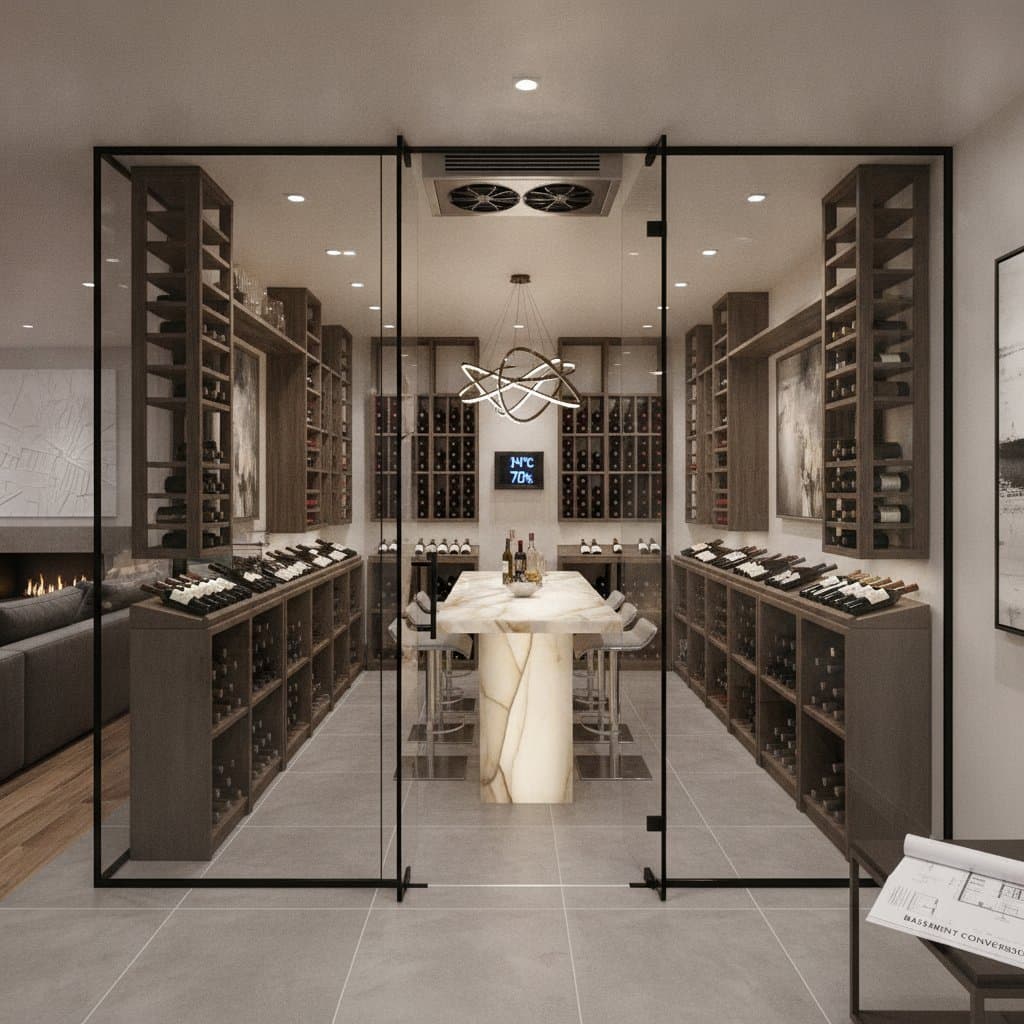
Equip and Accessorize the Area. Place bar stools, organize glassware and utensils, and select thematic decorations that harmonize with the home's aesthetic. Include appliances like a compact refrigerator or temperature-controlled wine storage for full functionality.
Project Timelines and Factors Influencing Duration
Typical basement bar renovations span four to eight weeks, depending on the starting conditions and scope of work. Projects in already finished basements proceed more swiftly, often completing within the shorter end of this range.
Extended timelines arise from necessities such as extensive waterproofing, reinforcement of foundations, or obtaining required permits. Individuals undertaking do-it-yourself efforts may extend the process over several months, particularly if limited to weekend availability.
Professional contractors streamline schedules through coordinated teams, ensuring compliance with codes and efficient material sourcing.
Required Tools and Materials List
Gather essential tools and materials to execute the build effectively. Prioritize quality to ensure longevity in a potentially damp environment.
Tools
- Tape measure and spirit level for precise alignments
- Circular saw or miter saw for cutting lumber and panels
- Drill and screwdriver set for assembly and installations
- Stud finder to locate framing supports
- Utility knife for trimming materials
- Trowel for applying adhesives in tile or backsplash work
Materials
- Lumber for framing interior walls
- Drywall sheets and joint compound for smooth surfaces
- Waterproof vapor barriers for floor and wall protection
- Durable flooring options like luxury vinyl planks, porcelain tiles, or treated wood
- Solid-surface or quartz countertop slabs
- Custom or pre-fabricated cabinetry and open shelving
- Recessed or track lighting fixtures
- Low-VOC paint or moisture-resistant wall coverings
Coordinate material selections with the home's existing palette. Dark woods paired with polished stone evoke sophistication, whereas pale tones and reflective surfaces expand the perception of space in compact basements.
Budget Considerations and Cost Breakdown
Investing in a hidden basement bar yields strong returns, with average costs ranging from $10,000 to $30,000 based on size and finishes. Basic setups, including essential plumbing and electrical, start at the lower end, while premium features like custom cabinetry and advanced lighting push toward the higher figure.
Key expenses include:
- Waterproofing and structural repairs: $2,000 to $5,000
- Framing and rough-ins: $3,000 to $7,000
- Finishes and fixtures: $4,000 to $10,000
- Appliances and furnishings: $1,000 to $5,000
Homeowners recoup investments through enhanced livability and market differentiation. Focus on high-impact elements like quality countertops to maximize perceived value.
Design Strategies That Enhance Marketability
Effective designs position the basement bar as a premium retreat, appealing to prospective buyers seeking modern amenities. Implement these proven approaches to create an inviting and functional space.
-
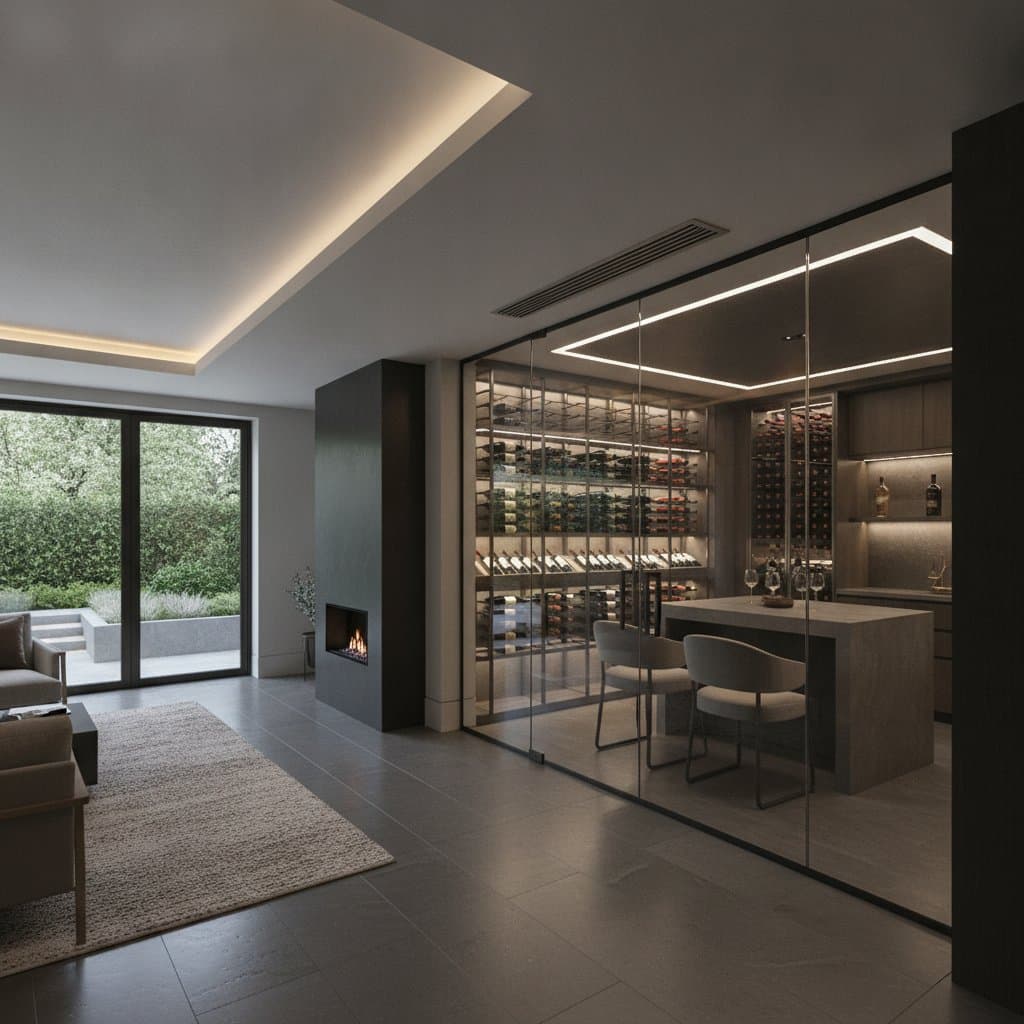
Secluded Entry Mechanisms: Employ a rotating bookcase or mirrored panel to introduce an element of intrigue, sparking interest during property tours.
-
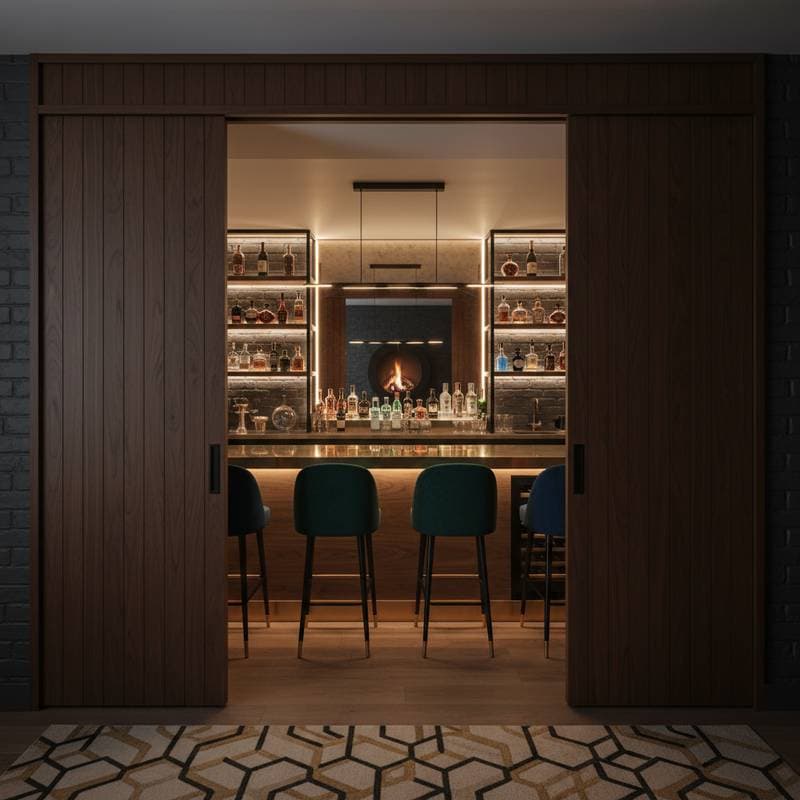
Illuminated Displays: Install LED backlighting behind shelving to highlight liquor collections, adding visual depth and a contemporary edge to the setup.
-
Warm Textural Accents: Apply exposed brick accents or salvaged wood paneling to foster a cozy atmosphere that contrasts with the home's upper levels.
-
Space-Efficient Configurations: Utilize under-stair nooks for a compact wet bar, ideal for homes with limited basement square footage.
-
Noise Management Solutions: Incorporate sound-absorbing panels or heavy drapery to maintain privacy and prevent disturbances to adjacent areas.
Ensure the overall scheme aligns with the residence's style, avoiding disjointed aesthetics. Thoughtful details, such as integrated charging stations, elevate usability for daily enjoyment.
Critical Safety Guidelines
Prioritize safety to protect occupants and comply with building standards. Adhere to these protocols throughout the project.
-
Disconnect electrical power sources prior to any wiring tasks.
-
Install ground-fault circuit interrupter outlets adjacent to water features.
-
Direct ventilation away from confined areas to avoid carbon monoxide buildup.
-
Test for radon levels before finalizing floor enclosures.
-
Position fire extinguishers accessibly within the bar vicinity.
For installations involving gas lines or draft systems, engage certified professionals to mitigate risks.
Expert Recommendations for Optimal Results
Experienced builders emphasize foresight in key areas to enhance performance and durability.
-
Strategically place electrical outlets during initial planning to accommodate appliances like mixers and refrigeration units.
-
Integrate soundproofing materials, such as mineral wool insulation, within wall cavities to reduce echo and external noise.
-
Apply specialized mold-resistant paints to safeguard surfaces against humidity fluctuations.
-
Balance air circulation with exhaust fans in enclosed sections to control odors and maintain freshness.
-
Clearly mark and position shut-off valves for water and electricity, ensuring quick access in emergencies.
These measures not only extend the space's lifespan but also contribute to its appeal in resale assessments.
Frequently Asked Questions
Does a basement bar justify the investment?
Affirmative. Properties featuring completed entertainment bars frequently command up to 15 percent higher sale prices due to added luxury and versatility.
Are permits required for such renovations?
In most jurisdictions, yes, particularly when modifications involve plumbing or electrical systems. Consult local authorities to confirm regulations.
Executing Your Vision
Commence with a detailed blueprint that addresses moisture challenges, outlines the layout, and clarifies the division between self-directed and expert-assisted tasks. Maintain uniformity in quality across the home to amplify cohesion. A well-executed hidden bar delivers enduring lifestyle benefits alongside tangible financial gains.