Why Hidden Pantries Increase Kitchen Resale Value by 15 Percent in 2026
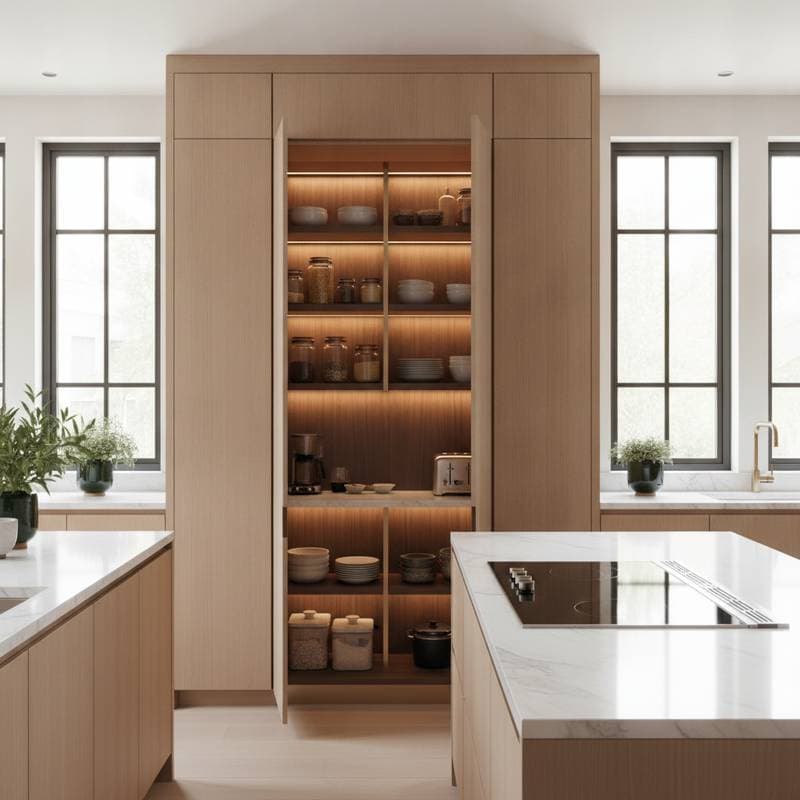
Hidden pantries represent a strategic enhancement for modern kitchens. These concealed storage solutions appeal to buyers who prioritize organization and aesthetics. Real estate data indicates that such features can elevate a home's market appeal, contributing to a 15 percent uplift in kitchen-related resale value.
The appeal stems from their ability to maintain a clean, spacious appearance while maximizing utility. In competitive housing markets, kitchens with innovative storage stand out. Homeowners who invest in hidden pantries position their properties for quicker sales and higher offers.
One-line takeaway: A hidden pantry can raise your kitchen's resale value by about 15 percent, with typical costs from $4,000 to $18,000 depending on size and finish level.
Key Cost Factors to Consider
Understanding expenses helps in budgeting effectively. Costs vary based on several elements, each influencing the overall investment.
1. Size and Layout
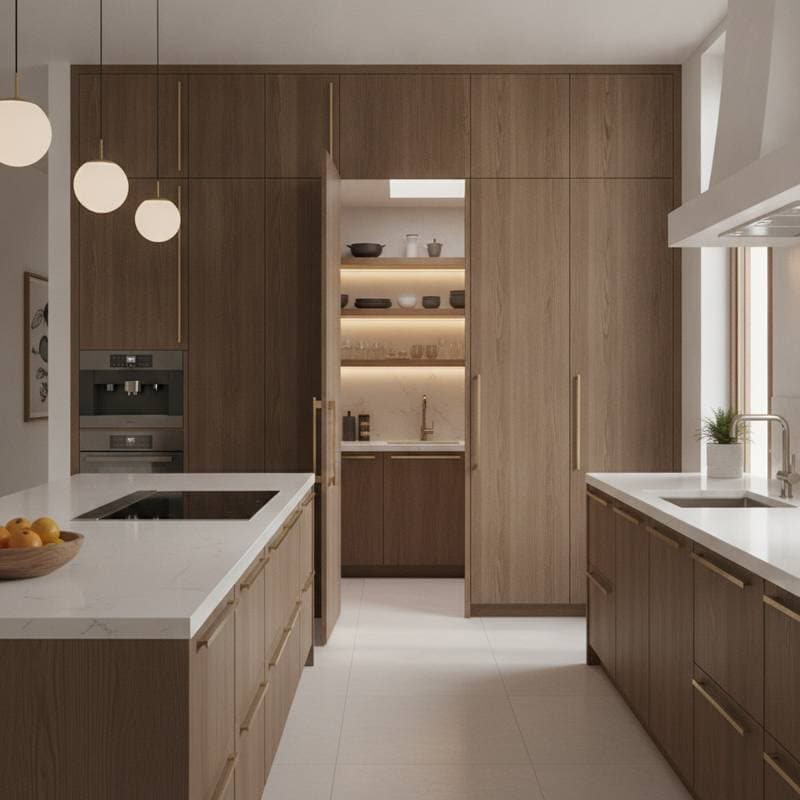
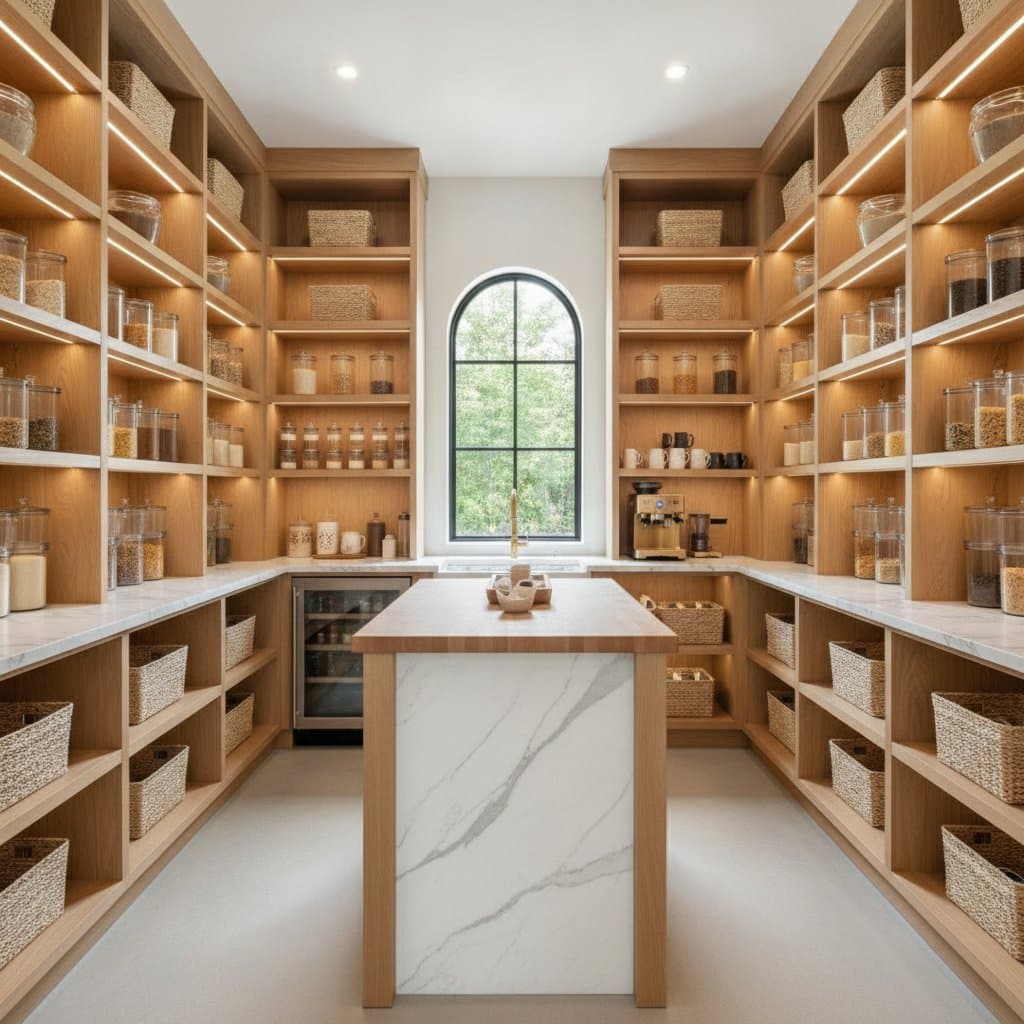
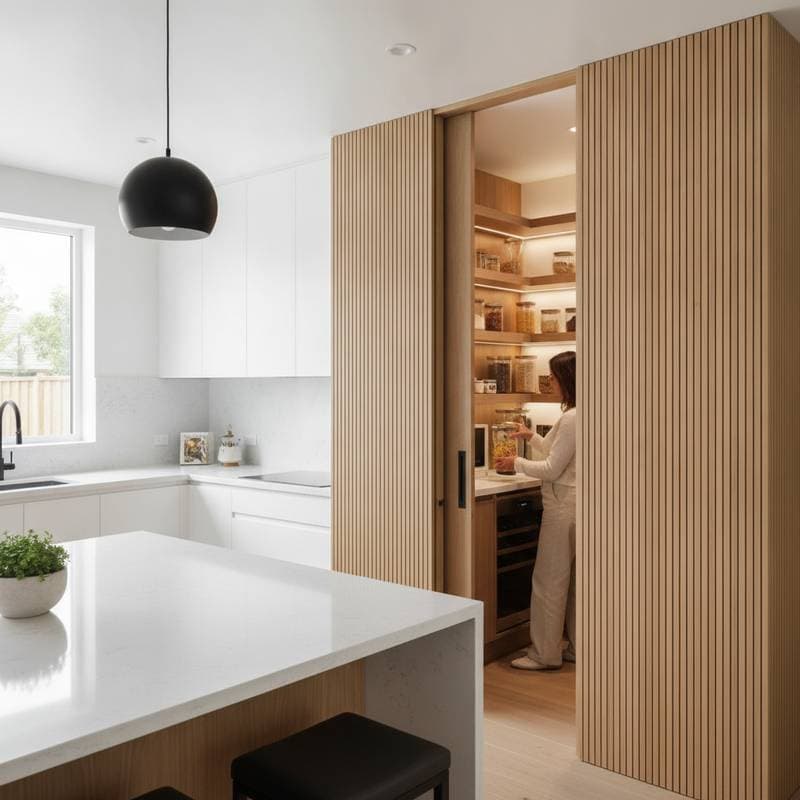
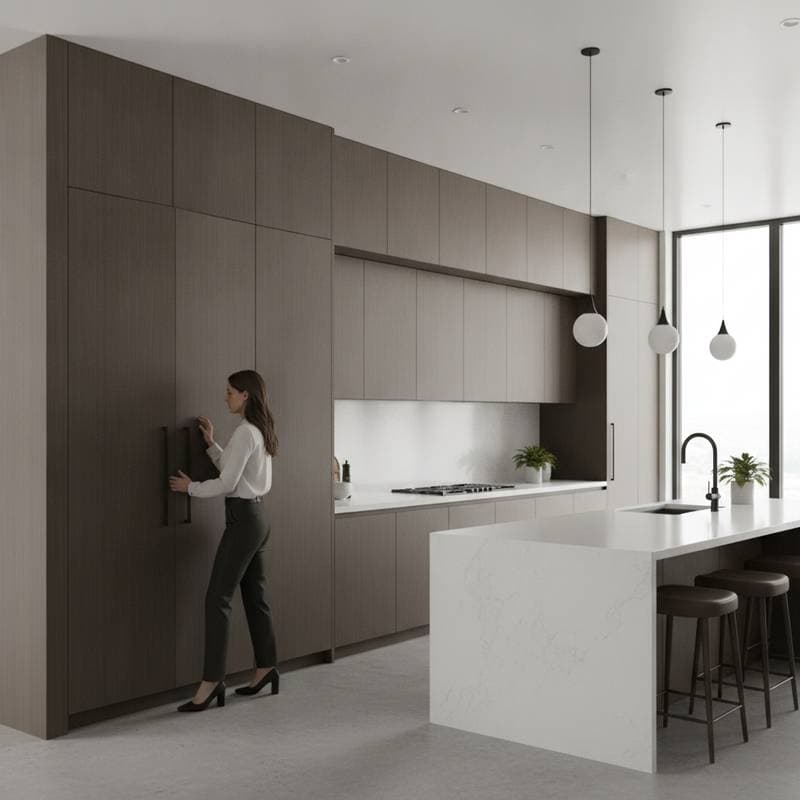
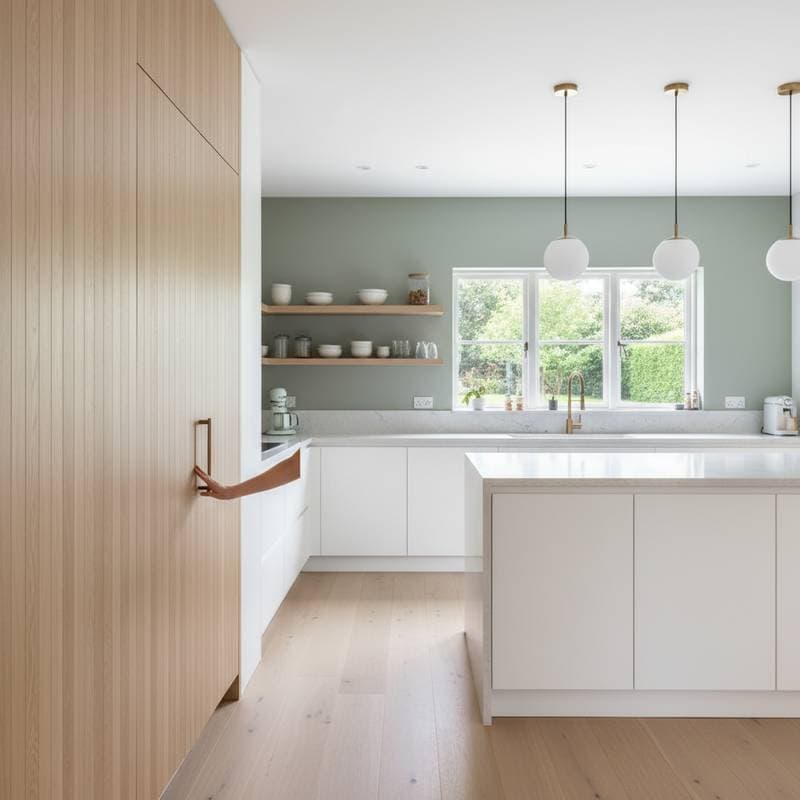
Larger configurations, such as walk-in sculleries or full butler's pantries, require additional floor space and potentially plumbing integration, which elevates expenses. In contrast, a cabinet-depth hidden pantry concealed behind panels that match the kitchen cabinetry remains more affordable. Professionals estimate costs at $200 to $350 per square foot for built-in installations, allowing flexibility for different kitchen sizes.
For example, a modest 10-square-foot pantry might total $2,000 to $3,500 in materials and labor, while a 50-square-foot version could approach $10,000 or more.
2. Materials and Finishes
Budget-conscious options include melamine shelving, which provides durability at a lower price point. Upgrading to solid wood or moisture-resistant medium-density fiberboard (MDF) increases longevity but also the price. Custom cabinet doors designed to blend seamlessly with existing kitchen fronts add $1,000 to $3,000, ensuring the hidden aspect remains undetectable.
Selecting high-quality materials not only enhances functionality but also supports the 15 percent resale boost by signaling premium craftsmanship to potential buyers.
3. Labor and Design
The success of a hidden pantry hinges on skilled carpentry to achieve a flush, invisible entry. Labor rates average $65 to $120 per hour, with premiums in urban locations or for projects involving integrated lighting and ventilation systems. Design consultations often reveal opportunities to optimize space, such as incorporating pull-out drawers or adjustable shelving.
Hiring experienced designers early can prevent costly revisions, ensuring the pantry aligns with the kitchen's overall flow.
4. Utilities and Permits
If the pantry includes plumbing for a sink or electrical outlets for appliances, local permits become necessary. Allocate $500 to $1,500 for inspections and compliance in most areas. These additions enhance usability, such as dedicated spaces for coffee makers or mixers, further justifying the investment.
Compliance ensures safety and avoids future legal issues during home sales.
5. Access and Disposal Challenges
In kitchens with constrained layouts or older construction, demolition and patching may arise. Factor in an additional 10 to 15 percent of the budget for unforeseen structural elements, like hidden wiring or reinforcements in vintage homes. Thorough pre-project assessments mitigate these risks.
DIY Options Versus Professional Installation
Homeowners can tackle certain aspects independently, but complex elements demand expertise.
Suitable DIY Tasks
- Painting walls and installing basic shelves using standard tools.
- Swapping out lighting fixtures for energy-efficient LEDs.
These activities suit individuals with foundational carpentry skills and keep costs down.
When to Hire Professionals
Engage experts for:
- Creating a perfectly flush hidden door that integrates without gaps.
- Modifying load-bearing walls or incorporating plumbing lines.
- Handling electrical wiring or installing ventilation systems.
Professionals ensure code adherence and structural integrity.
Potential Risks and Mitigation
Improper framing leads to misaligned doors that compromise the hidden effect. Inadequate ventilation traps moisture, risking mold growth or damage to stored items. Always consult licensed contractors for mechanical or structural modifications to safeguard the project's success and warranty validity.
Maintenance Strategies and Warranty Essentials
Proper upkeep preserves the pantry's functionality and appearance over time.
Daily and Routine Care
Wipe down surfaces monthly to eliminate dust and control humidity levels. Inspect door alignment once a year to address any settling issues. Replace LED bulbs or under-shelf lighting strips every five to seven years to maintain illumination.
These habits extend the lifespan and keep the space inviting.
Common Wear Points
Door hinges and concealed latches endure the most stress from regular access. Stock replacement parts or select hardware backed by a 10-year warranty for reliability.
Managing Moisture
Enclosed areas can retain dampness, especially near plumbing or appliances. Incorporate a small vent grille or a compact dehumidifier to circulate air and prevent issues.
Understanding Warranties
Custom cabinetry typically includes a one- to five-year warranty on workmanship. Electrical and appliance components adhere to manufacturer guidelines, which vary by brand. Review all terms prior to final payment to verify coverage duration and exclusions.
Steps to Implement Your Hidden Pantry
Transition from planning to execution with these structured actions.
-
Assess Kitchen Workflow: Identify clutter hotspots or storage shortages that hinder meal preparation. A hidden pantry addresses these pain points effectively.
-
Establish Budget Parameters: Begin with a baseline of $4,000 and prepare for up to $18,000 on upscale materials and features.
-
Collect Design Inspirations: Assemble images of door mechanisms and layouts that complement your home's architectural style.
-
Schedule a Consultation: Secure a design meeting promptly, as demand for custom millwork extends lead times in popular regions.
-
Research Market Preferences: Note that concealed storage gains favor over visible shelves, enhancing cleanliness and buyer appeal.
Hidden pantries deliver practical benefits by integrating storage seamlessly into the kitchen design. They support efficient daily routines without expanding the physical space. Opting for a streamlined cabinet integration or a comprehensive scullery ensures lasting value, blending utility with sophisticated style.